
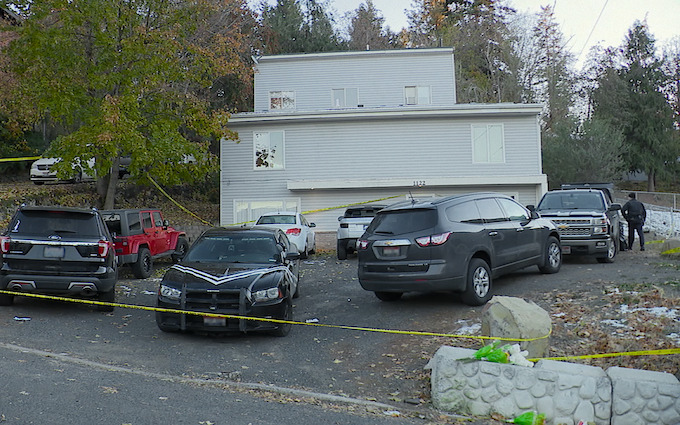
Idaho — With the recent drop of Netflix’s The Idaho Murders: College Nightmare, the horrific 2022 deaths of four university students are back in the national spotlight. But while internet sleuths are hyper-focused on streaming footage, a massive legal storm is brewing in the real world.
Bryan Kohberger—who pleaded guilty last year to avoid the death penalty—is now attempting to withdraw his plea, claiming he was coerced into a false confession. On a recent episode of 15 Minutes of Murder, our resident experts broke down why this shocking pivot is a disastrous legal gamble.
Why it matters

When a high-profile defendant attempts to walk back a plea, social media immediately jumps to theories of a corrupt system or hidden breakthroughs. In reality, the motivations are often much more complicated—whether it’s sudden remorse, fear of prison, or a tactical retreat after successfully dodging a death sentence. For true-crime commentators and independent investigators, a shifting plea raises a massive red flag regarding a suspect’s basic credibility. If a defendant allocates facts under oath and later claims they lied, it creates a messy contradiction that makes it incredibly difficult for the public, or a court, to ever trust their story again.
The Real World vs. The Courtroom Record
Kohberger was sentenced in July 2025 to four consecutive life terms without parole. Now, he has filed a petition claiming his defense team misled him into a false confession under the immediate threat of the death penalty. Independent researchers look at these sudden turnarounds from a few angles: it could be a strategic legal pivot once execution is off the table, or it could simply be the reality of a high-profile inmate facing a lifetime behind bars. Whatever the internal motivation, attempting to wipe away a signed plea deal introduces a massive wild card into the case.
Our resident crime expert, Desiree Edwards, doesn’t buy the coercion narrative. In the real world, judges specifically design plea hearings to prevent this exact type of backtracking.
- The Judge’s Safe Haven: “When you plead guilty, don’t you know the judge, one of the first things the judge asks you is, ‘Sir, ma’am, were you coerced?’” Edwards emphasizes. “The judge gives you every out. If now you’re comfortable to say, ‘Oh, they coerced me,’ you didn’t feel that safe to do that in that moment standing in front of the judge?”
- The Perjury Trap: Attempting to pull back a guilty plea puts a defendant in a massive legal corner. “When you plead guilty, you plead guilty under oath. You’re on the court record,” Edwards warns. If Kohberger ever gets a new trial and takes the stand to claim innocence, the consequences are immediate. “Now I’m gonna hit you with a perjury charge because you just perjured yourself… at the last go-round, you allocated that you had done this.”
The Reality of Inmate Regret
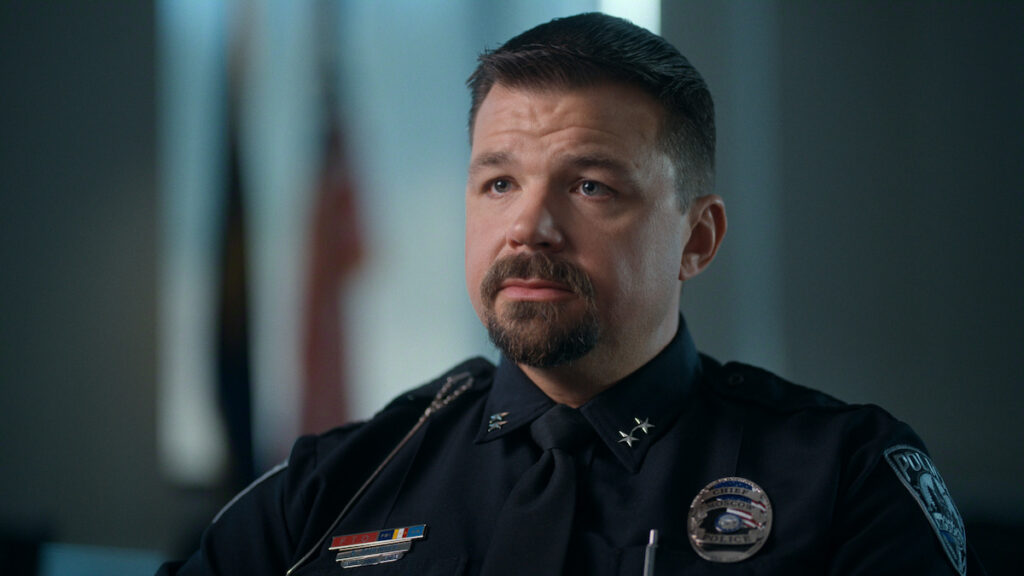
A common phenomenon independent investigators see at work is clients wanting to withdraw pleas simply because prison life isn’t what they expected.
- Making a Bad Situation Worse: “People want to withdraw their plea for a gazillion reasons,” Edwards explains. “It can be very problematic and make situations worse for the client.”
- The Risk of Stiffer Penalties: Trying to fight a plea deal because prison is harsh is a massive strategic error. “With a plea deal, you will often get a shorter prison sentence than you would if you’re found guilty at trial,” Edwards notes. “If you go to trial and you lose, now you’re fixing to be in prison in this harsh environment even longer than you were under your plea deal.”
Lingering Questions on the Ground
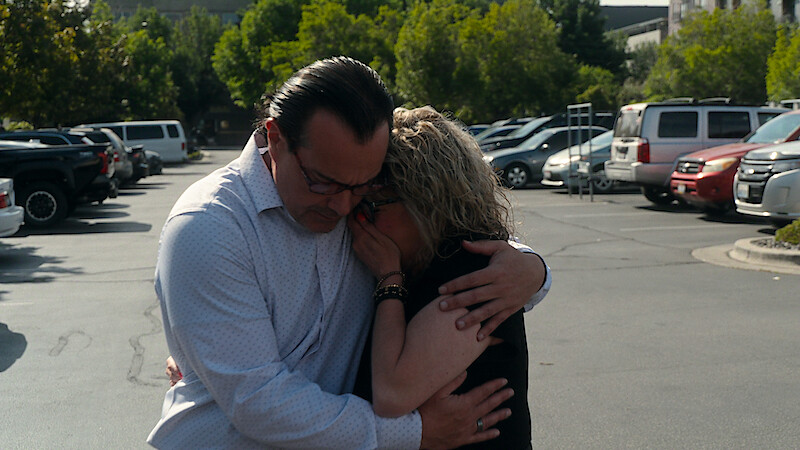
While the legal maneuvering plays out, the actual mechanics of the 2022 crime scene still leave room for professional analysis. Our co-host, Tanisha, points out that the sheer logistics of the night continue to weigh heavily on researchers. “In my head, I always had this small thought of how did he overpower so many people, even if they were asleep, even if they were drinking?” Tanisha asks.
The True Weight of the Case
As the legal battle enters this messy new chapter, it serves as a stark reminder of who actually matters. While courtroom filings continue to pull focus, the real depth of this tragedy isn’t found in legal maneuvers. It is found in the documentary’s ability to completely humanize the victims, friends, and families whose lives were torn apart.

More than just tracking a tragedy, it provides a vital space to celebrate who these young people truly were—shining a light on their joy, their ambitions, and the incredible, positive impact they made on the earth during their time here. The series forces the audience to feel the raw urgency, the heavy grief, and the deep love left behind in a community that was changed forever. No matter how a defendant tries to shift the narrative from a cell, their light and the human cost is the only story that truly matters.
Go Deeper: Watch our full conversation and subscribe to our channel at the 15 Minutes of Murder YouTube Channel.

Leave a Reply