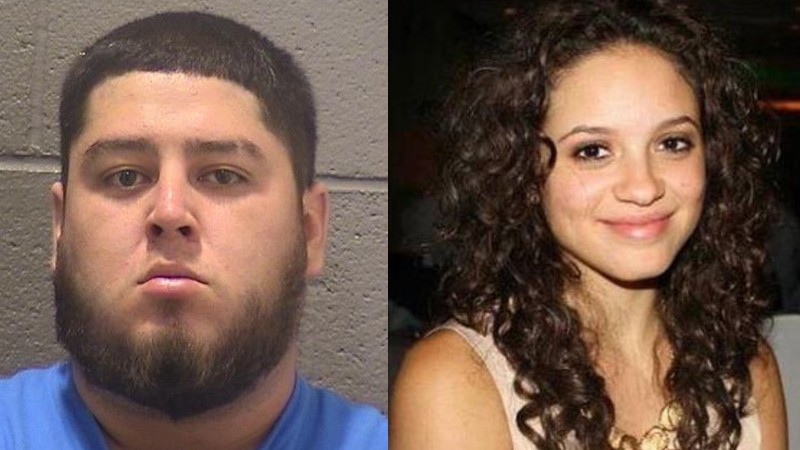
Chapel Hill, NC – Jury selection has officially begun in Durham County for the first-degree murder trial of 33-year-old Miguel Salguero-Olivares, accused in the brutal 2012 bludgeoning of 19-year-old UNC sophomore Faith Hedgepeth.
- 🚀 Why It Matters: The 14-year delay isn’t just a story of waiting for technology to catch up. It exposes critical systemic gaps, tunnel vision by early investigators, a staggering post-arrest backlog, and a recent pre-trial bombshell: the state lost vital blood evidence collected from the crime scene.
- 🛑 The Tunnel Vision Delay: For nearly a decade, the case sat cold because investigators heavily focused only on individuals inside Hedgepeth’s immediate social circle. Because Salguero-Olivares was a complete stranger with no digital or personal ties to the victim, he bypassed standard tracking systems entirely.
- 🧬 The Breakthrough vs. The Backlog: While a random 2021 traffic stop finally matched his DNA via investigative genetic genealogy, it took an additional five years just to get to trial. Prosecutors blame a massive backlog, requiring years of tedious work to extract data from old cell phones, translate complex audio files, and process late-coming forensic charges.
- 📝 The Forensic Riddles: The state’s case relies heavily on Salguero-Olivares’ DNA and a palm print found on bottles at the scene, alongside a chilling, unstained note reading “I’m not stupid — Jealous.”However, the defense is ready to strike, highlighting that two unidentified bloody thumbprints on the murder weapon’s neck do not match the suspect, and that police inexplicably misplaced blood samples taken from a bathroom door frame.
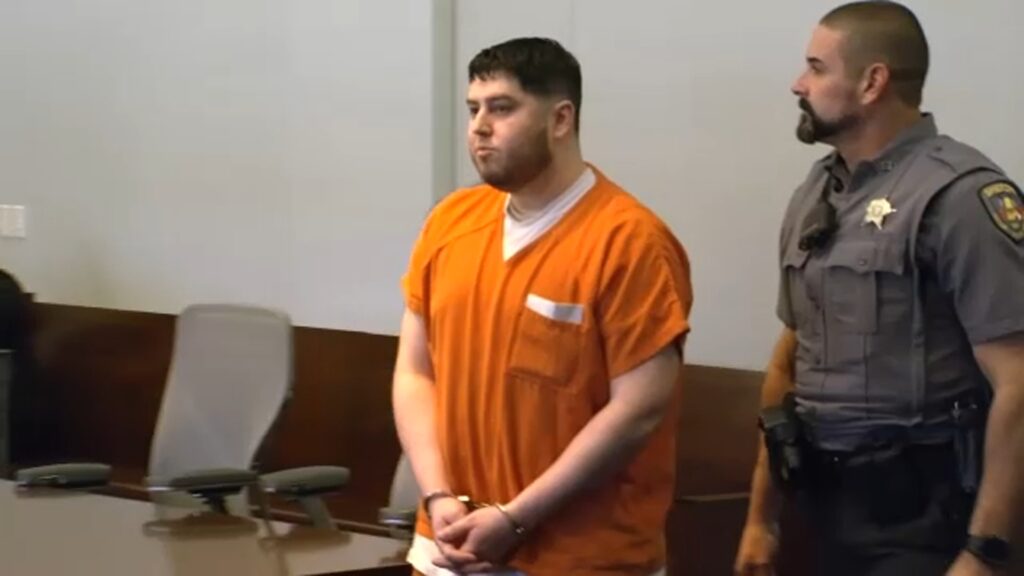
“When a homicide file takes nearly a decade and a half to reach a jury, it’s a failure of the system, not just a timeline,” notes the Executive Producer of 15 Minutes of Murder. “Our focus isn’t on the sensationalism of the crime, but the mechanics of the delay. Early investigators boxed themselves into the victim’s social circle, leaving a biological profile in a database while a stranger walked free for nine years. We are tracking this trial to examine where the tracking systems broke down.”
“Faith’s family and the Chapel Hill community flatly refused to let this archive box collect dust,” the producer notes. “But a genetic genealogy match in 2021 shouldn’t have triggered another five-year wait for a trial. Between massive digital backlogs and the state recently admitting they misplaced key blood evidence from the crime scene, this courtroom battle is as much about auditing police logistics as it is about DNA. Our coverage maps out these long-standing court dockets at face value—holding the process accountable.”

Share Your Thoughts: When a capital murder case sits cold for nine years waiting on a random traffic stop—only to take another five years to hit a courtroom due to lost evidence and bureaucratic backlogs—is justice delayed actually justice denied? Let us know how you view this timeline in the comments.
Leave a Reply