

A horrifying true crime crossover has emerged from a suburban Chicago courtroom. Prosecutors revealed that Corie Walsh, a 40-year-old mother charged with the brutal murder of her 2-year-old son, was deeply obsessed with the nationally watched Lindsay Clancy trial—actively texting friends about the case hours before the homicide.
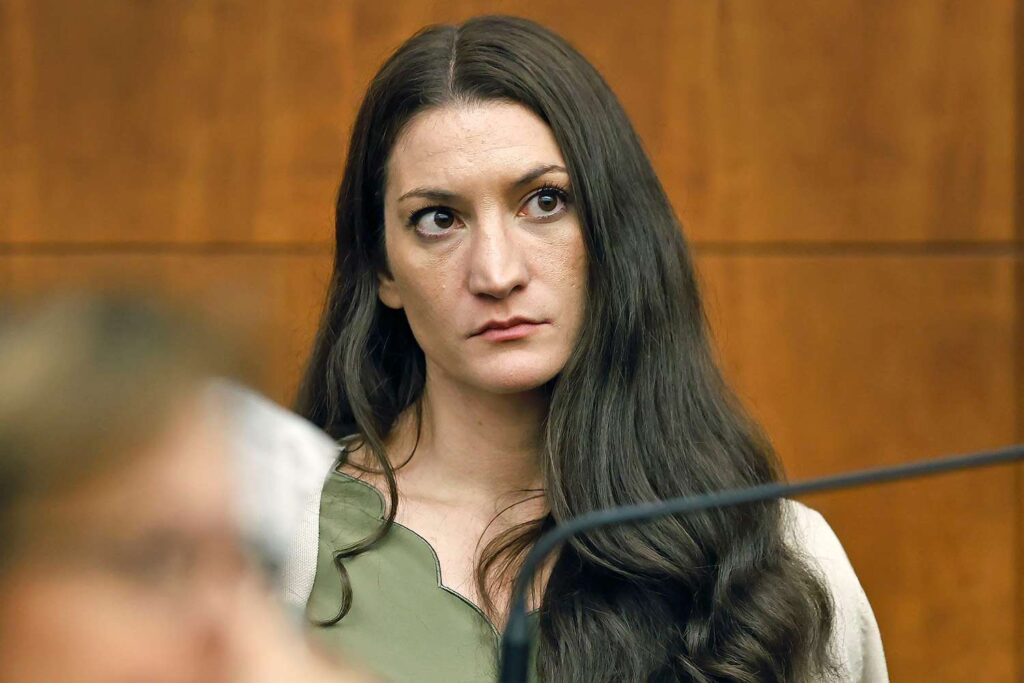
- Why It Matters: The development exposes a terrifying psychological echo effect. While the nation watched Clancy’s defense battle over criminal sanity in Massachusetts, an unstable mother allegedly utilized the public trial discourse as a disturbing blueprint.
- The Dark Timeline: Police discovered the remains of 2-year-old Barrett inside the basement of the family’s McHenry County home. Court records show Walsh had spent the preceding days heavily investing herself in streaming the closing arguments and jury deadlock coverage of the Clancy trial.
- The Text Message Trails: Prosecutors unveiled digital forensic data showing Walsh sent multi-sentence text messages analyzing Clancy’s postpartum psychosis defense. In her final messages before her arrest, she allegedly wrote to a friend about how the legal definitions of insanity work during a maternal homicide trial.
- The First-Degree Charges: Unlike the deadlocked Clancy trial, Illinois prosecutors are moving aggressively with three counts of first-degree murder. The judge ordered Walsh held without bond after state attorneys argued her digital tracking trail proved an intentional, conscious detachment from reality.
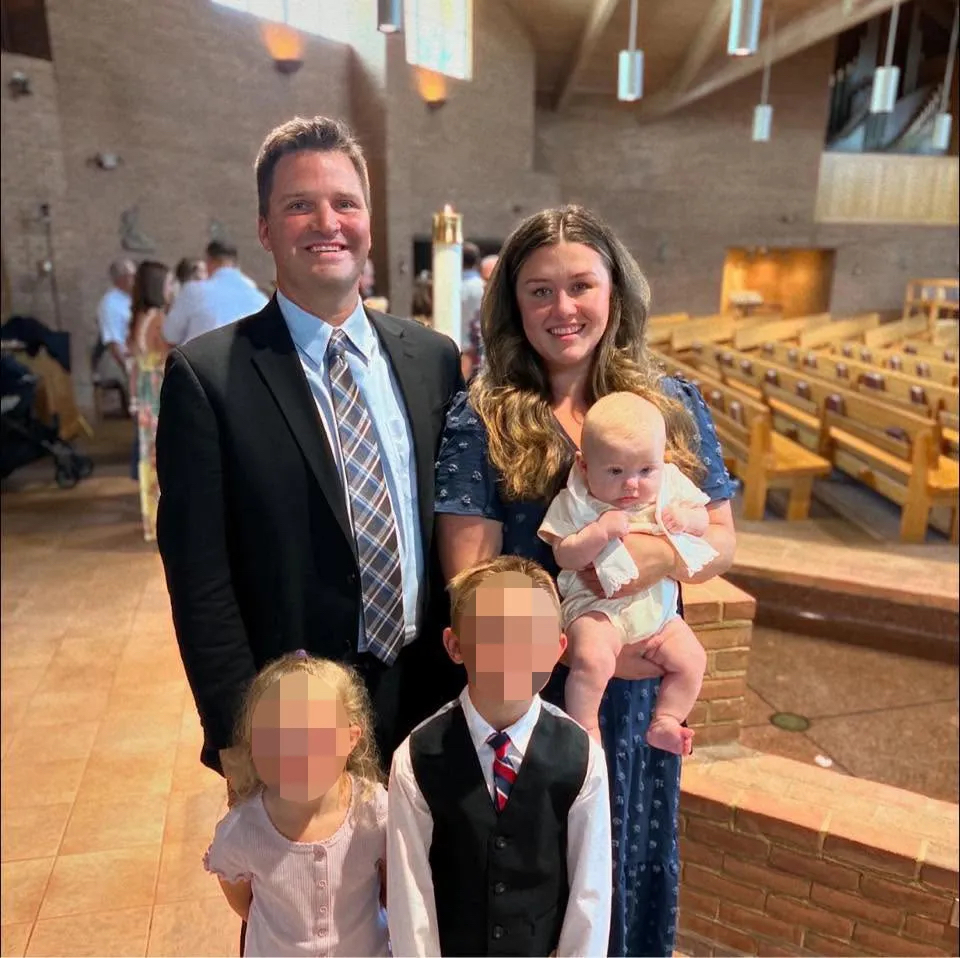
A Producer’s Perspective: When True Crime Echos into Reality
“This case shatters everything we think we know about the boundaries of media consumption and mental illness,” notes the Executive Producer of 15 Minutes of Murder. “When a mother becomes so psychologically consumed by a real-time murder trial that she allegedly replicates the tragedy in her own basement, it forces an uncomfortable look at our collective true crime fascination.”
“At 15 Minutes of Murder we talk alot about how almost every single homicide ultimately routes right back to severe psychological imbalances or undiagnosed mental health issues. This isn’t just about a standard police log—it’s about an environment where unstable minds can latch onto public media and bend reality. True justice requires us to look directly into this darkness, center the innocent victims like young Barrett, and analyze the psychological warning signs before the loop repeats itself.”
Share Your Thoughts: Do you believe high-profile, televised true crime trials can inadvertently serve as a trigger or blueprint for unstable individuals, or is media consumption entirely separate from criminal intent? Let us know in the comments below.
Go Deeper: Check out our Ask a PI series on our video tab or launch our YouTube Channel for deep-dive criminal defense insights from our team.