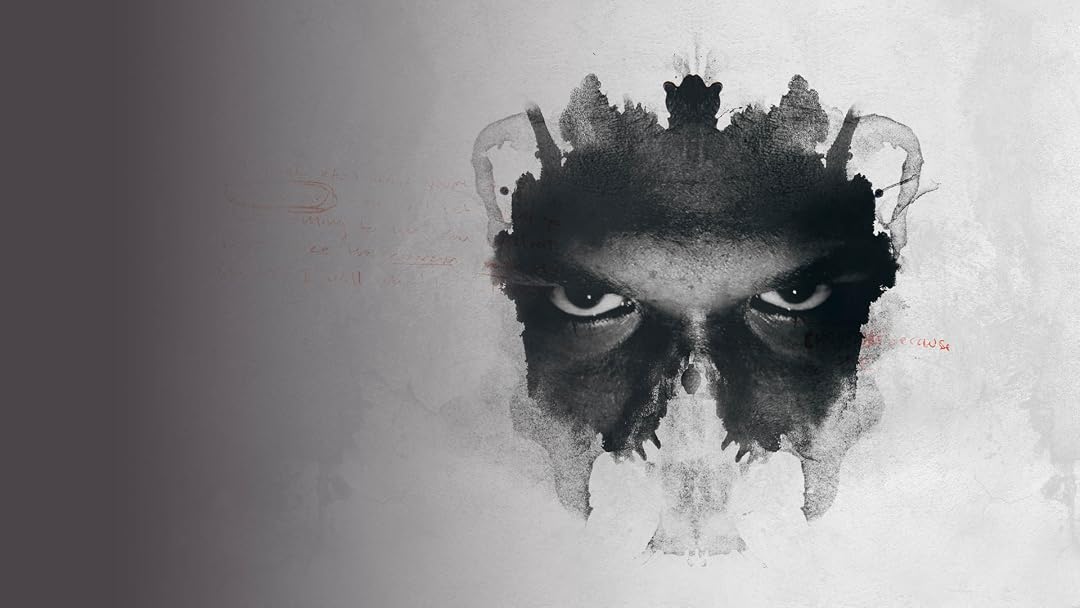
Florida — With the arrival of the highly anticipated 11th season of Signs of a Psychopath on HBO Max and ID this week, true-crime audiences are once again turning their attention to the grim realities of the police interrogation room. The premiere episode, “I Guess I’m a Maniac,” hits incredibly close to home, following a cold-case homicide investigation led by Florida detectives after a woman was discovered strangled in a local wooded ditch. While the long-running series is already dominating streaming discussion boards, its intense formatting raises a critical question for modern consumers: Is independent media finally learning to respect the families left behind, or is streaming entertainment still struggling to center the actual victims?
The Voyeurism of the Interrogation Room
The commercial success of Signs of a Psychopath hinges on its direct, psychological analysis of a killer’s flat demeanor. By framing the episodes around forensic analysts flagging signs of narcissism or lack of remorse during a confession, the show inherently positions the perpetrator as the main character of the legal tragedy.
From an editorial and production perspective, allowing a killer’s words to dictate the narrative arc presents a major ethical challenge. When an episode focuses heavily on the shock value of a surprise confession, the systemic reality—the stolen lives of the victims, the enduring grief of regional communities, and the arduous path to justice—is often relegated to background details. The storytelling framework prioritizes analyzing a monster over honoring a life.
A Tale of Two Producers
In official promotional materials released on the network’s press site, executives emphasize the educational value of the psychological breakdowns, stating that the show’s goal is to “deconstruct the behavioral red flags of history’s most dangerous minds by analyzing raw, unfiltered interrogation footage to expose how they escape detection.”
But independent investigative creators argue that the true responsibility of a true-crime platform goes far deeper than simply airing a shocking confession reel. As professional TV producers and the creators of 15 Minutes of Murder, we look at these post-production editing decisions through a structural lens.
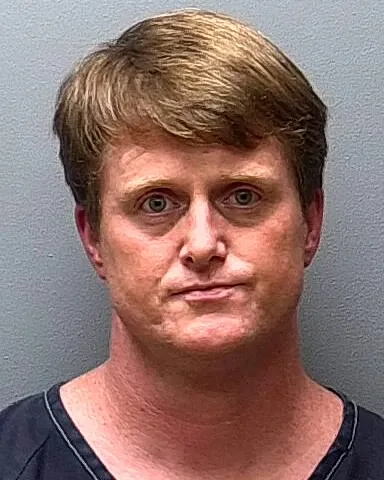
“When you are sitting in an editing bay structuring a story about a homicide, your deepest ethical obligation is to the people who lost their lives,” says Craig Chapman, one of the 15 Minutes of Murder Producers. “An interrogation tape shouldn’t just be used to build dramatic suspense or dissect a psychological profile for entertainment. The real journalistic work comes from pulling the spotlight away from the killer’s voice and placing it firmly back on the victims. True-crime media needs to spend less time magnifying the ego of the perpetrator and more time honoring the humanity, names, and legacies of the people whose stories were abruptly cut short.”

Go Deeper: Check out our Ask a PI series on our video tab or launch our YouTube Channel for deep-dive criminal defense insights from our team.