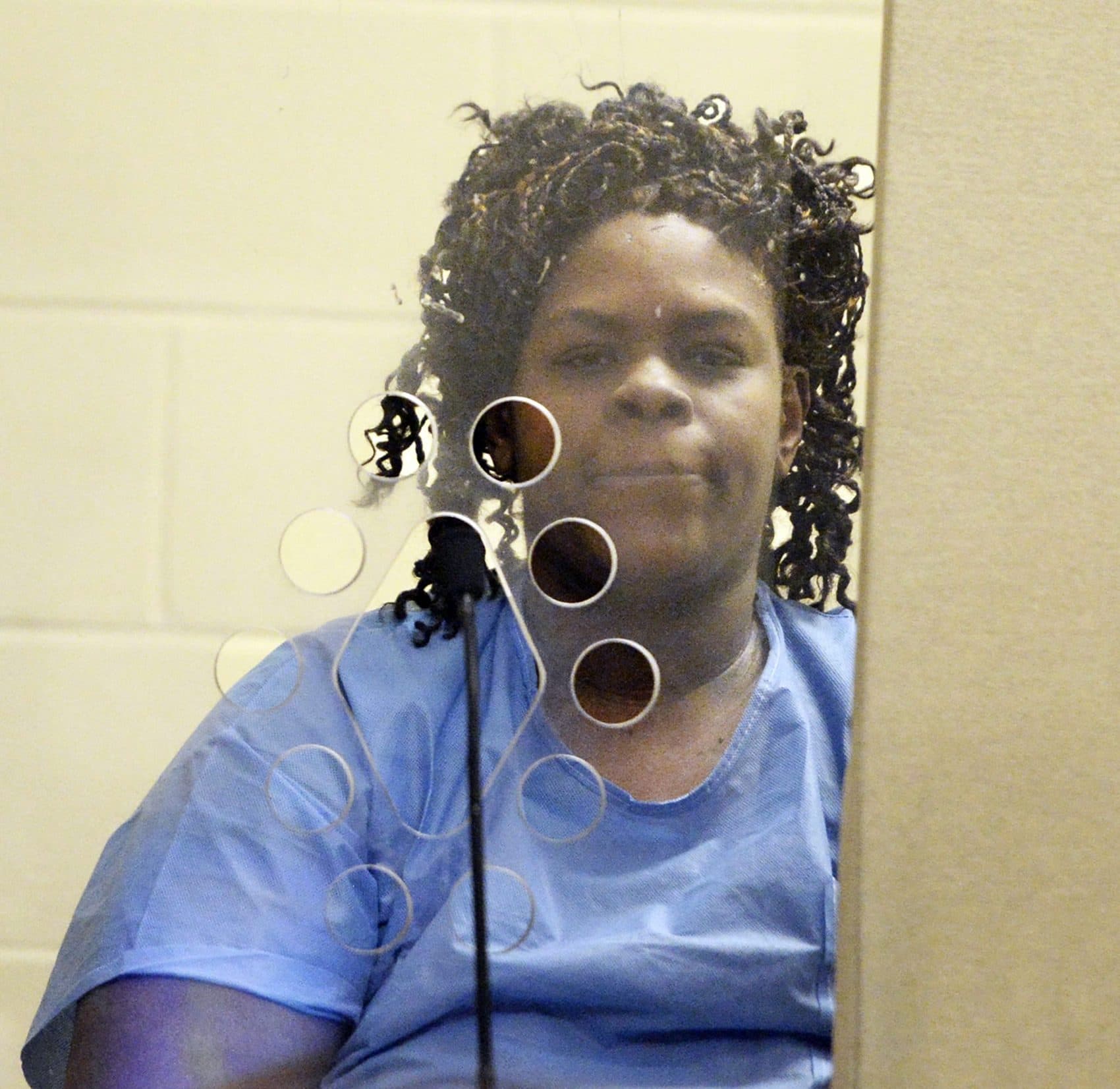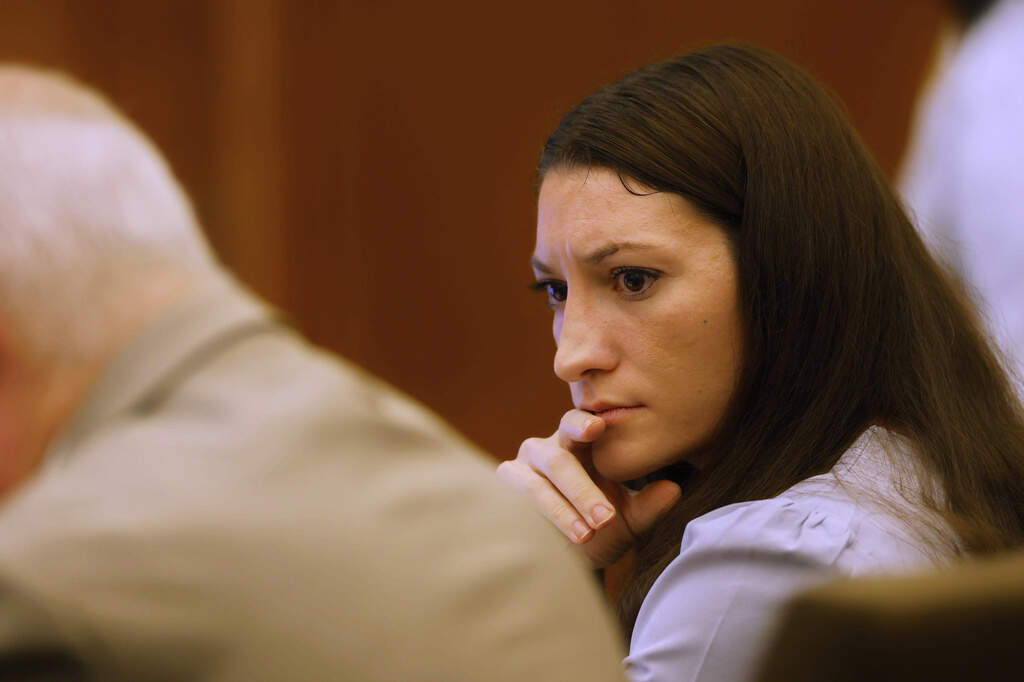
Massachusetts – The high-stakes murder trial of Lindsay Clancy in Plymouth Superior Court took an unexpected and highly unusual turn today, leaving true-crime analysts scrambling for answers. For the second day in a row, the jury was abruptly sent home early by the judge due to what was described strictly as an “unforeseen circumstance.”
- The Stalled Process: Jurors were dismissed following only an hour of active testimony.
- The Timing: The disruption occurred immediately after emotional testimony from hospital chaplain Sheila Cavanaugh regarding Clancy’s post-arrest psychiatric state.
- The Climax: This sudden hold lands as the defense nears the end of its case, with closing arguments looming for Monday.
The abrupt dismissals have sparked intense online discussion, raising serious questions about behind-the-scenes legal hurdles in one of the most closely watched insanity defense trials in modern Massachusetts history.

Behind Closed Doors at the Courthouse
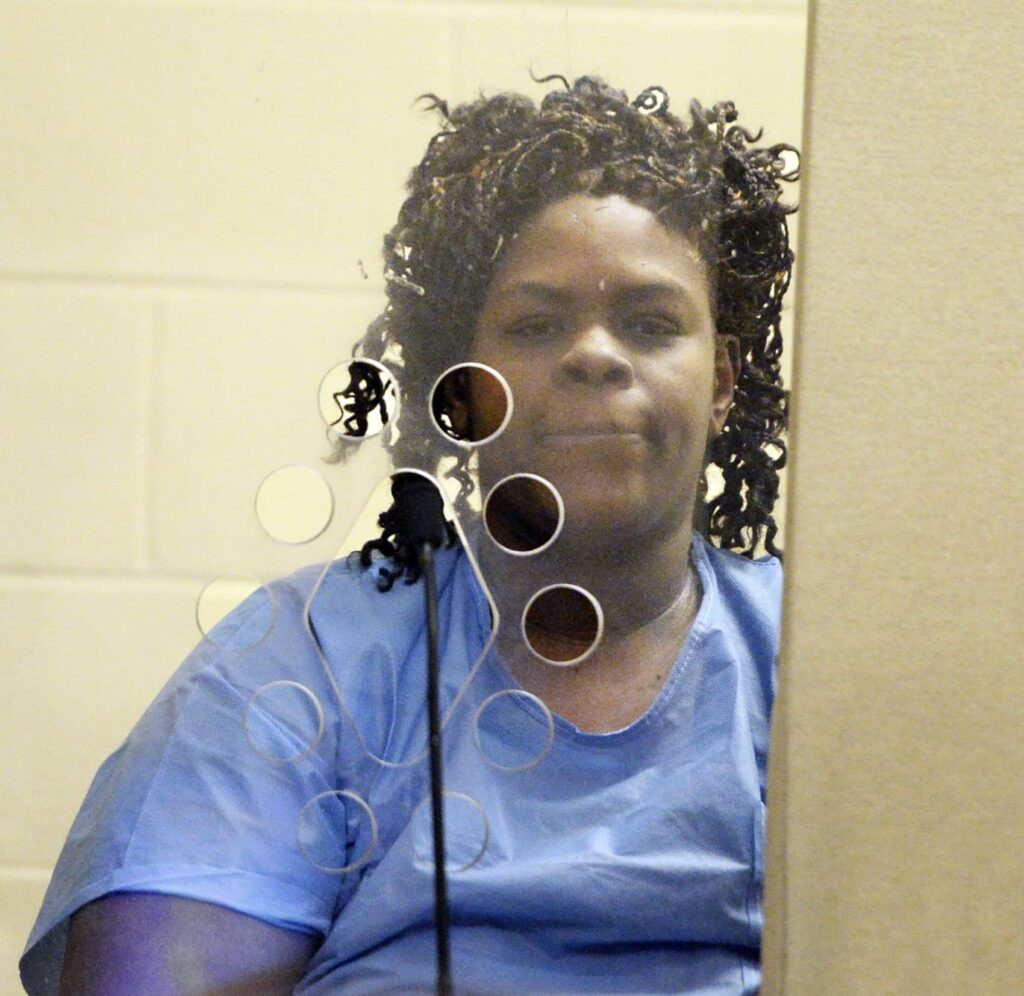
Before the sudden courtroom closure, the jury heard pivotal testimony mapping out the exact defense strategy: proving a lack of criminal responsibility due to severe postpartum psychosis. The structural tension in the courtroom is mounting. Earlier this week, the prosecution explicitly urged the jury to ignore systemic debates, stating that the trial should not be treated as a “public debate about women’s mental health.” However, this narrow approach mirrors the exact legal playbook used in the case of Latarsha Sanders. Just weeks ago, the Massachusetts Supreme Judicial Court universally overturned Sanders’ double-murder conviction precisely because the trial judge barred the jury from seeing thousands of pages of psychiatric files. The high court explicitly ruled that a jury cannot determine true criminal intent if they are forced to deliberate inside a medical vacuum.
The Disconnect of the Lived Experience
The struggle to convey the reality of a mental health emergency to a courtroom jury remains a major systemic roadblock. On a recent broadcast for 15 Minutes of Murder, true-crime expert Desiree analyzed the dangerous public minimize-and-dismiss patterns that occur during these hidden crises.“Unless you have lived that, you have no idea how real something like postpartum depression or postpartum psychosis is,” Desiree observed. “And again, you will try to reach out to your friends and family and they will give you that same ‘Oh you just need some rest,’ and you are really in the middle of a crisis! So that’s the first thing that I wanna say about that and that is from my personal experience.”As independent investigators have noted, treating an acute medical emergency as a minor inconvenience failed these families long before they ever set foot in front of a judge.
A Producer’s Ethical Blueprint
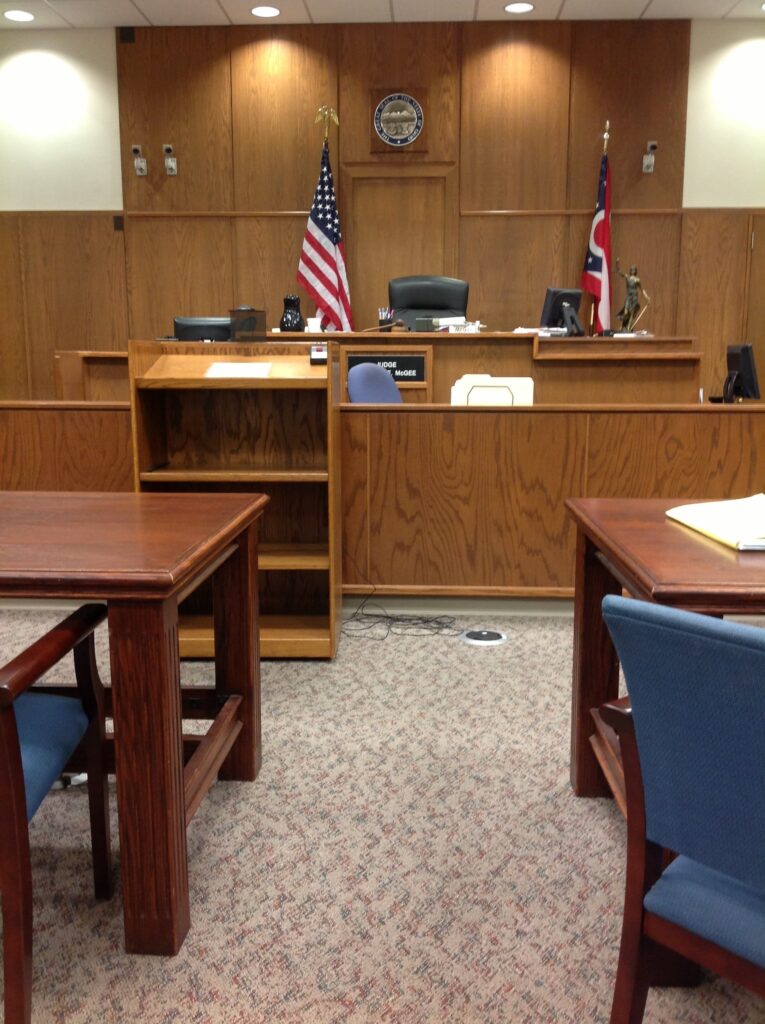
As a professional TV producer and the executive creator of 15 Minutes of Murder, I analyze these ongoing courtroom disruptions through a strict narrative lens.”When a high-profile trial starts sending juries home early over undisclosed, behind-the-scenes issues, it highlights how tightly controlled courtroom storytelling truly is,” I noted. “A legal standard shouldn’t hide behind procedural silence. Our primary ethical obligation as independent investigative creators is to keep the focus firmly on the humanity of the victims. Centering the victims means demanding absolute transparency from our courts, ensuring that the full factual, medical, and psychological truth is laid bare—not a highly curated, sanitized version built for a swift conviction. True justice requires an unblinking look at the evidence, not administrative theater.”
Go Deeper: Check out our Ask a PI series on our video tab or launch our YouTube Channel for deep-dive criminal defense insights from our team.