Tag: Texas

  • Waterway Slayings: The Urban ‘No Man’s Land’ Hiding America’s Darkest Mysteries

    Waterway Slayings: The Urban ‘No Man’s Land’ Hiding America’s Darkest Mysteries

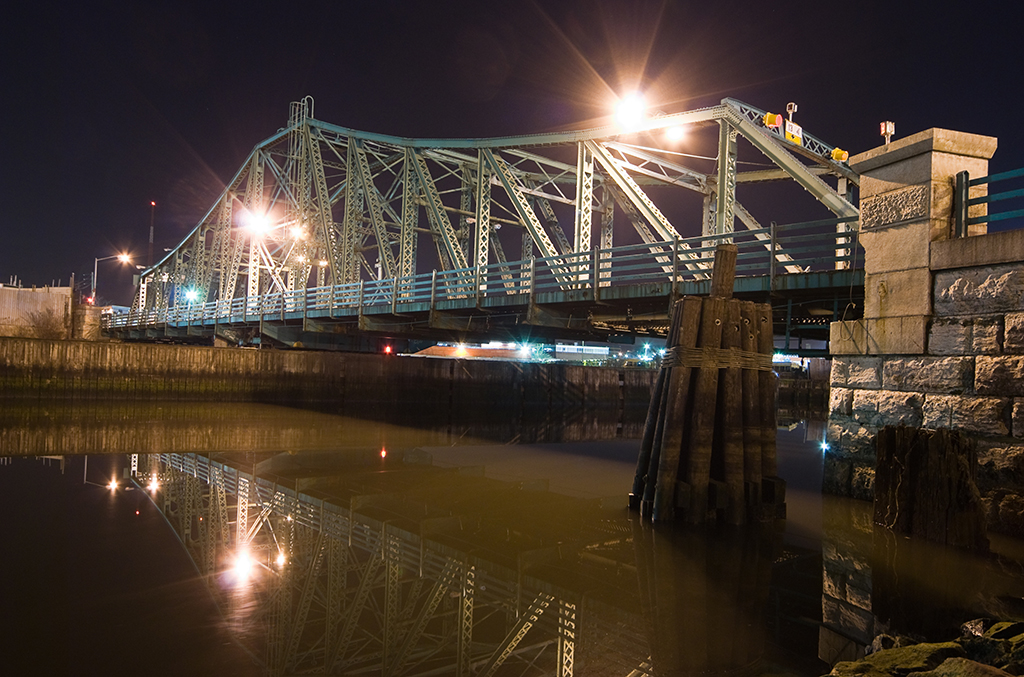
    A dark, atmospheric night view of the industrial Grand Street swing bridge crossing Newtown Creek between Brooklyn and Queens, with city lights reflecting faintly on the dark water.
    The Grand Street Bridge crossing Newtown Creek under the cover of darkness. (Photo: BridgesNYC)

    The haunting recovery of multiple bodies from urban waterways in New York and Houston has ignited intense national concern over the past few years. While law enforcement authorities push back against viral “serial killer” theories, independent investigators are focusing on the dangerous, industrial geography where nightlife hubs intersect with deep water. Cities like Houston and Brooklyn are just two of the major cities where waterways like these hide secrets beneath the surface. They represent a systemic reality: countless cities across the globe are built alongside dark waterways that offer easy concealment for crime.
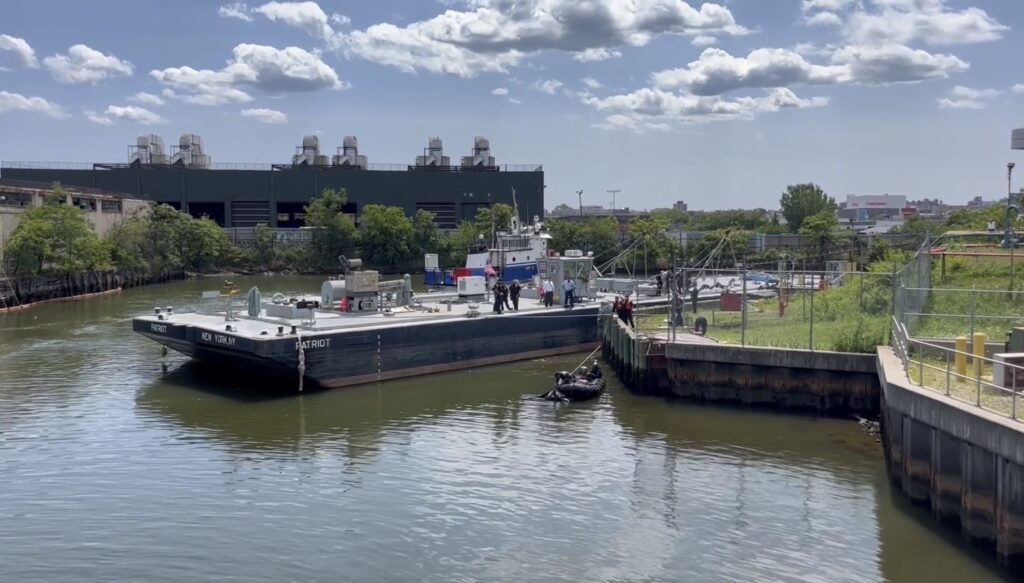

    An NYPD harbor unit boat on Newtown Creek during the day, with officers actively recovering a body from the waterway.
    NYPD Harbor Unit officers recover a body from Newtown Creek. (Photo: Video still by Gregory P. Mango)

    • Why It Matters: Water is a forensic nightmare. It systematically dilutes toxicology evidence, destroys clothing fibers, and erases DNA, making it a predator’s ultimate tool for concealing a violent crime.
    • The Newtown Creek Danger Zone: The industrial border between Brooklyn and Queens—once considered a total geographic “no man’s land”—is now home to massive music venues. Since 2023, multiple men have vanished after leaving nearby clubs, only for their bodies to be recovered from the polluted Newtown Creek.
    • The Houston Bayou Crisis: In Texas, Houston’s extensive waterway network has turned into a massive tracking file. Hundreds of bodies have been pulled from the city’s bayous over the last decade, sparking fierce public demand for municipal transparency.
    • The Institutional Denial: In both New York and Houston, city officials and police departments vehemently reject any connection between the cases, frequently attributing the drownings to substance impairment, accidental falls, or transient conditions.
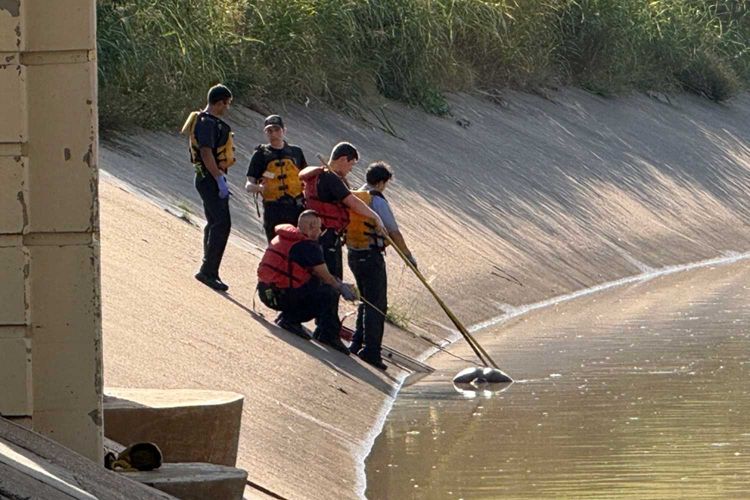
    Emergency emergency personnel, including Houston fire and police units, gather near a bike path during the day along the water at White Oak Bayou to conduct recovery operations.
    First responders search in the water at White Oak Bayou, Oct. 8, 2025.Credit : Jill Karnicki/Houston Chronicle via Getty

    A Producer’s Perspective: Turning Data into Human Reality

    “Facts and statistics are crucial, but the data doesn’t truly become real until you look at the human devastation left behind,” notes the Executive Producer Craig of 15 Minutes of Murder. “When you watch an interview with a grieving family member whose cousin was pulled from a Houston bayou, and you hear that the autopsy was ruled ‘undetermined,’ the clinical case file shatters. You realize that beneath the paperwork is a family left in absolute torment, deeply suspecting foul play while the system closes the book.”

    The producer’s own history living in New York provides a chilling context to the environmental vulnerabilities of modern nightlife:

    “I remember distinctly the feeling of leaving a warehouse venue out near Newtown Creek at 3:00 AM in the dead of winter. It was an absolute no-man’s land—remote, freezing cold, snow on the ground,and completely quiet. If you screamed, no one would ever hear you. There was nothing open, no traffic, and the walk to the nearest subway line felt miles away. I used to be terrified of the Gowanus Canal, but at least that area has built up over time; there is life around you 24/7, even if it’s just a corner bodega. But these active industrial waterways adjacent to nightlife districts are a completely different level of isolation, and it is an environment easily exploited by a predator.”


    A stark night view of a completely empty, industrial street leading toward the Newtown Creek wastewater facility, where massive, egg-shaped metallic structures glow with light against the dark sky.
    Silent night in the industrial sector of Newtown Creek. (Photo: Courtesy of the Roosevelt Island Historical Society)

    Share Your Thoughts: Do you believe cities have a legal obligation to install heavy fencing and surveillance cameras around industrial waterways near entertainment districts, or is this simply a matter of personal nightlife safety? Let us know in the comments below.


    Go Deeper: Check out our Ask a PI series on our video tab or launch our YouTube Channel for deep-dive criminal defense insights from our team.
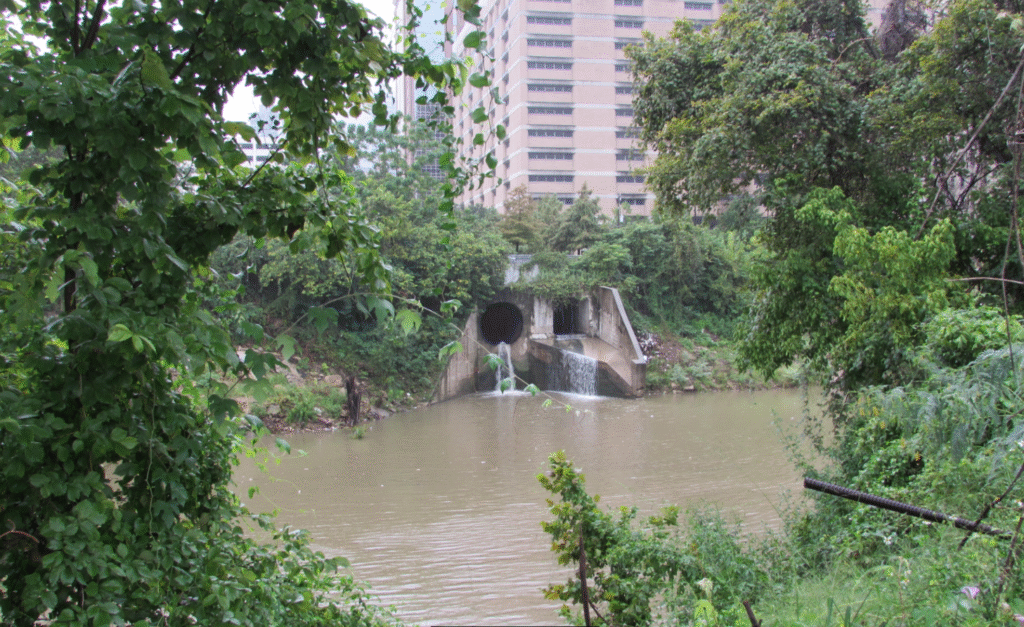

    A daytime view of a concrete storm drain outlet pouring rushing water directly into the wide, muddy channel of Buffalo Bayou with the downtown Houston urban landscape nearby.
    A downtown Houston storm drain empties into Buffalo Bayou, highlighting the direct link between the city streets and its hidden waterways.

  • Texas Killing Fields Justice: Convicted Killer Handed Maximum Sentence in Historic Highway Slayings Trial

    Texas Killing Fields Justice: Convicted Killer Handed Maximum Sentence in Historic Highway Slayings Trial

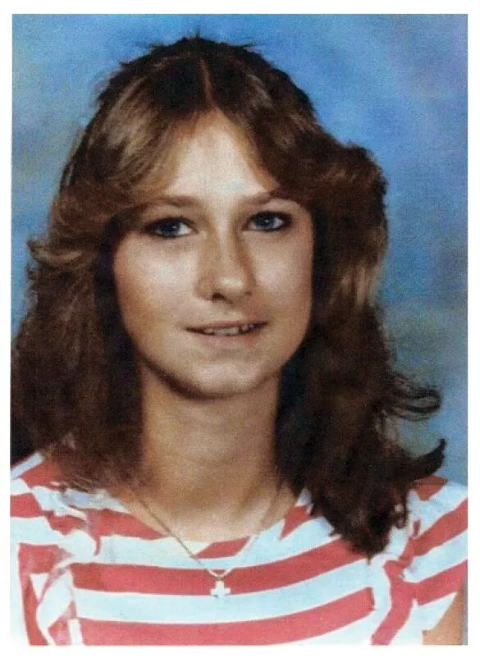
    high school photo of a young woman with brown feathered hair, a red ad white striped shirt, and blue backdrop
    Laura Lynn Miller, who was 16 when she vanished from League City, Texas, in September 1984. Her remains were discovered 17 months later in an I-45 oil field patch. A Galveston County jury delivered a maximum 20-year sentence to James Dolphs Elmore Jr. for his role in her death. Photo courtesy of Texas EquuSearch / Tim Miller.

    A rare and long-awaited moment of courtroom justice has shattered decades of silence outside Houston. A Galveston County jury deliberated for just 30 minutes today to sentence 61-year-old James Dolphs Elmore Jr.to the absolute maximum of 20 years in prison for his role in the infamous “Texas Killing Fields” mystery. 


    Old red hair man with pony tail in a black suit standing in a courtroom.
    Defendant James Dolphs Elmore Jr., 61, stands in the 122nd Judicial District Court after being handed the maximum 20-year state prison sentence for manslaughter and felony evidence tampering.

    • Why It Matters: Over 30 bodies of young women have been recovered along the Interstate 45 corridor since the 1970s, inspiring books, movies, and a hit Netflix documentary. Most cases remain cold, making today’s maximum sentence an incredibly rare victory against the highway’s dark history.
    • The Fatal Dose: The two-day trial revealed a horrific timeline. Prosecutors proved Elmore prepared a lethal dose of cocaine for his longtime friend and prime suspect, Clyde Hedrick, to administer to 16-year-old Laura Miller in 1984. Hedrick died by suicide earlier this year just before facing a capital murder grand jury. 
    • The Secret Clues: Elmore concealed Laura’s remains alongside 30-year-old victim Audrey Lee Cook. The case finally cracked after Elmore met with Laura’s father, Tim Miller, and exposed unreleased crime scene details—including a specific Western-style shirt used to cover the body. 
    • A Father’s Legacy: Frustrated by early police inaction, Tim Miller channeled his grief into founding Texas EquuSearch, a massive non-profit that has since helped locate thousands of missing persons nationwide. Miller testified emotionally today, telling the courtroom he always knew something terrible had happened to his daughter. 

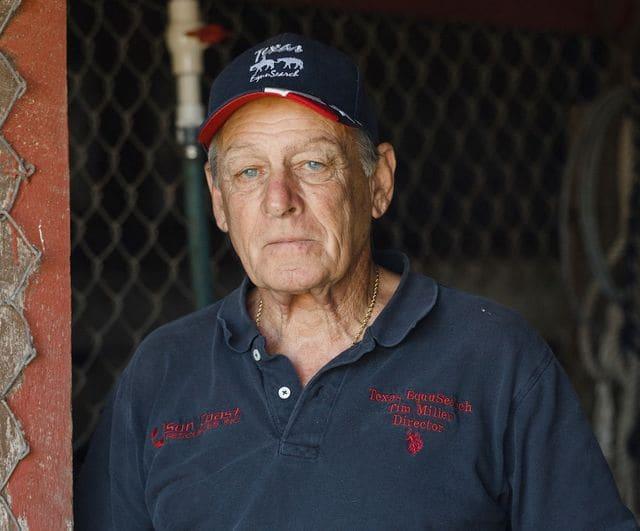
    Older man standing in a barn or stable wearing a blue polo shirt AND BASEBALL CAP
    Tim Miller, founder of the search-and-rescue non-profit Texas EquuSearch, delivers a powerful victim impact statement in a Galveston courtroom. Miller spent over 40 years seeking justice for his daughter, Laura, ultimately recording the confessions that led to a conviction. Photo courtesy of Texas EquuSearch.

    Watch Our Full Investigation: Our team has heavily tracked this complex highway network. Watch our full, in-depth studio analysis on the geographic profiling and the suspect web directly in the video player below. 15 Minutes of Murder Producer Craig Chapman says of the deep dive, “We dive deep into the recent breakthroughs in the Texas Killing Fields—discussing the Netflix documentary, the high-stakes arrests, and the suspect who took his own life. We analyze the forensic path to proving if 30+ other victims are tied to this singular cell of predators.”


    Share Your Thoughts: Does a 20-year manslaughter sentence feel like true justice for a 40-year-old serial tracking cover-up, or did the system let this suspect off too easy? Let us know your thoughts in the comments below.