Tag: True Crime Community

  • Wexford County Court: Family Testimony Reopens Cadillac Homicide Preliminary Timeline

    Wexford County Court: Family Testimony Reopens Cadillac Homicide Preliminary Timeline


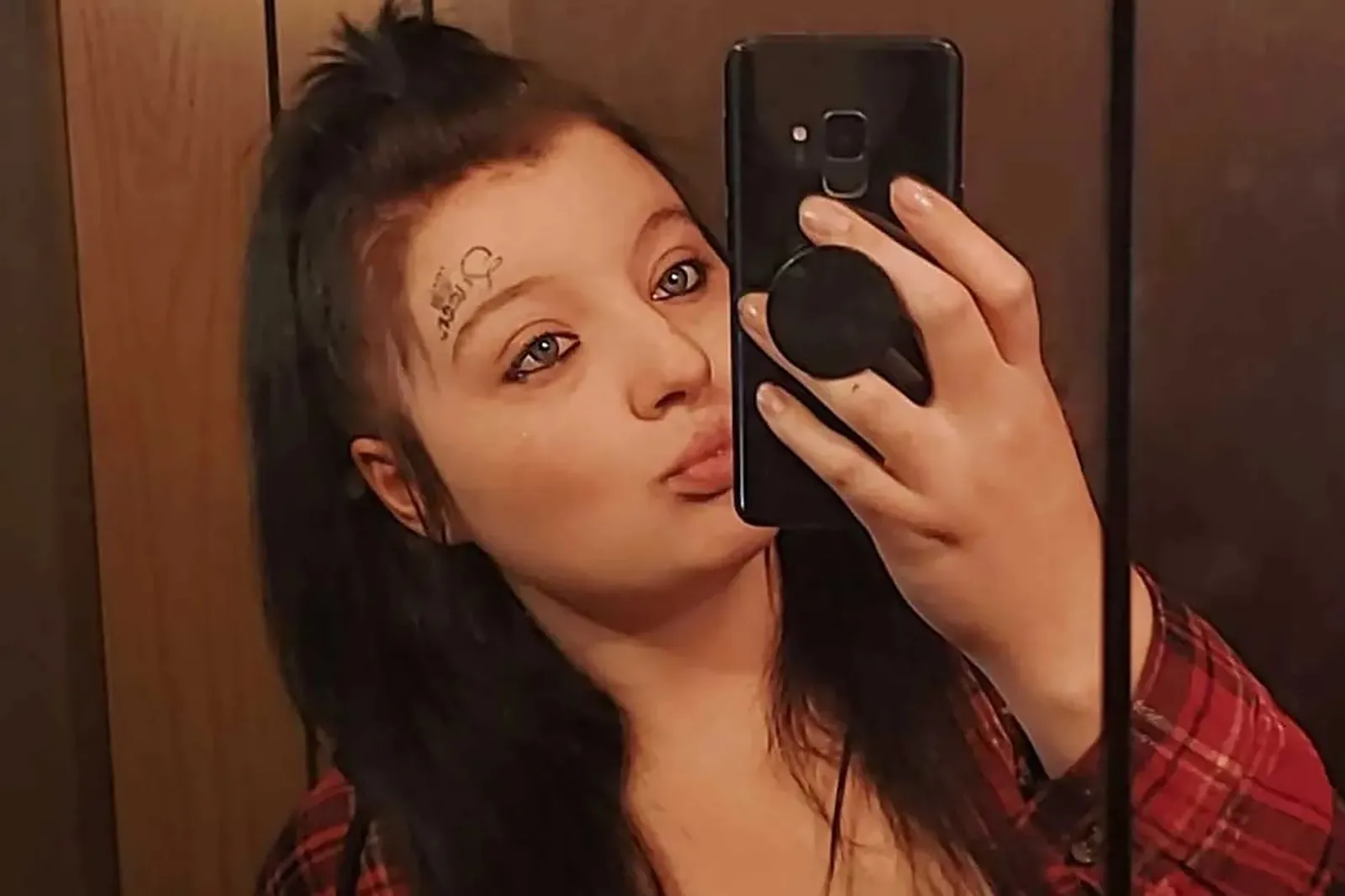
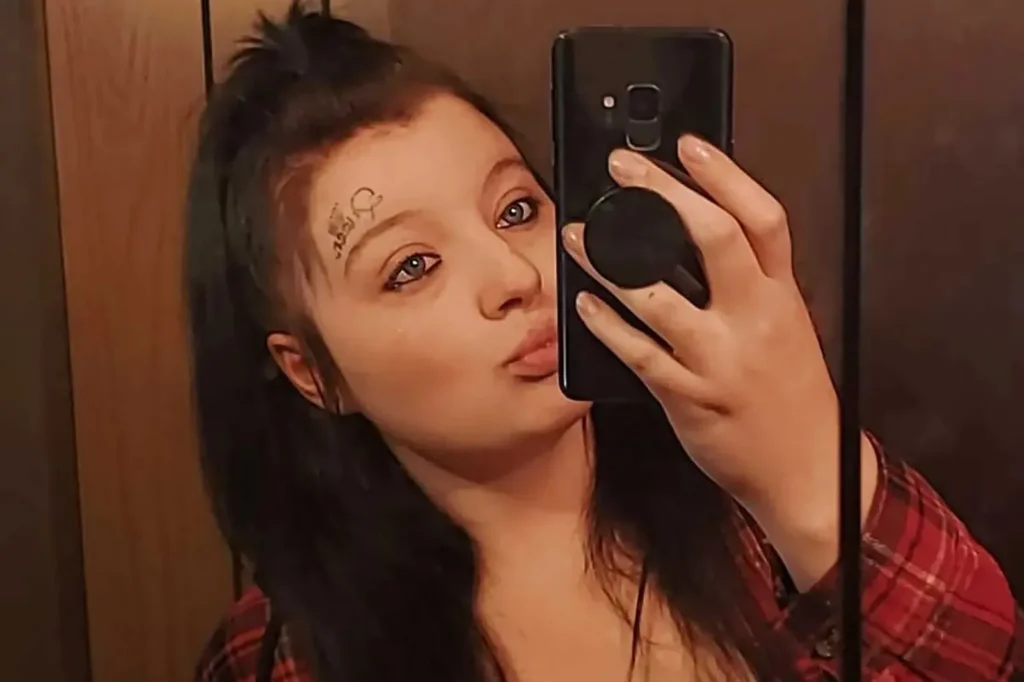
    A close-up social media selfie of 22-year-old Rebecca Park looking happy and smiling directly at the camera.
    Rebecca Park, 22, was 38 weeks pregnant when she was tragically murdered in Wexford County, Michigan. (Photo: Facebook)

    Michigan – Stunning courtroom testimonies have completely re-engineered a horrific Wexford County homicide investigation. As the preliminary examination unfolds to determine if the case will head to a full criminal trial, newly unsealed evidence has exposed a complex web of domestic betrayal surrounding the 2025 death of 22-year-old Rebecca Park. 

    • Why It Matters: Park was 38 weeks pregnant when she vanished from Cadillac, Michigan, only for her remains to be discovered weeks later in the Manistee National Forest. State prosecutors have charged her biological mother, Cortney Bartholomew, and stepfather, Bradley Bartholomew, with first-degree murder and torture, alleging they methodically cut the unborn infant from her body. 
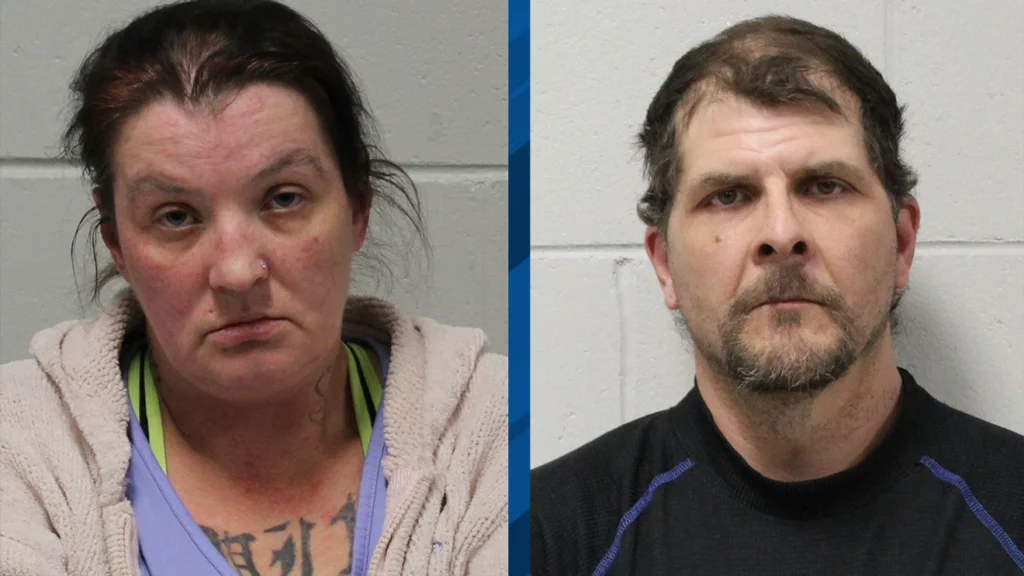
    Side-by-side booking mugshots of Cortney Bartholomew and her husband Bradly Bartholomew, both looking soberly into the camera.
    Biological mother Cortney Bartholomew and stepfather Bradly Bartholomew are charged with first-degree murder and torture. (Photos: Wexford County Jail)

    • The Fiancé’s Secret Testimony: Taking the witness stand, Park’s fiancé and the father of her unborn child, Richard Falor, dropped a massive courtroom disclosure. Falor testified under oath that he had been engaged in a hidden sexual relationship with Park’s biological mother, Cortney, which concluded just one month before he began dating Rebecca. 
    • The Sex Offender Motive: The structural timeline of the crime became clearer through police interrogation logs. Bradley Bartholomew allegedly told detectives his wife orchestrated the brutal attack because she was desperate for a child but could not adopt or conceive, largely because Bradley is a registered sex offender. 
    • The 93 Screen Texts: Despite intense objections from defense representation regarding the completeness of the digital files, the judge officially admitted 93 screenshots of text messages between Falor and the mother into the court record. The messages outline a deceptive blueprint where the mother claimed Park had willingly fled in a mystery black vehicle. 
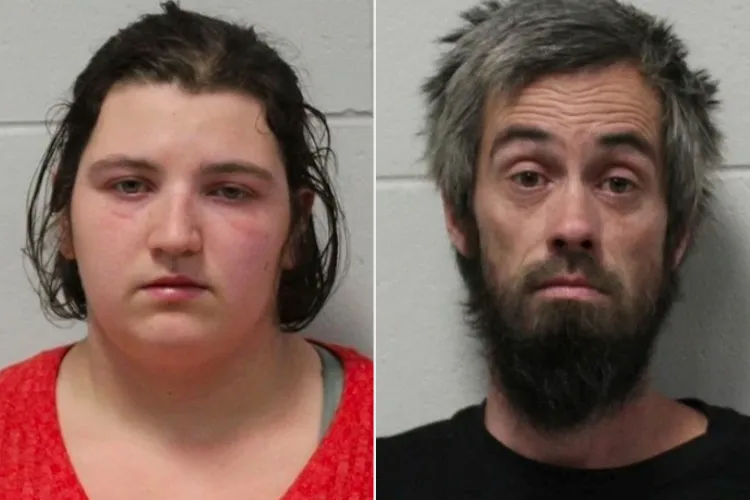
    Side-by-side police mugshots of Kimberly Park on the left and Richard Falor on the right, both facing forward against a neutral jail backdrop.
    Rebecca’s fiancé Richard Falor (right) faces unrelated drug charges, while charges against sister Kimberly Park (left) were dropped in May 2026. (Photos: Wexford County Sheriff’s Office)

    From the Desk of 15MM: Making Sense of This Whole Mess

    “When a case gets tangled up in dark family secrets, it’s easy to lose track of what actually matters,” says the Executive Producer of 15 Minutes of Murder. “At our core, we’re just a small true-crime platform trying to lay out the facts at face value without all the exaggerated mainstream fluff. The real question we keep coming back to with this Michigan timeline is simply: How did they actually catch them? It wasn’t a lucky guess by the police. The state built this entire mountain of evidence on a literal paper trail of 93 text message screenshots and digital cell phone data that completely shredded the mother’s original cover story.”

    The producer notes that keeping a close eye on these early hearings is exactly what keeps the momentum going:

    “This story originally hit a total standstill because of all the weird, shifting alibis and false leads being thrown around, but the local Michigan community flat-out refused to let Rebecca and her unborn child be forgotten. That persistence is the reason these details were finally dragged into court. Digital forensics are proving what really happened and we should make sure Rebecca and her baby are the ones being centered.”


    Share Your Thoughts: When a complex capital murder case involves conflicting stories from co-defendants and highly personal family secrets, do you believe text message screenshots provide enough baseline certainty for a judge to bind a case over for a maximum trial, or should digital evidence require strict institutional authentication? Let us know your thoughts below.
  • I-4 Corridor Mystery: Elite Forensic Hunt Ties Two ‘Sister Files’ to Long-Haul Trucker Tracker Network

    I-4 Corridor Mystery: Elite Forensic Hunt Ties Two ‘Sister Files’ to Long-Haul Trucker Tracker Network


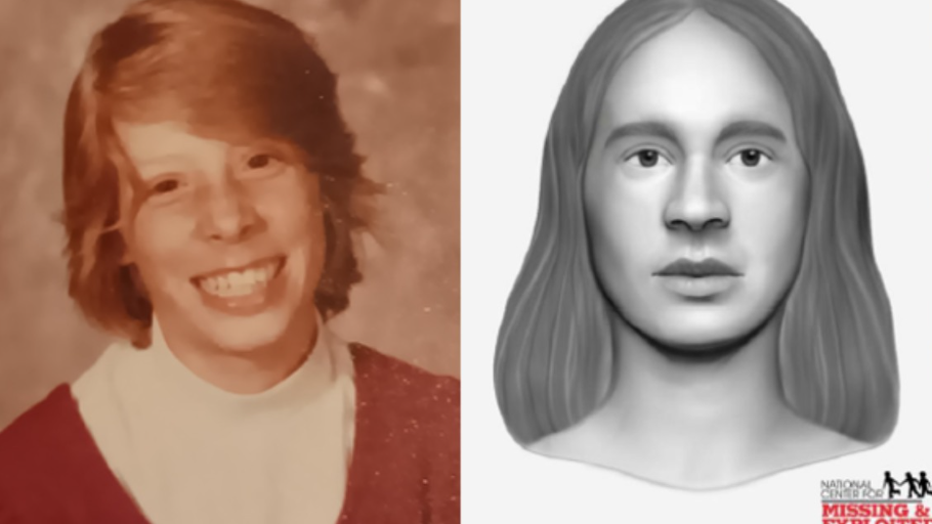
    A side-by-side comparison image. On the left is a vintage school portrait of a young Rebecca Sue Hill smiling. On the right is a forensic composite sketch depicting an age-progressed version of how she might have looked as an older adult.
    The childhood school portrait of Rebecca Sue Hill alongside an age-progressed composite sketch. Forensic artists created the image to simulate what she may have looked like in her later years before her identity was confirmed. (Photo courtesy of the Lake County Sheriff’s Office)

    A sharp strategic pivot by Central Florida cold case investigators has narrowed the hunt for an unmapped 1980s serial predator. By isolating two prominent, newly identified “sister files” out of Lake County, detectives are examining a terrifying geographic timeline that strongly suggests both victims fell prey to long-haul transit predators.


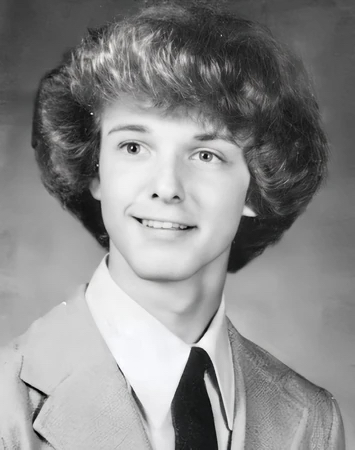
    Black and white high school yearbook portrait of a young Pamela Leigh Walton, pictured prior to her transition as a clean-shaven male youth with short, neatly combed dark hair, wearing a dark formal suit jacket and white collared shirt.
    Pamela Leigh Walton high school photo courtesy: Lake County Sheriff’s Office

    • Why It Matters: The Interstate 4 corridor network provided late-70s and 1980s predators with the ultimate weapon: total transit anonymity. Long-haul truck drivers could exploit a highway exit, dump an out-of-state victim across a county boundary, and count on fragmented paper filing systems to evade local tracking networks.
    • The ‘Judy Doe’ Breakthrough: For 40 years, the Lake County Sheriff’s Office carried only two unidentified female homicide files from the 1980s. The first cracked in January 2025 when advanced DNA profiling identified “Judy Doe” as 16-year-old Rebecca Sue Hill, a missing teenager from Arkansas whose body was left discarded in the Altoona brush off a dirt road.
    • The ‘Julie Doe’ Sister File: The second file matched the exact tracking geometry. In March 2025, forensic genealogy restored the true identity of “Julie Doe,” revealing her as 25-year-old Pamela Leigh Walton of Kentucky. Her remains were discovered dragged just 30 feet off the shoulder of County Road 474 in Clermont—a major transit connector.
    • The Out-of-State Blueprint: Neither victim had local family ties to Florida. The geographic layout of the body drops—both placed in thick, deep woods directly off major highway transit lines—perfectly mirrors the criminal signature of a commercial trucker operating a mobile crime scene.

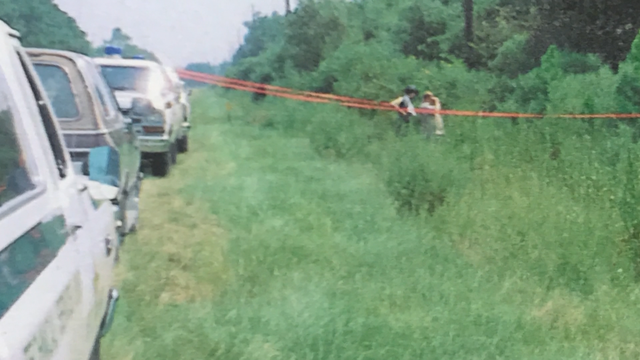
    A crime scene photograph showing a rural road bordered by thick Florida brush, pine trees, and overgrown foliage. Yellow police line tape is strung across the frame, blocking access to the wooded area off the side of the road.
    The wooded roadside in Lake County, Florida, where the remains of Pamela Leigh Walton were discovered in 1988. The isolated, rural terrain closely mirrors the area where Rebecca Sue Hill was found just a few years prior. (Photo courtesy of the Lake County Sheriff’s Office)

    A Producer’s Perspective: The Digital Dragnet Closing In

    “When you sit in a post-production studio tracing the geometry of these specific sister files, the long-haul trucking theory becomes impossible to ignore,” notes the Executive Producer of 15 Minutes of Murder. “Rebecca Sue Hill and Pamela Leigh Walton were completely lost in a jurisdictional black hole for over four decades. Predators in that era relied on the fact that local sheriff departments simply didn’t have the integrated digital networks to spot overlapping highway patterns.”

    The producer emphasizes that this dual-profile is the foundation of their upcoming series:

    “A standard police log only demands clinical metrics—but our ultimate goal is to look past the ink to give these victims their real lives back. Rebecca and Pamela were young women with futures, erased by a highway system that shielded their killers. Their files belong to a much larger, chilling pattern of at least 19 other victims who vanished or were found dead along this exact Interstate 4 network between the 1970s and 1990s. True justice requires an independent media lens to forcefully expose the broader regional psychological patterns that allowed these predators to operate in plain sight.”


    Premiere Tracking Alert: To step directly into the forensic files and the deep, haunting history of Florida’s hidden transit predators, join our team the evening of 9/13/2026 or anytime after for the highly anticipated premiere of 15MM presents: After Dark — The Corridor (Part 2), streaming on all major podcast outlets (Spotify, Apple, Amazon, iHeart Radio, and more).


    Share Your Thoughts: Do you believe transit corridors and truck stop networks require stricter surveillance infrastructure to permanently dismantle predator anonymity, or is public privacy more important? Let us know in the comments below.


  • Airbnb Tragedy: Our Team  Exposes Hidden Rental Risks After Shocking Florida Neighbor Slayings

    Airbnb Tragedy: Our Team Exposes Hidden Rental Risks After Shocking Florida Neighbor Slayings


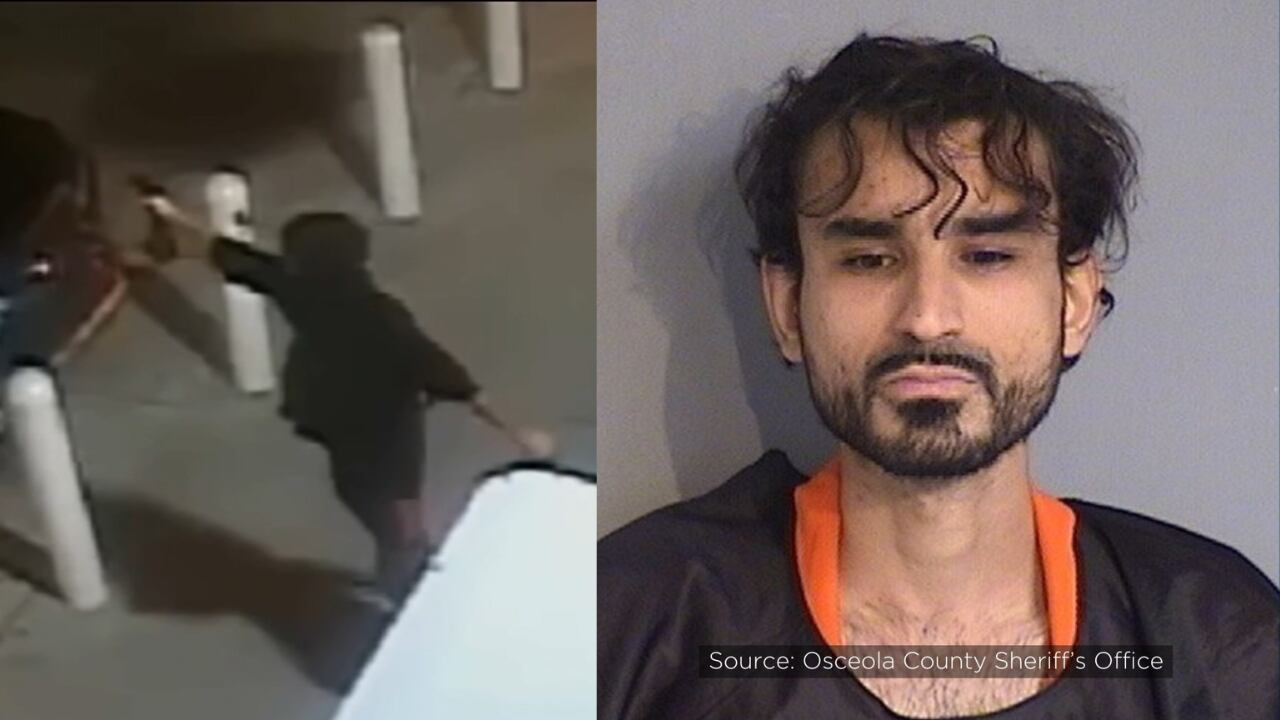
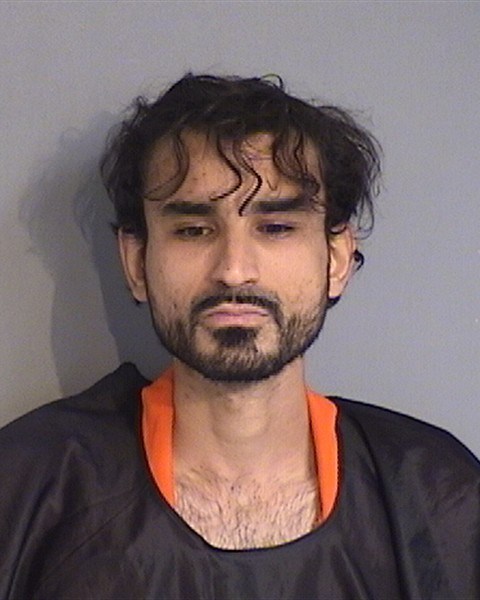
    Split-screen image showing the mugshot of suspect Ahmad Jihad Bojeh next to a security camera frame of a man pointing a firearm.
    Ahmad Jihad Bojeh (right) in a booking photo, alongside surveillance footage (left) captured moments before the fatal triple shooting. (photo Osceola County Sheriff’s Office)

    A chilling courtroom update out of Central Florida has exposed the ultimate unmonitored risk of modern vacation rentals. A judge has officially ruled Ahmad Bojeh competent to stand trial for a ruthless driveway triple homicide—reigniting a national true crime conversation about the dangerous security gaps travelers face when renting residential spaces.


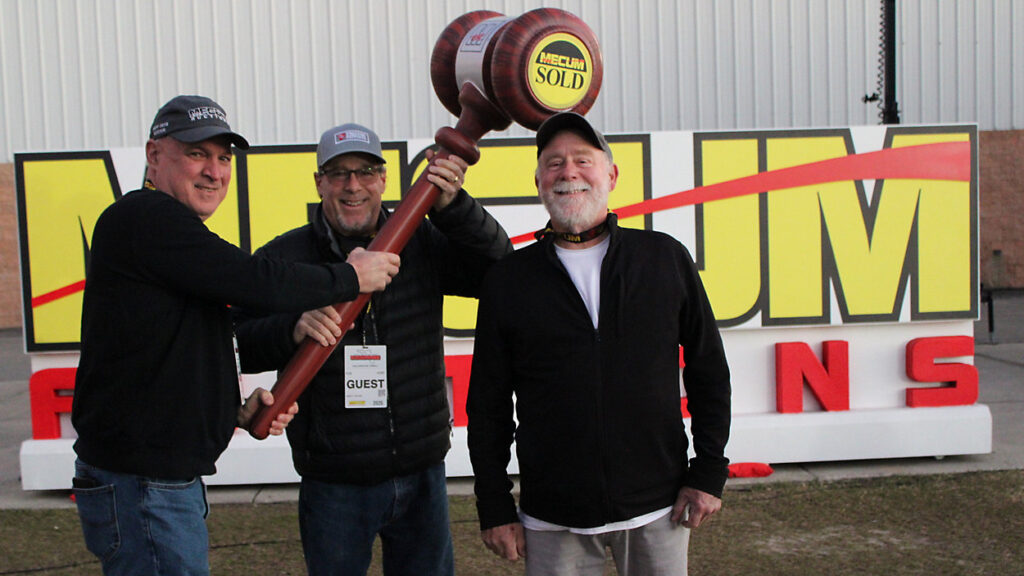
    Three smiling men posing together outdoors while holding a giant wooden novelty courtroom mallet.
    From left: James Puchan, Douglas Kraft, and Robert Kraft smiling together while holding a novelty oversized courtroom gavel. (Photo courtesy of Kraft and Puchan families via the Osceola County Sheriff’s Office)

    • Why It Matters: When travelers book a short-term rental, they meticulously check reviews and interior photos. But court records confirm the terrifying reality of the modern sharing economy: travelers have absolutely no background data on the mental stability or violent history of the neighbors living just feet away.
    • The Driveway Ambush: In early 2026, three out-of-state tourists—James Puchan, Douglas Kraft, and Robert Kraft—rented a quiet Kissimmee property for the Mecum Car Show. When their vehicle experienced a mechanical failure on the driveway, Bojeh allegedly launched an unprovoked, sniper-style ambush, executing all three men out in the open.
    • The Worst Neighbors Ever: Investigative files revealed Bojeh had a severe history of psychological instability and was previously found not guilty by reason of insanity for a separate regional shooting, turning the quiet vacation street into a hidden, active danger zone.

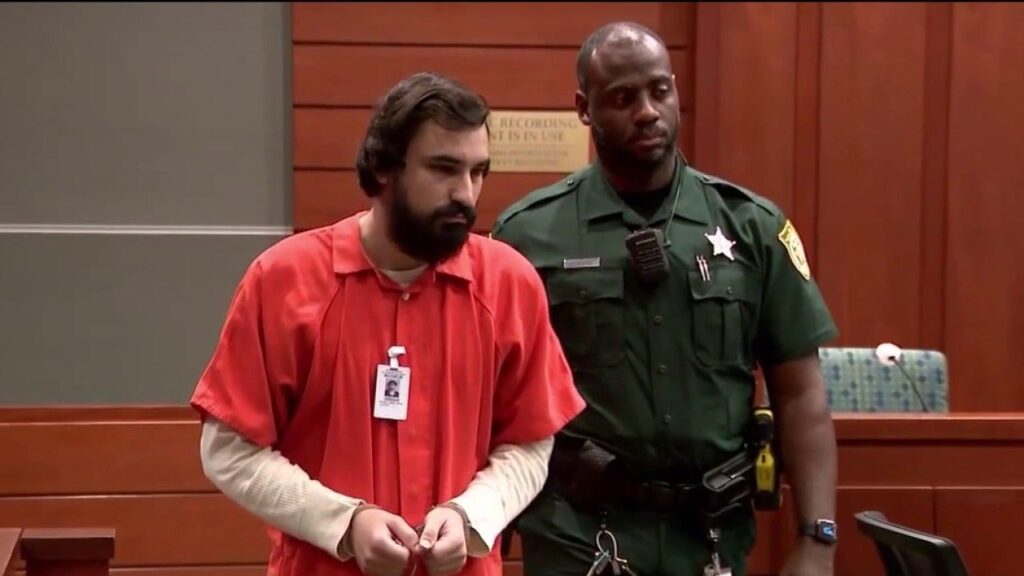
    Ahmad Jihad Bojeh stands in a Florida courtroom next to a police officer during a legal proceeding regarding his mental evaluation.
    Ahmad Jihad Bojeh appears in an Osceola County courtroom during a competency hearing, where a judge ruled him mentally fit to stand trial after experts testified he was feigning psychiatric symptoms. (Photo: Pool Image)

    A Producer’s Perspective: Shattering the Vacation Illusion

    “We recently did a deep-dive on the Netflix series on Worst Neighbor Ever, analyzing how localized domestic tension can escalate into pure violence,” notes the Executive Producer of 15 Minutes of Murder. “But when you take that exact psychological breakdown and introduce unsuspecting out-of-state tourists who are completely blind to the local neighborhood landscape, it creates an entirely different level of vulnerability.”

    The producer notes that the commercial lodging industry requires a structural shift:

    “A traditional hotel has on-site security, continuous surveillance networks, and a secured perimeter. A short-term suburban rental has none of that. You are entirely exposed to whatever chaos exists across the property line. Try to look straight past the tourist brochures to expose the psychological imbalances and mental health failures that cause these tragedies. True safety requires travelers to maintain high situational awareness, understand their geographic terrain, and realize that a vacation app cannot guarantee neighborhood security.”


    Mugshot of Ahmad Jihad Bojeh looking directly into the camera against a neutral background.
    Ahmad Jihad Bojeh in a booking photograph provided by the Osceola County Sheriff’s Office following his arrest.

    Share Your Thoughts: Do you believe vacation rental platforms should be legally mandated to provide neighborhood crime data and proximity risk alerts to guests before booking, or is neighbor behavior outside their control? Let us know in the comments below.


    Go Deeper: Check out our coverage on the Netflix documentary Worst Neighbor Ever below for a deep-dive on this topic and more.


  • How One Dynamic DNA Shift Solved a 37-Year Florida Highway Mystery

    How One Dynamic DNA Shift Solved a 37-Year Florida Highway Mystery

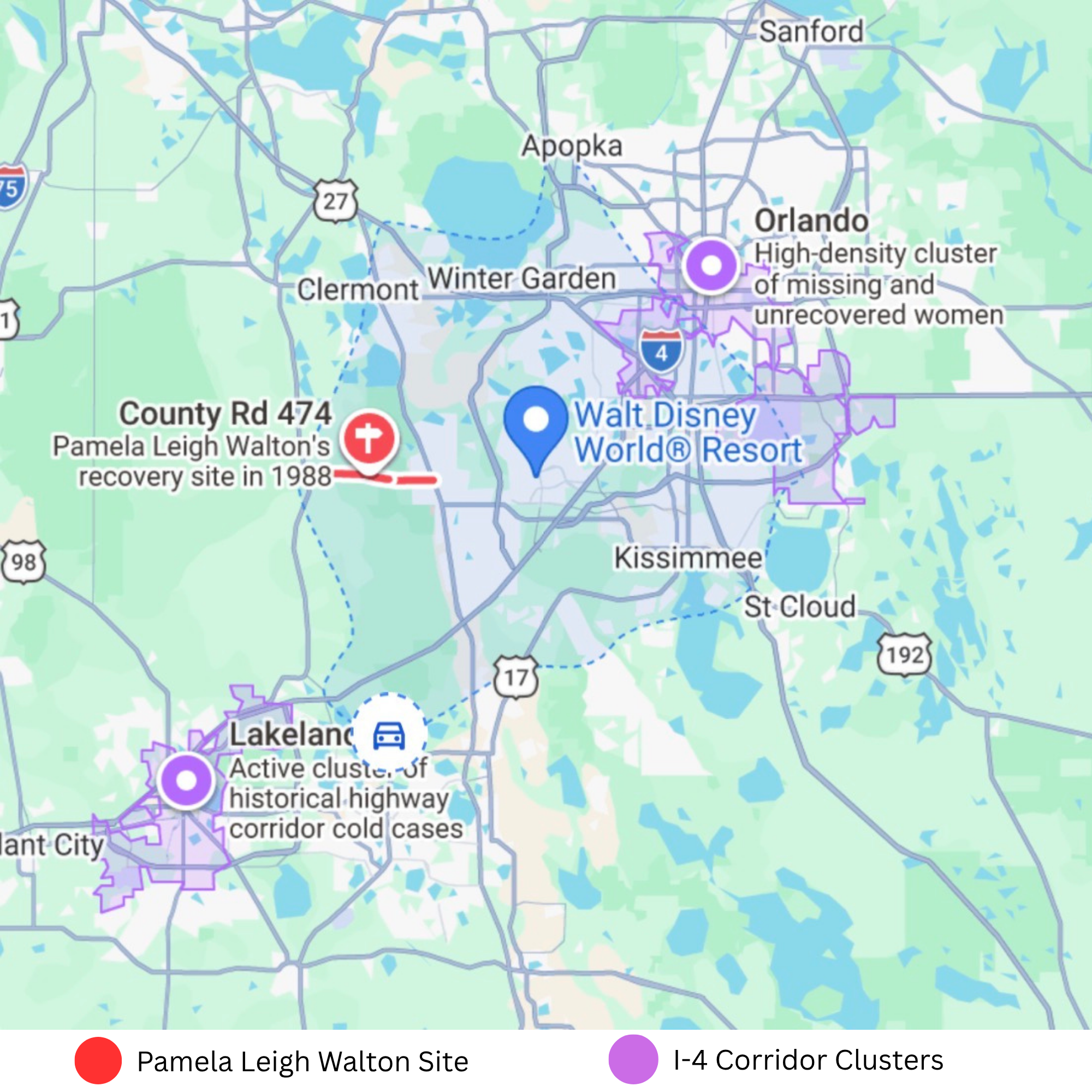
    Geographic map of Central Florida highlighting the Interstate 4 corridor, with colored markers showing the location where Pamela Leigh Walton was found in Lake County relative to known clusters of unsolved homicides and recovered bodies of women along I-4 between Tampa and Daytona Beach.
    Map via Google Maps / Data compiled by 15 Minutes of Murder

    Central Florida – Millions of travelers navigate Interstate 4 in Central Florida every single year, completely unaware of the dark investigative mysteries embedded along the shoulder. For nearly four decades, one of the corridor’s most haunting cold cases involved a homicide victim discovered in the brush off County Road 474 in Clermont, known to local detectives simply as “Julie Doe.” 

    • The Discovery: A citizen searching for firewood stumbled upon hidden human remains in September 1988. 
    • The Breakthrough: A dynamic 2025 genetic breakthrough finally restored her true identity as Pamela Leigh Walton. 
    • The Scale: Pamela’s tragic story belongs to a much larger, chilling pattern of at least 19 other women who vanished or were found dead along this exact highway network. 

    The stark contrast between the vacation destination image of the I-4 corridor and the anonymity of its forgotten victims highlights the darkness hiding in places we pass in our every day lives. 

    The 37-Year Search for Pamela Leigh Walton

    Black and white high school yearbook portrait of a young Pamela Leigh Walton, pictured prior to her transition as a clean-shaven male youth with short, neatly combed dark hair, wearing a dark formal suit jacket and white collared shirt.
    Photo: Lake County Sheriff’s Office

    When Lake County investigators initially processed the 1988 crime scene, a series of early forensic misidentifications sent the homicide case down a decades-long dead end. 

    The timeline to justice required a complete rewriting of the case files: 

    • The Biological Twist: In 2015, advanced genomic sequencing revealed “Julie Doe” was a transgender woman, completely shifting the parameters of active missing persons databases. 
    • The Podcast Connection: The critical break came when a true-crime podcast listener opted into a law enforcement data-sharing box on a consumer DNA profile. This single digital click provided genealogists with the exact matching segment needed to build her family tree.
    • The Return Home: In March 2025, her name was officially restored. Pamela’s remains have since been repatriated from Florida to her native Kentucky. 

    The Shadow of the I-4 Corridor

    While the identification of Pamela Leigh Walton marks a monumental victory for forensic genealogy, the criminal investigation into her death remains wide open. 

    More importantly, independent researchers note that her file is part of a broader, systemic highway anomaly. The I-4 corridor has long served as a high-density hunting ground for opportunistic predators—including long-haul trucker serial killers—who utilize the rapid transit lines and deep anonymity of the open road to evade local police tracking. At least 19 other families are still waiting for the exact same forensic closure that Pamela’s family received. 

    A Producer’s Ethical Blueprint

    As a professional TV producer and the executive creator of 15 Minutes of Murder, I look at these highway tracking files through a structural storytelling lens. 

    “When you sit in a post-production studio analyzing a cold case, you realize your deepest ethical obligation is to strip away the anonymity surrounding these victims,” the 15MM Producer noted. “A highway shouldn’t be allowed to erase a human life. True-crime media has a responsibility to look past the tourist brochures, center the victims, and expose the broader regional patterns that allowed these predators to operate in plain sight. True justice requires a consistent, independent look into the darkness.” 

    Giving Back Their Real Life 

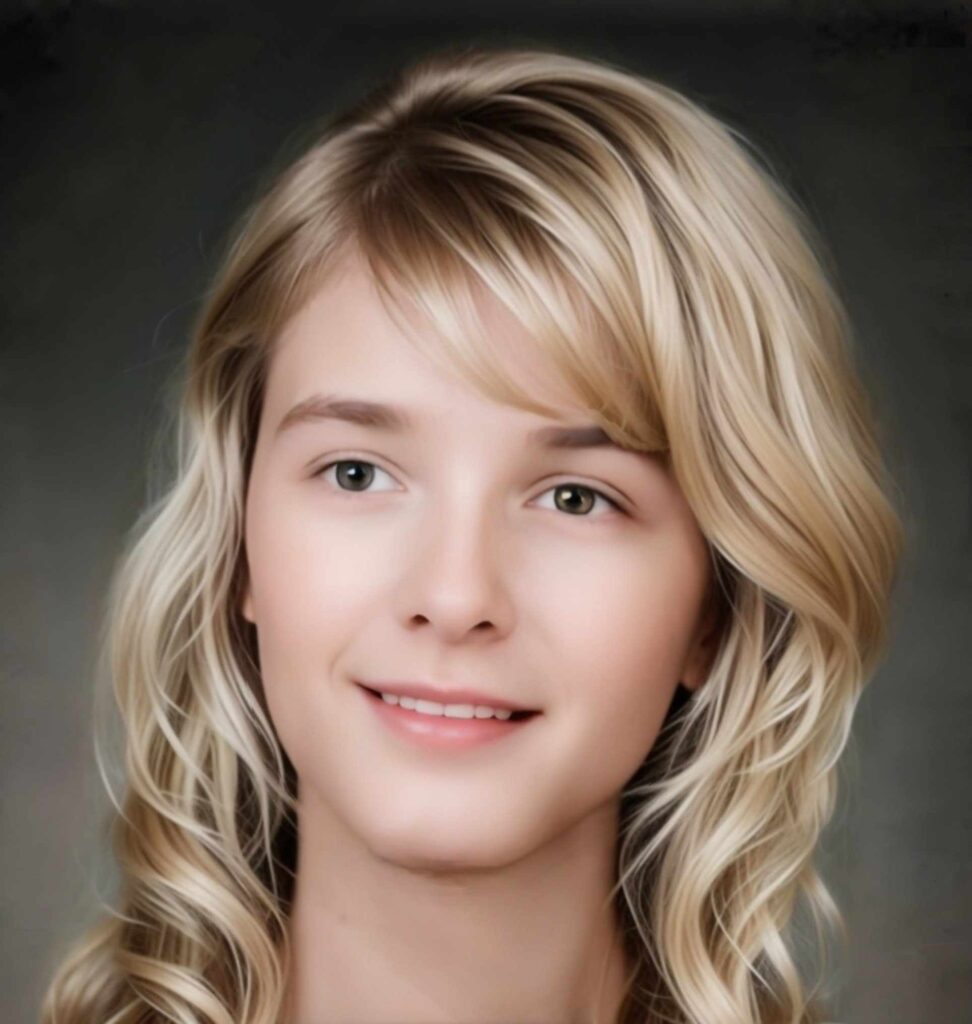
    A digital rendition showing an approximation of how Pamela Leigh Walton may have looked as a transgender woman, featuring shoulder-length styled hair, soft facial features, and subtle makeup.
    Image via pamelaleighwalton.neocities.org (AI Generated via StarryAI)

    While working on a story for 15 Minutes of Murder, our teams first goal is to give a person their real life back. The 15MM Producer notes, “A standard police case file only demands clinical numbers, biological metrics, and hard evidence. But our ultimate goal with After Dark is to look past the ink to give this person their real life back—to remember their closest friends, their favorite songs, their favorite foods, and all the normal, everyday things that truly defined them. When a tragedy like this occurs on the highway, a person gets lost in the darkness first, and then they get lost a second time when they are reduced to just an anonymous folder sitting in a cold filing cabinet.” 


    Tonight at 8:00 PM: 15 Minutes of Murder officially premieres its highly anticipated new series, 15 Minutes of Murder presents After Dark — The Corridor. Put on your headphones, turn the lights down, and join our team as we step directly into the forensic files and the deep haunting history of Florida’s I-4 corridor. Available on all official podcast channels.


    Have Information? The homicide investigation into Pamela Leigh Walton’s death remains wide open. Anyone with tips regarding her time in Central Florida or Kentucky in 1988 is urged to contact the Lake County Sheriff’s Office Cold Case Team at 352-343-9529, or via email at ColdCase@lcso.org. Anonymous tips can also be submitted through Crimeline at 800-423-8477.