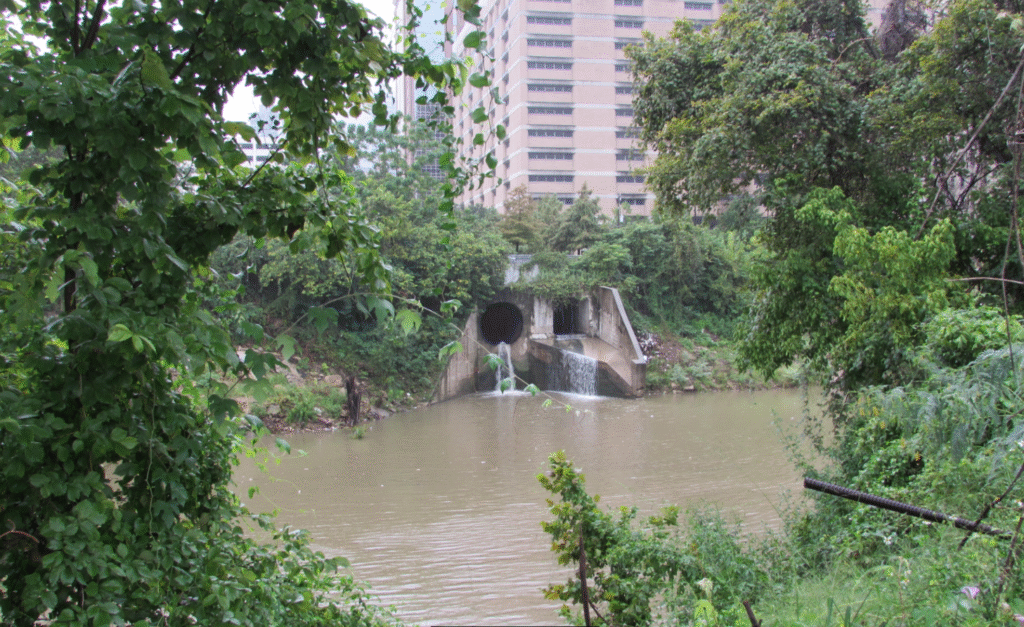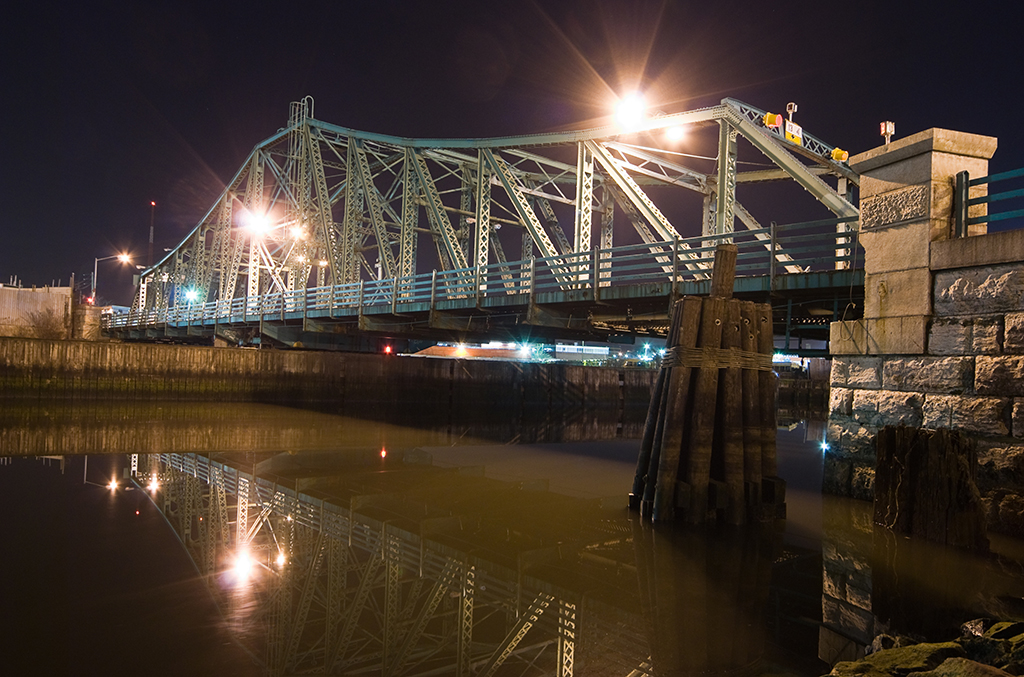
The haunting recovery of multiple bodies from urban waterways in New York and Houston has ignited intense national concern over the past few years. While law enforcement authorities push back against viral “serial killer” theories, independent investigators are focusing on the dangerous, industrial geography where nightlife hubs intersect with deep water. Cities like Houston and Brooklyn are just two of the major cities where waterways like these hide secrets beneath the surface. They represent a systemic reality: countless cities across the globe are built alongside dark waterways that offer easy concealment for crime.
- Why It Matters: Water is a forensic nightmare. It systematically dilutes toxicology evidence, destroys clothing fibers, and erases DNA, making it a predator’s ultimate tool for concealing a violent crime.
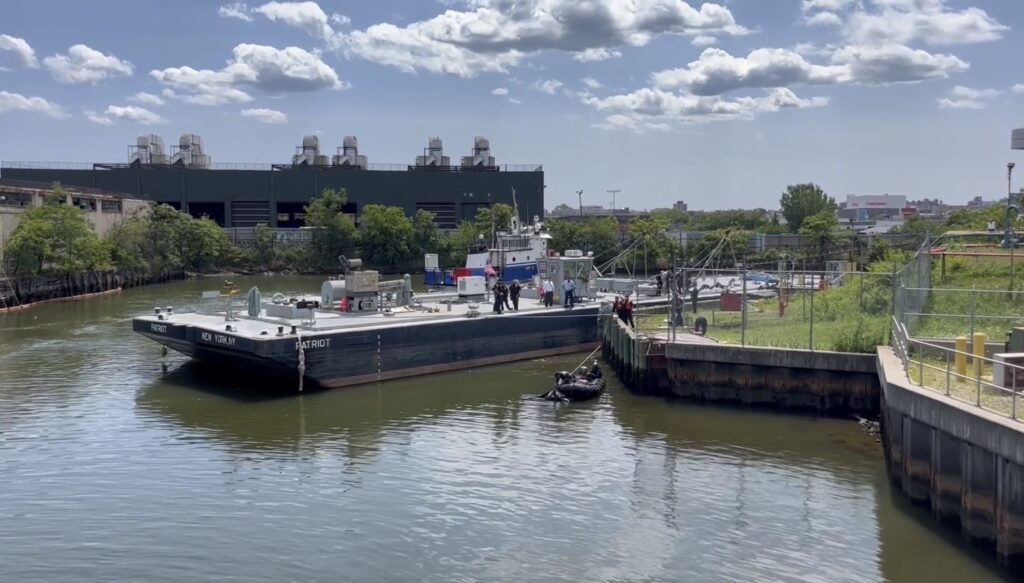
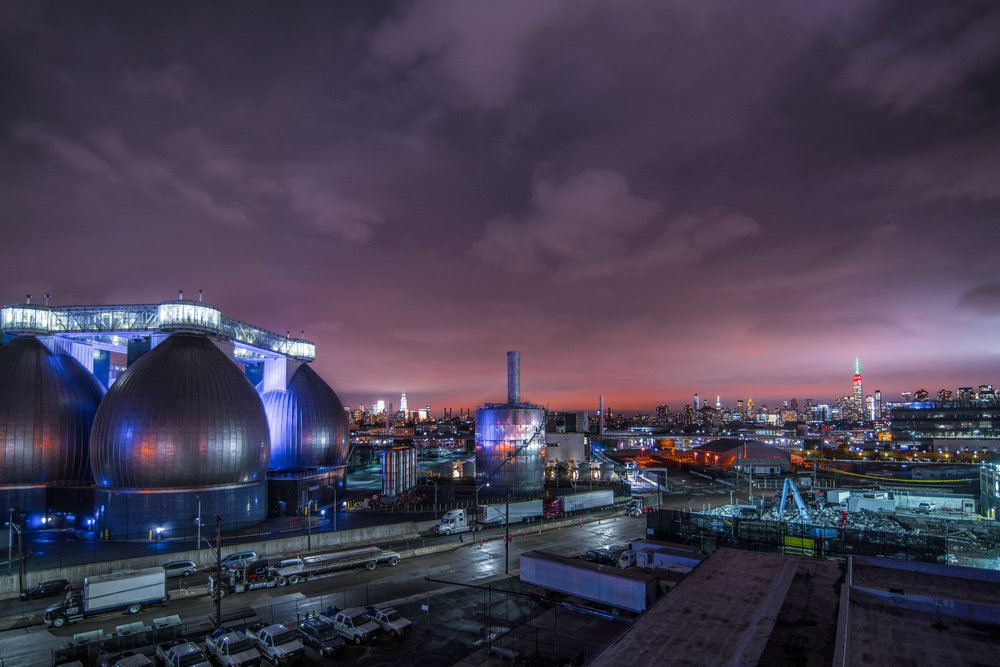
- The Newtown Creek Danger Zone: The industrial border between Brooklyn and Queens—once considered a total geographic “no man’s land”—is now home to massive music venues. Since 2023, multiple men have vanished after leaving nearby clubs, only for their bodies to be recovered from the polluted Newtown Creek.
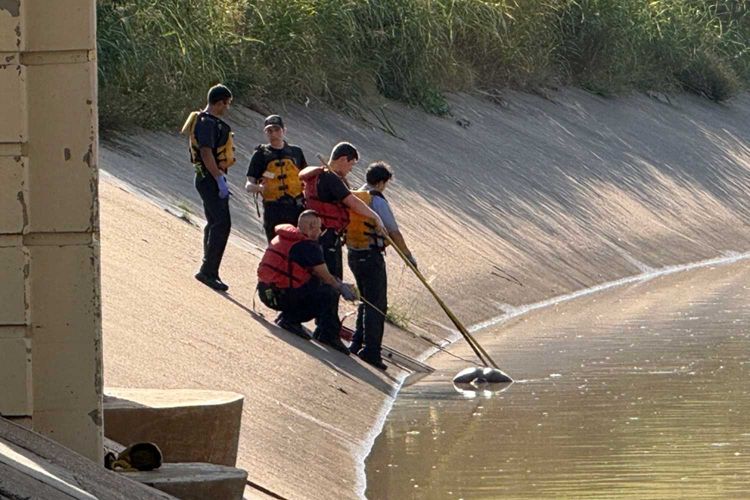
- The Houston Bayou Crisis: In Texas, Houston’s extensive waterway network has turned into a massive tracking file. Hundreds of bodies have been pulled from the city’s bayous over the last decade, sparking fierce public demand for municipal transparency.
- The Institutional Denial: In both New York and Houston, city officials and police departments vehemently reject any connection between the cases, frequently attributing the drownings to substance impairment, accidental falls, or transient conditions.
A Producer’s Perspective: Turning Data into Human Reality
“Facts and statistics are crucial, but the data doesn’t truly become real until you look at the human devastation left behind,” notes the Executive Producer Craig of 15 Minutes of Murder. “When you watch an interview with a grieving family member whose cousin was pulled from a Houston bayou, and you hear that the autopsy was ruled ‘undetermined,’ the clinical case file shatters. You realize that beneath the paperwork is a family left in absolute torment, deeply suspecting foul play while the system closes the book.”
The producer’s own history living in New York provides a chilling context to the environmental vulnerabilities of modern nightlife:
“I remember distinctly the feeling of leaving a warehouse venue out near Newtown Creek at 3:00 AM in the dead of winter. It was an absolute no-man’s land—remote, freezing cold, snow on the ground,and completely quiet. If you screamed, no one would ever hear you. There was nothing open, no traffic, and the walk to the nearest subway line felt miles away. I used to be terrified of the Gowanus Canal, but at least that area has built up over time; there is life around you 24/7, even if it’s just a corner bodega. But these active industrial waterways adjacent to nightlife districts are a completely different level of isolation, and it is an environment easily exploited by a predator.”
Share Your Thoughts: Do you believe cities have a legal obligation to install heavy fencing and surveillance cameras around industrial waterways near entertainment districts, or is this simply a matter of personal nightlife safety? Let us know in the comments below.
Go Deeper: Check out our Ask a PI series on our video tab or launch our YouTube Channel for deep-dive criminal defense insights from our team.