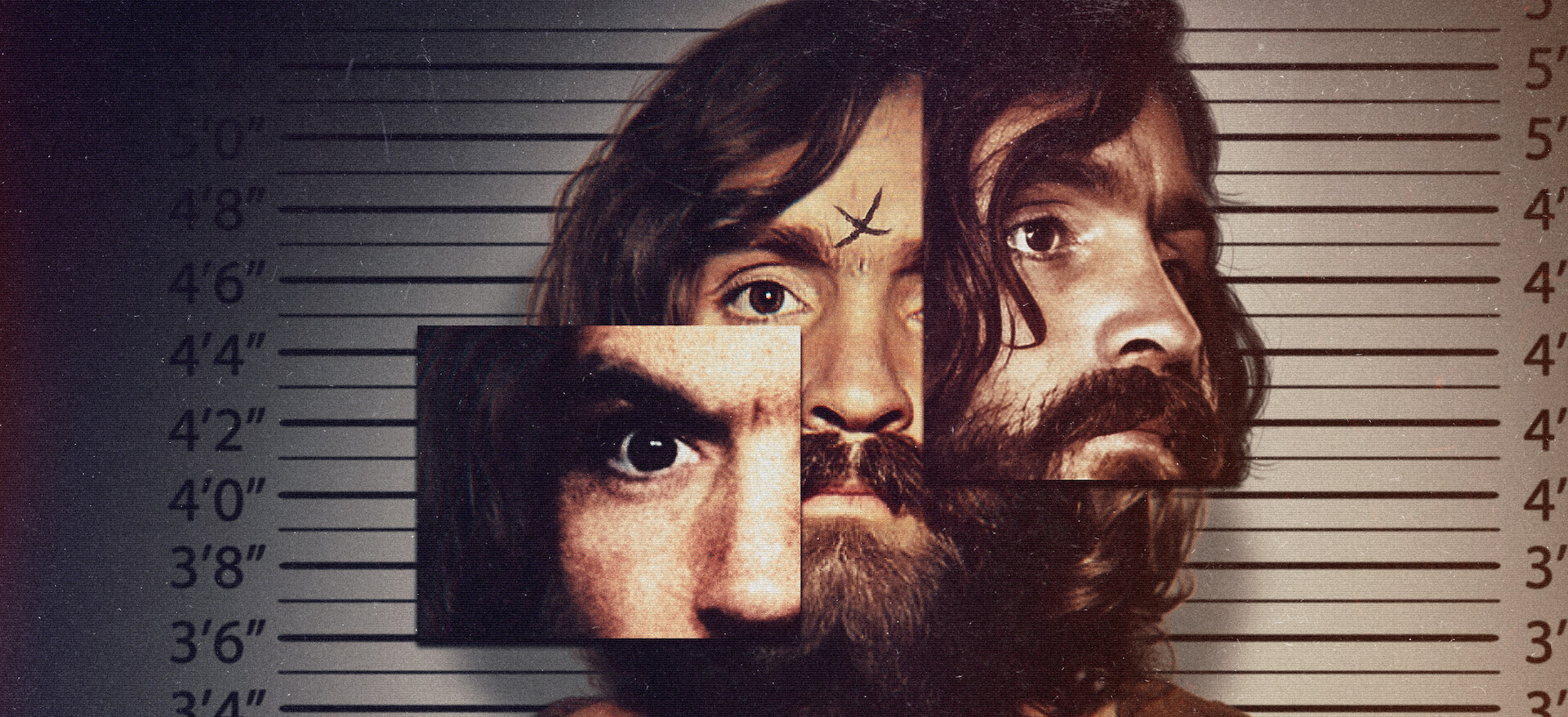
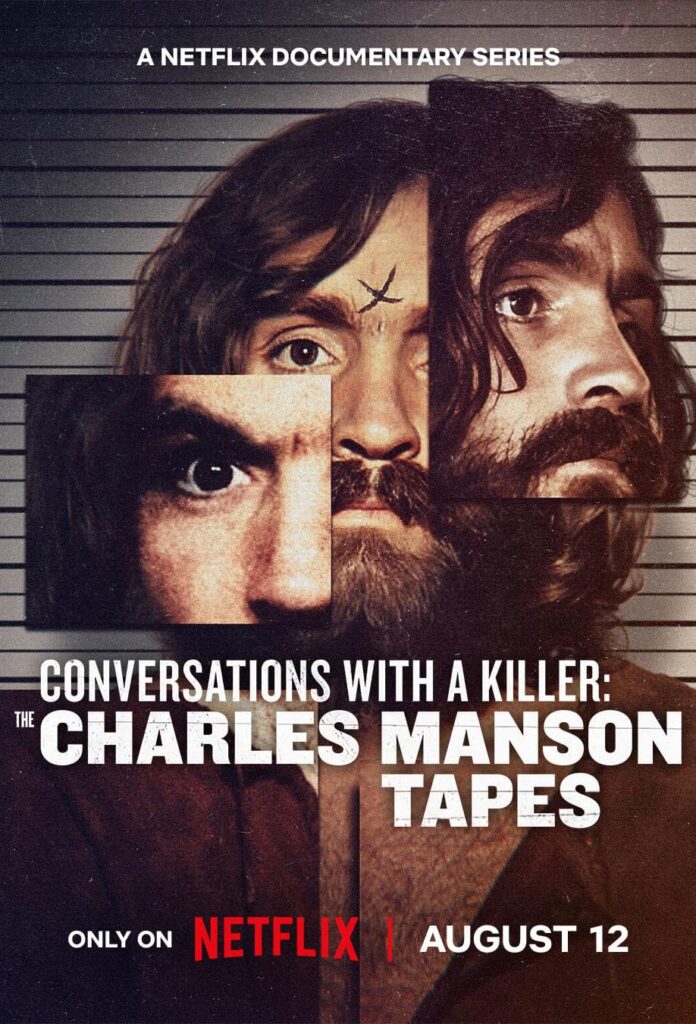
California — A new three-part true-crime docuseries on Netflix, Conversations with a Killer: The Charles Manson Tapes, is topping streaming charts this week by unearthing never-before-heard audio from inside America’s most notorious cult.
- The Backstory: Over the final nine years of his life, Charles Manson made 137 phone calls from prison to a retired detective—recordings that have remained entirely hidden from the public until now. This fifth and final chapter of Joe Berlinger’s acclaimed anthology Conversations with a Killer uses these tapes to document Manson’s psychological grip and rise to notoriety.
- The Director’s Intent: “As we bring Conversations with a Killer to a close, I wanted our final season to focus on the figure who, more than anyone else, ushered in the modern era of America’s fascination with true crime,” director and executive producer Joe Berlinger tells Netflix.
- The Problem: While Berlinger aims to study the root of our cultural obsession, the series faces immediate pushback from modern true-crime audiences demanding that media stop turning charismatic perpetrators into the “main characters” of historical tragedies.
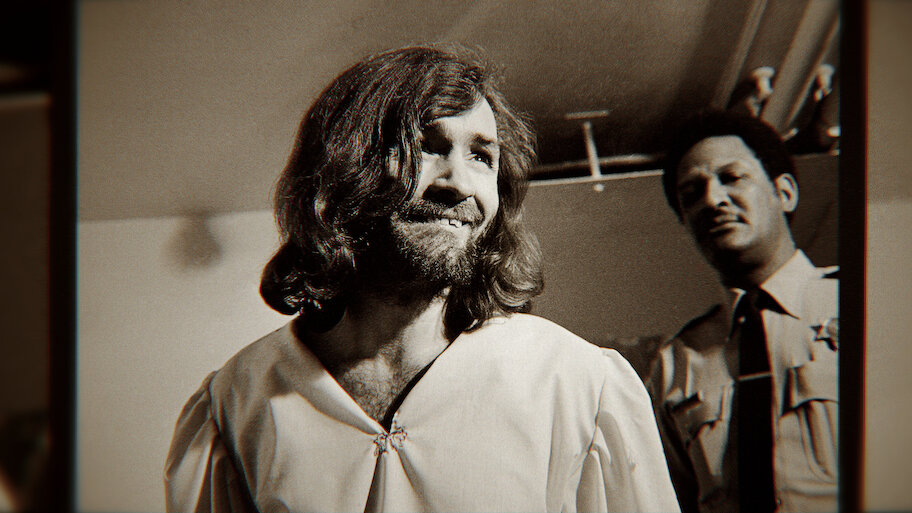
The PI Perspective: The Danger of the Glamour Lens
In analyzing how modern media handles victimization, the team at 15 Minutes of Murder notes that focusing solely on a killer’s psychology often completely erases the systemic vulnerabilities of the victims. “From day one we have striven to tell the human stories, the stories of the victims and their loved ones whose lives, loves, hopes, and dreams have ended senselessly,” says Craig Chapman, Producer of 15 Minutes of Murder.
- The Core Philosophy: When a documentary heavily relies on a killer’s own words, the narrative naturally tilts. The perpetrator becomes a dark celebrity, while the victims are reduced to mere plot points in a broader psychological puzzle.
- Understanding the Cult Victimology: Just like the vulnerable women tracked in highway serial killer cases (Amazon’s amazing series Murder 101), cult followers are often systematically stripped of their autonomy through isolation. Without a strict sociological lens, media coverage risks dismissing these dynamics, subtly blaming the victims rather than exposing the institutional failures that allowed the predator to thrive.
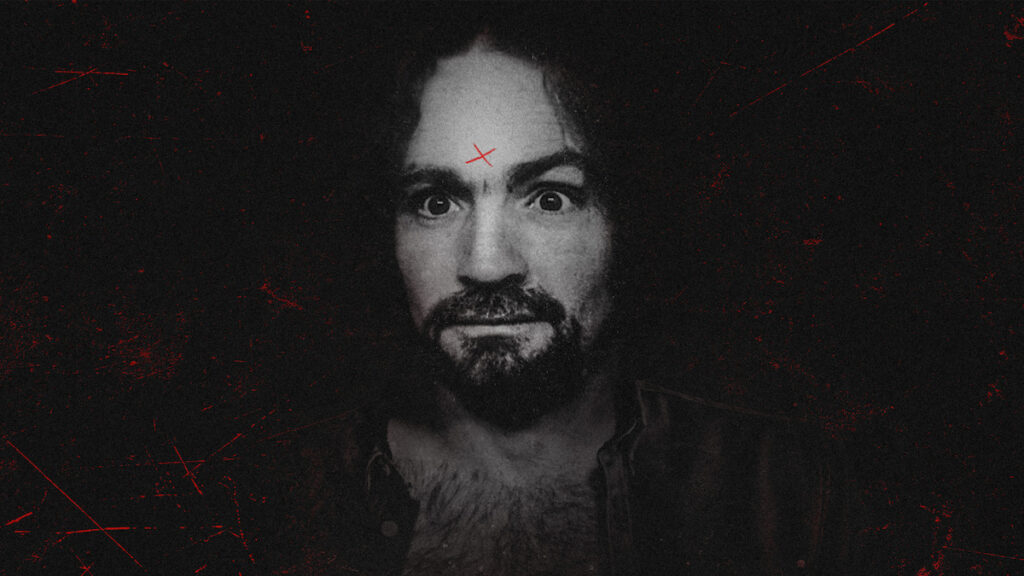
Why It Matters Now
The cultural obsession with Manson isn’t about the gore—it’s a collective attempt to decode real-world breakdowns of social boundaries. The true test for any modern documentary is whether it can navigate these dark chapters with genuine editorial distance, respecting the gravity of the lives lost while providing objective analysis for the public.
- Go Deeper: How do real investigators separate media myth from crime scene reality? We ask real experts. Check out our Ask a PI series on our video tab or launch our YouTube Channel for deep-dive criminal defense insights from our team.
Leave a Reply