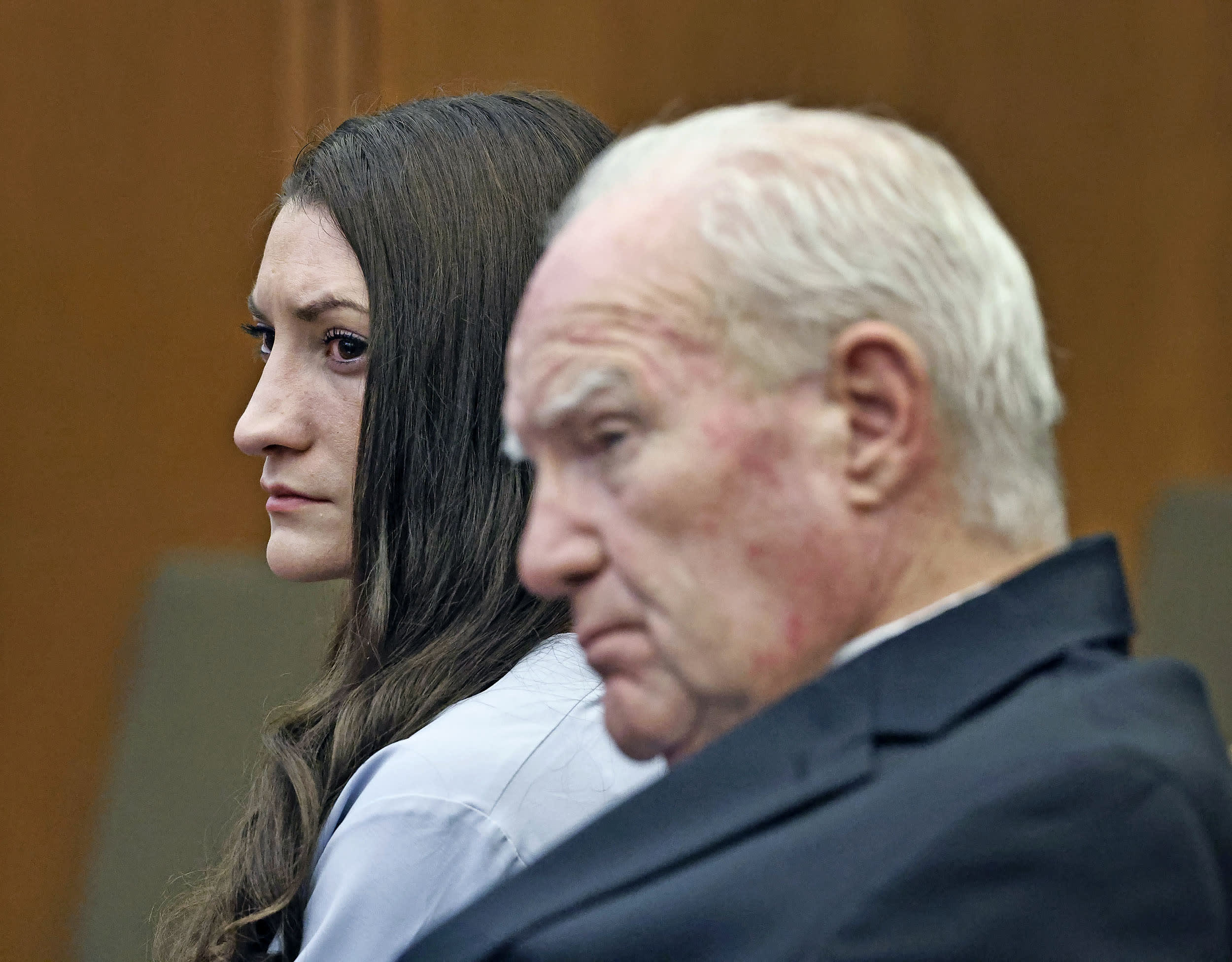
Most people assume that the mistrial in the Lindsay Clancy case simply resets the clock for a second round in court. In reality, her defense team is using the deadlocked jury as a major tactical opening. Rather than prepping for a new trial, they have gone straight to the judge, filing legal motions to get the charges dropped altogether before a second trial can even be scheduled.
Why It Matters
A mistrial does not mean prosecutors get an automatic do-over. The path forward between a hung jury and a second trial is heavily shaped by defense motions. In this window, her lawyers are aggressively pushing to have the case legally dismissed so a second trial never happens.
The Next Date on the Clock
Massachusetts authorities have not announced if they will pursue a second trial. However, a major court hearing is officially scheduled for September 29. The legal arguments filed between now and that date will dictate the entire direction of the case.
The Three Definitive Paths
Moving forward from this jury deadlock, the case is limited strictly to three outcomes:
A judge’s dismissal: The judge grants a defense motion to end the case legally based on insufficient evidence.
An immediate retrial: Prosecutors choose to pick a new jury and start over.
A negotiated resolution: Both sides agree to a plea deal to avoid another trial.
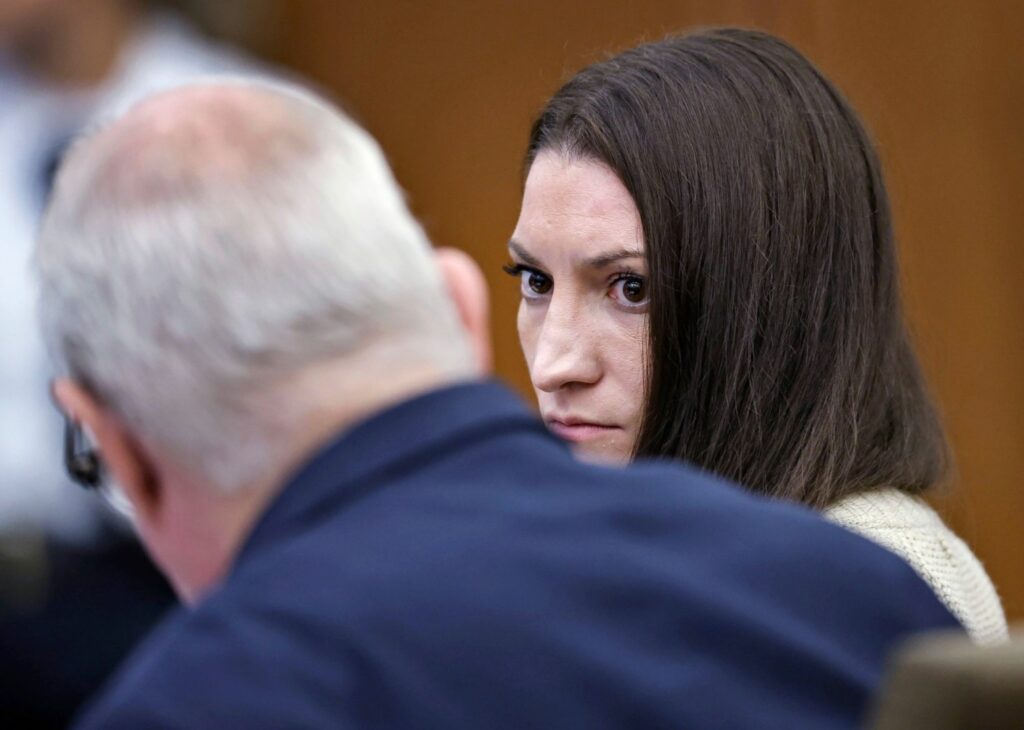
Our PI’s Investigative Take: The Endless Trial Loop
“You wanna try this lady one time, two times, three times? You wanna keep going until you finally get the verdict that you like?” notes Desiree, the licensed Private Investigator for 15 Minutes of Murder. “That is the exact, exhausting cycle that defense attorneys are essentially trying to prevent behind closed doors right now. A mistrial shatters the state’s momentum, and forcing a family through the entire emotional and financial wringer over and over again until a prosecutor gets the specific win they want eventually crosses the line into a systemic breakdown.”
A Producer’s Perspective
“Watching the chaos of a deadlocked jury from a production booth shows you just how fragile the justice system really is,” notes the Executive Producer of 15 Minutes of Murder. “People assume a mistrial resets the scoreboard to zero. In reality, a hung jury gives a sharp defense team a massive opening to strip away the prosecution’s leverage.”
Understanding this hidden legal strategy is core to the show’s mission:
- Beyond the headlines: “We frequently talk about how high-stakes cases like this intersect with severe mental health crises,” the producer says. “But true justice means looking past internet commentary to evaluate how the law actually works.”
- Why transparency matters: “Stripping away the bias means showing our audience exactly how defense motions and closed-door negotiations operate. That is how we give people total clarity before the next gavel falls on September 29th.”
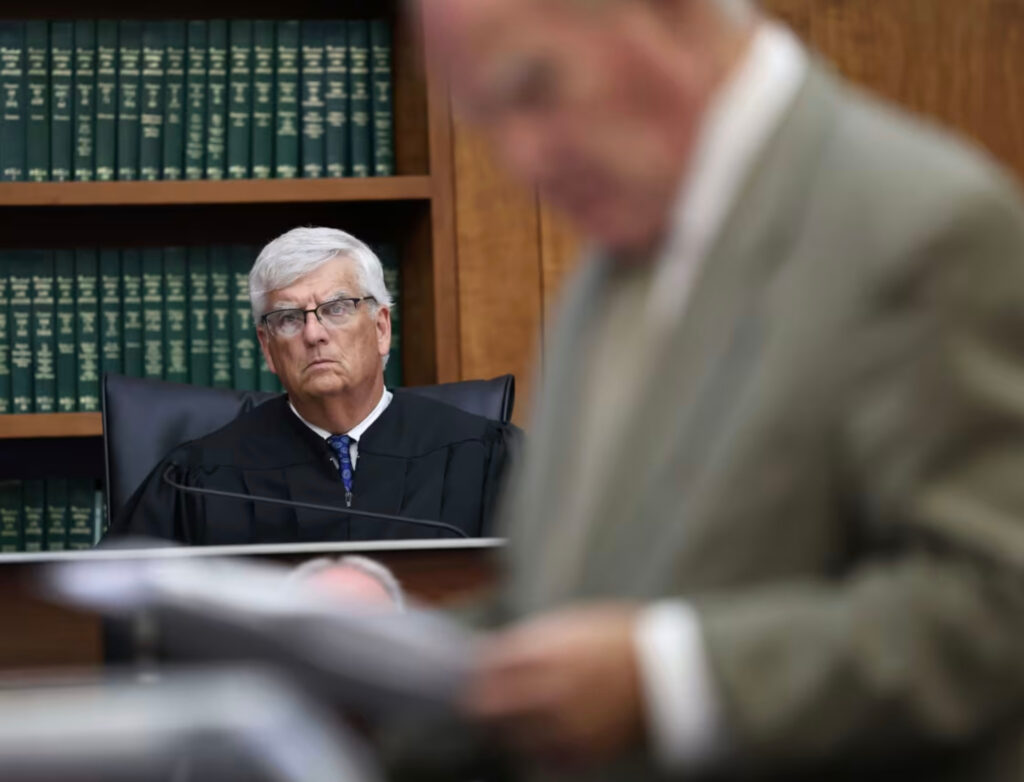
Share Your Thoughts: When a multi-week murder trial ends in an 11-1 split, do you believe prosecutors should be allowed to retry a suspect indefinitely, or should there be a strict legal limit on how many chances the state gets? Let us know your perspective in the comments below.
Go Deeper: Check out our Ask a PI series on our video tab or launch our YouTube Channel for deep-dive criminal defense insights from our team.
Leave a Reply