

A chilling reality has been forcing its way to the surface of Central Florida’s transit network. Investigative profiles reveal that the rapid expansion of major interstate corridors has inadvertently created the ultimate hunting grounds for transient predators—turning normal, everyday commuter routes into active jurisdictional black holes.
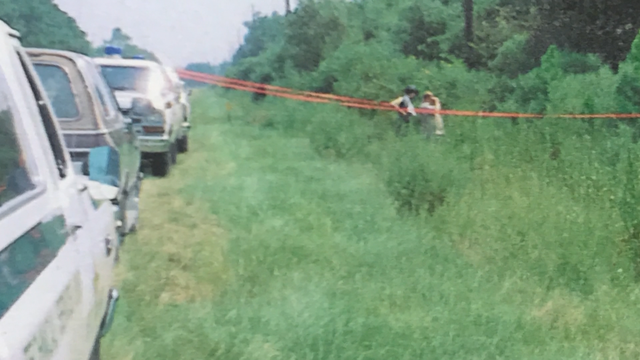
- Why It Matters: Millions of drivers navigate the Interstate 4 network day in and day out, completely blind to its dark investigative history. Between the 1970s and 1990s, at least 19 women vanished or were found dead along this exact concrete artery, baffling multi-county sheriff departments for decades.
- Hiding in Plain Sight: The terrifying nature of highway serial crime is how normal the environment feels. Predators do not require hidden underground fortresses; they utilize the public nature of truck stops, rest areas, and exit ramps to select targets and vanish in plain sight.
- The Mobility Factor: Highways and surrounding transit lines provide a transient killer with an exceptional tactical advantage: geographic detachment. A predator can operate in one jurisdiction and dump a victim across a county line within 30 minutes, counting on fragmented local paper records to prevent police from spotting the overlapping patterns.
- Tracing the Gaps: Because historic highway files frequently involve out-of-state victims who were just traveling through the region, the initial timelines are heavily fractured. When an individual disappears from a transit hub, separating their final steps from the thousands of passing vehicles is one of the steepest mountains an investigative network can climb.

A Producer’s Perspective: The Psychology of the Asphalt
“When you analyze the geometry of these historic Florida highways, you realize that the open road provides the ultimate shield for human predators,” notes the Executive Producer of 15 Minutes of Murder. “We treat these highways as a basic, everyday convenience to get to work or go on vacation. But to a calculating predator, an interstate is a high-speed pipeline of total anonymity.”
The producer notes that breaking these patterns requires a profound shift in true-crime storytelling: “A standard police log only demands clinical metrics and hard biological data—but our core philosophy with our new investigative blocks is to look past the cold ink of the folder to give these 19 forgotten women their humanity back. They weren’t just anonymous data points left on a shoulder; they were real people cut down by a system that shielded their killers. True justice requires us to look directly into that darkness, center the victims, and forcefully expose the psychological profiling and regional warning signs before history is allowed to repeat itself.”
Go Deeper: For an in-depth, atmospheric exploration into the hidden forensic history, regional profiling, and cold case tracking files of the Interstate 4 corridor network, review the full studio analysis in the player below.
Share Your Thoughts: Do you feel that modern interstate transit routes require tighter digital security infrastructures like mandatory automated license plate readers at every exit, or does that infringe too much on public privacy? Let us know your perspective in the comments below.
Leave a Reply