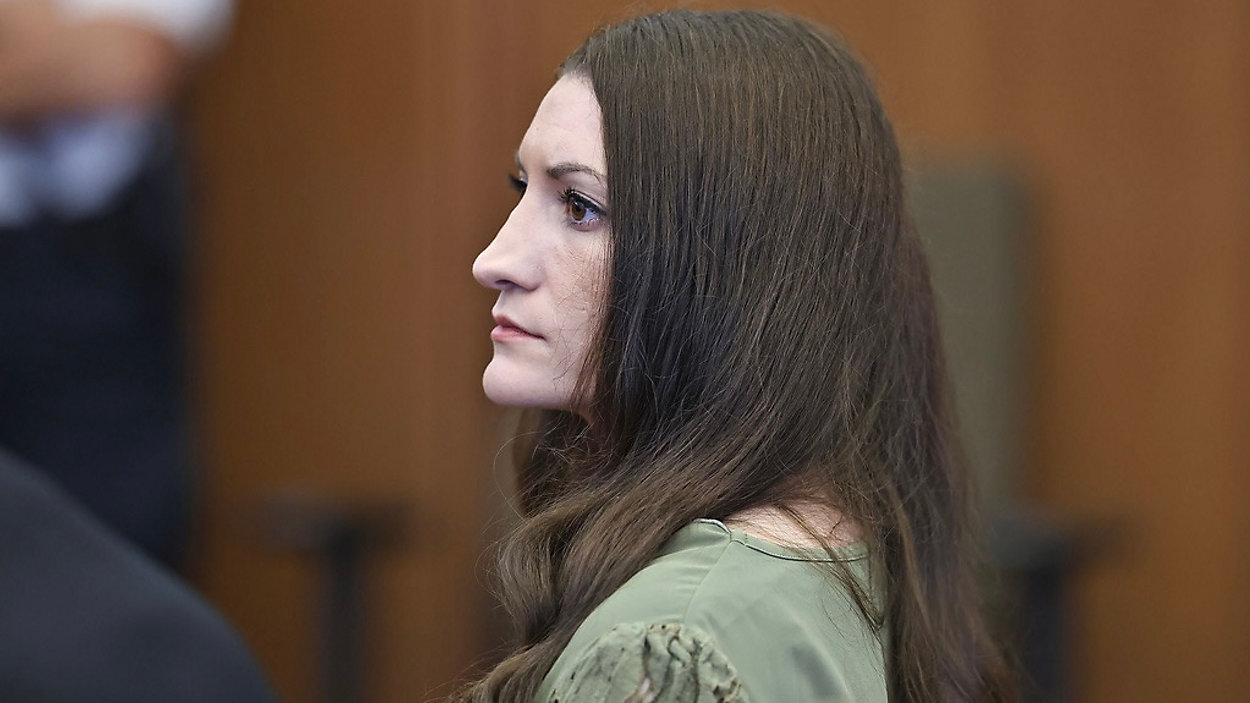
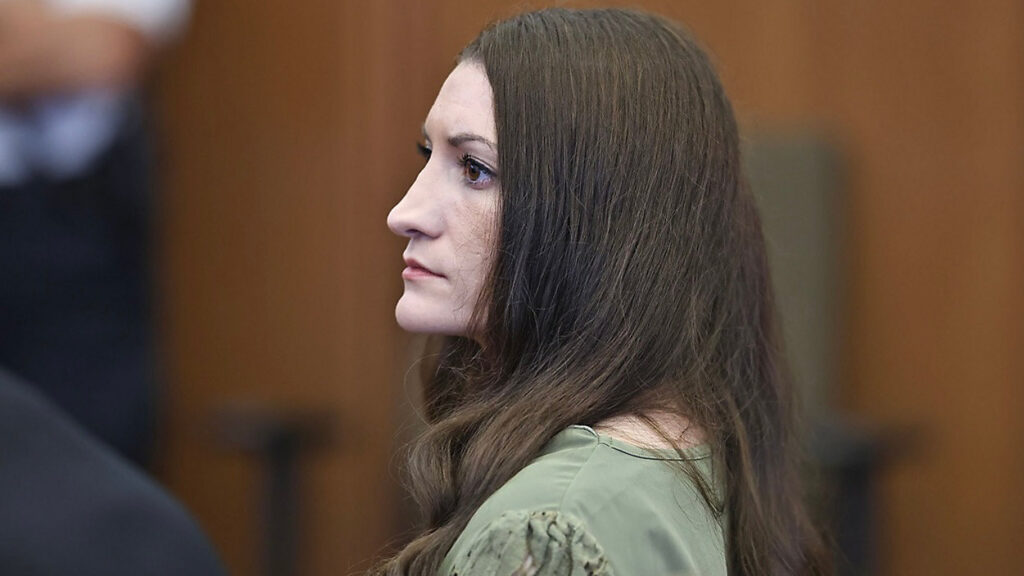
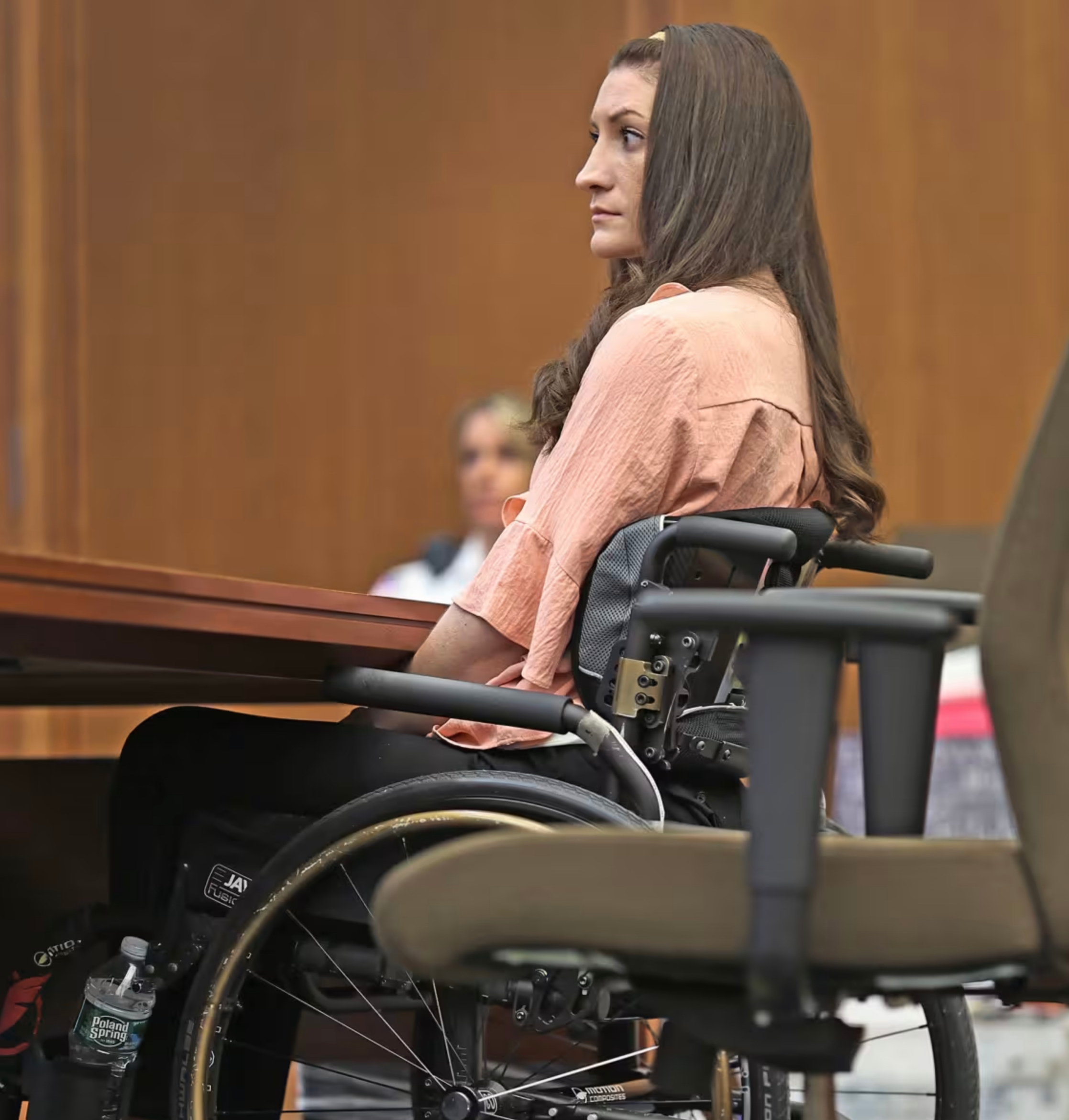
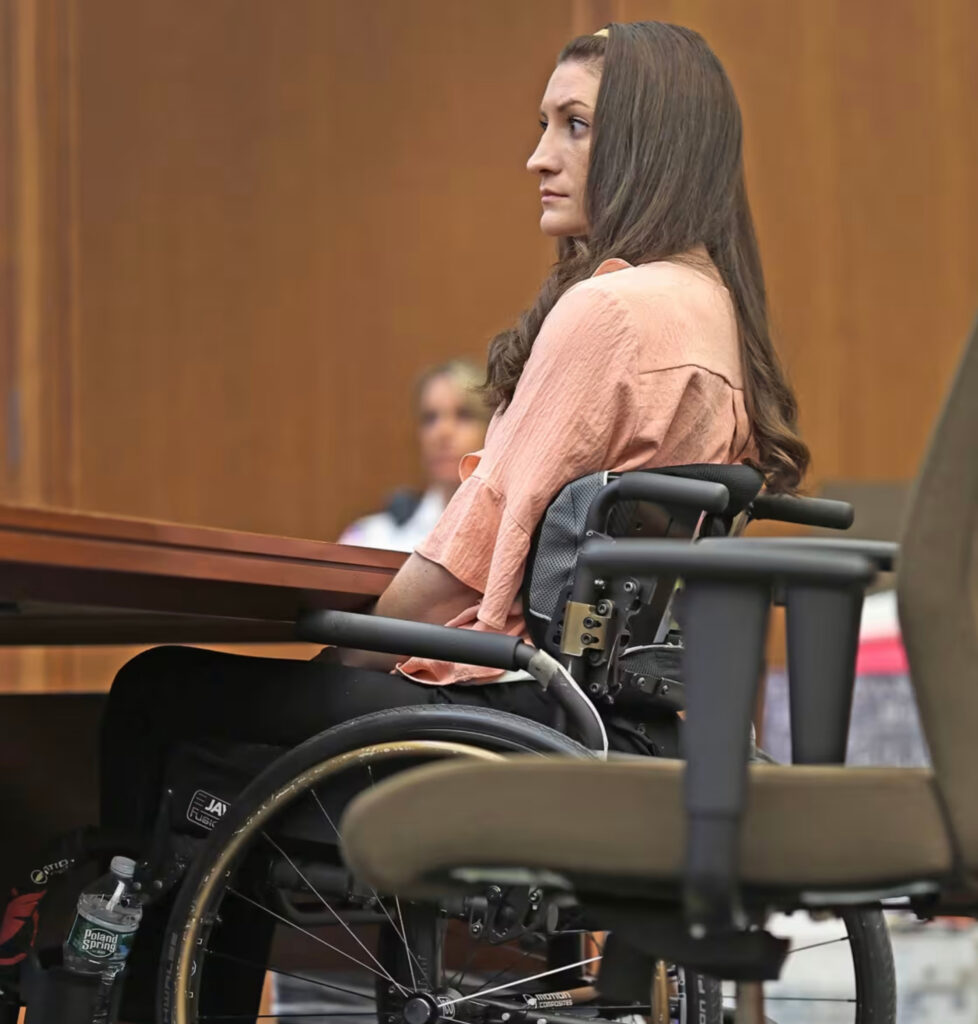
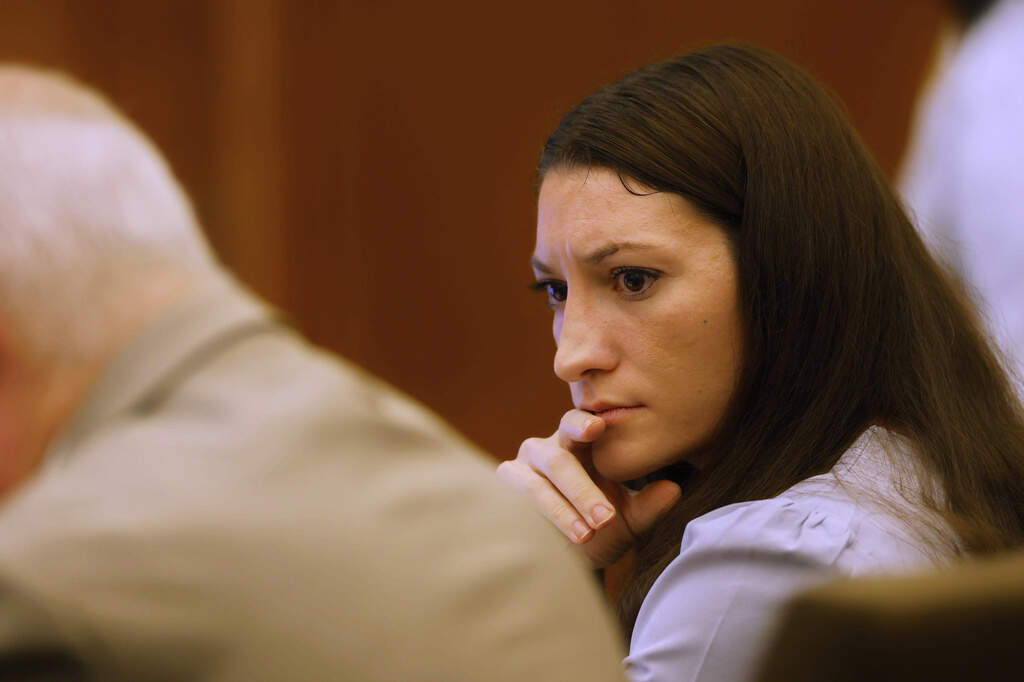
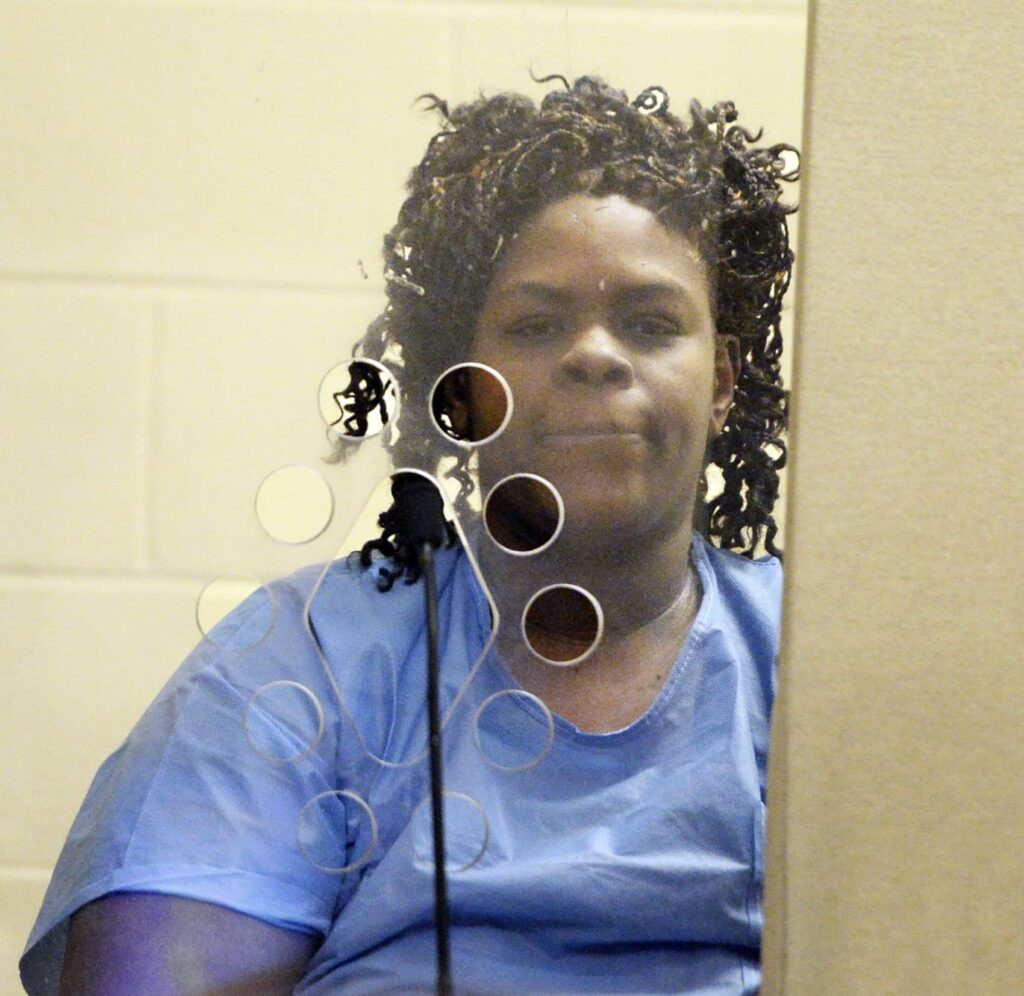
Defendant Lindsay Clancy watches jurors enter the courtroom during her murder trial on Friday, Sept. 4, 2026, in Plymouth, Mass. (Greg Derr/The Patriot Ledger via AP, Pool)
A dramatic, week-long jury deadlock culminated in a mistrial today for Massachusetts mother Lindsay Clancy. While mainstream headlines focus on the hung jury, explosive post-trial statements from the defense reveal the court was split 11-to-1 for total acquittal before a single juror triggered a total system collapse.
Why It Matters: The mistrial means Clancy—the former nurse who strangled her three young children during an alleged bout of severe postpartum psychosis—remains under indictment with an entirely uncertain legal future.
The 11-1 Drama: Late Thursday, a note from the jury foreperson exposed severe tension in the room. Eleven jurors accused a single male holdout of openly acknowledging reasonable doubt about Clancy’s criminal sanity but refusing to apply the legal standard to find her not guilty.
The 1-Hour Hail Mary: In an almost unheard-of legal maneuver this morning, defense attorney Kevin Reddington secured a temporary 1-hour stay from the judge. He launched an emergency appeal to the Massachusetts Supreme Judicial Court, begging them to investigate the holdout juror for “bad faith” refusal to follow instructions. The high court swiftly denied it.
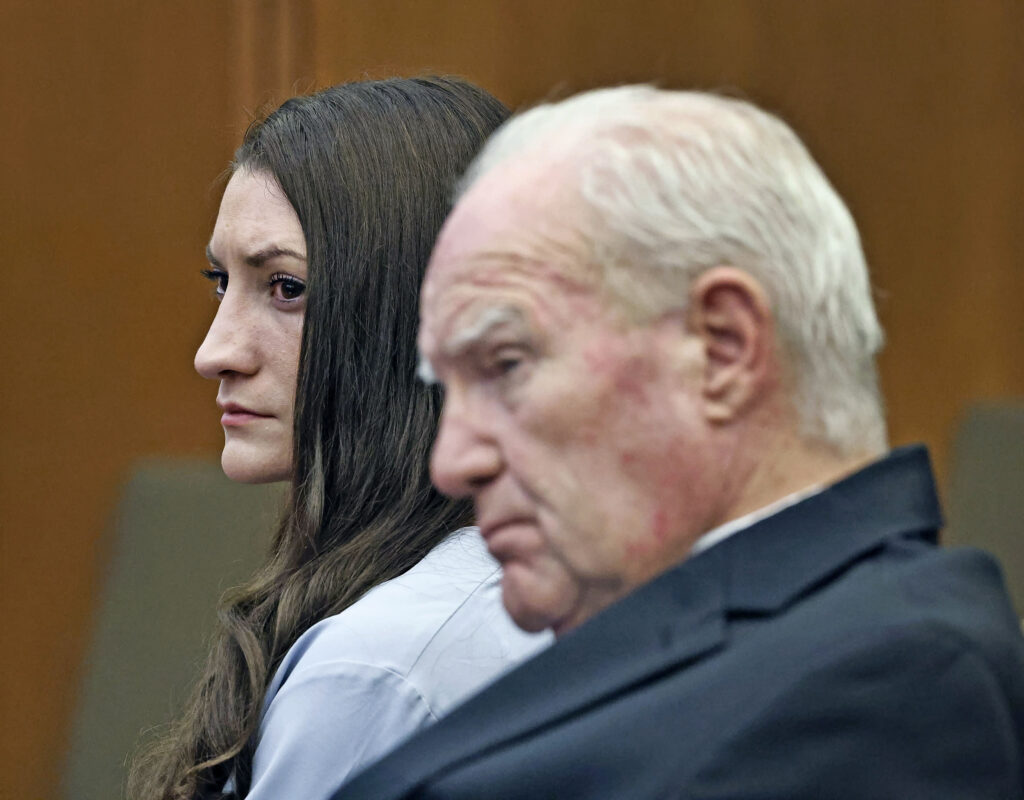
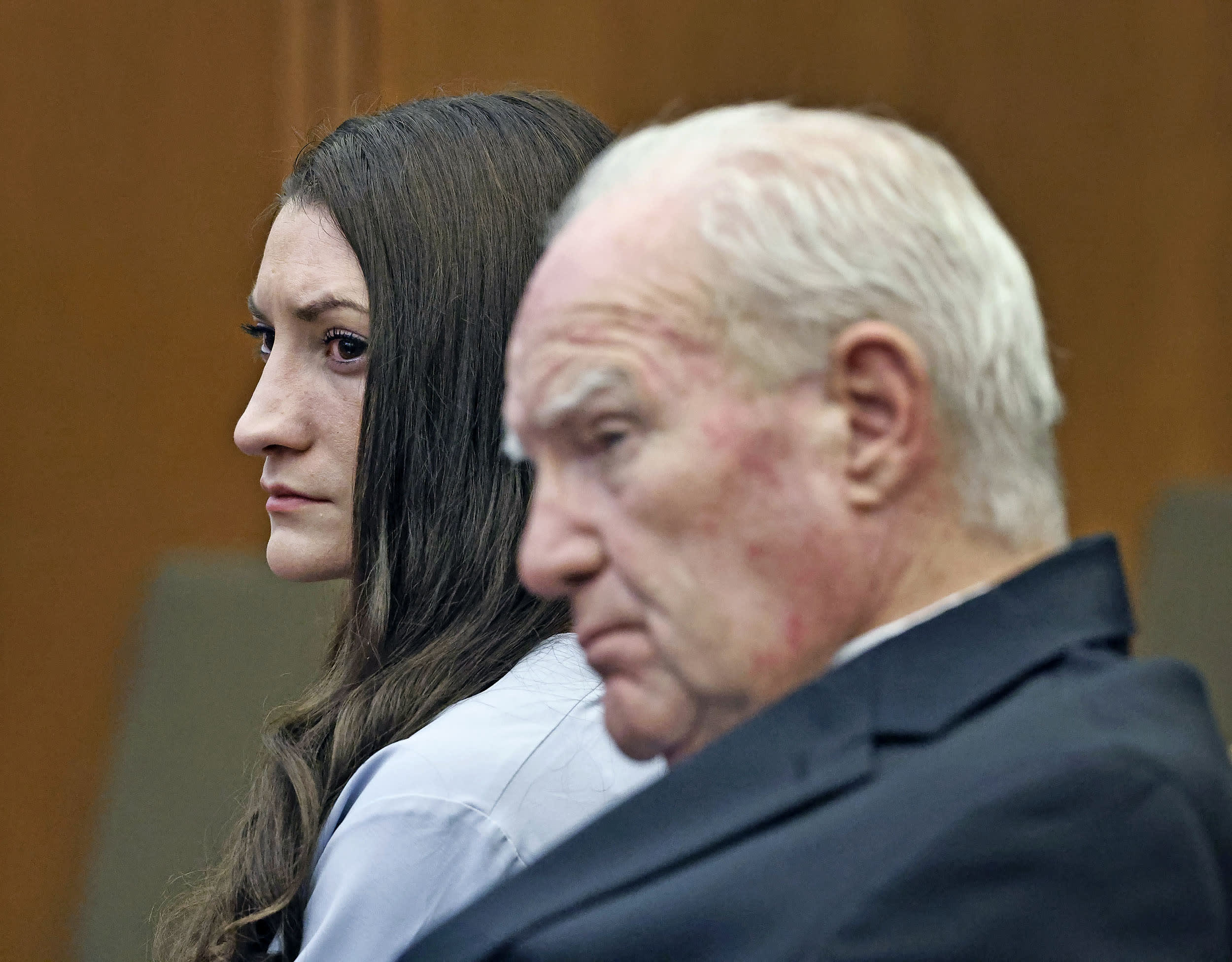
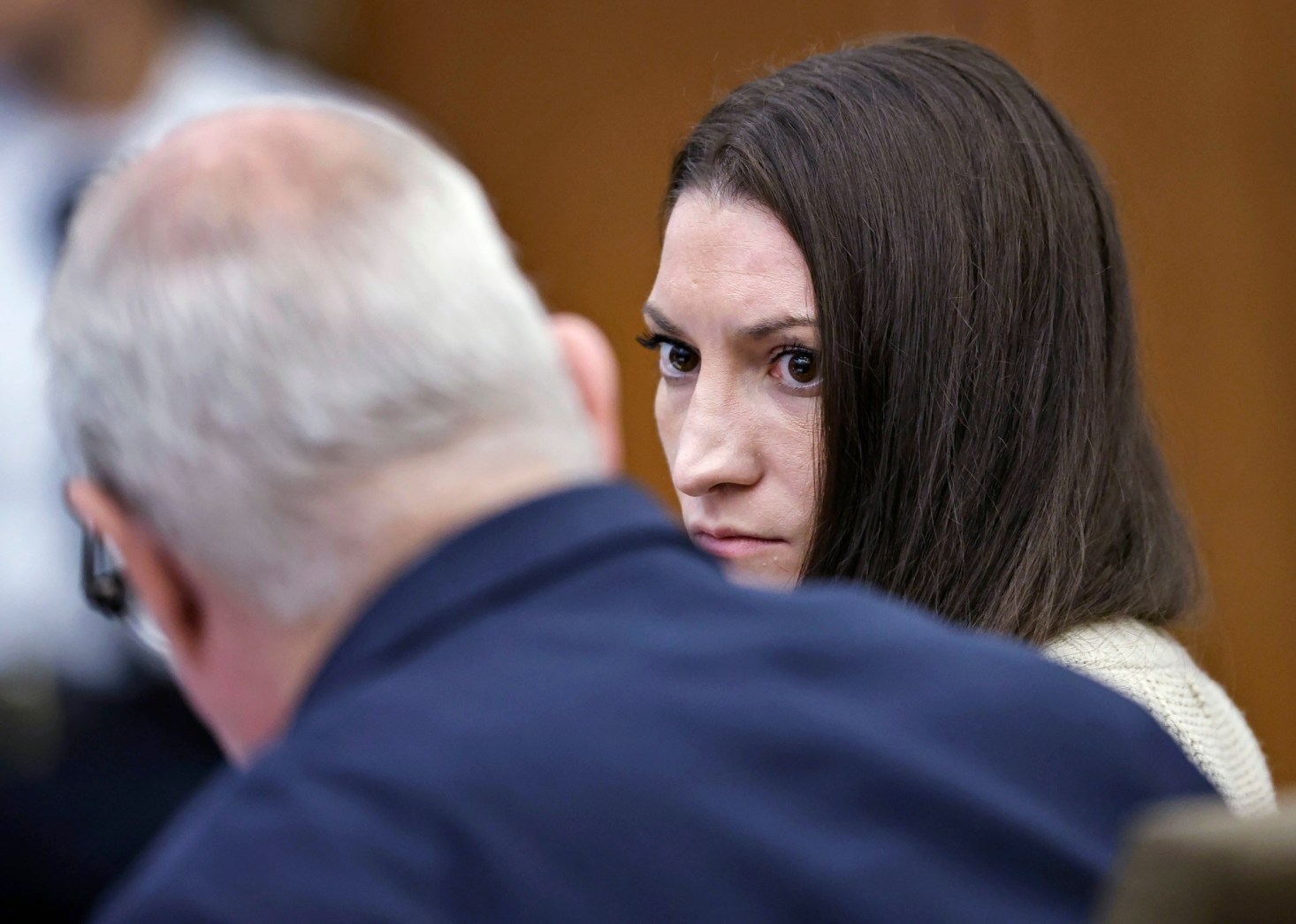
Lindsay Clancy and attorney Kevin Reddington listen to the closing arguments. Greg Derr / Pool via The Patriot Ledger
“Robbed by One Man”: Outside the Plymouth courthouse, a furious Reddington claimed a legal victory despite the mistrial, stating, “We won the case, the prosecution was crushed. The other jurors were robbed by one man who stole seven weeks of their lives.”
Our PI’s Investigative Take:“This is the brutal reality of the American justice system,” notes Desiree, the licensed Private Investigator for 15 Minutes of Murder. “It takes months of state resources, over 80 witnesses, and weeks of testimony to build a case—but legally, it only takes one person with a personal agenda or an unshakeable bias to completely erase the entire process.”
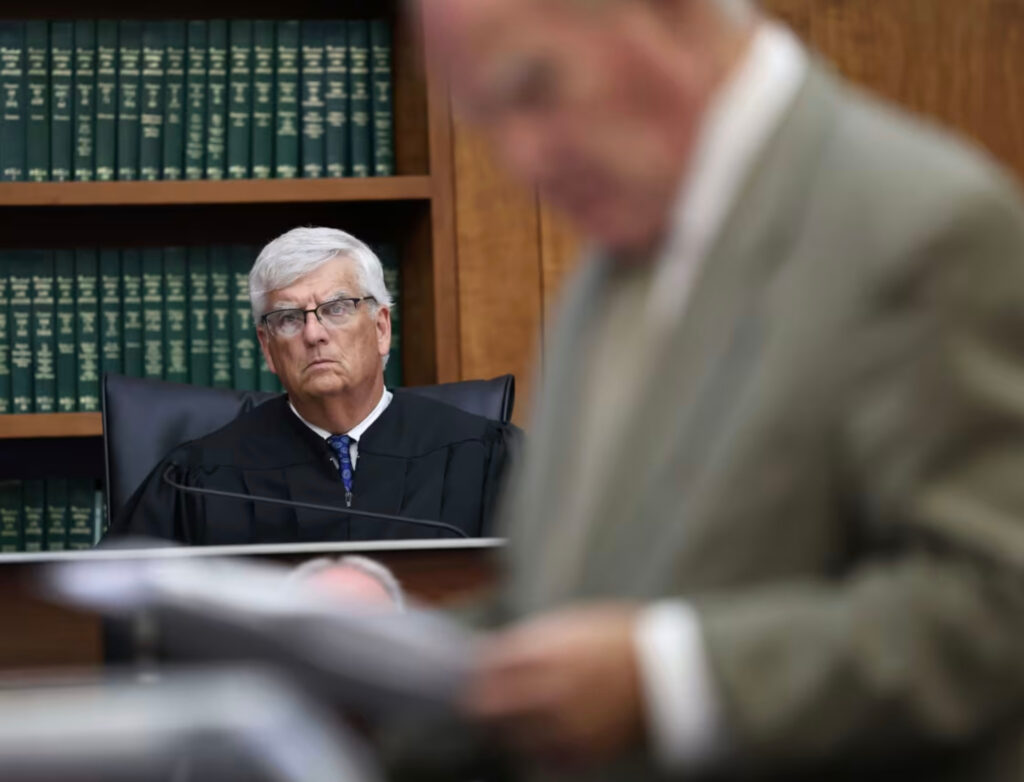
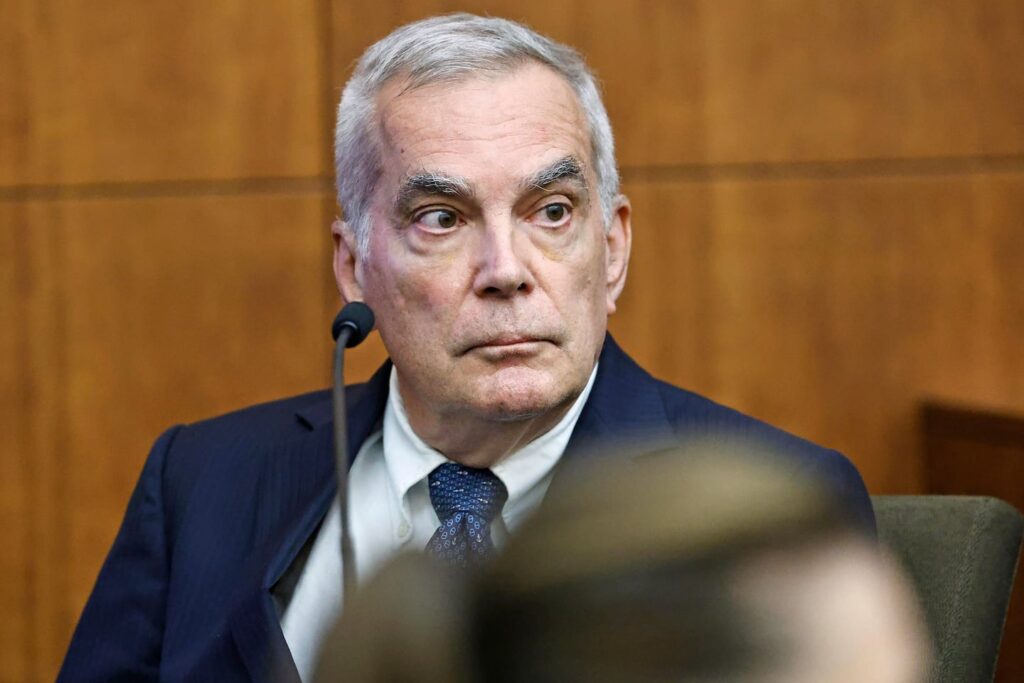
Judge William Sullivan listens to attorney Kevin Reddington. Greg Derr / Pool via The Patriot Ledger
Share Your Thoughts: Do you agree with the defense that an 11-1 split means the prosecution’s case was entirely crushed, or should prosecutors immediately announce a retrial? Let us know in the comments below.
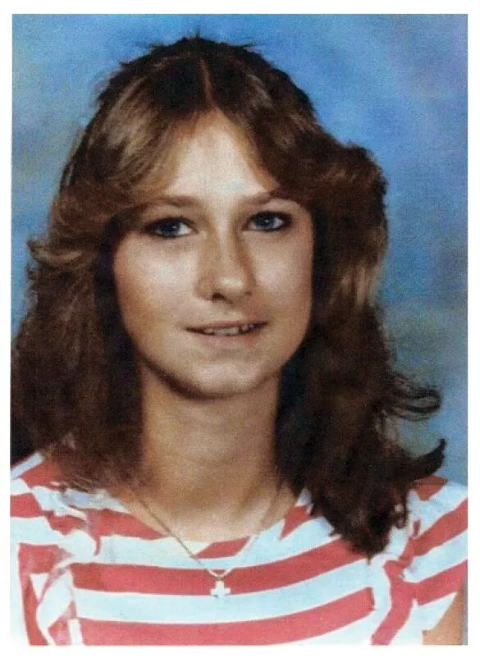
Laura Lynn Miller, who was 16 when she vanished from League City, Texas, in September 1984. Her remains were discovered 17 months later in an I-45 oil field patch. A Galveston County jury delivered a maximum 20-year sentence to James Dolphs Elmore Jr. for his role in her death. Photo courtesy of Texas EquuSearch / Tim Miller.
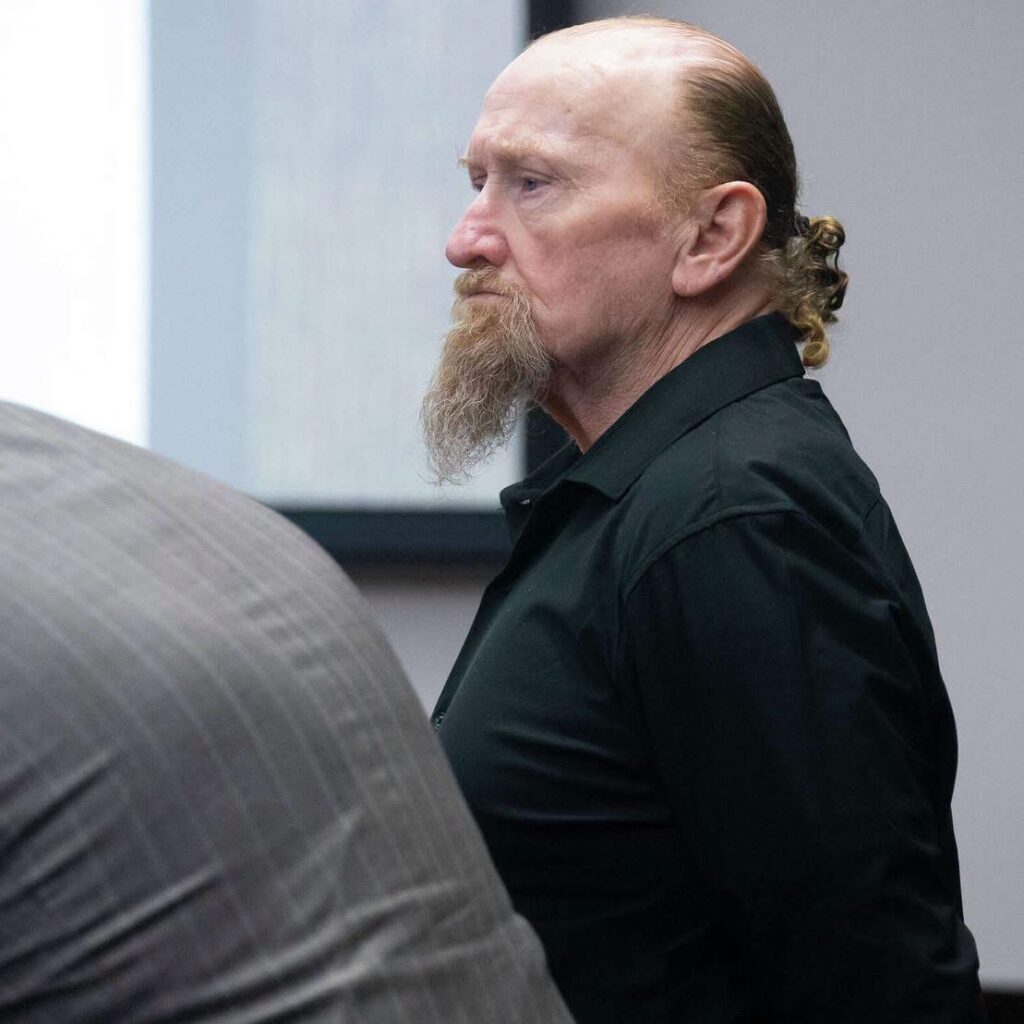
A rare and long-awaited moment of courtroom justice has shattered decades of silence outside Houston. A Galveston County jury deliberated for just 30 minutes today to sentence 61-year-old James Dolphs Elmore Jr.to the absolute maximum of 20 years in prison for his role in the infamous “Texas Killing Fields” mystery.
Defendant James Dolphs Elmore Jr., 61, stands in the 122nd Judicial District Court after being handed the maximum 20-year state prison sentence for manslaughter and felony evidence tampering.
Why It Matters: Over 30 bodies of young women have been recovered along the Interstate 45 corridor since the 1970s, inspiring books, movies, and a hit Netflix documentary. Most cases remain cold, making today’s maximum sentence an incredibly rare victory against the highway’s dark history.
The Fatal Dose: The two-day trial revealed a horrific timeline. Prosecutors proved Elmore prepared a lethal dose of cocaine for his longtime friend and prime suspect, Clyde Hedrick, to administer to 16-year-old Laura Miller in 1984. Hedrick died by suicide earlier this year just before facing a capital murder grand jury.
The Secret Clues: Elmore concealed Laura’s remains alongside 30-year-old victim Audrey Lee Cook. The case finally cracked after Elmore met with Laura’s father, Tim Miller, and exposed unreleased crime scene details—including a specific Western-style shirt used to cover the body.
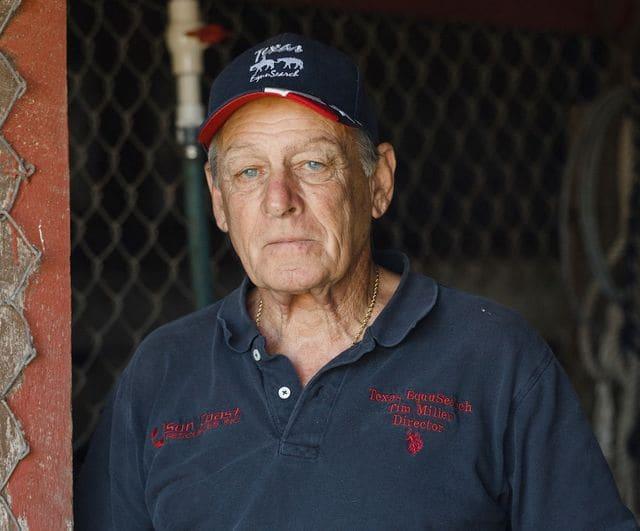
A Father’s Legacy: Frustrated by early police inaction, Tim Miller channeled his grief into founding Texas EquuSearch, a massive non-profit that has since helped locate thousands of missing persons nationwide. Miller testified emotionally today, telling the courtroom he always knew something terrible had happened to his daughter.
Tim Miller, founder of the search-and-rescue non-profit Texas EquuSearch, delivers a powerful victim impact statement in a Galveston courtroom. Miller spent over 40 years seeking justice for his daughter, Laura, ultimately recording the confessions that led to a conviction. Photo courtesy of Texas EquuSearch.
Watch Our Full Investigation: Our team has heavily tracked this complex highway network. Watch our full, in-depth studio analysis on the geographic profiling and the suspect web directly in the video player below. 15 Minutes of Murder Producer Craig Chapman says of the deep dive, “We dive deep into the recent breakthroughs in the Texas Killing Fields—discussing the Netflix documentary, the high-stakes arrests, and the suspect who took his own life. We analyze the forensic path to proving if 30+ other victims are tied to this singular cell of predators.”
Share Your Thoughts: Does a 20-year manslaughter sentence feel like true justice for a 40-year-old serial tracking cover-up, or did the system let this suspect off too easy? Let us know your thoughts in the comments below.
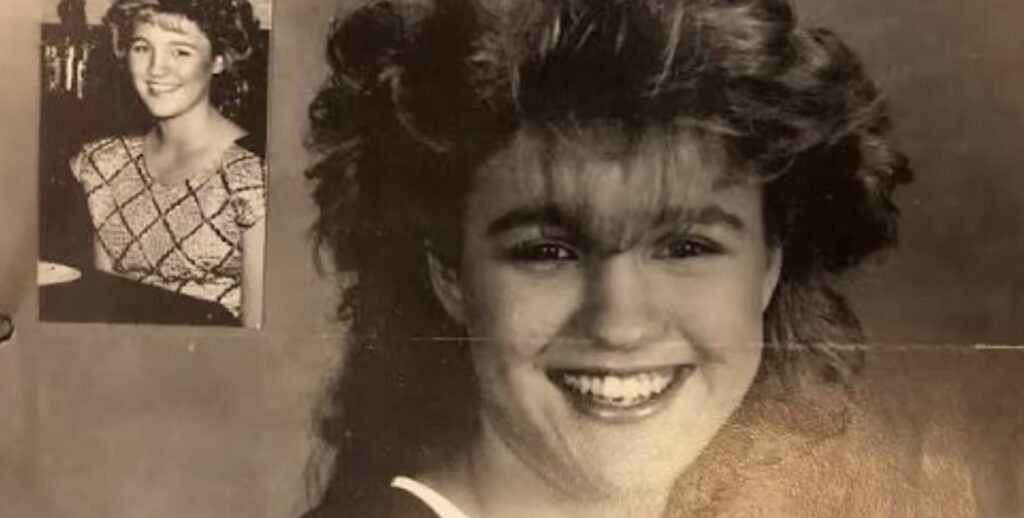
Jeanifer Weldon, 14, who was murdered in 1987. (Photo courtesy of the Polk County Sheriff’s Office)
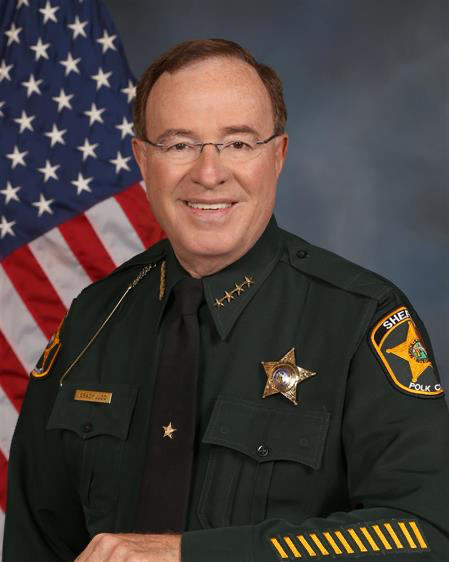
LAKELAND, FL — A chilling Central Florida cold case has reached its final resolution without a single strand of DNA evidence. Polk County Sheriff Grady Judd announced that the 1987 abduction and murder of 14-year-old Jeanifer Weldon has been officially closed.
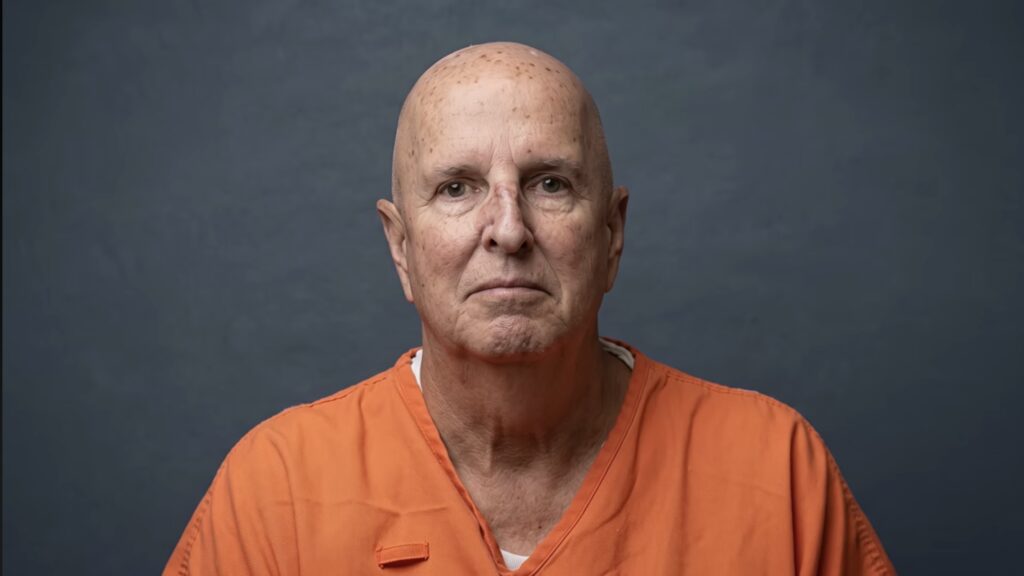
The perpetrator has been identified as former Mascotte police officer James Duckett, who was executed by lethal injection on July 28, 2026, for a separate, horrifying crime.
Why It Matters The breakthrough exposes a dark reality. Duckett spent decades on death row for the 1987 rape and murder of 11-year-old Teresa McAbee. Because Duckett was already facing execution, Polk County prosecutors historically withheld a second trial to avoid delaying ultimate justice. Following his execution, the Polk County Sheriff’s Office utilized a mountain of circumstantial evidence to “exceptionally clear” the file.
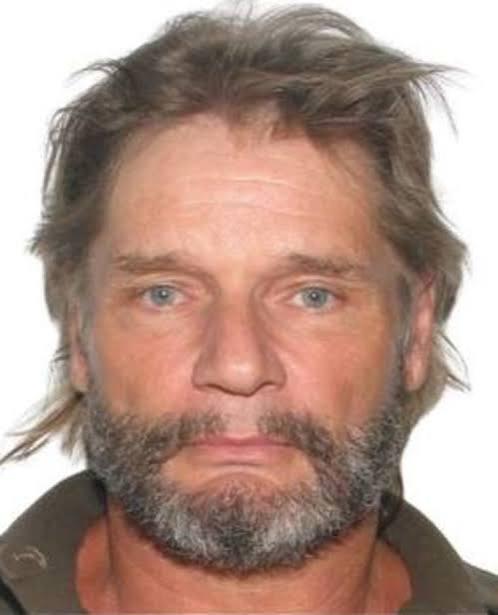
James Duckett booking photo. (Courtesy of the Florida Department of Corrections)
The Face of “Pure Evil”
Sheriff Grady Judd did not hold back, labeling the executed former cop as “pure evil in the flesh.” Judd stated that Duckett successfully took his darkest secrets to the grave until relentless police work forced the truth into the light.
The Evidence Convergence
Jeanifer Weldon vanished on September 19, 1987, while walking home from a friend’s house in Lakeland. While detectives repeatedly sent Jeanifer’s clothing to modern labs, no usable DNA was ever recovered. Instead, investigators pinned the crime on Duckett through an airtight timeline:
The Route: Duckett left for his night shift five hours early. He drove directly past Jeanifer’s walking route and arrived at work late, disheveled, and agitated.
The Gift: Hours before her death, Jeanifer bought a distinct stuffed kitten in a green shopping bag. The next morning, Duckett brought home an identical stuffed animal and green bag.
The Injuries: Duckett’s own wife later revealed to detectives that he returned home that night with deep scratches on his body.
Polk County Sheriff Grady Judd gave details of the resolution of the Jeanifer Weldon cold case. (Photo courtesy of the Polk County Sheriff’s Office)
The DNA Battleground
While Jeanifer’s case lacked physical forensics, DNA was the explosive focal point of Duckett’s final days. The Florida Supreme Court issued emergency stays of execution in early 2026 to allow advanced testing on a decades-old semen sample found on Teresa McAbee’s clothing.
Defense lawyers argued the results were entirely inconclusive. The courts ultimately denied further stays after state experts acknowledged the new results could not clear him, ruling the original circumstantial evidence remained ironclad.
Our PI’s Investigative Take “This case highlights exactly why the death penalty remains such a controversial issue,” notes Desiree, the licensed Private Investigator for 15 Minutes of Murder.
While DNA ultimately played no role in clearing Jeanifer’s case, Desiree emphasizes the high stakes of relying strictly on circumstantial timelines. “Nationwide, more than 200 death row inmates have been entirely exonerated (since the 1973), dozens of them by DNA evidence. When you consider that the U.S. averages roughly 20 executions a year, even a tiny margin of error means an innocent person could face wrongful execution under mistaken incarceration.”
Share Your Thoughts Does an exceptional closure following an execution bring true closure to a grieving family, or did this predator escape the full weight of individual accountability for Jeanifer? Let us know your thoughts in the comments below.
Go Deeper: Check out our Ask a PI series on our video tab or launch our YouTube Channel for deep-dive criminal defense insights from our team.
Lindsay Clancy and attorney Kevin Reddington listen to the closing arguments. Greg Derr / Pool via The Patriot Ledger
Massachusetts – The five-week legal battle over the fate of Lindsay Clancy has officially reached its critical climax in Plymouth Superior Court. Following a day of emotionally devastating closing arguments that stunned the courtroom gallery on Thursday, the jury officially launched into their first 3.5 hours of active deliberations before pausing for the night without reaching a verdict.
The Prosecution’s Ultimatum: Assistant District Attorney Jennifer Sprague delivered a brutal final thesis, flatly telling the jury that Clancy viewed her three children as “obstacles” to her planned suicide and killed them to clear the path.
The Defense’s Outcry: Defense attorney Kevin Reddington aggressively fired back, labeling the state’s case a cruel “witch hunt” and placing the blame entirely on “medical malpractice on a grand scale” due to a chaotic cocktail of 13 prescribed psychiatric medications.
The Current Clock: Deliberations are officially paused for the evening. The jurors are heading home tonight and will return to the courthouse first thing Friday morning to resume.
The explosive closing arguments have sent digital search traffic into an absolute frenzy, drawing intense public debate over criminal intent, parental mental health, and medical accountability.
Judge William Sullivan listens to attorney Kevin Reddington. Greg Derr / Pool via The Patriot Ledger
Two Irreconcilable Courtroom Realities
The final pitches to the jury presented two completely different interpretations of human tragedy. The state’s closing strategy relied heavily on the concept of deliberate execution, painting a picture of a mother who calmly timed her husband’s takeout run using Apple Maps so she could systematically remove her children before attempting her own death.
Conversely, the defense argued that treating a severe maternal psychiatric emergency like a cold, calculated criminal plot represents a deep failure of the justice system. They asserted that her extensive medical tracking logs and post-arrest psychiatric files prove a mind completely shattered by a profound medical crisis, rather than a malicious actor working with intent.
A New Chapter in True Crime Investigative Ethics
As independent creators navigate these high-profile national verdicts, the responsibility of true-crime storytelling is rapidly evolving. This week’s major courtroom scandal—where a national magazine reporter was abruptly stripped of her credentials for inappropriate, casual behavior during solemn medical testimony—highlights a growing public rejection of surface-level news voyeurism.
True-crime audiences are increasingly demanding that media platforms move away from treating real-world family heartbreaks like casual social media entertainment. Journalistic integrity requires a commitment to tracking the deep, systemic realities of a case file rather than chasing the immediate sensationalism of a courtroom camera lens.
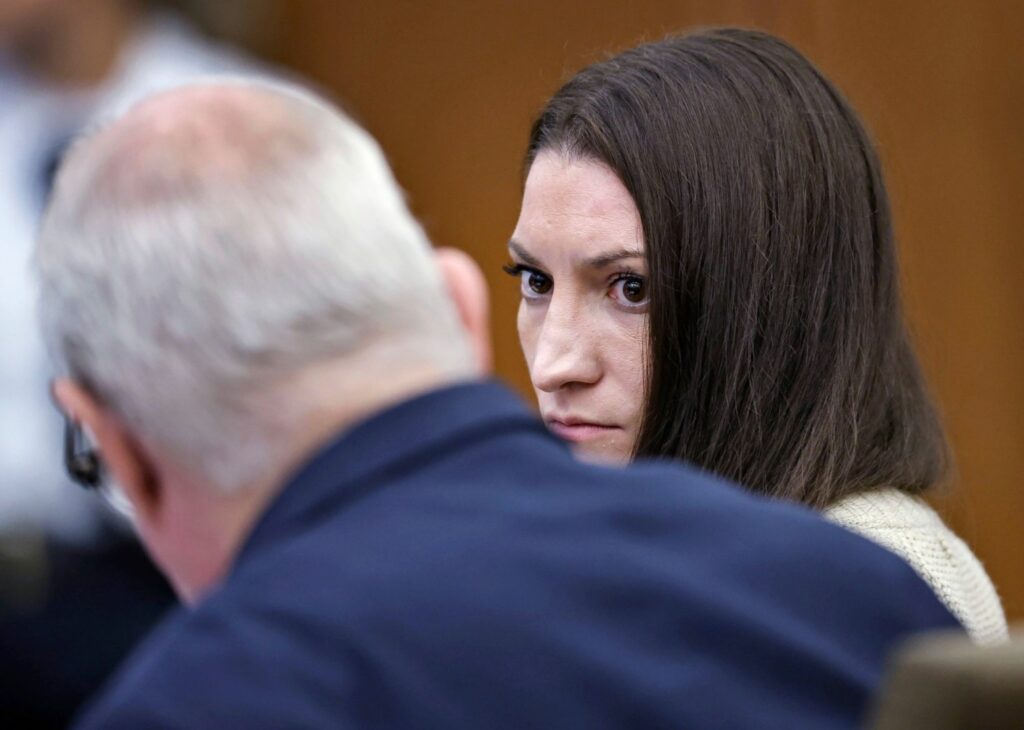
Defendant Lindsay Clancy talks with her lawyer Kevin Reddington. during her murder trial at Plymouth Superior Court. (Greg Derr/The Patriot Ledger via AP, Pool)
The Bigger Investigative Picture
As a professional TV producer and the executive creator of 15 Minutes of Murder, I look at these final courtroom moments through a strict lens.
“When a massive trial heads to a jury room after the state frames a mother’s actions around a chilling phrase like ‘obstacles to suicide,’ it highlights the extreme responsibility independent media holds,” the 15MM Producer noted. “A complex legal deliberation shouldn’t be consumed like a scripted television season finale. True justice demands that we look completely past the high-stakes courtroom theater, honor the humanity of the victims—Cora, Dawson, and Callan—and focus our reporting on uncovering the actual institutional, medical, and social failures that occurred long before a crisis turned fatal.”
Go Deeper: Check out our Ask a PI series on our video tab or launch our YouTube Channelfor deep-dive criminal defense insights from our team.
Defendant Lindsay Clancy at the defense table photo: Greg Derr / Pool via The Patriot Ledger
Massachusetts – The five-week legal battle over the fate of Lindsay Clancy has officially come to a sudden halt in Plymouth Superior Court. Following a final, dramatic day of expert testimony, both the defense and prosecution have officially rested their cases, setting the stage for closing arguments in a trial that has completely divided the true-crime community.
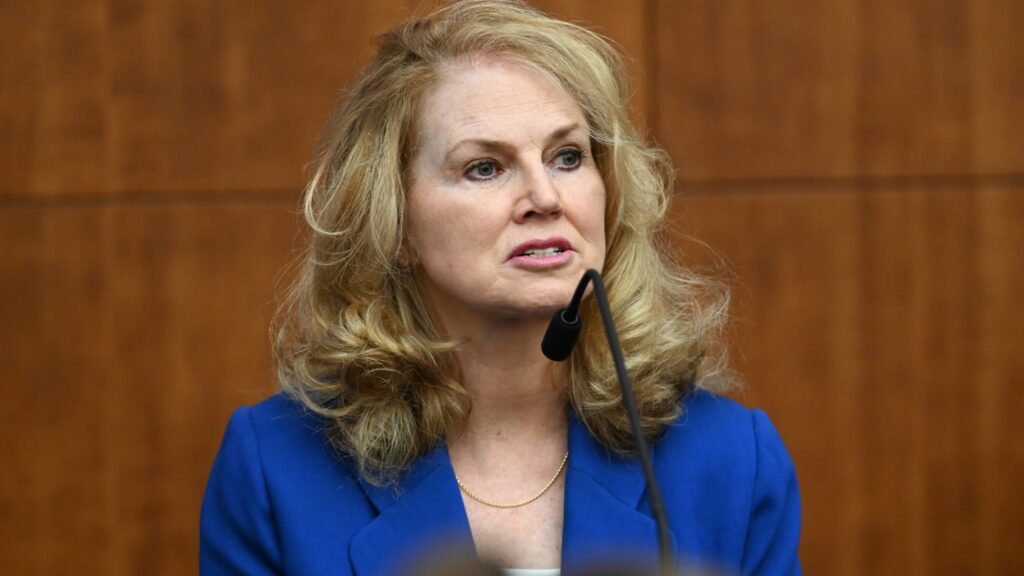
The Final Witness: Dr. Gregory Saathoff, a prominent FBI forensic psychiatrist called by the state.
The Verdict of the Expert: Saathoff flatly testified that Lindsay Clancy was fully aware her actions were illegal and remains criminally responsible.
The Rest: With the conclusion of federal medical tracking, the evidentiary phase of the trial is officially closed.
The sudden conclusion of testimony has sent online discussion boards into overdrive as the jury prepares to deliberate on a final verdict this week.
The Calculated Timeline Alleged by the State
The prosecution’s closing strategy relied heavily on dismantling the defense’s narrative of a sudden, uncontrollable detachment from reality. Instead, federal forensic analysis presented the jury with a highly structured, deliberate timeline of events.
Forensic Psychiatrist Dr. Gregory Saathoff is called as a witness by the prosecution during Lindsay Clancy’s murder trial in Plymouth Superior Court in Plymouth, Mass., Tuesday, Aug. 25, 2026.
Greg Derr/Pool The Patriot Ledger via AP
According to courtroom evidence, the state argues the actions inside the home were meticulously timed:
The Distance Test: Prosecutors highlighted that Clancy utilized Apple Maps to explicitly calculate the exact driving time it would take her husband to pick up a takeout order, establishing a definitive window of isolation.
The Individual Acts: The state presented a timeline alleging that the children were taken down to the basement individually rather than all at once, which they argue proves active, real-time reflection during the acts.
The Assessment: Dr. Saathoff testified that her post-arrest behavior and communication logs showed a clear understanding of the legal consequences of her actions, flatly contradicting the insanity defense.
Judge William Sullivan listens to attorney Kevin Reddington question rebuttal witness Dr. Kirk Heilbrun today. Greg Derr / Pool via The Patriot Ledger
A Producer’s Ethical Blueprint
As a TV producer and the executive creator of 15 Minutes of Murder, I look at these closing movements of the trial through a highly analytical lens.
“When a five-week trial suddenly rests on the back of devastating federal psychiatric records, it highlights the extreme responsibility independent media holds,” the 15MM Producer noted. “A high-stakes courtroom isn’t a studio set, and a verdict isn’t a script resolution. As investigative creators, our primary mission must always be to pull the focus away from the legal posturing and place it firmly onto the lives cut short—Cora, Dawson, and Callan. Honoring the victims means breaking past the immediate news cycles to demand absolute investigative consistency, ensuring we analyze these dark systemic timelines with total objectivity rather than treating deep human tragedies as passing true-crime theater.”
Go Deeper: Check out our Ask a PI series on our video tab or launch our YouTube Channel for deep-dive criminal defense insights from our team.
Defendant Lindsay Clancy talks with her lawyer Kevin Reddington. during her murder trial at Plymouth Superior Court, Monday, Aug. 24, 2026 in Plymouth, Mass. (Greg Derr/The Patriot Ledger via AP, Pool)
Massachusetts – The high-profile triple-murder trial of Lindsay Clancy in Plymouth Superior Court took a shocking, late-day turn as the case entered its final, highest-velocity window. In a dramatic courtroom maneuver, the defense team officially moved for a mistrial, bringing the proceedings to a sudden halt before Judge William F. Sullivan swiftly denied the motion.
The Stance: The defense team called for an immediate mistrial, accusing the prosecution of weaponizing references to “moral sin” and “religious misconduct” to prejudice the jury.
The Judgment: Judge Sullivan flatly denied the motion, allowing the high-stakes proceedings to move forward.
The Context: This explosive legal battle landed immediately after the defense rested its case, following weeks of testimony stating Clancy lacked criminal responsibility due to severe postpartum psychosis.
The sudden mistrial denial has sent true-crime search traffic into a frenzy, reigniting massive systemic debates over criminal accountability, judicial standards, and public accountability as closing arguments loom for the week ahead.
The Financial and Forensic Aftermath
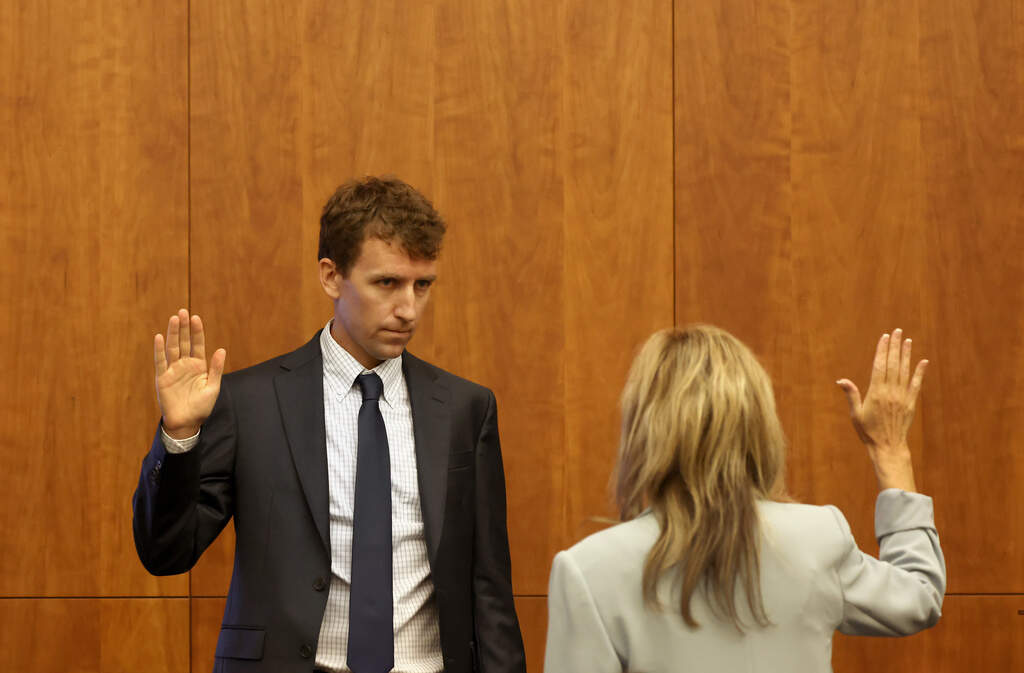
Patrick Clancy is sworn in during the Lindsay Clancy murder trial at Plymouth Superior Court in Plymouth, Mass., on Wednesday, July 29, 2026. (David L. Ryan/The Boston Globe via AP, Pool)
While the criminal trial centers strictly on mental competency inside the courtroom, the broader true-crime community is focusing heavily on the structural aftermath outside the legal box. Public scrutiny has intensely remounted regarding the tracking of massive crowdfunding efforts, including the over $1 million raised via GoFundMe following the early days of the tragedy.
This tracking mirrors the exact investigative psychology that independent crime platforms look at. When public sympathy translates into immense financial support, true-crime audiences demand absolute transparency regarding asset allocations, civil liability lawsuits, and legal defense funding. When corporate networks ignore the financial trails to focus solely on theatrical courtroom outbursts, they miss the systemic realities that define the long-term aftermath of a homicide.
The Myth of the Easy Cure
The struggle to convey the terrifying parameters of a detachment from reality to a modern legal system remains a central focal point of public debate. On a recent viral segment for 15 Minutes of Murder, true-crime expert Desiree again broke down how dangerously uneducated the public remains regarding severe maternal mental health crises.
“Unless you have lived that, you have no idea how real something like postpartum depression or postpartum psychosis is,” Desiree observed. “And again, you will try to reach out to your friends and family and they will give you that same ‘Oh you just need some rest,’ and you are really in the middle of a crisis! So that’s the first thing that I wanna say about that and that is from my personal experience.” This is a quote we have used on many occasions when discussing this case.
Treating an acute psychiatric breakdown like a minor bout of exhaustion is an institutional failure that continues to tear families apart long before they ever face a jury.
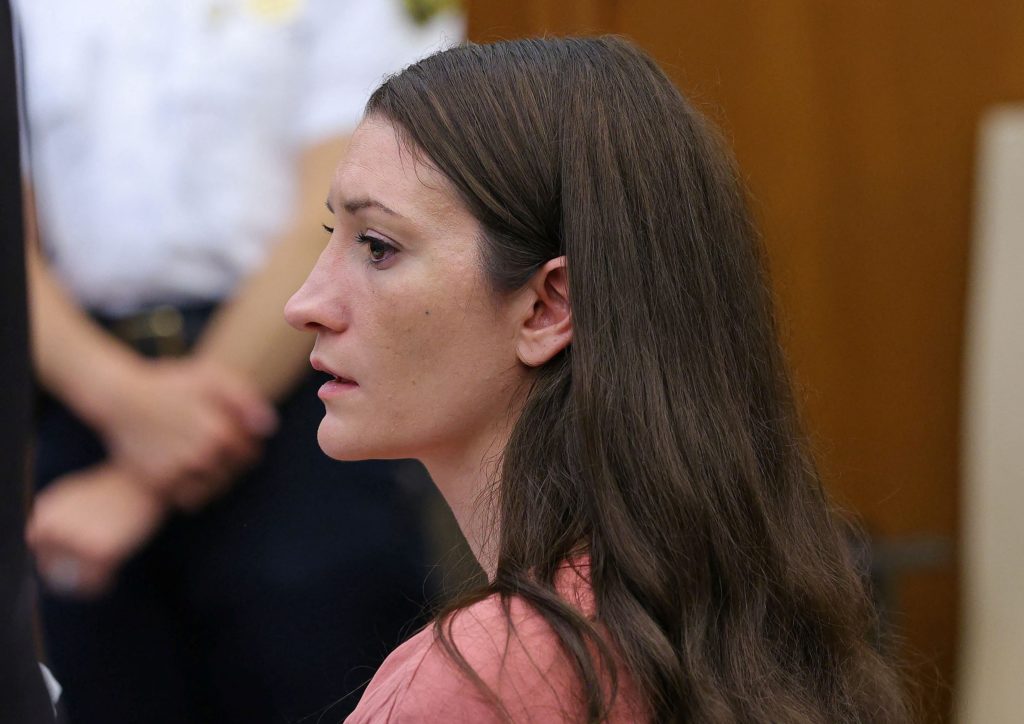
Lindsay Clancy attends her murder trial at Plymouth Superior Court, in Plymouth, Massachusetts, U.S., August 3, 2026. Greg Derr/Pool via REUTERS
A Producer’s Ethical Blueprint
As the trial day concludes with Judge Sullivan denying the defense’s motion for a mistrial, the courtroom theatrics cannot overshadow the haunting questions raised by those closest to the tragedy. As discussed on 15 Minutes of Murder Wednesday Night Live by host Tanisha and guest Kirstin, both Lindsay’s mother and Patrick’s mother have made it clear that she was desperately crying out for help for weeks. From my perspective as a professional TV producer and the creator of 15 Minutes of Murder, the real story isn’t just the verdict—it is how the system completely failed this family. Our ethical duty as investigative creators is to look past the transactional court theater and demand absolute medical transparency. True accountability means shifting the public conversation away from casual entertainment and focusing on the systemic healthcare gaps that left Cora, Dawson, and Callan unprotected.
Go Deeper: Check out our Ask a PI series on our video tab or launch our YouTube Channel for deep-dive criminal defense insights from our team.
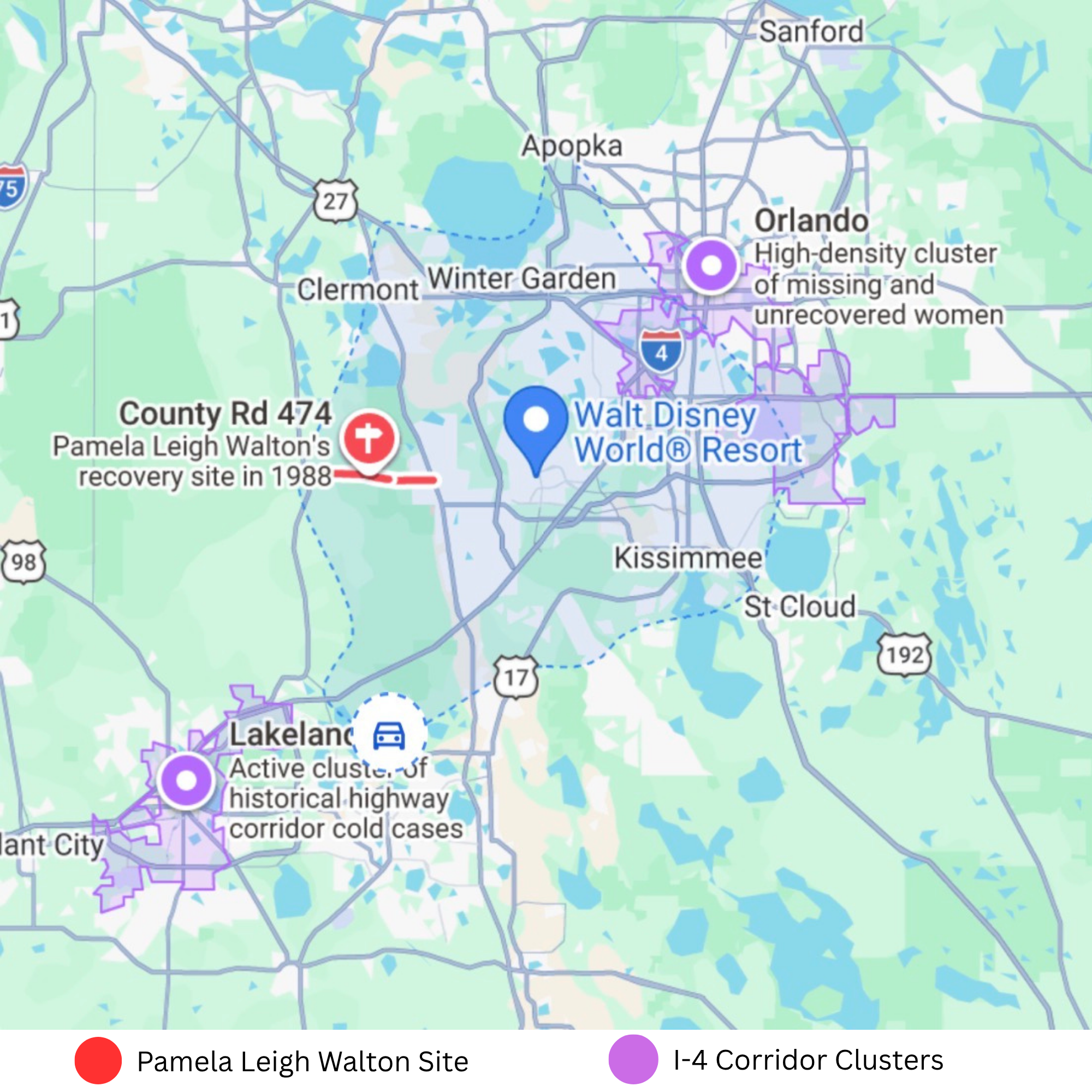
Map via Google Maps / Data compiled by 15 Minutes of Murder
Central Florida – Millions of travelers navigate Interstate 4 in Central Florida every single year, completely unaware of the dark investigative mysteries embedded along the shoulder. For nearly four decades, one of the corridor’s most haunting cold cases involved a homicide victim discovered in the brush off County Road 474 in Clermont, known to local detectives simply as “Julie Doe.”
The Discovery: A citizen searching for firewood stumbled upon hidden human remains in September 1988.
The Breakthrough: A dynamic 2025 genetic breakthrough finally restored her true identity as Pamela Leigh Walton.
The Scale: Pamela’s tragic story belongs to a much larger, chilling pattern of at least 19 other women who vanished or were found dead along this exact highway network.
The stark contrast between the vacation destination image of the I-4 corridor and the anonymity of its forgotten victims highlights the darkness hiding in places we pass in our every day lives.
The 37-Year Search for Pamela Leigh Walton
Photo: Lake County Sheriff’s Office
When Lake County investigators initially processed the 1988 crime scene, a series of early forensic misidentifications sent the homicide case down a decades-long dead end.
The timeline to justice required a complete rewriting of the case files:
The Biological Twist: In 2015, advanced genomic sequencing revealed “Julie Doe” was a transgender woman, completely shifting the parameters of active missing persons databases.
The Podcast Connection: The critical break came when a true-crime podcast listener opted into a law enforcement data-sharing box on a consumer DNA profile. This single digital click provided genealogists with the exact matching segment needed to build her family tree.
The Return Home: In March 2025, her name was officially restored. Pamela’s remains have since been repatriated from Florida to her native Kentucky.
The Shadow of the I-4 Corridor
While the identification of Pamela Leigh Walton marks a monumental victory for forensic genealogy, the criminal investigation into her death remains wide open.
More importantly, independent researchers note that her file is part of a broader, systemic highway anomaly. The I-4 corridor has long served as a high-density hunting ground for opportunistic predators—including long-haul trucker serial killers—who utilize the rapid transit lines and deep anonymity of the open road to evade local police tracking. At least 19 other families are still waiting for the exact same forensic closure that Pamela’s family received.
A Producer’s Ethical Blueprint
As a professional TV producer and the executive creator of 15 Minutes of Murder, I look at these highway tracking files through a structural storytelling lens.
“When you sit in a post-production studio analyzing a cold case, you realize your deepest ethical obligation is to strip away the anonymity surrounding these victims,” the 15MM Producer noted. “A highway shouldn’t be allowed to erase a human life. True-crime media has a responsibility to look past the tourist brochures, center the victims, and expose the broader regional patterns that allowed these predators to operate in plain sight. True justice requires a consistent, independent look into the darkness.”
Giving Back Their Real Life
Image via pamelaleighwalton.neocities.org (AI Generated via StarryAI)
While working on a story for 15 Minutes of Murder, our teams first goal is to give a person their real life back. The 15MM Producer notes, “A standard police case file only demands clinical numbers, biological metrics, and hard evidence. But our ultimate goal with After Dark is to look past the ink to give this person their real life back—to remember their closest friends, their favorite songs, their favorite foods, and all the normal, everyday things that truly defined them. When a tragedy like this occurs on the highway, a person gets lost in the darkness first, and then they get lost a second time when they are reduced to just an anonymous folder sitting in a cold filing cabinet.”
Tonight at 8:00 PM: 15 Minutes of Murder officially premieres its highly anticipated new series, 15 Minutes of Murder presents After Dark — The Corridor. Put on your headphones, turn the lights down, and join our team as we step directly into the forensic files and the deep haunting history of Florida’s I-4 corridor. Available on all official podcast channels.
Have Information? The homicide investigation into Pamela Leigh Walton’s death remains wide open. Anyone with tips regarding her time in Central Florida or Kentucky in 1988 is urged to contact the Lake County Sheriff’s Office Cold Case Team at 352-343-9529, or via email at ColdCase@lcso.org. Anonymous tips can also be submitted through Crimeline at 800-423-8477.
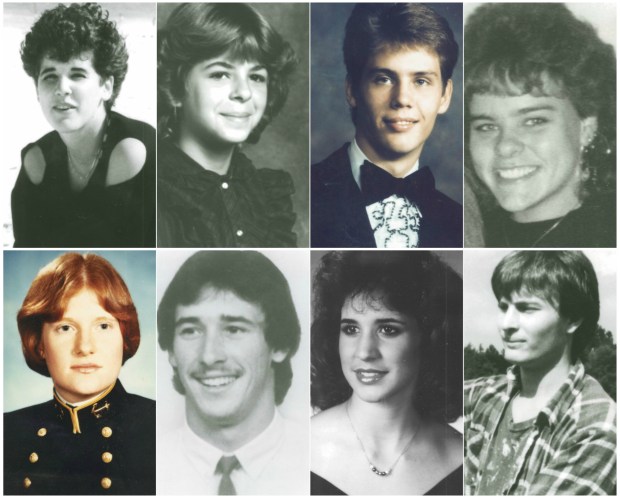
Virginia – When federal authorities released a major update linking a single deceased suspect to multiple victims in Virginia’s infamous Colonial Parkway murders, corporate media outlets rushed to declare the case solved. However, independent true-crime investigators are raising critical flags, pointing to inland highway anomalies like the notorious “Route 29 Corridor” to prove that highway serial killer files are rarely as simple as a single DNA match. They can be layered, non-linear, and sometimes outright confusing.
The Coastal Break: Forensic milestones officially linked the DNA of Lancaster County fisherman Alan Wade Wilmer Sr. to multiple decades-old Parkway deaths. This happened in both 2024 and 2026.
The Inland Mystery: Exactly 150 miles away, the 30-year mystery of the “Route 29 Stalker”—where nine young women vanished or were found murdered—remains frozen.
The Systemic Parallel: Both stretches of blacktop show how calculating predators successfully utilize the isolation of commuter roads to target lone drivers.
Alan Wade Wilmer Sr. photo courtesy of the FBI / Virginia State Police
By analyzing these regional tracking files side-by-side, it becomes clear that corporate true-crime platforms heavily focus on tidy forensic conclusions while completely ignoring active, systemic anomalies.
The Problem with the Wilmer Narrative
The official resolution announcement by the FBI provided immense closure to families who had waited nearly 40 years for answers. Yet, independent crime analysts note that the operational mechanics of the crimes do not cleanly align with a single lone fisherman.
Multiple crime scenes along the Parkway featured a highly specific hallmark: vehicles parked neatly on embankments with the glove compartments open and driver’s licenses pulled out. This exact pattern has led long-term investigators to suspect that a predator utilizing law enforcement credentials—or actively impersonating an officer—was stalking the scenic route. While genetic material definitively places Wilmer at specific scenes, treating his identification as a catch-all solution glosses over the very real possibility of a broader, multi-suspect predatory network. “They ‘liked’ him for this,” explains Desiree Edwards, private investigator and resident crime expert for 15 Minutes of Murder, implying that authorities may be forcing a square peg into a round hole just to neatly close a cold case.
Alicia Showalter Reynolds photo courtesy of the FBI / Virginia State Police
The Shadow of the Route 29 Stalker
The failure to look at the broader mechanics of highway stalking becomes obvious when looking at Route 29, which experienced its own terrifying wave of vanishings beginning exactly three decades ago.
The M.O.: On March 2, 1996, 26-year-old Alicia Showalter Reynolds vanished along Route 29. Her car was left on the shoulder with the hood propped open.
The Pattern: Over 20 women later reported a clean-cut man blinking his headlights to signal mechanical trouble, urging them to pull over, and offering them a ride.
The Result: While three high-profile disappearances on the corridor were eventually linked to serial predator Jesse Matthew, the original 1996 stalker files remain entirely open.
A Producer’s Ethical Blueprint
As a professional TV producer and the executive creator of 15 Minutes of Murder, I analyze these historical cold case files through a strict production lens.
“When major networks rush out multi-part docuseries the second a police department announces a cold case DNA match, they are selling a cups-and-balls version of justice,” the 15MM Producer noted. “A homicide investigation isn’t a neat, 60-minute television script. True-crime media has an ethical obligation to look past the surface-level press releases. Centering the victims means asking the hard, uncomfortable questions about police impersonation, analyzing active highway patterns like Route 29, and ensuring that bureaucratic convenience never takes precedence over the complete, unvarnished truth.”
Looking Ahead: This Sunday, 15 Minutes of Murder premieres an all-new investigative podcast series, 15MM After Dark. The premiere episode shifts the focus down south to Florida’s infamous I-4 Corridor, dissecting the newly uncovered forensic files of Pamela Leigh Walton and exposing the chilling pattern of 19 other women who vanished along the same stretch of highway.
Defendant Lindsay Clancy listens during her murder trial at Plymouth Superior Court in Plymouth, Mass., on Thursday, July 30, 2026. (CJ Gunther/The Boston Herald via AP, Pool)
Massachusetts – The high-stakes murder trial of Lindsay Clancy in Plymouth Superior Court took an unexpected and highly unusual turn today, leaving true-crime analysts scrambling for answers. For the second day in a row, the jury was abruptly sent home early by the judge due to what was described strictly as an “unforeseen circumstance.”
The Stalled Process: Jurors were dismissed following only an hour of active testimony.
The Timing: The disruption occurred immediately after emotional testimony from hospital chaplain Sheila Cavanaugh regarding Clancy’s post-arrest psychiatric state.
The Climax: This sudden hold lands as the defense nears the end of its case, with closing arguments looming for Monday.
The abrupt dismissals have sparked intense online discussion, raising serious questions about behind-the-scenes legal hurdles in one of the most closely watched insanity defense trials in modern Massachusetts history.
Sheila Cavanaugh, a chaplain at Mass General Brigham, testifies in the Lindsay Clancy murder trial in Plymouth Superior Court in Plymouth, Mass., Thursday, Aug. 20, 2026. (Pool)
Behind Closed Doors at the Courthouse
Before the sudden courtroom closure, the jury heard pivotal testimony mapping out the exact defense strategy: proving a lack of criminal responsibility due to severe postpartum psychosis. The structural tension in the courtroom is mounting. Earlier this week, the prosecution explicitly urged the jury to ignore systemic debates, stating that the trial should not be treated as a “public debate about women’s mental health.” However, this narrow approach mirrors the exact legal playbook used in the case of Latarsha Sanders. Just weeks ago, the Massachusetts Supreme Judicial Court universally overturned Sanders’ double-murder conviction precisely because the trial judge barred the jury from seeing thousands of pages of psychiatric files. The high court explicitly ruled that a jury cannot determine true criminal intent if they are forced to deliberate inside a medical vacuum.
Latarsha Sanders by Marc Vasconcellos /The Enterprise via AP, Pool
The Disconnect of the Lived Experience
The struggle to convey the reality of a mental health emergency to a courtroom jury remains a major systemic roadblock. On a recent broadcast for 15 Minutes of Murder, true-crime expert Desiree analyzed the dangerous public minimize-and-dismiss patterns that occur during these hidden crises.“Unless you have lived that, you have no idea how real something like postpartum depression or postpartum psychosis is,” Desiree observed. “And again, you will try to reach out to your friends and family and they will give you that same ‘Oh you just need some rest,’ and you are really in the middle of a crisis! So that’s the first thing that I wanna say about that and that is from my personal experience.”As independent investigators have noted, treating an acute medical emergency as a minor inconvenience failed these families long before they ever set foot in front of a judge.
Empty Courtroom Image by ohioduidefense from Pixabay
A Producer’s Ethical Blueprint
As a professional TV producer and the executive creator of 15 Minutes of Murder, I analyze these ongoing courtroom disruptions through a strict narrative lens.”When a high-profile trial starts sending juries home early over undisclosed, behind-the-scenes issues, it highlights how tightly controlled courtroom storytelling truly is,” I noted. “A legal standard shouldn’t hide behind procedural silence. Our primary ethical obligation as independent investigative creators is to keep the focus firmly on the humanity of the victims. Centering the victims means demanding absolute transparency from our courts, ensuring that the full factual, medical, and psychological truth is laid bare—not a highly curated, sanitized version built for a swift conviction. True justice requires an unblinking look at the evidence, not administrative theater.”
Go Deeper: Check out our Ask a PI series on our video tab or launch our YouTube Channel for deep-dive criminal defense insights from our team.
New York, NY – As the high-profile Lindsay Clancy murder trial shifts to intense defense testimony in Massachusetts, major corporate media outlets are shifting their monetization strategies to match public interest. This week, legacy publications announced highly publicized “live Q&A events” designed to let senior editors answer burning reader questions about the tragic 2023 Duxbury case files.
The Event: Corporate news teams launching temporary, interactive live commentary panels to capture peak trial traffic.
The Reality: Independent true-crime platforms have already been hosting weekly, deeply analytical live shows on these exact cases for months.
The Critique: This sudden shift highlights a glaring gap between transactional corporate reporting and genuine investigative community journalism.
Image of Press Gathered Outside Courthouse Image by Andy Leung from Pixabay
While legacy brands treat real-time legal tragedies like a scheduled television programming event, modern true-crime consumers are starting to demand a higher ethical standard of coverage.
Transactional Reporting vs. Consistent Analysis
Corporate news models are systematically built around the peak news cycle. They heavily flood resources into a local region when a courtroom scene turns dramatic, only to pull their coverage entirely the moment the verdict drops and search engine clicks begin to slow down.
From an editorial and production perspective, treating complex criminal trials like a one-off interactive panel presents an inherent challenge:
Surface-Level Pacing: To answer hundreds of rapid-fire reader questions in a single hour, corporate panels often reduce intricate legal precedents down to quick, oversimplified soundbites.
Missing the Context: Systemic warning signs—such as regional mental health system collapses or deep legal double standards—are easily glossed over in favor of chasing the most sensationalized courtroom updates of the day.
Image by Yildiray Yücel Kamanmaz from Pixabay
The Power of the Independent Voice
As a professional TV producer and the executive creator of 15 Minutes of Murder, I look at these corporate media patterns through an objective and structural narrative lens.
“When legacy outlets treat an active maternal mental health tragedy like a special, exclusive marketing event, it strips away the ongoing gravity of the issue,” the 15MM Producer noted. “Analyzing a homicide requires deep, unwavering consistency, not just a one-hour live chat window. Independent creators don’t wait for a trial to trend on social media to start talking about systemic failures. True journalistic integrity means staying in the trenches with the story, centering the victims, and creating a permanent, respectful space for deep dialogue long before the mainstream cameras arrive.”
True-crime audiences are no longer satisfied with corporate gatekeepers offering curated, brief glimpses behind the legal curtain. They want something more personal. True justice requires independent transparency, consistent analysis, and a refusal to treat human tragedy as transient entertainment.
Go Deeper: Check out our Ask a PI series on our video tab or launch our YouTube Channel for deep-dive criminal defense insights from our team.
An episode of 15 Minutes of Murder ‘Wednesday Night Live’