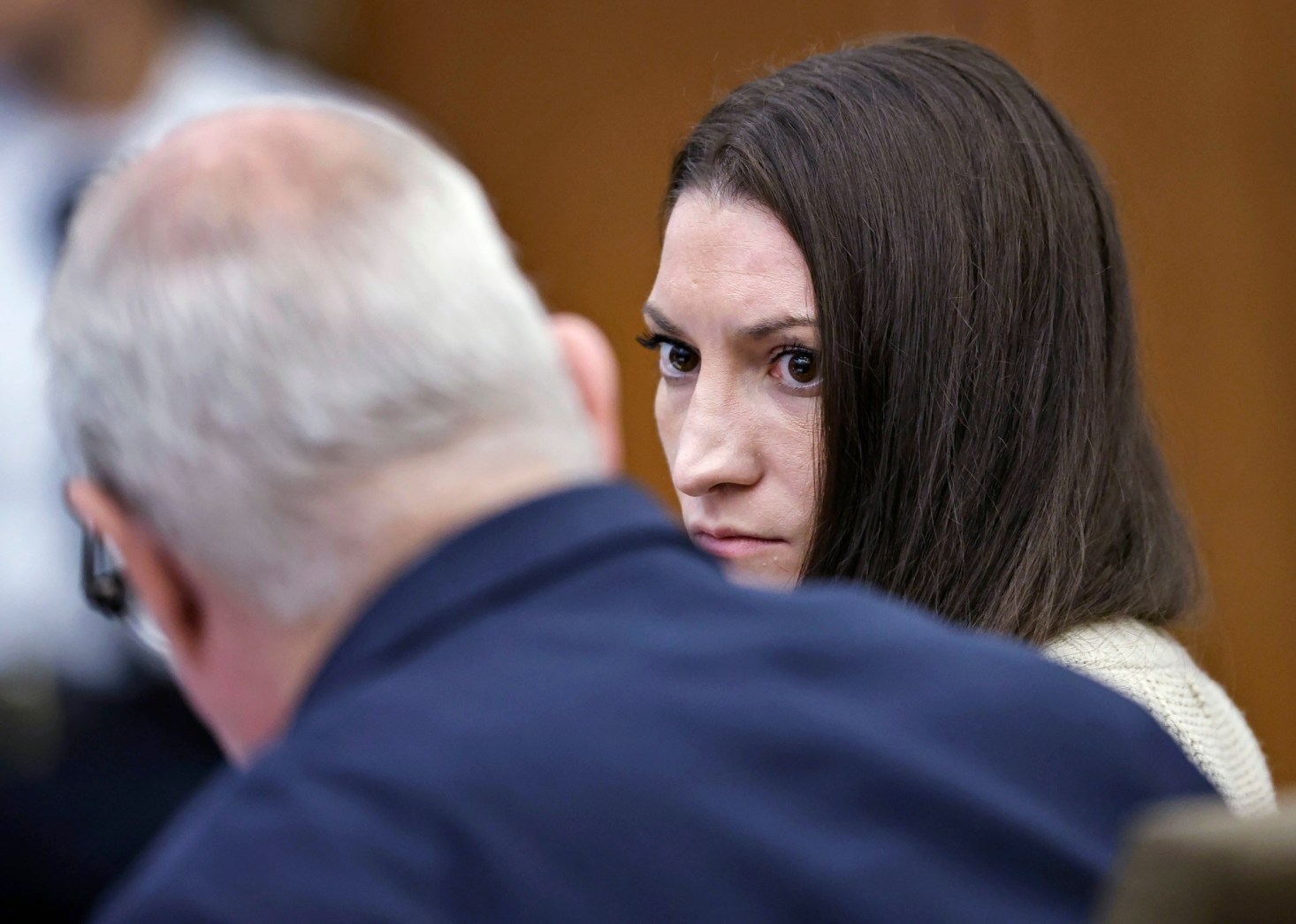
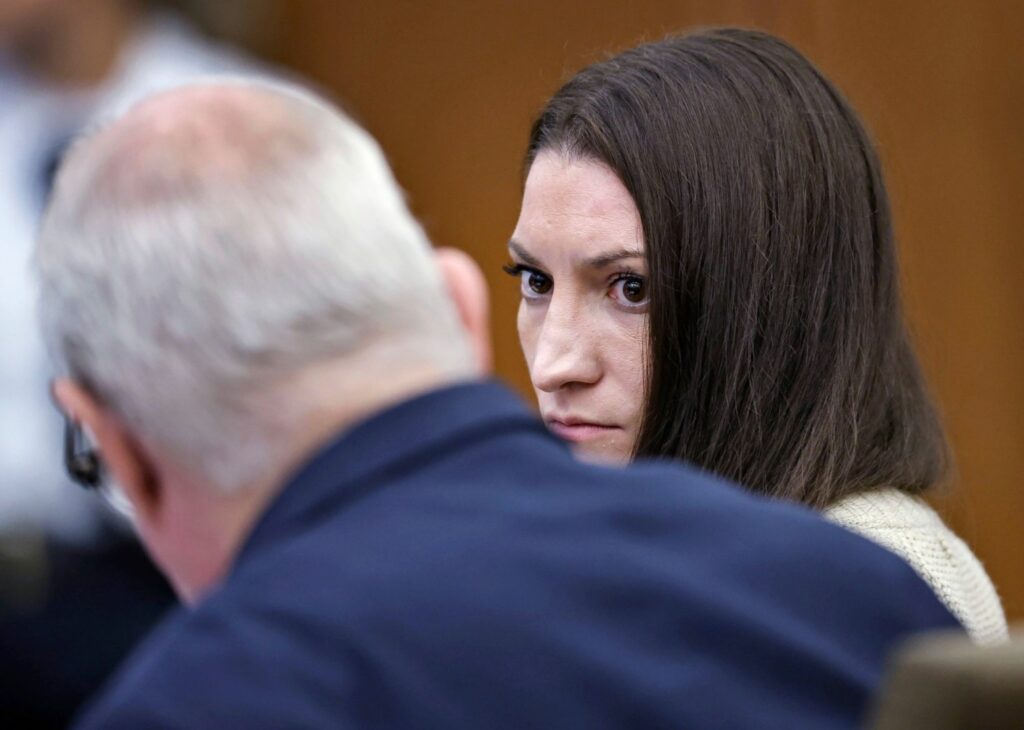
Massachusetts – The high-profile triple-murder trial of Lindsay Clancy in Plymouth Superior Court took a shocking, late-day turn as the case entered its final, highest-velocity window. In a dramatic courtroom maneuver, the defense team officially moved for a mistrial, bringing the proceedings to a sudden halt before Judge William F. Sullivan swiftly denied the motion.
- The Stance: The defense team called for an immediate mistrial, accusing the prosecution of weaponizing references to “moral sin” and “religious misconduct” to prejudice the jury.
- The Judgment: Judge Sullivan flatly denied the motion, allowing the high-stakes proceedings to move forward.
- The Context: This explosive legal battle landed immediately after the defense rested its case, following weeks of testimony stating Clancy lacked criminal responsibility due to severe postpartum psychosis.
The sudden mistrial denial has sent true-crime search traffic into a frenzy, reigniting massive systemic debates over criminal accountability, judicial standards, and public accountability as closing arguments loom for the week ahead.
The Financial and Forensic Aftermath
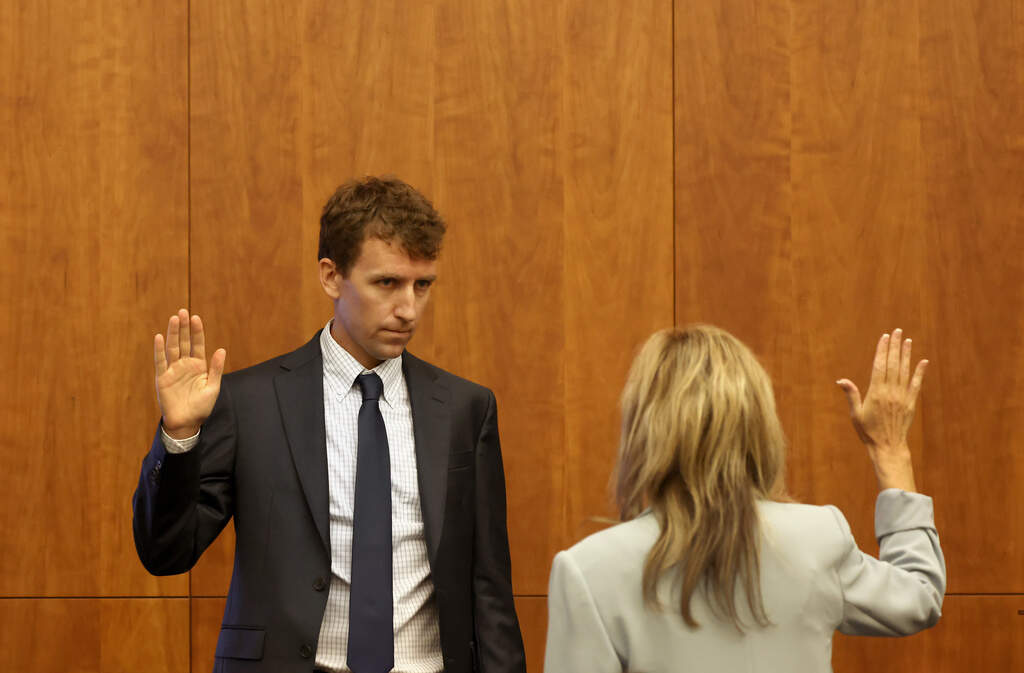
While the criminal trial centers strictly on mental competency inside the courtroom, the broader true-crime community is focusing heavily on the structural aftermath outside the legal box. Public scrutiny has intensely remounted regarding the tracking of massive crowdfunding efforts, including the over $1 million raised via GoFundMe following the early days of the tragedy.
This tracking mirrors the exact investigative psychology that independent crime platforms look at. When public sympathy translates into immense financial support, true-crime audiences demand absolute transparency regarding asset allocations, civil liability lawsuits, and legal defense funding. When corporate networks ignore the financial trails to focus solely on theatrical courtroom outbursts, they miss the systemic realities that define the long-term aftermath of a homicide.
The Myth of the Easy Cure
The struggle to convey the terrifying parameters of a detachment from reality to a modern legal system remains a central focal point of public debate. On a recent viral segment for 15 Minutes of Murder, true-crime expert Desiree again broke down how dangerously uneducated the public remains regarding severe maternal mental health crises.
“Unless you have lived that, you have no idea how real something like postpartum depression or postpartum psychosis is,” Desiree observed. “And again, you will try to reach out to your friends and family and they will give you that same ‘Oh you just need some rest,’ and you are really in the middle of a crisis! So that’s the first thing that I wanna say about that and that is from my personal experience.” This is a quote we have used on many occasions when discussing this case.
Treating an acute psychiatric breakdown like a minor bout of exhaustion is an institutional failure that continues to tear families apart long before they ever face a jury.
A Producer’s Ethical Blueprint
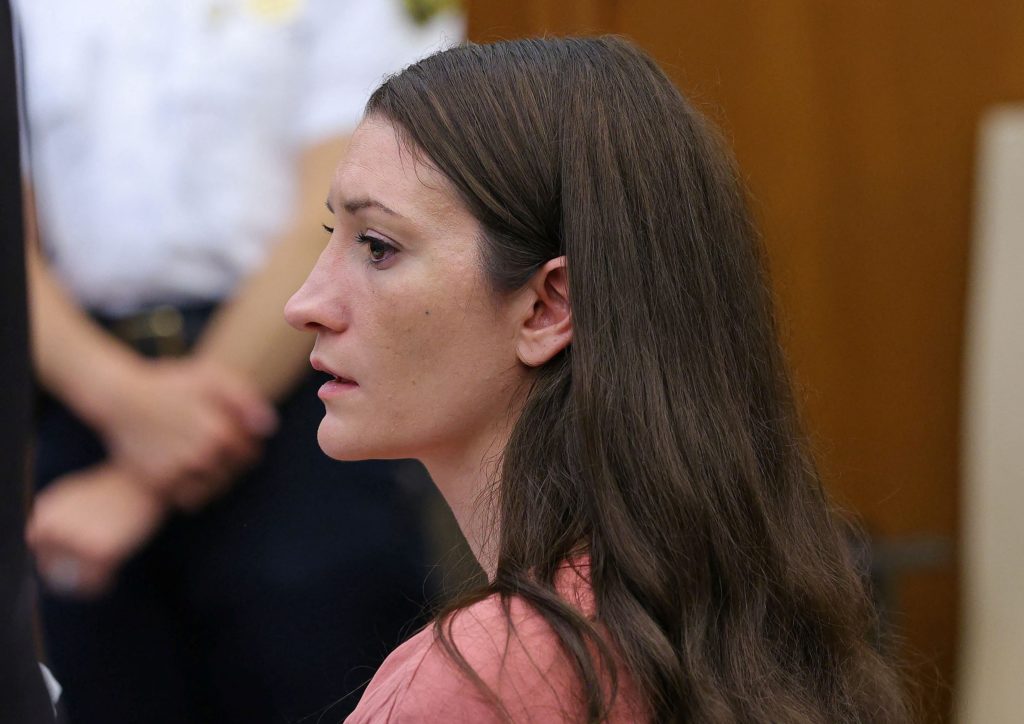
As the trial day concludes with Judge Sullivan denying the defense’s motion for a mistrial, the courtroom theatrics cannot overshadow the haunting questions raised by those closest to the tragedy. As discussed on 15 Minutes of Murder Wednesday Night Live by host Tanisha and guest Kirstin, both Lindsay’s mother and Patrick’s mother have made it clear that she was desperately crying out for help for weeks. From my perspective as a professional TV producer and the creator of 15 Minutes of Murder, the real story isn’t just the verdict—it is how the system completely failed this family. Our ethical duty as investigative creators is to look past the transactional court theater and demand absolute medical transparency. True accountability means shifting the public conversation away from casual entertainment and focusing on the systemic healthcare gaps that left Cora, Dawson, and Callan unprotected.
Go Deeper: Check out our Ask a PI series on our video tab or launch our YouTube Channel for deep-dive criminal defense insights from our team.
Leave a Reply