Category: True Crime

  • 3 Moves Defense Attorneys Use to Stop a Retrial After a Hung Jury

    3 Moves Defense Attorneys Use to Stop a Retrial After a Hung Jury


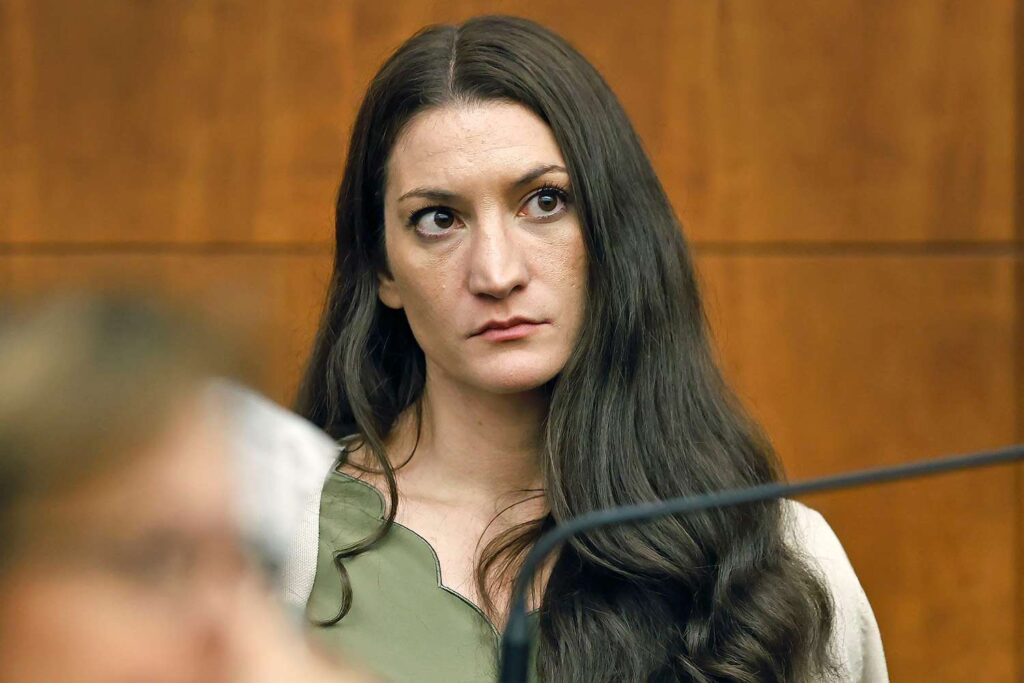
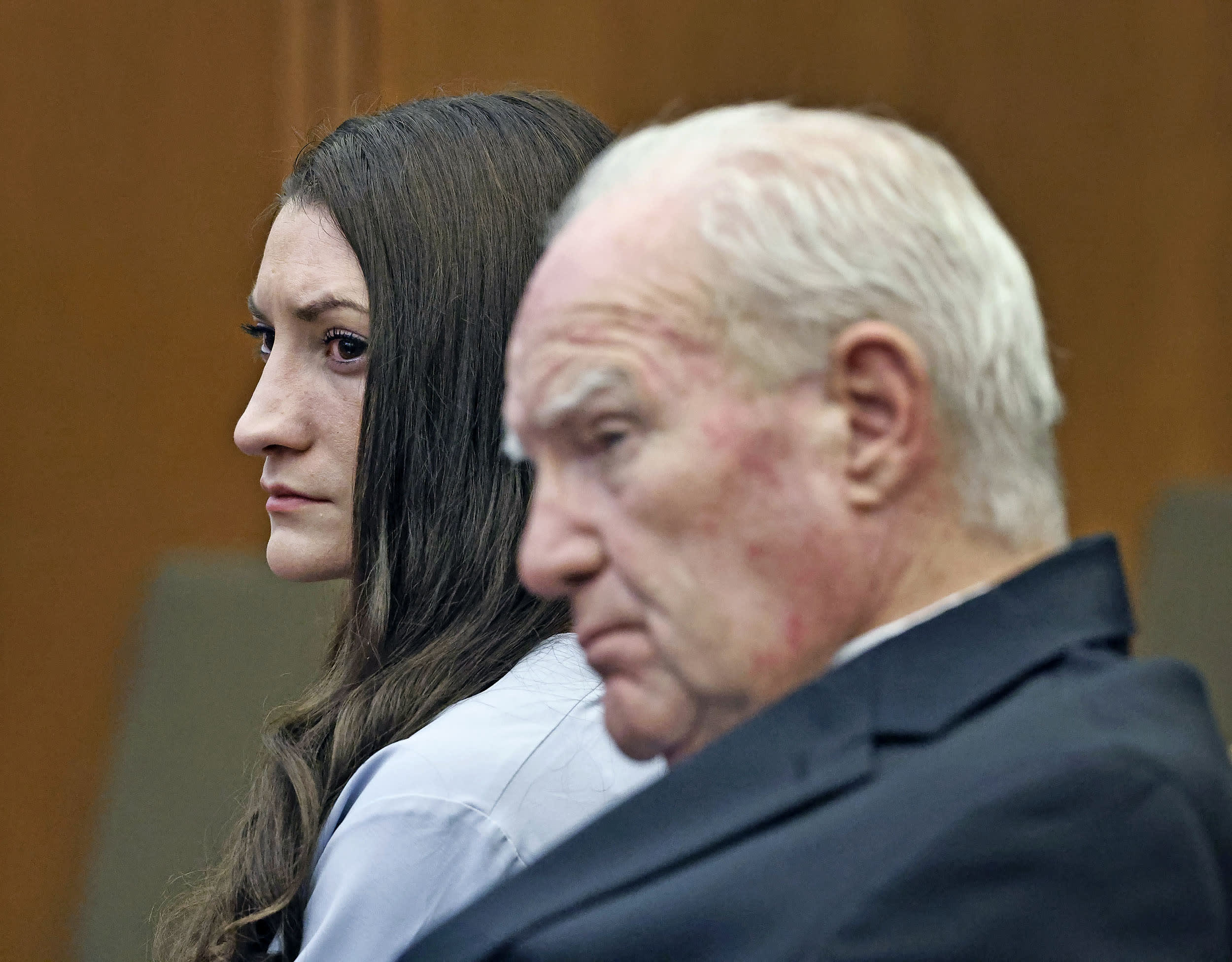
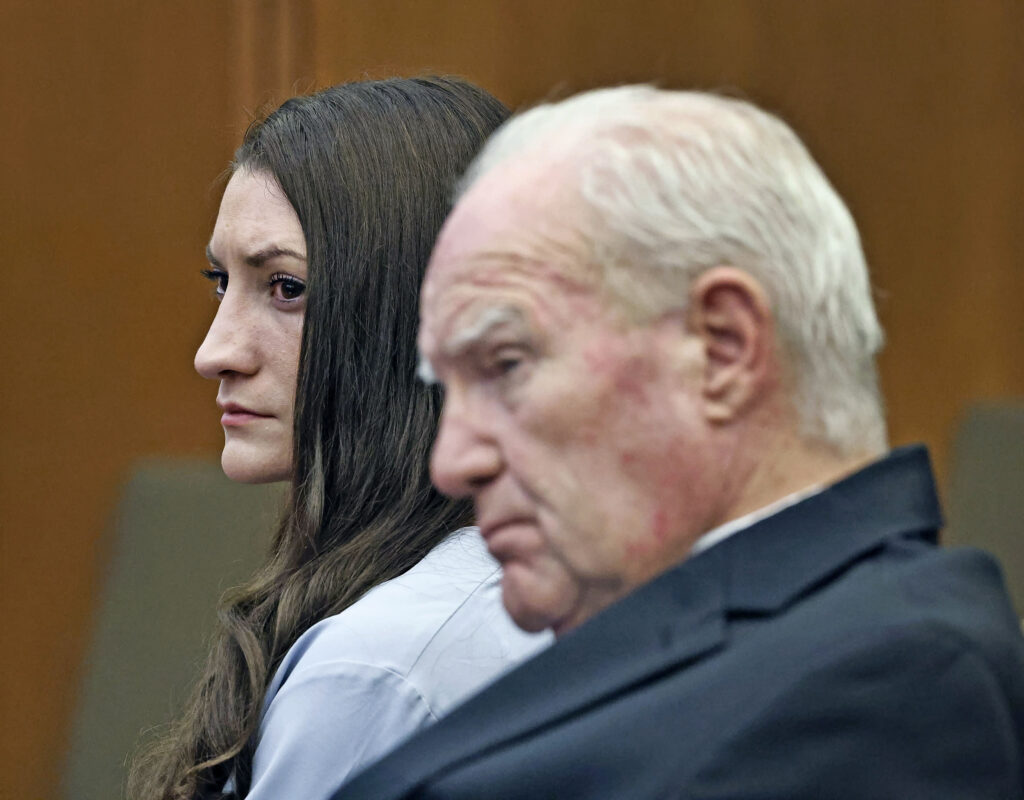
    Lindsay Clancy and her lawyer sit in a courtroom with serious looks and red eyes on their faces during closing arguments
    Lindsay Clancy and attorney Kevin Reddington listen to the closing arguments. Greg Derr / Pool via The Patriot Ledger

    Most people assume that the mistrial in the Lindsay Clancy case simply resets the clock for a second round in court. In reality, her defense team is using the deadlocked jury as a major tactical opening. Rather than prepping for a new trial, they have gone straight to the judge, filing legal motions to get the charges dropped altogether before a second trial can even be scheduled.


    Why It Matters

    A mistrial does not mean prosecutors get an automatic do-over. The path forward between a hung jury and a second trial is heavily shaped by defense motions. In this window, her lawyers are aggressively pushing to have the case legally dismissed so a second trial never happens.

    The Next Date on the Clock

    Massachusetts authorities have not announced if they will pursue a second trial. However, a major court hearing is officially scheduled for September 29. The legal arguments filed between now and that date will dictate the entire direction of the case.

    The Three Definitive Paths

    Moving forward from this jury deadlock, the case is limited strictly to three outcomes:

    A judge’s dismissal: The judge grants a defense motion to end the case legally based on insufficient evidence.

    An immediate retrial: Prosecutors choose to pick a new jury and start over.

    A negotiated resolution: Both sides agree to a plea deal to avoid another trial.
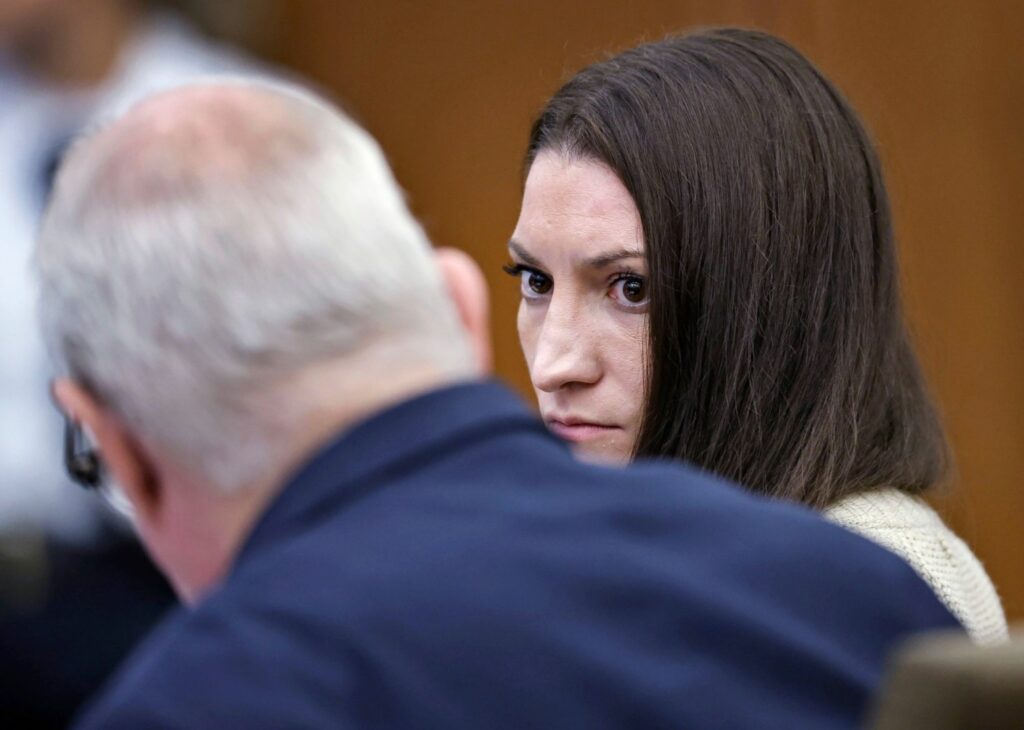

    Lindsay Clancy in courtroom talking to her lawyer with a focused look on her face with long dark hair and a beige sweater on.
    Defendant Lindsay Clancy talks with her lawyer Kevin Reddington. during her murder trial at Plymouth Superior Court. (Greg Derr/The Patriot Ledger via AP, Pool)

    Our PI’s Investigative Take: The Endless Trial Loop

    “You wanna try this lady one time, two times, three times? You wanna keep going until you finally get the verdict that you like?” notes Desiree, the licensed Private Investigator for 15 Minutes of Murder. “That is the exact, exhausting cycle that defense attorneys are essentially trying to prevent behind closed doors right now. A mistrial shatters the state’s momentum, and forcing a family through the entire emotional and financial wringer over and over again until a prosecutor gets the specific win they want eventually crosses the line into a systemic breakdown.”

    A Producer’s Perspective

    “Watching the chaos of a deadlocked jury from a production booth shows you just how fragile the justice system really is,” notes the Executive Producer of 15 Minutes of Murder. “People assume a mistrial resets the scoreboard to zero. In reality, a hung jury gives a sharp defense team a massive opening to strip away the prosecution’s leverage.”

    Understanding this hidden legal strategy is core to the show’s mission:

    • Beyond the headlines: “We frequently talk about how high-stakes cases like this intersect with severe mental health crises,” the producer says. “But true justice means looking past internet commentary to evaluate how the law actually works.”
    • Why transparency matters: “Stripping away the bias means showing our audience exactly how defense motions and closed-door negotiations operate. That is how we give people total clarity before the next gavel falls on September 29th.”
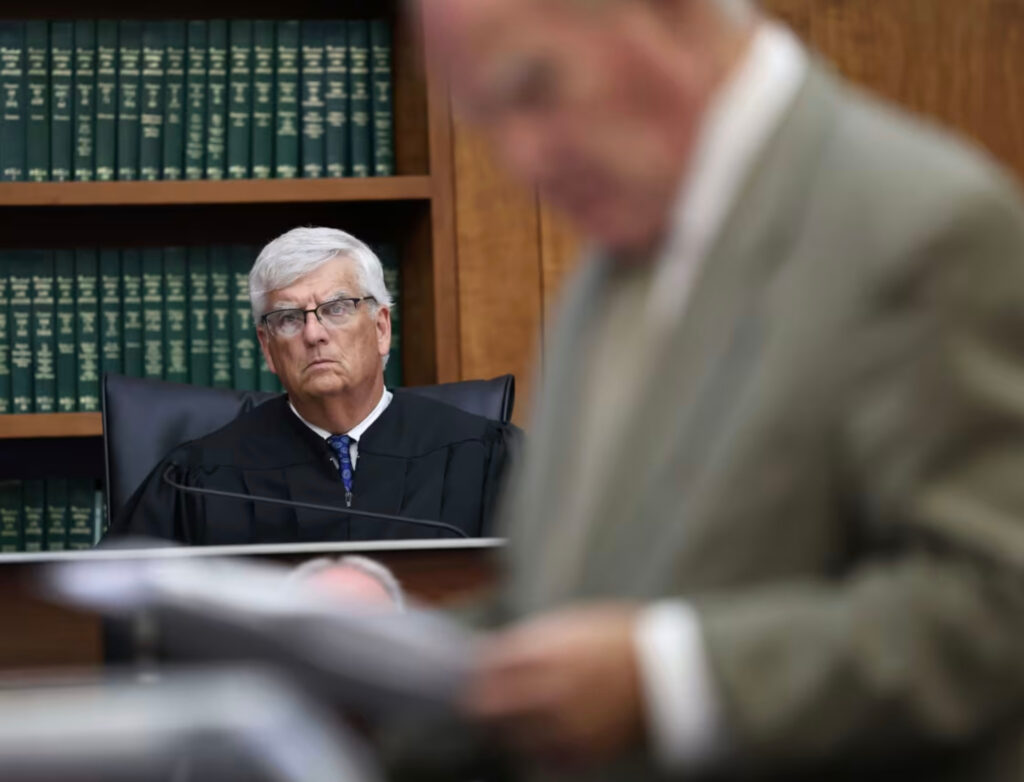
    Judge William Sullivan in the Linday CLancy trial sits in his black judges robes wearing glasses with white hair
    Judge William Sullivan listens to attorney Kevin Reddington. Greg Derr / Pool via The Patriot Ledger

    Share Your Thoughts: When a multi-week murder trial ends in an 11-1 split, do you believe prosecutors should be allowed to retry a suspect indefinitely, or should there be a strict legal limit on how many chances the state gets? Let us know your perspective in the comments below.


    Go Deeper: Check out our Ask a PI series on our video tab or launch our YouTube Channel for deep-dive criminal defense insights from our team.


  • I-4 Highway Corridor Mystery: Why Florida’s Fast Transit Lines Shield Transient Predators

    I-4 Highway Corridor Mystery: Why Florida’s Fast Transit Lines Shield Transient Predators


    A lone semi-truck trailer parked on a dark, isolated asphalt lot at night, illuminated only by a distant, dim street lamp under a pitch-black sky.
    For decades, the pitch-black shoulders of Florida’s highways hid a recurring nightmare. (Photo: Pixabay)

    A chilling reality has been forcing its way to the surface of Central Florida’s transit network. Investigative profiles reveal that the rapid expansion of major interstate corridors has inadvertently created the ultimate hunting grounds for transient predators—turning normal, everyday commuter routes into active jurisdictional black holes.


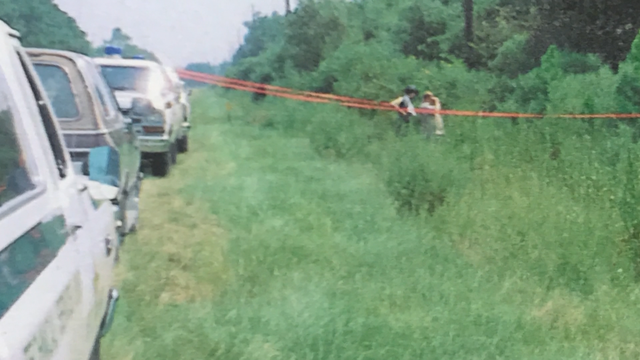
    A crime scene photograph showing a rural road bordered by thick Florida brush, pine trees, and overgrown foliage. Yellow police line tape is strung across the frame, blocking access to the wooded area off the side of the road.
    The wooded roadside in Lake County, Florida, where the remains of Pamela Leigh Walton were discovered in 1988. The isolated, rural terrain closely mirrors the area where Rebecca Sue Hill was found just a few years prior. (Photo courtesy of the Lake County Sheriff’s Office)

    • Why It Matters: Millions of drivers navigate the Interstate 4 network day in and day out, completely blind to its dark investigative history. Between the 1970s and 1990s, at least 19 women vanished or were found dead along this exact concrete artery, baffling multi-county sheriff departments for decades.
    • Hiding in Plain Sight: The terrifying nature of highway serial crime is how normal the environment feels. Predators do not require hidden underground fortresses; they utilize the public nature of truck stops, rest areas, and exit ramps to select targets and vanish in plain sight.
    • The Mobility Factor: Highways and surrounding transit lines provide a transient killer with an exceptional tactical advantage: geographic detachment. A predator can operate in one jurisdiction and dump a victim across a county line within 30 minutes, counting on fragmented local paper records to prevent police from spotting the overlapping patterns.
    • Tracing the Gaps: Because historic highway files frequently involve out-of-state victims who were just traveling through the region, the initial timelines are heavily fractured. When an individual disappears from a transit hub, separating their final steps from the thousands of passing vehicles is one of the steepest mountains an investigative network can climb.

    Dark, eerie empty highway at night in Florida under dim streetlights, setting a true crime atmosphere.
    A Dark empty highway at night in Florida under dim streetlights (Image by StockSnap from Pixabay)

    A Producer’s Perspective: The Psychology of the Asphalt

    “When you analyze the geometry of these historic Florida highways, you realize that the open road provides the ultimate shield for human predators,” notes the Executive Producer of 15 Minutes of Murder. “We treat these highways as a basic, everyday convenience to get to work or go on vacation. But to a calculating predator, an interstate is a high-speed pipeline of total anonymity.”

    The producer notes that breaking these patterns requires a profound shift in true-crime storytelling: “A standard police log only demands clinical metrics and hard biological data—but our core philosophy with our new investigative blocks is to look past the cold ink of the folder to give these 19 forgotten women their humanity back. They weren’t just anonymous data points left on a shoulder; they were real people cut down by a system that shielded their killers. True justice requires us to look directly into that darkness, center the victims, and forcefully expose the psychological profiling and regional warning signs before history is allowed to repeat itself.”


    Go Deeper: For an in-depth, atmospheric exploration into the hidden forensic history, regional profiling, and cold case tracking files of the Interstate 4 corridor network, review the full studio analysis in the player below.


    Share Your Thoughts: Do you feel that modern interstate transit routes require tighter digital security infrastructures like mandatory automated license plate readers at every exit, or does that infringe too much on public privacy? Let us know your perspective in the comments below.


  • I-4 Corridor Mystery: Elite Forensic Hunt Ties Two ‘Sister Files’ to Long-Haul Trucker Tracker Network

    I-4 Corridor Mystery: Elite Forensic Hunt Ties Two ‘Sister Files’ to Long-Haul Trucker Tracker Network


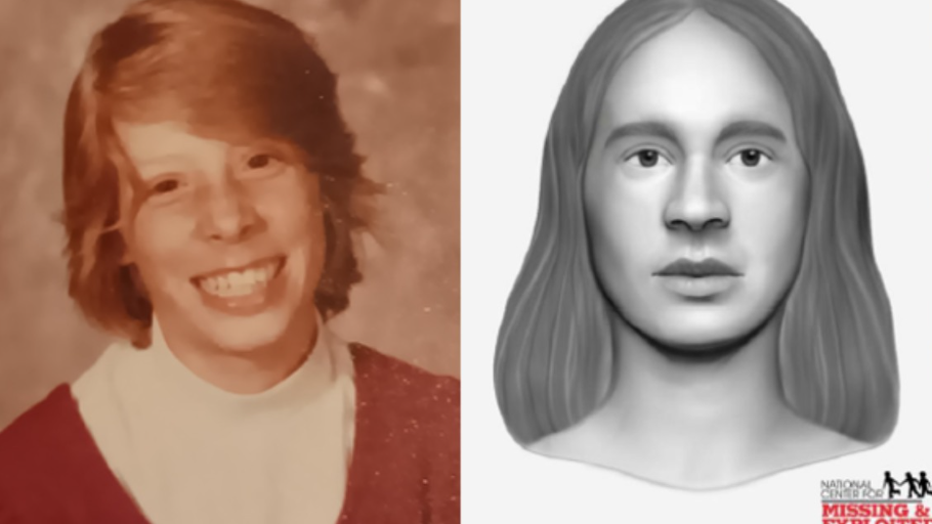
    A side-by-side comparison image. On the left is a vintage school portrait of a young Rebecca Sue Hill smiling. On the right is a forensic composite sketch depicting an age-progressed version of how she might have looked as an older adult.
    The childhood school portrait of Rebecca Sue Hill alongside an age-progressed composite sketch. Forensic artists created the image to simulate what she may have looked like in her later years before her identity was confirmed. (Photo courtesy of the Lake County Sheriff’s Office)

    A sharp strategic pivot by Central Florida cold case investigators has narrowed the hunt for an unmapped 1980s serial predator. By isolating two prominent, newly identified “sister files” out of Lake County, detectives are examining a terrifying geographic timeline that strongly suggests both victims fell prey to long-haul transit predators.


    Black and white high school yearbook portrait of a young Pamela Leigh Walton, pictured prior to her transition as a clean-shaven male youth with short, neatly combed dark hair, wearing a dark formal suit jacket and white collared shirt.
    Pamela Leigh Walton high school photo courtesy: Lake County Sheriff’s Office

    • Why It Matters: The Interstate 4 corridor network provided late-70s and 1980s predators with the ultimate weapon: total transit anonymity. Long-haul truck drivers could exploit a highway exit, dump an out-of-state victim across a county boundary, and count on fragmented paper filing systems to evade local tracking networks.
    • The ‘Judy Doe’ Breakthrough: For 40 years, the Lake County Sheriff’s Office carried only two unidentified female homicide files from the 1980s. The first cracked in January 2025 when advanced DNA profiling identified “Judy Doe” as 16-year-old Rebecca Sue Hill, a missing teenager from Arkansas whose body was left discarded in the Altoona brush off a dirt road.
    • The ‘Julie Doe’ Sister File: The second file matched the exact tracking geometry. In March 2025, forensic genealogy restored the true identity of “Julie Doe,” revealing her as 25-year-old Pamela Leigh Walton of Kentucky. Her remains were discovered dragged just 30 feet off the shoulder of County Road 474 in Clermont—a major transit connector.
    • The Out-of-State Blueprint: Neither victim had local family ties to Florida. The geographic layout of the body drops—both placed in thick, deep woods directly off major highway transit lines—perfectly mirrors the criminal signature of a commercial trucker operating a mobile crime scene.

    A crime scene photograph showing a rural road bordered by thick Florida brush, pine trees, and overgrown foliage. Yellow police line tape is strung across the frame, blocking access to the wooded area off the side of the road.
    The wooded roadside in Lake County, Florida, where the remains of Pamela Leigh Walton were discovered in 1988. The isolated, rural terrain closely mirrors the area where Rebecca Sue Hill was found just a few years prior. (Photo courtesy of the Lake County Sheriff’s Office)

    A Producer’s Perspective: The Digital Dragnet Closing In

    “When you sit in a post-production studio tracing the geometry of these specific sister files, the long-haul trucking theory becomes impossible to ignore,” notes the Executive Producer of 15 Minutes of Murder. “Rebecca Sue Hill and Pamela Leigh Walton were completely lost in a jurisdictional black hole for over four decades. Predators in that era relied on the fact that local sheriff departments simply didn’t have the integrated digital networks to spot overlapping highway patterns.”

    The producer emphasizes that this dual-profile is the foundation of their upcoming series:

    “A standard police log only demands clinical metrics—but our ultimate goal is to look past the ink to give these victims their real lives back. Rebecca and Pamela were young women with futures, erased by a highway system that shielded their killers. Their files belong to a much larger, chilling pattern of at least 19 other victims who vanished or were found dead along this exact Interstate 4 network between the 1970s and 1990s. True justice requires an independent media lens to forcefully expose the broader regional psychological patterns that allowed these predators to operate in plain sight.”


    Premiere Tracking Alert: To step directly into the forensic files and the deep, haunting history of Florida’s hidden transit predators, join our team the evening of 9/13/2026 or anytime after for the highly anticipated premiere of 15MM presents: After Dark — The Corridor (Part 2), streaming on all major podcast outlets (Spotify, Apple, Amazon, iHeart Radio, and more).


    Share Your Thoughts: Do you believe transit corridors and truck stop networks require stricter surveillance infrastructure to permanently dismantle predator anonymity, or is public privacy more important? Let us know in the comments below.


  • Airbnb Tragedy: Our Team  Exposes Hidden Rental Risks After Shocking Florida Neighbor Slayings

    Airbnb Tragedy: Our Team Exposes Hidden Rental Risks After Shocking Florida Neighbor Slayings


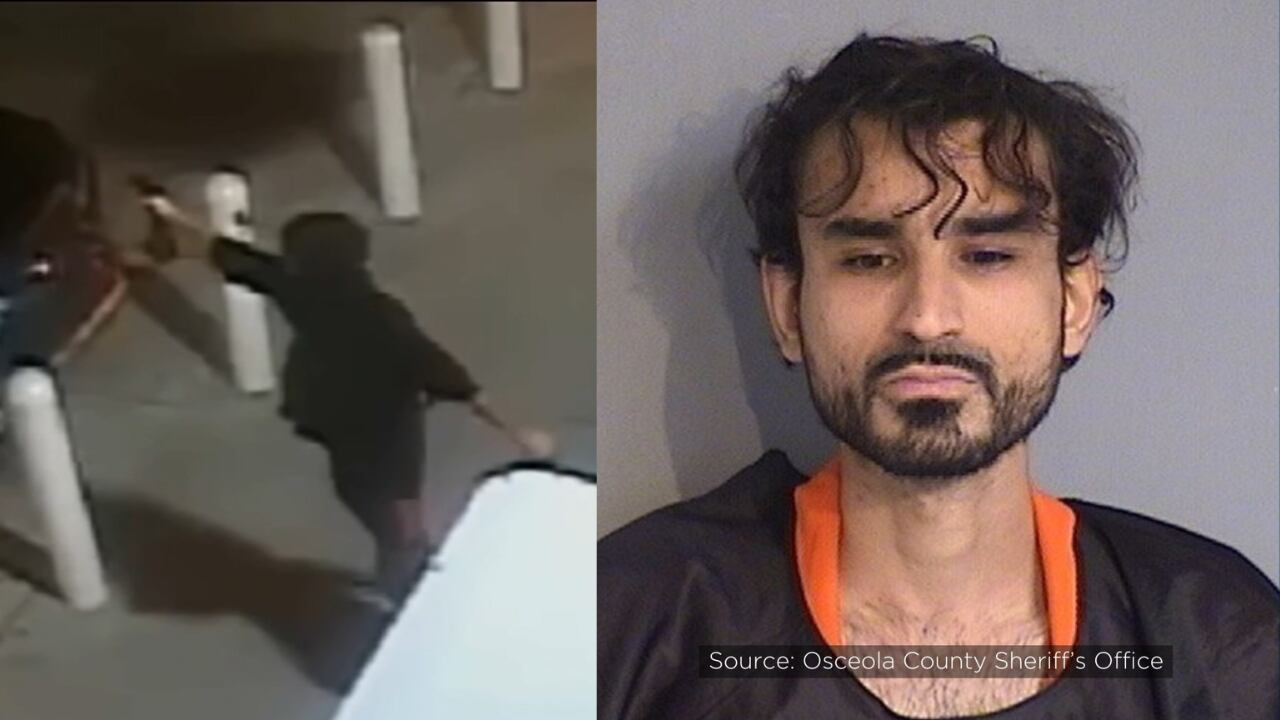
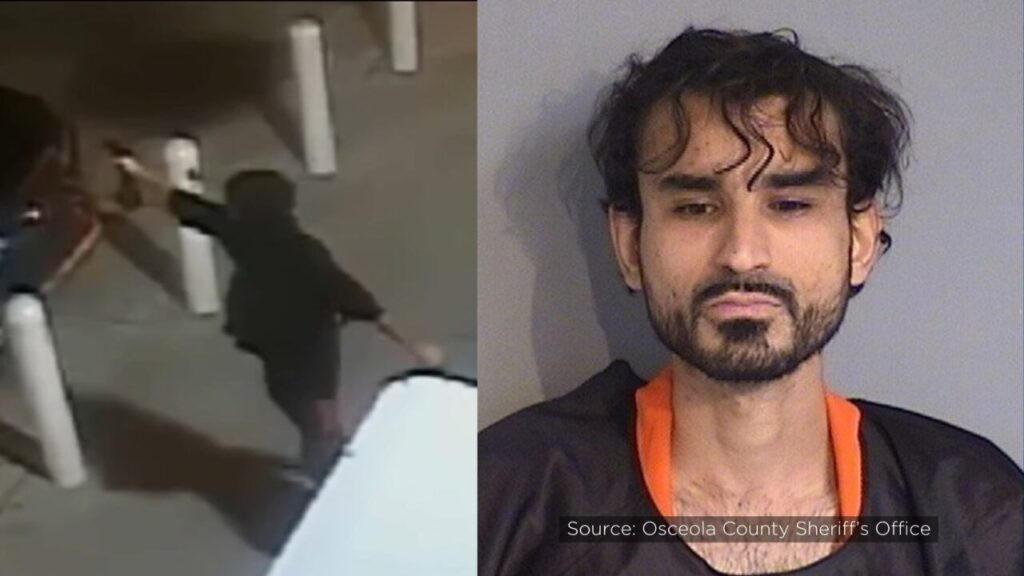
    Split-screen image showing the mugshot of suspect Ahmad Jihad Bojeh next to a security camera frame of a man pointing a firearm.
    Ahmad Jihad Bojeh (right) in a booking photo, alongside surveillance footage (left) captured moments before the fatal triple shooting. (photo Osceola County Sheriff’s Office)

    A chilling courtroom update out of Central Florida has exposed the ultimate unmonitored risk of modern vacation rentals. A judge has officially ruled Ahmad Bojeh competent to stand trial for a ruthless driveway triple homicide—reigniting a national true crime conversation about the dangerous security gaps travelers face when renting residential spaces.


    Three smiling men posing together outdoors while holding a giant wooden novelty courtroom mallet.
    From left: James Puchan, Douglas Kraft, and Robert Kraft smiling together while holding a novelty oversized courtroom gavel. (Photo courtesy of Kraft and Puchan families via the Osceola County Sheriff’s Office)

    • Why It Matters: When travelers book a short-term rental, they meticulously check reviews and interior photos. But court records confirm the terrifying reality of the modern sharing economy: travelers have absolutely no background data on the mental stability or violent history of the neighbors living just feet away.
    • The Driveway Ambush: In early 2026, three out-of-state tourists—James Puchan, Douglas Kraft, and Robert Kraft—rented a quiet Kissimmee property for the Mecum Car Show. When their vehicle experienced a mechanical failure on the driveway, Bojeh allegedly launched an unprovoked, sniper-style ambush, executing all three men out in the open.
    • The Worst Neighbors Ever: Investigative files revealed Bojeh had a severe history of psychological instability and was previously found not guilty by reason of insanity for a separate regional shooting, turning the quiet vacation street into a hidden, active danger zone.

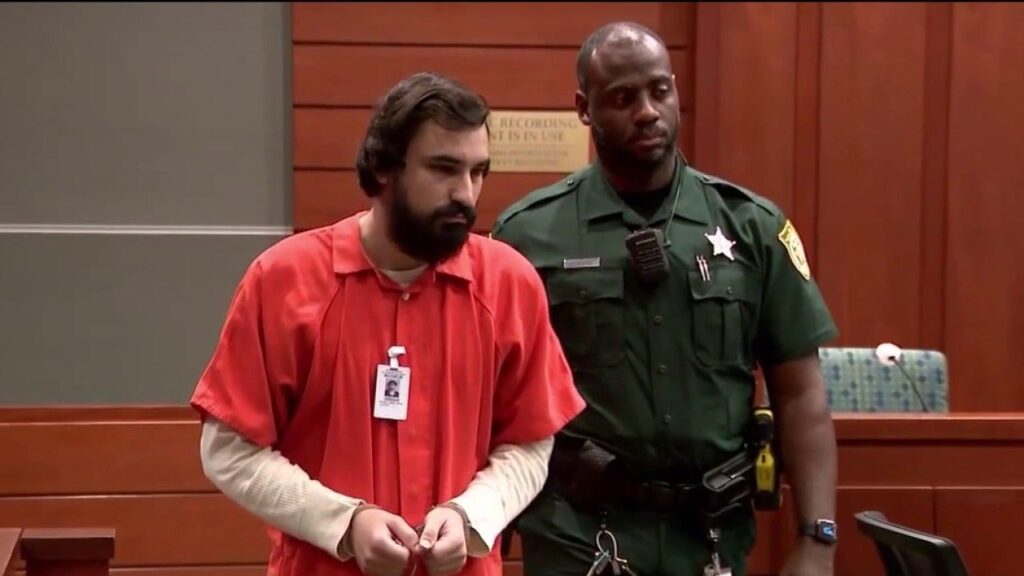
    Ahmad Jihad Bojeh stands in a Florida courtroom next to a police officer during a legal proceeding regarding his mental evaluation.
    Ahmad Jihad Bojeh appears in an Osceola County courtroom during a competency hearing, where a judge ruled him mentally fit to stand trial after experts testified he was feigning psychiatric symptoms. (Photo: Pool Image)

    A Producer’s Perspective: Shattering the Vacation Illusion

    “We recently did a deep-dive on the Netflix series on Worst Neighbor Ever, analyzing how localized domestic tension can escalate into pure violence,” notes the Executive Producer of 15 Minutes of Murder. “But when you take that exact psychological breakdown and introduce unsuspecting out-of-state tourists who are completely blind to the local neighborhood landscape, it creates an entirely different level of vulnerability.”

    The producer notes that the commercial lodging industry requires a structural shift:

    “A traditional hotel has on-site security, continuous surveillance networks, and a secured perimeter. A short-term suburban rental has none of that. You are entirely exposed to whatever chaos exists across the property line. Try to look straight past the tourist brochures to expose the psychological imbalances and mental health failures that cause these tragedies. True safety requires travelers to maintain high situational awareness, understand their geographic terrain, and realize that a vacation app cannot guarantee neighborhood security.”


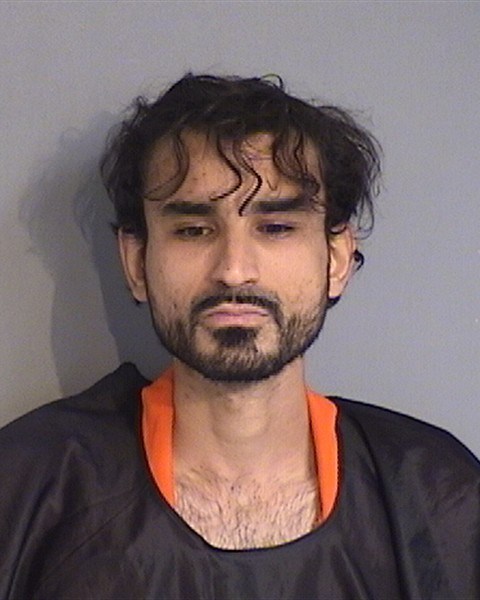
    Mugshot of Ahmad Jihad Bojeh looking directly into the camera against a neutral background.
    Ahmad Jihad Bojeh in a booking photograph provided by the Osceola County Sheriff’s Office following his arrest.

    Share Your Thoughts: Do you believe vacation rental platforms should be legally mandated to provide neighborhood crime data and proximity risk alerts to guests before booking, or is neighbor behavior outside their control? Let us know in the comments below.


    Go Deeper: Check out our coverage on the Netflix documentary Worst Neighbor Ever below for a deep-dive on this topic and more.


  • Poison Plot Slayings: The Dark Psychology Behind a New York Mother and Grandmother’s Fatal ‘Folie à Deux’

    Poison Plot Slayings: The Dark Psychology Behind a New York Mother and Grandmother’s Fatal ‘Folie à Deux’


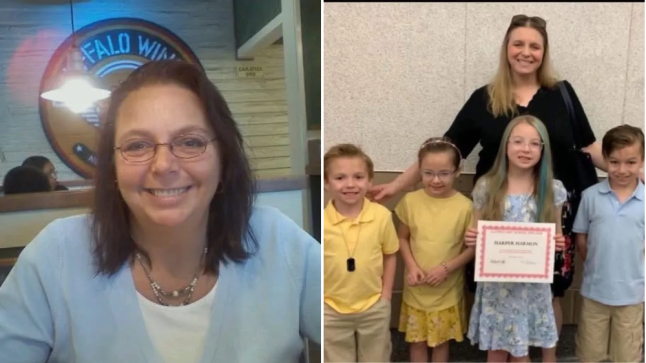
    A side-by-side composite photo. On the right, Sarah Myers smiles alongside her four children: Harper, Hudson, Gavin, and Gracelynn. On the left, grandmother Amy Steadman poses for a portrait. Both images are sourced from family social media accounts.
    From left to right: Grandmother Amy Steadman, and Sarah Myers with her children. Legal authorities confirmed the family members’ identities following the tragic incident in Mechanicville, N.Y. | Photo: Social Media

    Bombshell forensic files released by New York State Police investigators have exposed the disturbing mechanics of a coordinated family annihilation. Official reports confirm a mother and grandmother conspired through covert text messages to systematically poison four children inside their Mechanicville, NY apartment to evade a bitter legal tracking battle.


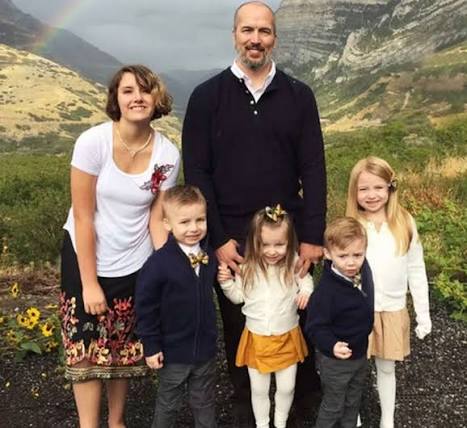
    A family photo showing the father Brady Harmon smiling alongside his four children, Harper, Hudson, Gavin, and Gracelynn, in an outdoor setting.
    The four children—Harper, Hudson, Gavin, and Gracelynn—pictured with their father Brady Harmon in Mechanicville, N.Y. | Photo: Social Media

    The Real-World ‘Folie à Deux’ Delusion

    Pop culture fans heavily recognize the phrase from the Joker: Folie à Deux film, where the term literally translates from French to mean the “madness of two.” In clinical psychiatric profiling, it defines an incredibly rare and terrifying shared psychosis where two deeply isolated individuals systematically fuel and absorb each other’s severe mental delusions.

    While fiction explores this as a cinematic concept, New York investigators are now revealing the real-world horror of the phenomenon. In the case of Sarah Myers and Amy Steadman, this shared madness completely warped the maternal instinct—transforming a mother and a grandmother into a coordinated, calculating unit that used a dark poison blueprint to escape reality. 

    • The Toxic Breakdown: Post-mortem analysis revealed 13-year-old Harper, 11-year-old Hudson, and 10-year-old twins Gavin and Gracelynn were administered massive, lethal combinations of over-the-counter sleep medications and prescriptions inside the apartment. 
    • The Text Message Blueprint: Mechanicville Police Chief William Rabbitt confirmed that Sarah Meyers, 44, and her mother Amy Steedman, 64, planned the execution layout weeks in advance. In horrific real-time text logs exchanged while the children were actively dying, Meyers messaged her mother: “It’s not working we need another option.” 
    • The Fatal Struggle: The timeline turned violent when 10-year-old Gavin realized what was happening and attempted to defend himself. Forensic tracking indicates either the mother or grandmother utilized a knife to fatally assault the child during the struggle. 
    • The Custody Clock: The final forensic timeline reveals the conspiracy culminated just days before the children were legally ordered to be reunited with their father in Utah for a two-month summer visitation, ending a multi-year litigation deadlock. 

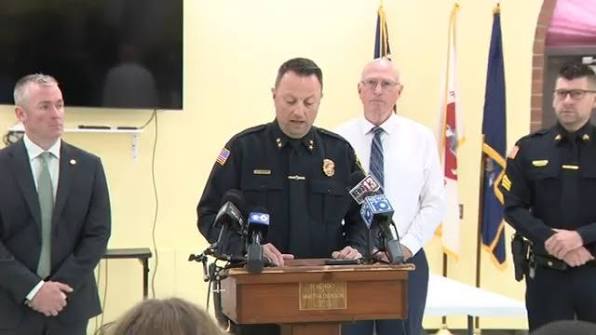
    Mechanicville Police Chief William Rabbitt speaks from a podium during an official law enforcement press conference. He is wearing his uniform, standing in front of microphones with official seals in the background.
    Mechanicville Police Chief William Rabbitt addresses reporters during a joint press conference regarding the multi-agency investigation. | Photo: Facebook

    A Producer’s Perspective: Exposing the Shared Delusion

    “When you see a mother and a grandmother unite to systematically destroy an entire generation of their own family, you are looking at a complete psychological collapse of the maternal instinct,” notes the Executive Producer of 15 Minutes of Murder. “The fact that they used clinical planning—hiding behind handwritten rationalizations of ‘protection’—proves just how deeply an undiagnosed mental health crisis can warp a human mind.” 

    The producer notes that the rising visibility of these cases requires an independent investigative lens:

    “From the Lindsay Clancy trial to the Corie Walsh tragedy in Illinois, and now this toxicological case in New York, the public is starting to ask a terrifying question: What is going on!?  With these overlapping headlines dominating our feeds right now, it is easy to view this sudden wave of violence as a modern phenomenon.” says the Producer. Yet, criminologists and historians emphasize that these heartbreaking breaks from reality are not new; they have quietly existed as a tragic constant of the human condition. “These horrific clusters prove that severe, undiagnosed mental health imbalances do not exist in a vacuum. When domestic fighting and isolation take over a household, stable reality can completely fracture. True justice means we stop looking at these files as isolated local incidents, center the memory of innocent children like the Harmon siblings, and expose the psychological warning signs before the loop repeats.”


    Share Your Thoughts: Do you believe family court systems require mandatory mental health evaluations for all parties during high-conflict custody disputes to prevent domestic escalation, or is that a system overreach? Let us know in the comments below.


    Go Deeper: Check out our Ask a PI series on our video tab or launch our YouTube Channel for deep-dive criminal defense insights from our team.


  • Tesla Dismemberment Trial: Family Demands Death Penalty as d4vd Pivots to Public Defender

    Tesla Dismemberment Trial: Family Demands Death Penalty as d4vd Pivots to Public Defender


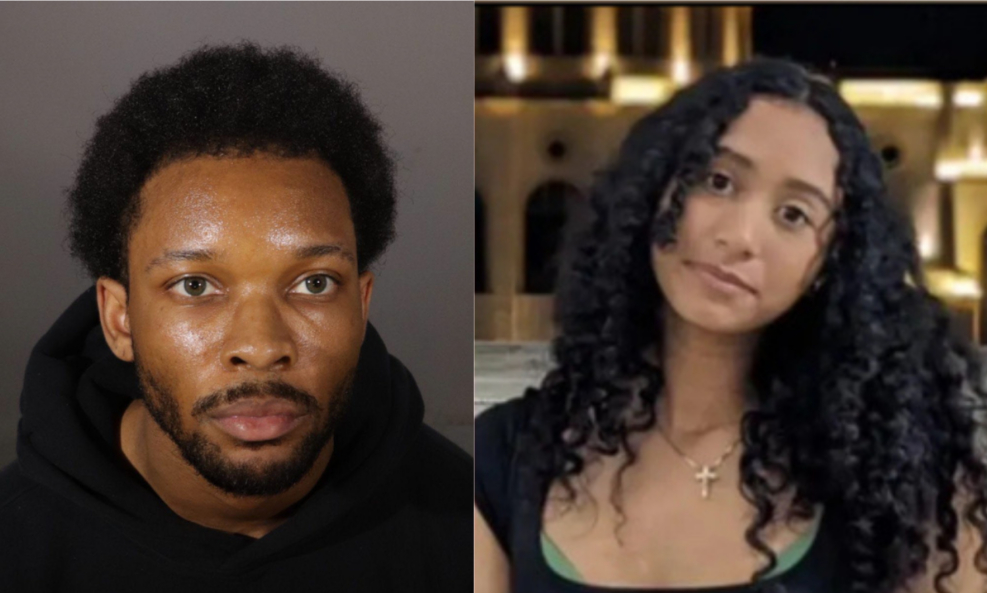
    A side-by-side photo combination. On the left is the official police mugshot of musical artist d4vd (David Burke). On the right is a photo of Celeste released by law enforcement at the start of the investigation.
    Legal shift: Music artist d4vd (left), seen in his mugshot, and the late Celeste Rivas Hernandez (right). The victim’s family is demanding the death penalty after d4vd abruptly switched to a public defender. (Photo of Celeste courtesy of the Riverside County Sheriff’s Department. Photo of d4vd Los Angeles County District Attorney’s Office and the LAPD)

    A massive legal shockwave has hit the high-profile Hollywood Hills homicide trial of chart-topping indie music star d4vd (David Burke). On what would have been her 16th birthday, the family of 14-year-old Celeste Rivas Hernandez filed a wrongful death lawsuit and formally demanded prosecutors seek the death penalty—just days after the multi-million-stream artist’s elite defense team quit. 


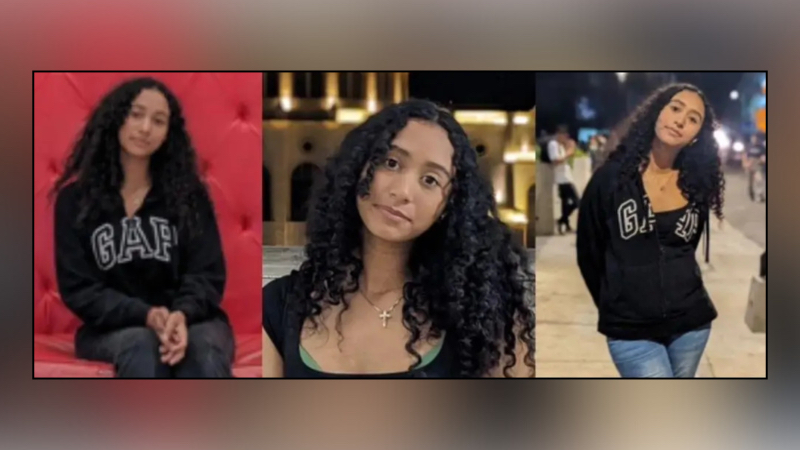
    A side-by-side combination of three different photographs of Celeste Rivas Hernandez, taken at the same location. The images show the teenager prior to her disappearance, presented as part of the public information released regarding the case.
    Images of 14-year-old Celeste Rivas Hernandez, whose family recently marked what would have been her 16th birthday while calling for the death penalty in her murder trial. (photo courtesy of the Riverside County Sheriff’s Department)

    • Why It Matters: Los Angeles District Attorney Nathan Hochman confirmed that due to special circumstances, the 21-year-old singer is fully eligible for the death penalty. The development collides with a sudden legal collapse for Burke, whose high-profile celebrity attorneys walked away from the case.
    • “Devoid of Feelings”: In an emotional statement, Celeste’s family declared that execution “would be perfect for this kind of human being, devoid of feelings and emptiness inside.” The family’s new civil suit labels the timeline a horrifying pattern of grooming, manipulation, and physical abuse.
    • The Tesla Trunk Discovery: The criminal case stems from a ghoulish discovery where Celeste’s decomposed and dismembered remains were found packed into heavy-duty body bags inside the front trunk of an abandoned Tesla registered to the singer.
    • The Public Defender Reality: With his capital dried up and celebrity representation gone, Burke was appointed a state public defender. While online comment sections mock state-appointed counsel, elite public defenders are frequently the most seasoned, trial-hardened capital litigation experts in the country. 

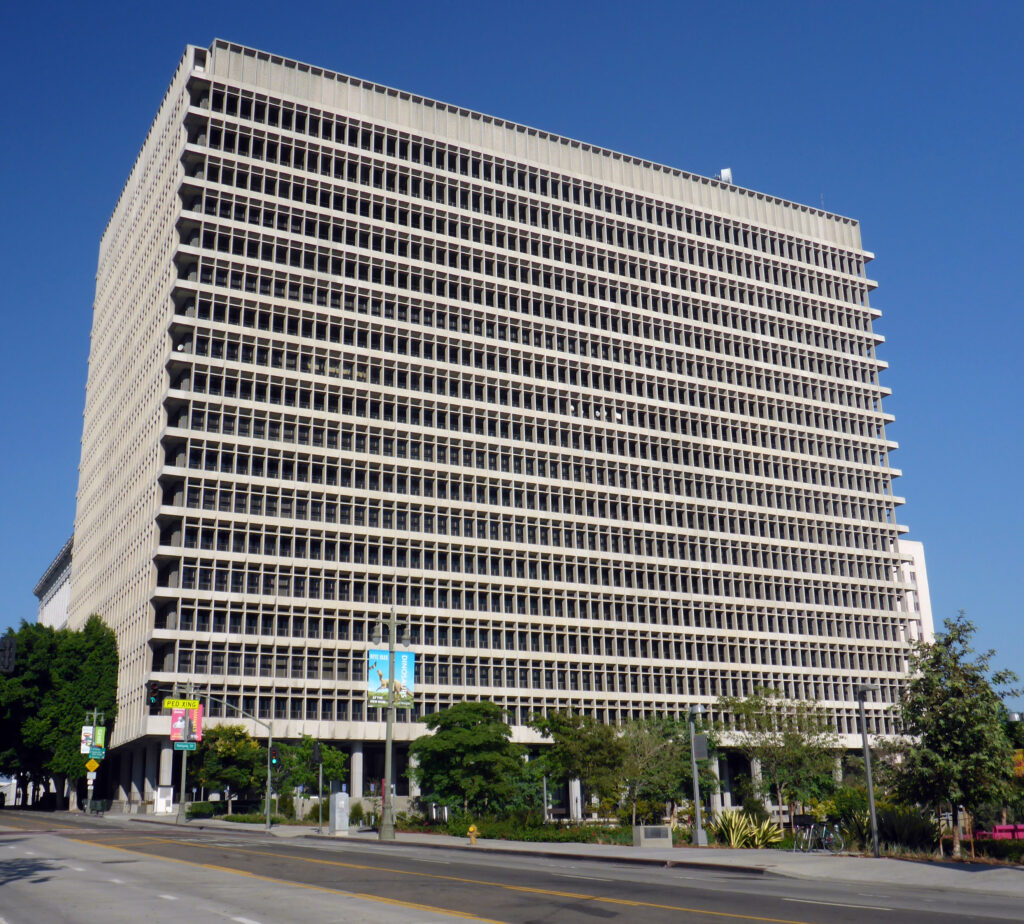
    The exterior of the Clara Shortridge Foltz Criminal Justice Center, a large multi-story mid-century modern concrete courthouse building in downtown Los Angeles.
    The Clara Shortridge Foltz Criminal Justice Center in downtown Los Angeles, where d4vd’s high-stakes murder trial and recent public defender dispute are unfolding. (photo by Coolcaesar – Own work, CC BY-SA 4.0, https://commons.wikimedia.org/w/index.php?curid=36070028)

    A Producer’s Perspective: When the Hollywood Money Runs Dry

    “When you sit in a post-production studio tracing the legal mechanics of these celebrity crimes, you witness a very cold economic reality,” notes the Executive Producer of 15 Minutes of Murder. “High-priced Hollywood defense attorneys put on an incredible show during preliminary hearings, but the very moment a suspect’s multi-million-dollar financial pipeline dries up, those lawyers stop showing up.”

    The producer points to the critical legal shift as the case heads toward potential capital litigation:

    “While the internet looks down on state-appointed counsel, true crime tracking networks know that public defenders handle the hardest heavy-lifting in our justice system. They don’t jump ship when a bank account empties. But as we look at the horrifying details of this Tesla dismemberment file and center the memory of innocent victims like young Celeste, our core remains absolute: almost every single horrific crime like this ultimately routes back to an unaddressed deep mental health crisis. True justice requires an independent look past the celebrity spotlights to ensure the full weight of accountability is delivered.” 


    Share Your Thoughts: Do you believe District Attorney Nathan Hochman should aggressively pursue the death penalty for David Burke, or should the state pursue life in prison without parole? Let us know in the comments below. 


    Go Deeper: Check out our Ask a PI series on our video tab or launch our YouTube Channel for deep-dive criminal defense insights from our team.

  • Lindsay Clancy Effect: Illinois Mother Charged with Toddler’s Murder Was Obsessively Tracking Sanity Trial

    Lindsay Clancy Effect: Illinois Mother Charged with Toddler’s Murder Was Obsessively Tracking Sanity Trial


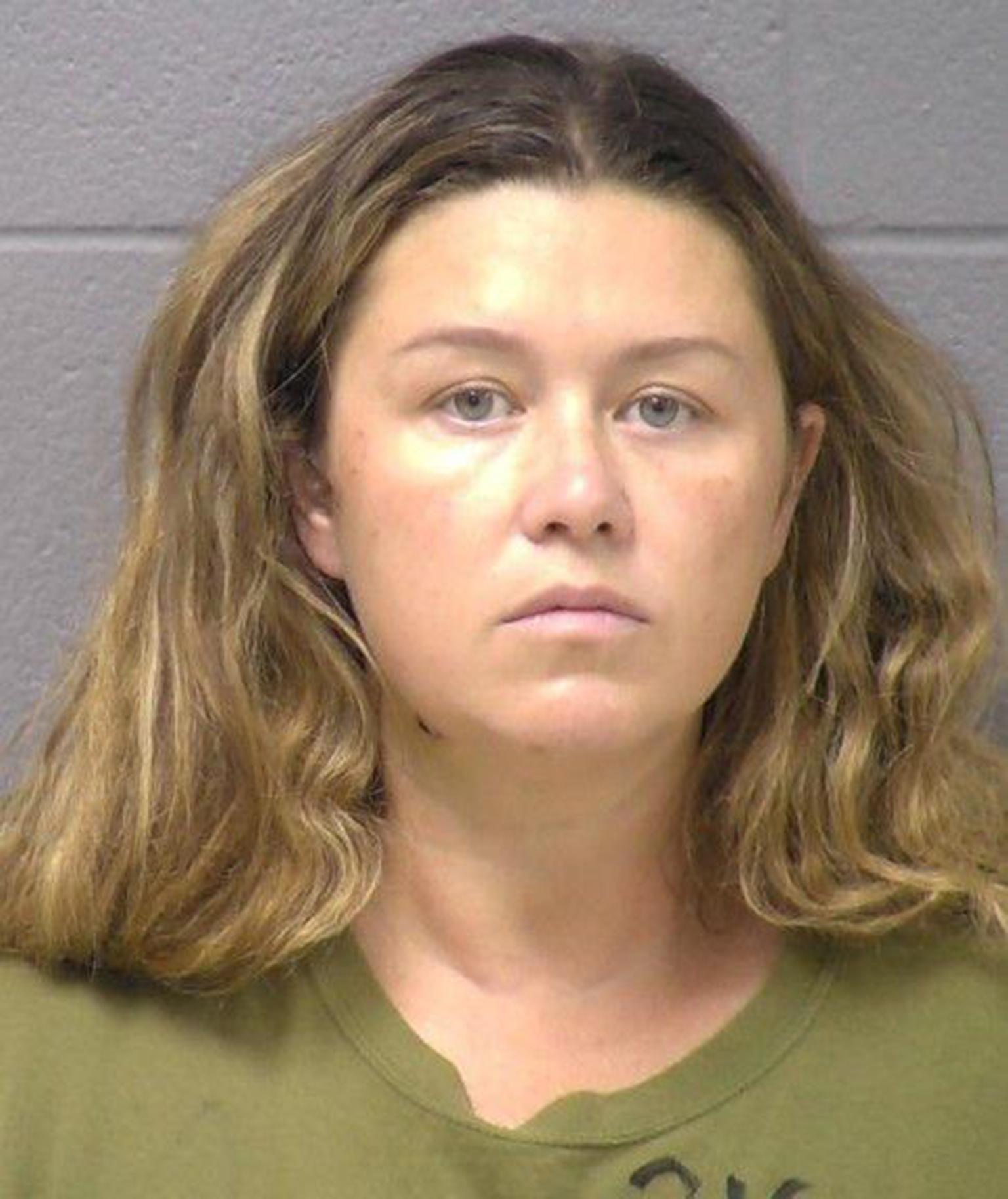
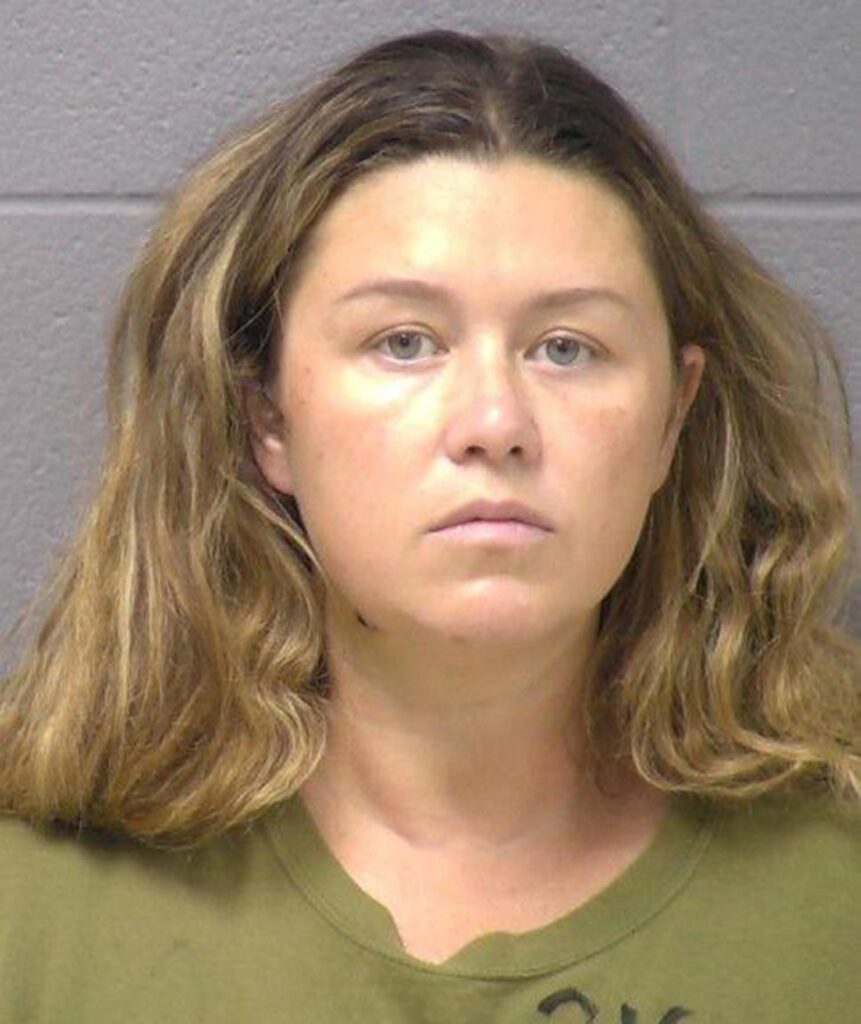
    mug shot of Corie Walsh with bush light brown hair and an army green t-shirt looking disheveled
    Corie Walsh, an Illinois mom accused of killing her toddler after calling him ‘anti-Christ.’ photo Will County Adult Detention Facility

    A horrifying true crime crossover has emerged from a suburban Chicago courtroom. Prosecutors revealed that Corie Walsh, a 40-year-old mother charged with the brutal murder of her 2-year-old son, was deeply obsessed with the nationally watched Lindsay Clancy trial—actively texting friends about the case hours before the homicide. 


    Lindsay Clancy attends her murder trial at Plymouth Superior Court, in Plymouth, Massachusetts, U.S. Greg Derr/Pool via REUTERS

    • Why It Matters: The development exposes a terrifying psychological echo effect. While the nation watched Clancy’s defense battle over criminal sanity in Massachusetts, an unstable mother allegedly utilized the public trial discourse as a disturbing blueprint. 
    • The Dark Timeline: Police discovered the remains of 2-year-old Barrett inside the basement of the family’s McHenry County home. Court records show Walsh had spent the preceding days heavily investing herself in streaming the closing arguments and jury deadlock coverage of the Clancy trial. 
    • The Text Message Trails: Prosecutors unveiled digital forensic data showing Walsh sent multi-sentence text messages analyzing Clancy’s postpartum psychosis defense. In her final messages before her arrest, she allegedly wrote to a friend about how the legal definitions of insanity work during a maternal homicide trial.
    • The First-Degree Charges: Unlike the deadlocked Clancy trial, Illinois prosecutors are moving aggressively with three counts of first-degree murder. The judge ordered Walsh held without bond after state attorneys argued her digital tracking trail proved an intentional, conscious detachment from reality.

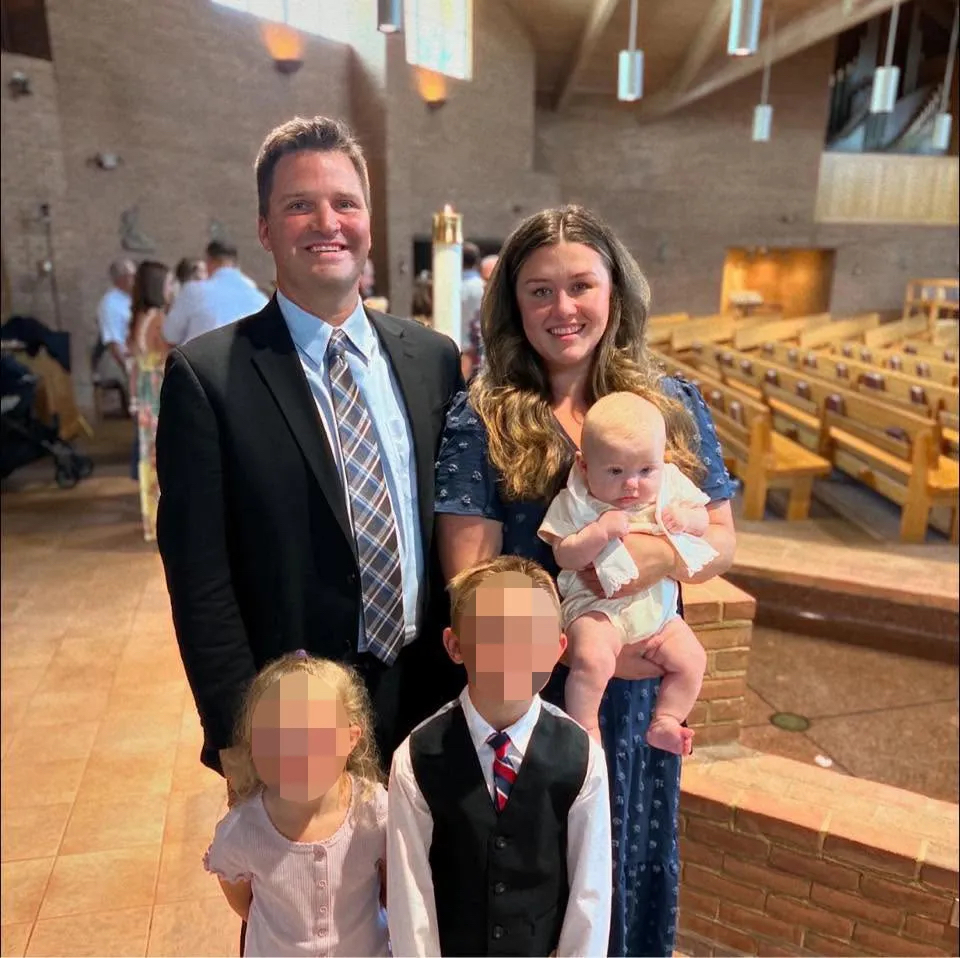
    A young family in church smile for a picture
    Corie Walsh is seen with her family in an undated photo posted to Facebook.

    A Producer’s Perspective: When True Crime Echos into Reality

    “This case shatters everything we think we know about the boundaries of media consumption and mental illness,” notes the Executive Producer of 15 Minutes of Murder. “When a mother becomes so psychologically consumed by a real-time murder trial that she allegedly replicates the tragedy in her own basement, it forces an uncomfortable look at our collective true crime fascination.” 

    “At 15 Minutes of Murder we talk alot about how almost every single homicide ultimately routes right back to severe psychological imbalances or undiagnosed mental health issues. This isn’t just about a standard police log—it’s about an environment where unstable minds can latch onto public media and bend reality. True justice requires us to look directly into this darkness, center the innocent victims like young Barrett, and analyze the psychological warning signs before the loop repeats itself.” 


    Share Your Thoughts: Do you believe high-profile, televised true crime trials can inadvertently serve as a trigger or blueprint for unstable individuals, or is media consumption entirely separate from criminal intent? Let us know in the comments below.


    Go Deeper: Check out our Ask a PI series on our video tab or launch our YouTube Channel for deep-dive criminal defense insights from our team.


  • Michigan Missing Boys Trial: Cell Data Tracks Trucker Father to Remote Wasteland 15 Years After Sons Vanished

    Michigan Missing Boys Trial: Cell Data Tracks Trucker Father to Remote Wasteland 15 Years After Sons Vanished

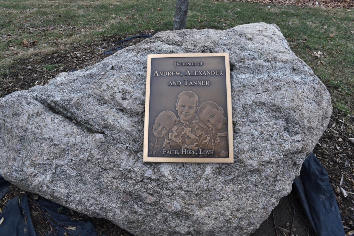
    Three young brothers—Andrew, Alexander, and Tanner Skelton—smiling together outdoors in front of a tree during the day, all wearing matching grey camouflage outfits.
    Andrew, Alexander, and Tanner Skelton pose for a photo in matching camouflage clothing before their disappearance in November 2010. (Photo courtesy of the family)

    A heartbreaking 15-year-old Midwest mystery has dramatically escalated into an active homicide prosecution. A Michigan judge has officially arraigned John Skelton on three counts of open murder, setting a staggering $60 million bond following a massive forensic timeline breakthrough that tracked the long-haul truck driver deep into an isolated wilderness.


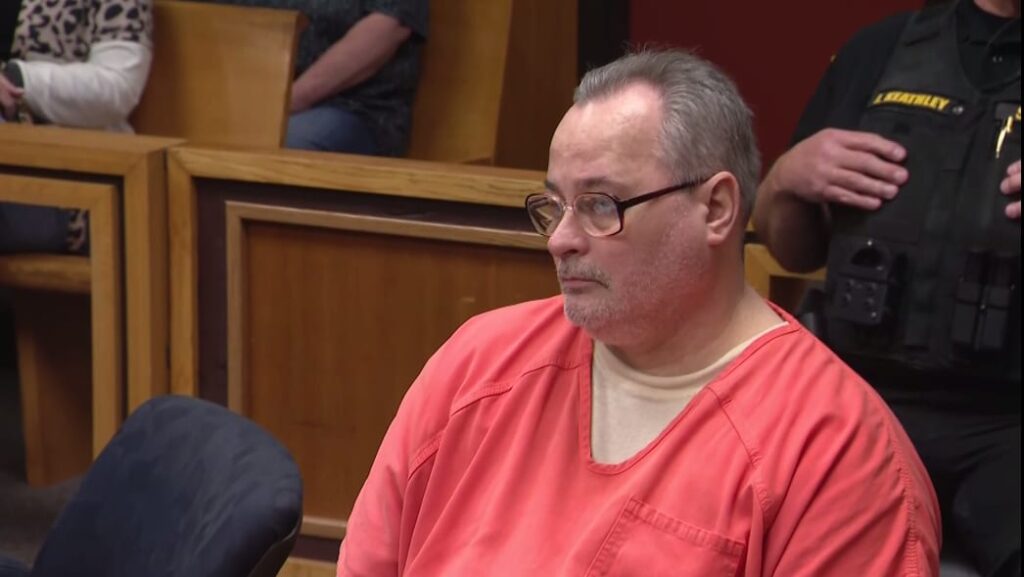
    A close-up photograph of John Skelton looking ahead with a serious expression inside a Michigan courtroom
    John Skelton appears in court for a preliminary exam on Monday, Aug. 24, 2026. (WDIV)

    • Why It Matters: The case has confounded the true crime community since Thanksgiving 2010, when Skelton’s three young sons—Andrew, Alexander, and Tanner—vanished from Morenci, Michigan. Skelton has maintained for over a decade that he gave the boys to an underground sanctuary network, a claim prosecutors just definitively dismantled in court.
    • The Trucker Tracking File: The cold case blew wide open after state tech analysts re-audited legacy cell tower data. Original investigators were tracking a skewed time window, but the updated forensic map places Skelton’s phone deep in an isolated, rural Ohio marshland—far from his home—during the exact midnight hours the boys disappeared.
    • The $60 Million Leverage: The unprecedented $20 million-per-child bond ensures Skelton will remain behind bars through the entire capital litigation process. Prosecutors stated the extreme financial hold was necessary due to high flight risk and the gravity of the newly uncovered digital evidence.

    The Motive: Spite, Control, and Highway Anonymity

    While mainstream reports focus purely on the new cell tower coordinates, court records expose a much darker, psychological undercurrent. The state’s core theory argues that Skelton was consumed by a toxic, retaliatory rage over his impending divorce. Unable to handle the breakdown of his marriage or potential loss of custody, he allegedly used his own children as the ultimate weapons of marital revenge—choosing to inflict permanent emotional devastation on their mother.

    For 15 years, Skelton successfully hid behind elaborate fabrications, utilizing his background as a long-haul driver to blend into transient transit networks. To this day, despite the new murder indictments, the physical remains of the three young boys have never been recovered.


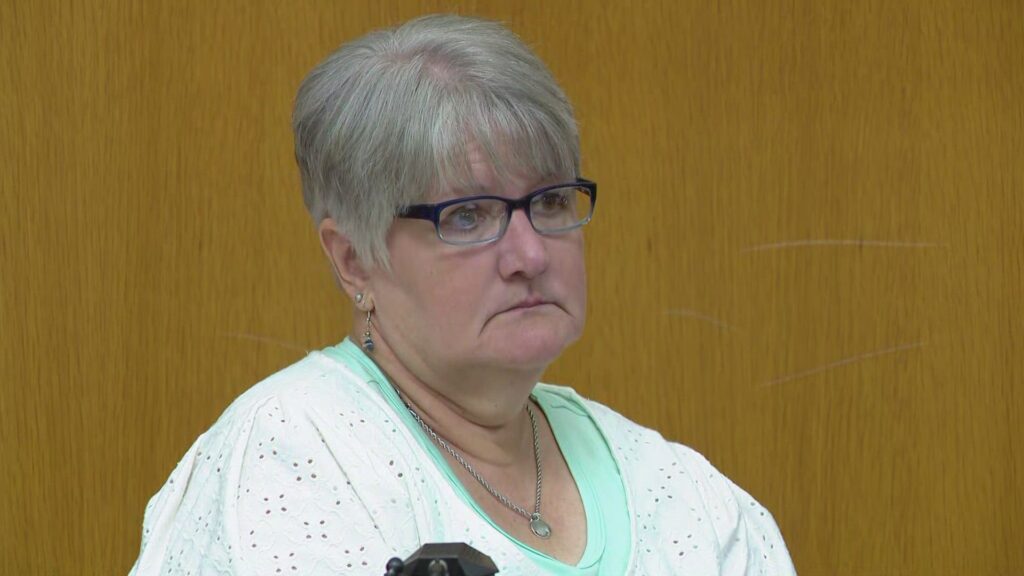
    A woman in a courtroom setting, seated near a wooden partition, wearing a white sweater and mint green top with black glasses with a serious expression on her face
    Zuvers described her children’s personalities, her relationship with John Skelton and the type of work he did when driving trucks, among other topics asked of her. (WTOL)

    A Producer’s Perspective: The Mind Behind the Malice

    “Reconstructing a 15-year-old missing persons file into a triple-homicide trial without physical remains is one of the steepest mountains an investigative team can climb,” notes the Executive Producer of 15 Minutes of Murder. “But cell tower technology has advanced exponentially since 2010. By correcting the initial tracking window, the state has turned circumstantial location dots into an undeniable forensic timeline.”

    The producer notes that the chilling connection to long-haul transit networks points to a broader systemic pattern:

    “When you look at this file, you immediately ask yourself: Why is it always truck drivers? In true crime, we see this pattern constantly. The open road provides a terrifying level of mobility, anonymity, and access to isolated spaces where things can stay hidden in plain sight. It is completely staggering to think that a father could destroy his own children for these types of retaliatory reasons, leaving a family to search for bodies that may never be found. When you analyze these files at 15 Minutes of Murder, you see a consistent, haunting thread. Almost every single murder case we cover ultimately leads right back to some form of deep mental problem, a severe psychological imbalance, or an undiagnosed mental health issue. True justice requires us to look past the ink of the police log and expose the psychological darkness that allows these tragedies to happen.”


    A bronze memorial plaque with the names and etched portraits of Andrew, Alexander, and Tanner Skelton attached to a large decorative rock outdoors, with the words "Faith, Hope, Love" visible.
    A permanent memorial plaque honoring the missing Skelton brothers stands at a park near Bean Creek in Morenci, Michigan. Attached to a large rock, the plaque bears the images of Andrew, Alexander, and Tanner along with the words “Faith, Hope, Love.” (Photo: Handout)

    Share Your Thoughts: Why do you think transit corridors and long-haul routes continue to surface so frequently in America’s most elusive tracking files? Let us know your thoughts in the comments below.


    Go Deeper: Check out our Ask a PI series on our video tab or launch our YouTube Channel for deep-dive criminal defense insights from our team.

  • Waterway Slayings: The Urban ‘No Man’s Land’ Hiding America’s Darkest Mysteries

    Waterway Slayings: The Urban ‘No Man’s Land’ Hiding America’s Darkest Mysteries

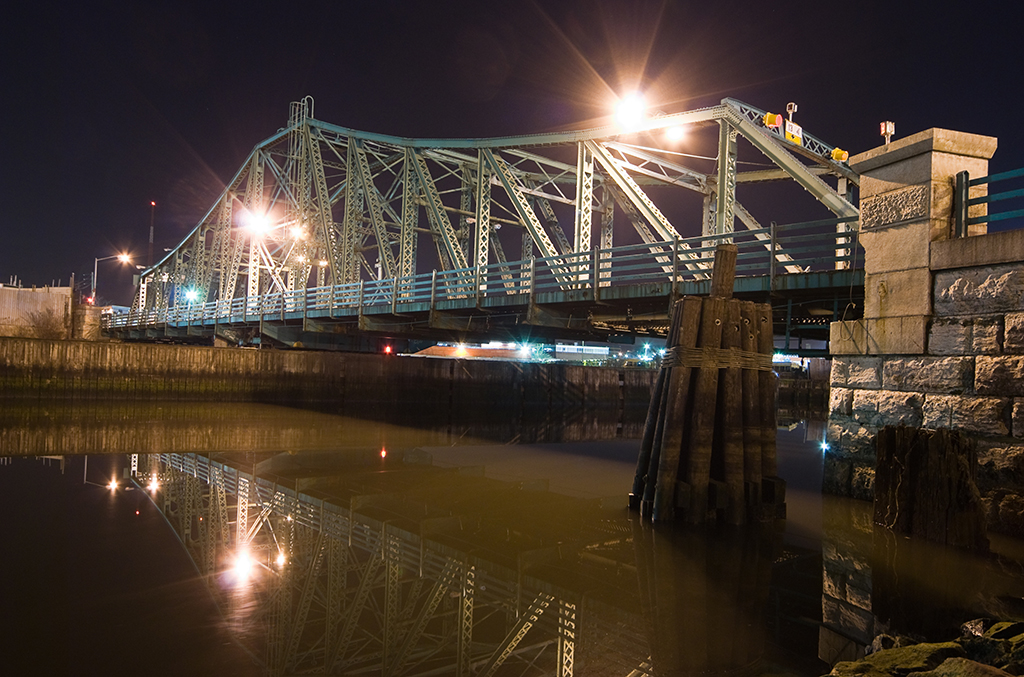
    A dark, atmospheric night view of the industrial Grand Street swing bridge crossing Newtown Creek between Brooklyn and Queens, with city lights reflecting faintly on the dark water.
    The Grand Street Bridge crossing Newtown Creek under the cover of darkness. (Photo: BridgesNYC)

    The haunting recovery of multiple bodies from urban waterways in New York and Houston has ignited intense national concern over the past few years. While law enforcement authorities push back against viral “serial killer” theories, independent investigators are focusing on the dangerous, industrial geography where nightlife hubs intersect with deep water. Cities like Houston and Brooklyn are just two of the major cities where waterways like these hide secrets beneath the surface. They represent a systemic reality: countless cities across the globe are built alongside dark waterways that offer easy concealment for crime.


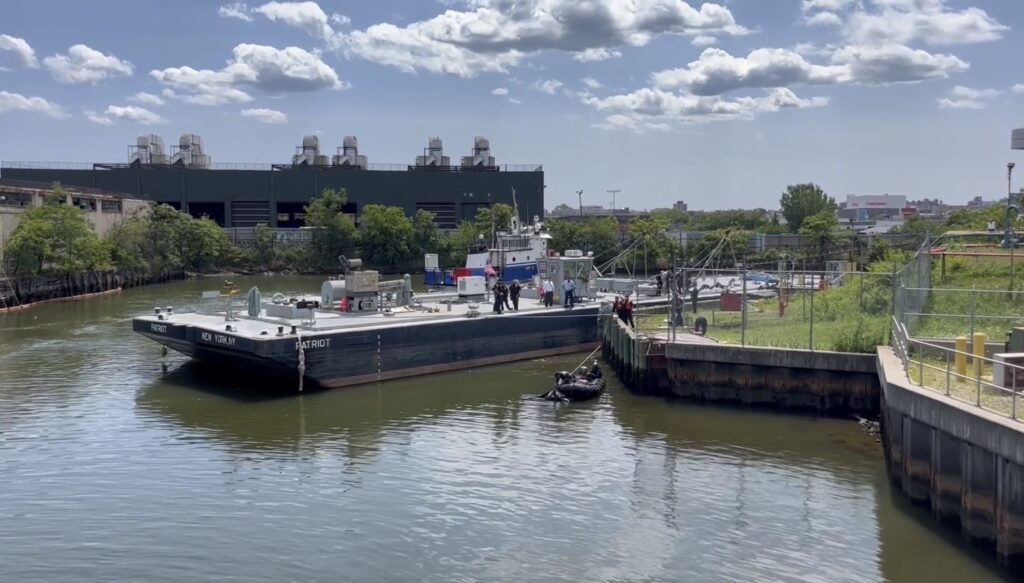
    An NYPD harbor unit boat on Newtown Creek during the day, with officers actively recovering a body from the waterway.
    NYPD Harbor Unit officers recover a body from Newtown Creek. (Photo: Video still by Gregory P. Mango)

    • Why It Matters: Water is a forensic nightmare. It systematically dilutes toxicology evidence, destroys clothing fibers, and erases DNA, making it a predator’s ultimate tool for concealing a violent crime.
    • The Newtown Creek Danger Zone: The industrial border between Brooklyn and Queens—once considered a total geographic “no man’s land”—is now home to massive music venues. Since 2023, multiple men have vanished after leaving nearby clubs, only for their bodies to be recovered from the polluted Newtown Creek.
    • The Houston Bayou Crisis: In Texas, Houston’s extensive waterway network has turned into a massive tracking file. Hundreds of bodies have been pulled from the city’s bayous over the last decade, sparking fierce public demand for municipal transparency.
    • The Institutional Denial: In both New York and Houston, city officials and police departments vehemently reject any connection between the cases, frequently attributing the drownings to substance impairment, accidental falls, or transient conditions.

    Emergency emergency personnel, including Houston fire and police units, gather near a bike path during the day along the water at White Oak Bayou to conduct recovery operations.
    First responders search in the water at White Oak Bayou, Oct. 8, 2025.Credit : Jill Karnicki/Houston Chronicle via Getty

    A Producer’s Perspective: Turning Data into Human Reality

    “Facts and statistics are crucial, but the data doesn’t truly become real until you look at the human devastation left behind,” notes the Executive Producer Craig of 15 Minutes of Murder. “When you watch an interview with a grieving family member whose cousin was pulled from a Houston bayou, and you hear that the autopsy was ruled ‘undetermined,’ the clinical case file shatters. You realize that beneath the paperwork is a family left in absolute torment, deeply suspecting foul play while the system closes the book.”

    The producer’s own history living in New York provides a chilling context to the environmental vulnerabilities of modern nightlife:

    “I remember distinctly the feeling of leaving a warehouse venue out near Newtown Creek at 3:00 AM in the dead of winter. It was an absolute no-man’s land—remote, freezing cold, snow on the ground,and completely quiet. If you screamed, no one would ever hear you. There was nothing open, no traffic, and the walk to the nearest subway line felt miles away. I used to be terrified of the Gowanus Canal, but at least that area has built up over time; there is life around you 24/7, even if it’s just a corner bodega. But these active industrial waterways adjacent to nightlife districts are a completely different level of isolation, and it is an environment easily exploited by a predator.”


    A stark night view of a completely empty, industrial street leading toward the Newtown Creek wastewater facility, where massive, egg-shaped metallic structures glow with light against the dark sky.
    Silent night in the industrial sector of Newtown Creek. (Photo: Courtesy of the Roosevelt Island Historical Society)

    Share Your Thoughts: Do you believe cities have a legal obligation to install heavy fencing and surveillance cameras around industrial waterways near entertainment districts, or is this simply a matter of personal nightlife safety? Let us know in the comments below.


    Go Deeper: Check out our Ask a PI series on our video tab or launch our YouTube Channel for deep-dive criminal defense insights from our team.


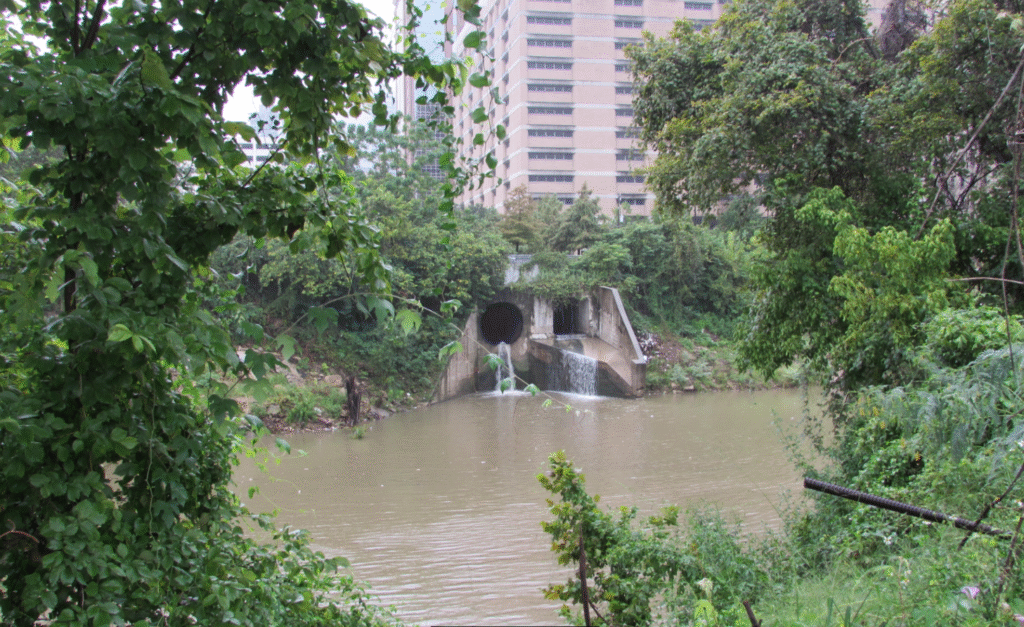
    A daytime view of a concrete storm drain outlet pouring rushing water directly into the wide, muddy channel of Buffalo Bayou with the downtown Houston urban landscape nearby.
    A downtown Houston storm drain empties into Buffalo Bayou, highlighting the direct link between the city streets and its hidden waterways.

  • Indian Creek Trail Slayings: Serial Killer Trial Begins Over Ruthless Ambush Murders of 6 Hikers

    Indian Creek Trail Slayings: Serial Killer Trial Begins Over Ruthless Ambush Murders of 6 Hikers

    A chilling serial killer trial nearly a decade in the making has officially commenced in a Missouri courtroom. Prosecutors began laying out their case against Fredrick Demond Scott, the man accused of stalking and randomly gunning down six victims along a popular public trail network.


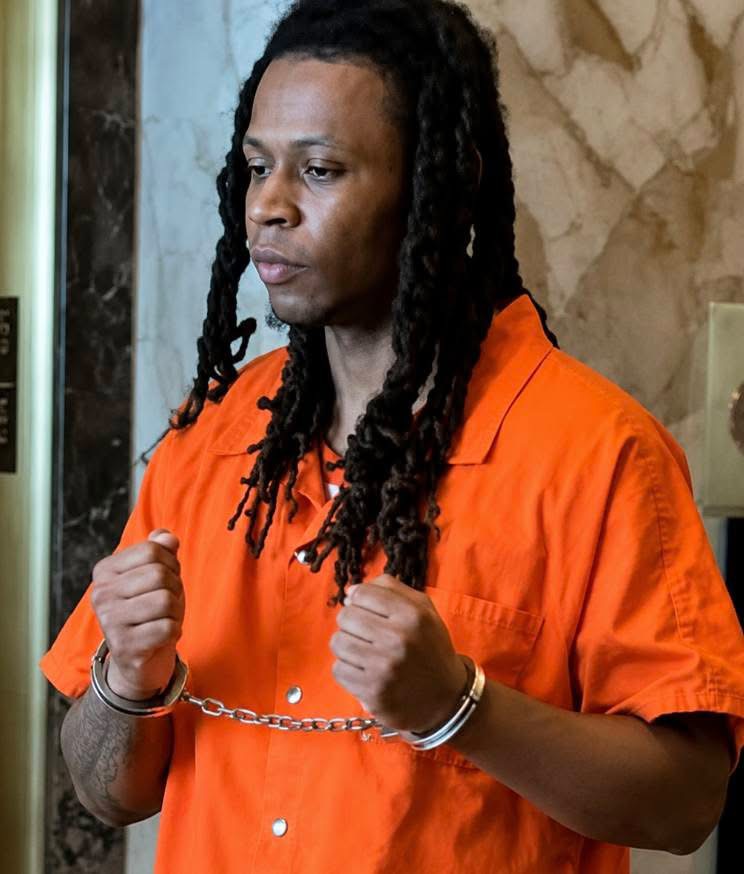
    man in handcuffs in an orange prison jumper going in to court for a trial. He has long dreadlocked hair.
    The trial for accused Indian Creek serial killer Fredrick Demond Scott got underway September 3rd, 2026 with opening statements in Jackson County Circuit Court in downtown Kansas City. In this file photo from June 16, 2025, Scott is led away after a competency hearing. Scott has been accused in the killings of Steven Gibbons, 57; John Palmer, 54; David Lenox, 67; Timothy S. Rice, 57; Mike Darby, 61; and Karen Harmeyer, 64. Photo: Robert A. Cronkleton / The Kansas City Star / Pool

    • Why It Matters: The case has captivated behavior analysts for years due to the completely random nature of the executions. The victims—ranging from dog walkers to morning joggers—were shot from behind without warning, terrorizing local park networks for over a year.
    • The Confession Tapes: Today’s courtroom centered on bombshell police interrogation audio. Prosecutors played recordings where Scott allegedly admitted to the ambush patterns, mapping his movements directly to the exact dates and trail coordinates where the bodies were discovered.
    • The Hunting Grounds: Investigators state the suspect utilized the dense foliage and quick exit pathways of the Indian Creek Trail system to stalk his targets, counting on the deep isolation of the wilderness sections to evade urban surveillance networks.

    The Behavioral Puzzle

    • The Profiling Disconnect: Serial predators typically exhibit a distinct victimology or an underlying domestic or financial relationship.
    • The Anomaly: Scott’s alleged ambush patterns deprived investigators of the traditional relational clues used to build a suspect pool, completely stalling early efforts to link the cases.

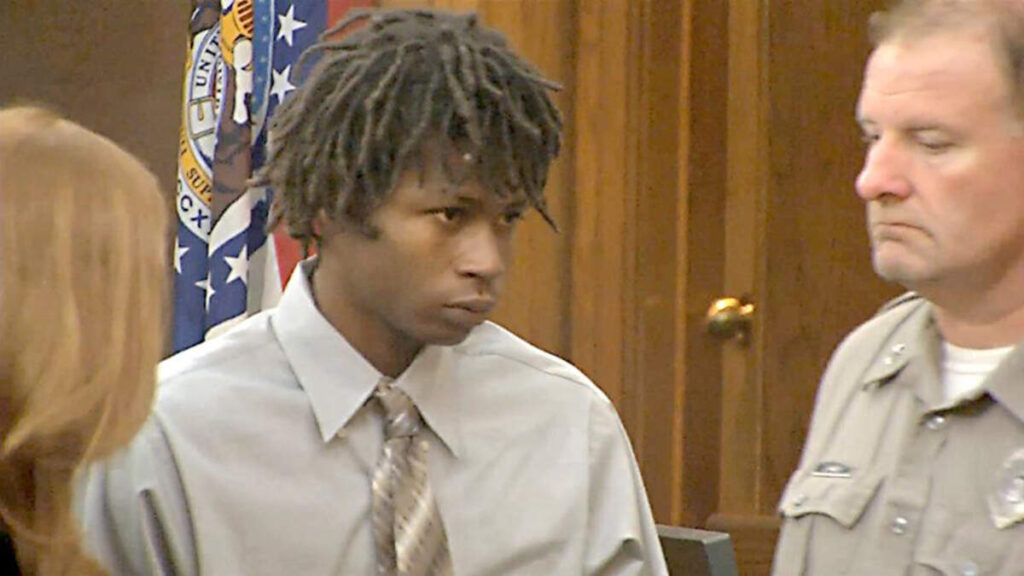
    young black man in court with dreadlocks wearing aa brown button up shirt and tie.
    This Sept. 8, 2017, photo shows Frederick Scott in Jackson County Circuit Court in Kansas City, Mo. Pool photo.

    15 Minutes of Murder Investigative Take: “A trailside serial predator presents a massive nightmare for local detectives because there is no domestic or financial relationship tying the killer to the victims,” notes Craig, Producer for 15 Minutes of Murder. “When a suspect utilizes wilderness geography, forensic profiling has to shift from standard victimology to tracking the killer’s strict physical comfort zones and geographical habits.”

    Share Your Thoughts: Do you believe urban park and trail systems require mandatory surveillance cameras to prevent tracking ground isolation, or does that infringe too much on public privacy? Let us know in the comments below.


    Go Deeper: Check out our Ask a PI series on our video tab or launch our YouTube Channel for deep-dive criminal defense insights from our team.