Blog

  • Netflix’s ‘Death of the Pastor’s Wife’ To Dissect a Tragic Myrtle Beach Mystery

    Netflix’s ‘Death of the Pastor’s Wife’ To Dissect a Tragic Myrtle Beach Mystery

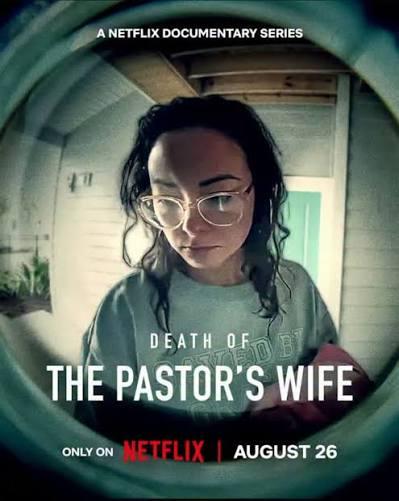
    Official Netflix series poster for Death of the Pastor's Wife, featuring a dramatic true crime design with the title text.
    Series poster Image credit: Netflix © 2026

    Myrtle Beach, SC – Netflix has officially announced the upcoming global release of a heavy-hitting, three-part true-crime docuseries tracking one of the most heavily discussed tragedies in recent internet history. Slated to premiere on August 26, 2026, Death of the Pastor’s Wife will dive deep into the life and sudden, controversial death of Mica Miller. 

    • The Subject: Mica Miller, a vibrant resident of Myrtle Beach, South Carolina. 
    • The Context: The estranged wife of local prominent pastor John-Paul Miller. 
    • The Mystery: Her sudden death sparked a massive wave of online investigations and structural demands for accountability. 

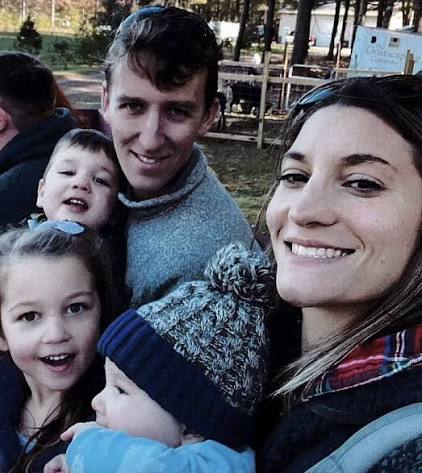
    Close-up photograph of Mica Miller and her estranged husband John-Paul Miller sharing a kiss during a happy moment.
    Mica Miller and her estranged husband John-Paul Miller Image credit: Netflix © 2026

    The series promises to feature never-before-seen footage and exclusive, firsthand accounts from Mica’s closest friends and family members speaking out on a major streaming platform for the first time. 

    Coercive Control Under the Spotlight

    The announcement of Death of the Pastor’s Wife hits at a time when public frustration regarding domestic protection laws is at an all-time high. 

    Rather than focusing strictly on the final moments of Mica’s life, promotional materials confirm the docuseries will intensely focus on the months leading up to the tragedy. It will dissect deep, systemic allegations of extreme coercive control, intense emotional manipulation, and mental abuse. 

    For the true-crime community, the case became a turning point. It highlighted how difficult it is for victims of non-physical domestic abuse to find adequate legal protection from institutional systems, especially when powerful religious or community structures are involved. 


    Mica Miller and her estranged husband John-Paul Miller posing together on a sunny beach with the ocean in the background.
    Mica Miller and her estranged husband John-Paul Miller Image credit: Netflix © 2026

    The Problem With Streaming Pre-Rolls

    Whenever a major streaming platform drops a trailer for a trending real-world case, it triggers massive search traffic. However, it also raises standard ethical concerns within independent journalism circles regarding how corporate networks pace these active family heartbreaks for corporate profit. 

    From an editorial and production perspective, turning an ongoing, painful search for answers into a binge-worthy “three-hour event” requires immense care. If a show heavily structures itself around suspenseful cliffhangers, the actual safety warnings and systemic failures can easily be overshadowed by dramatic network editing choices. 

    A Producer’s Ethical Blueprint

    As a professional TV producer and the executive creator of 15 Minutes of Murder, I look at these upcoming network rollouts through a strictly analytical lens. 

    “When you are formatting a documentary series around a real-world suspicious death, your baseline responsibility is to protect the dignity of the victim,” the 15MM Producer noted. “The tragic loss of Mica Miller shouldn’t be framed like a fictional Hollywood mystery. The true value of a platform like Netflix stepping into an active story comes from exposing the patterns of psychological control that happen behind closed doors. Independent creators and major networks alike must ensure that true-crime media spends less time generating casual suspense, and more time honoring the victim’s voice while educating the public on how to identify coercive abuse before it turns fatal.” 
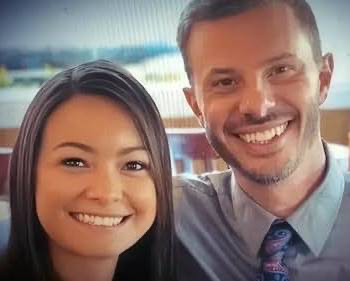

    A medium shot of Mica and John-Paul Miller smiling directly at the camera in a posed couple's photograph.
    Mica Miller and her estranged husband John-Paul Miller Image credit: Netflix © 2026

    Go Deeper: Check out our Ask a PI series on our video tab or launch our YouTube Channel for deep-dive criminal defense insights from our team.


  • The Disturbing Legal Double Standard Exposed by Massachusetts’ Newest Murder Retrial

    The Disturbing Legal Double Standard Exposed by Massachusetts’ Newest Murder Retrial

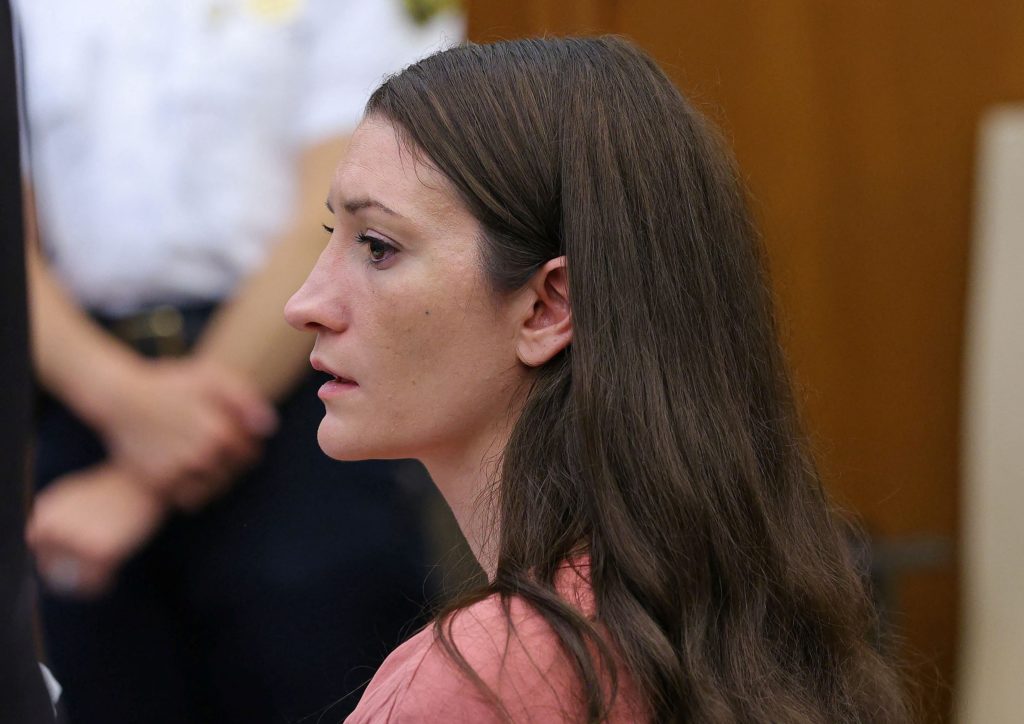
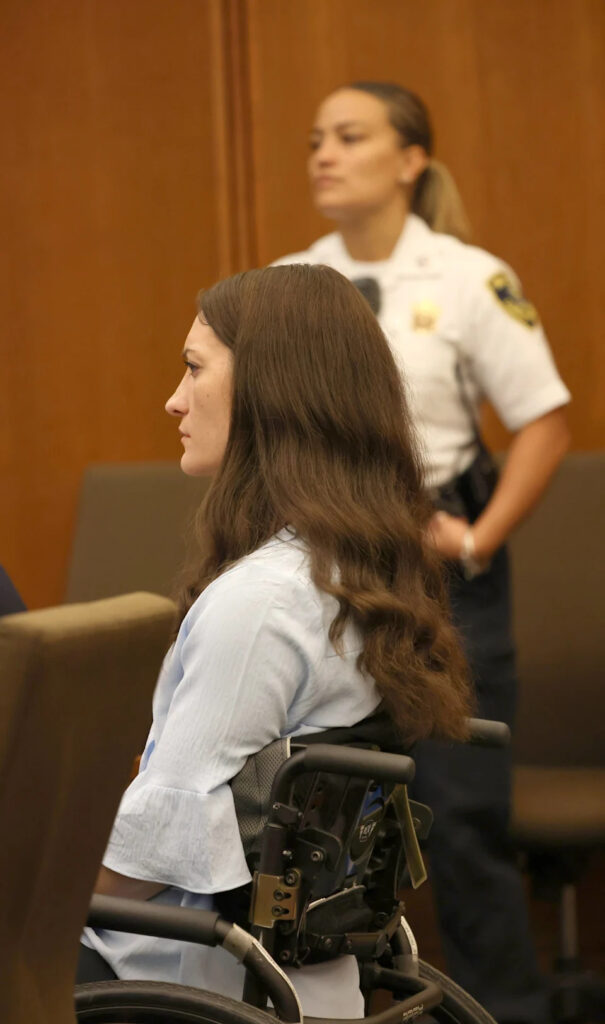
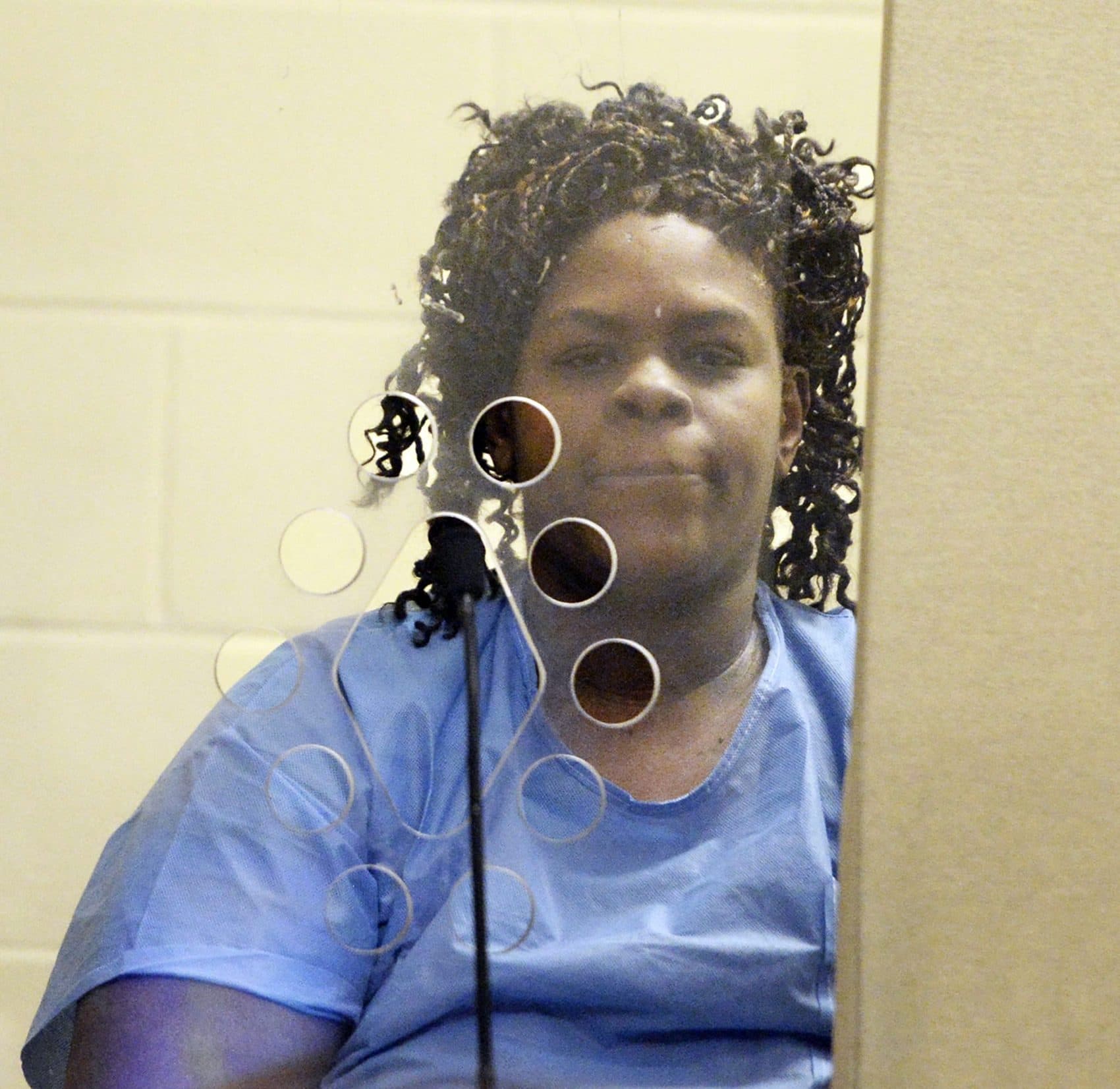
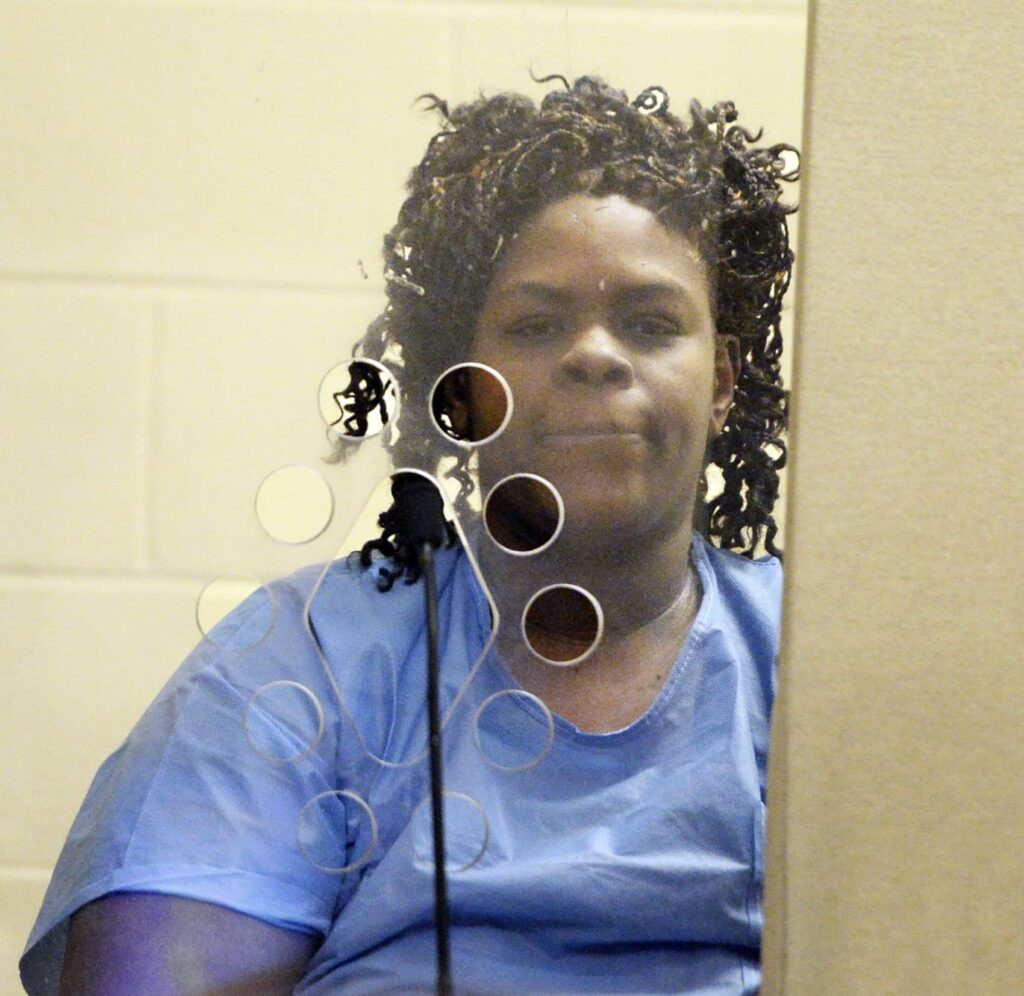
    Courtroom photograph of Latarsha Sanders during a legal proceeding, looking forward with a somber expression.
    Latarsha Sanders by Marc Vasconcellos /The Enterprise via AP, Pool

    Massachusetts – The Massachusetts Supreme Judicial Court recently delivered a rare, unanimous ruling that shook the regional legal system, vacating the double-murder conviction of 51-year-old Latarsha Sanders. 

    • The Sentence: Sentenced in 2022 to two consecutive life terms without parole. 
    • The Crime: The 2018 stabbing deaths of her sons—Marlon, 8, and La’son, 5. 
    • The Update: Sanders has officially been granted a brand-new trial. 

    The high court’s decision exposes an alarming procedural error regarding psychiatric history, bringing an ongoing conversation about systemic bias and criminal responsibility straight to the forefront of the true-crime community. 

    A Tale of Two Mothers in the Same Courtroom

    The sudden reversal of the Sanders verdict does not exist in a vacuum. True-crime analysts are quickly drawing stark parallels between Sanders and Lindsay Clancy, the Massachusetts mother currently standing trial for the tragic 2023 strangulation deaths of her three young children. 

    The structural overlaps between the two cases are undeniable: 

    • The Prosecution: Both women were prosecuted by the exact same District Attorney, Timothy Cruz. 
    • The Court: Both cases fell under the jurisdiction of the exact same Superior Court Judge, William F. Sullivan.

    A warm, smiling portrait of Latarsha Sanders' two young children, Marlon and Lason, sitting close together.
    courtesy photo

    However, the legal strategies utilized in their respective courtrooms couldn’t have been more different. While Clancy’s well-documented battle with postpartum psychosis has remained a central, public focus of her high-profile defense, Sanders’s defense team faced a massive roadblock. 

    During her 2022 trial, Judge Sullivan completely barred the defense from introducing thousands of pages of post-arrest medical records that explicitly detailed her severe, undetected paranoid schizophrenia. The Supreme Judicial Court ruled this total exclusion a “prejudicial error,” stating that the jury was forced to deliberate without ever understanding the defendant’s true medical reality. 

    Unless You Have Lived It

    This disparity highlights a deeper, societal failure in how the public and the legal system perceive acute maternal mental health crises. On a recent segment for 15 Minutes of Murder, true-crime expert Desiree broke down the dangerous disconnect in how communities minimize these devastating psychological breaks. 

    “Unless you have lived that, you have no idea how real something like postpartum depression or postpartum psychosis is,” Desiree observed. “And again you will try to reach out to your friends and family, and they will give you that same ‘Oh, you just need some rest,’ and you are really in the middle of a crisis! So that’s the first thing that I wanna say about that and that is from my personal experience.” 

    Treating a profound medical emergency as if it can be cured by a nap is wrong. 

    “When the people closest to a mother don’t understand the severe warning signs of a detachment from reality, the system completely collapses before help can arrive.”

    Courtroom Sensationalism vs. Reality

    When the tragedy originally occurred in Brockton back in 2018, the mainstream media and local prosecutors heavily leaned into sensationalized, panic-inducing headlines.

    • The Narrative: Initial trial presentations focused intensely on claims of a “ritualistic incident” involving Voodoo, transforming an untreated mental health crisis into a cinematic horror plot for the public. 
    • The Closing Argument: The prosecution even used a closing argument comparing the tragedy to a fictional Law & Order episode—a move the high court also sharply criticized for lacking any actual evidentiary support. 

    A dark wooden judge's gavel resting on a matching sounding block against a dim, dramatic background, representing the legal system.
    Image by Sergei Tokmakov, Esq. Terms Law from Pixabay

    A Producer’s Ethical Blueprint

    As a professional TV producer and the executive creator of 15 Minutes of Murder, I look at these courtroom developments through a storytelling lens. 

    “When true-crime media or courtrooms resort to Hollywood television tropes like referencing Law & Order to explain a tragic loss of life, it strips away the gravity of the situation,” I noted. “A legal double standard shouldn’t dictate how we analyze a tragedy. Our deepest ethical obligation as investigative creators is to keep the focus firmly on the victims, Marlon and La’son. Centering the victims means demanding an objective, fair legal process that uncovers the actual systemic and medical failures that occurred long before a crisis turned fatal. True justice requires transparency, not sensationalism.”


    Go Deeper: Check out our Ask a PI series on our video tab or launch our YouTube Channel for deep-dive criminal defense insights from our team.


  • Why Streaming Psychopath Interrogations Fail to Center the Victims of Homicide

    Why Streaming Psychopath Interrogations Fail to Center the Victims of Homicide

    Florida — With the arrival of the highly anticipated 11th season of Signs of a Psychopath on HBO Max and ID this week, true-crime audiences are once again turning their attention to the grim realities of the police interrogation room. The premiere episode, “I Guess I’m a Maniac,” hits incredibly close to home, following a cold-case homicide investigation led by Florida detectives after a woman was discovered strangled in a local wooded ditch. While the long-running series is already dominating streaming discussion boards, its intense formatting raises a critical question for modern consumers: Is independent media finally learning to respect the families left behind, or is streaming entertainment still struggling to center the actual victims? 


    Promotional logo for Signs of a Psychopath featuring a black inkblot Rorschach test that resembles a human face.
    Image courtesy of Investigation Discovery

    The Voyeurism of the Interrogation Room

    The commercial success of Signs of a Psychopath hinges on its direct, psychological analysis of a killer’s flat demeanor. By framing the episodes around forensic analysts flagging signs of narcissism or lack of remorse during a confession, the show inherently positions the perpetrator as the main character of the legal tragedy. 

    From an editorial and production perspective, allowing a killer’s words to dictate the narrative arc presents a major ethical challenge. When an episode focuses heavily on the shock value of a surprise confession, the systemic reality—the stolen lives of the victims, the enduring grief of regional communities, and the arduous path to justice—is often relegated to background details. The storytelling framework prioritizes analyzing a monster over honoring a life. 


    A Tale of Two Producers

    In official promotional materials released on the network’s press site, executives emphasize the educational value of the psychological breakdowns, stating that the show’s goal is to “deconstruct the behavioral red flags of history’s most dangerous minds by analyzing raw, unfiltered interrogation footage to expose how they escape detection.” 

    But independent investigative creators argue that the true responsibility of a true-crime platform goes far deeper than simply airing a shocking confession reel. As professional TV producers and the creators of 15 Minutes of Murder, we look at these post-production editing decisions through a structural lens. 

    True crime documentary broadcast still of killer Benjamin Moulton from the Florida episode of Signs of a Psychopath.
    Photo: Manatee County Sheriff’s Office

    “When you are sitting in an editing bay structuring a story about a homicide, your deepest ethical obligation is to the people who lost their lives,” says Craig Chapman, one of the 15 Minutes of Murder Producers. “An interrogation tape shouldn’t just be used to build dramatic suspense or dissect a psychological profile for entertainment. The real journalistic work comes from pulling the spotlight away from the killer’s voice and placing it firmly back on the victims. True-crime media needs to spend less time magnifying the ego of the perpetrator and more time honoring the humanity, names, and legacies of the people whose stories were abruptly cut short.” 

    Dark, eerie empty highway at night in Florida under dim streetlights, setting a true crime atmosphere.
    Image by StockSnap from Pixabay

    Go Deeper: Check out our Ask a PI series on our video tab or launch our YouTube Channel for deep-dive criminal defense insights from our team.


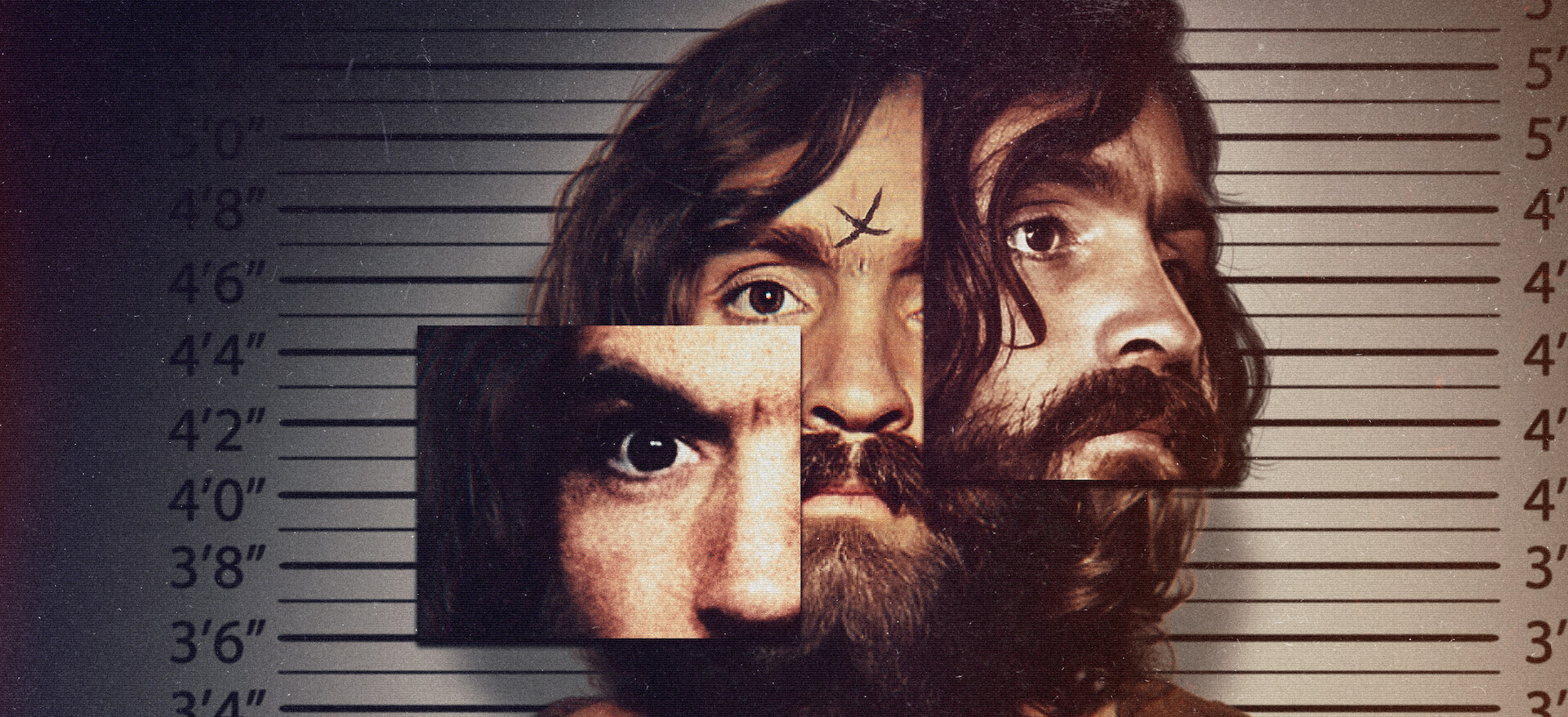
  • Netflix’s ‘The Charles Manson Tapes’ Proves True Crime Still Struggles to Center Victims

    Netflix’s ‘The Charles Manson Tapes’ Proves True Crime Still Struggles to Center Victims

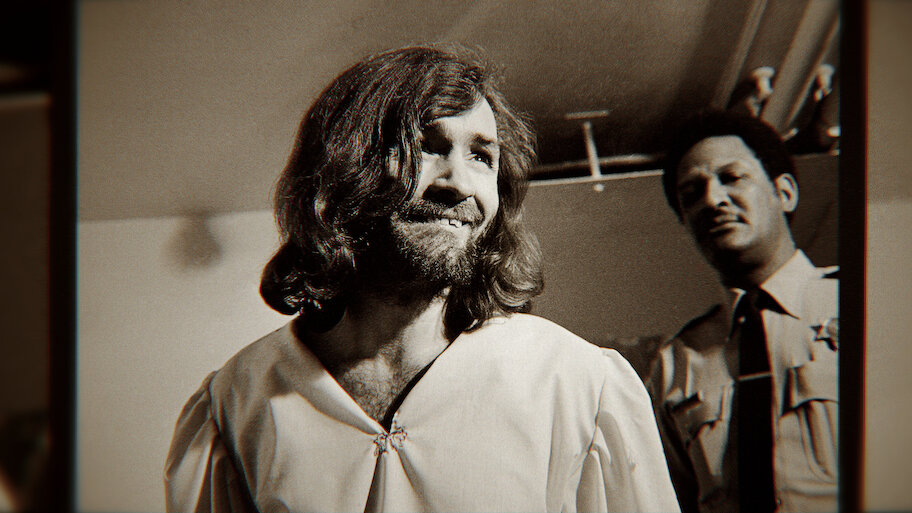
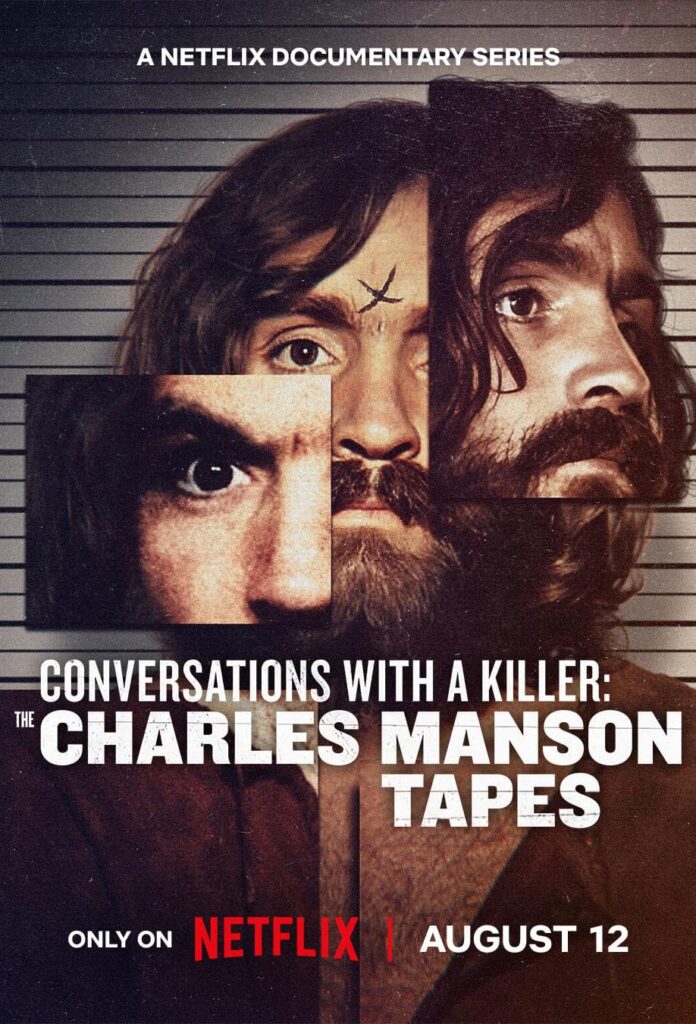
    California — A new three-part true-crime docuseries on Netflix, Conversations with a Killer: The Charles Manson Tapes, is topping streaming charts this week by unearthing never-before-heard audio from inside America’s most notorious cult.


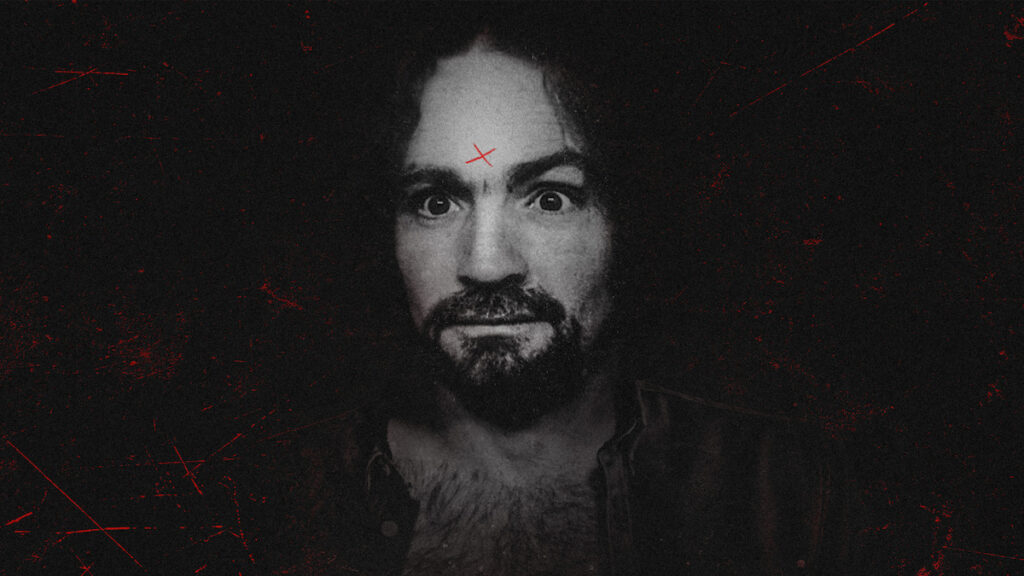
    Close-up archival photograph of cult leader Charles Manson wearing denim prison clothing.
    Photo: Netflix Press Room
    • The Backstory: Over the final nine years of his life, Charles Manson made 137 phone calls from prison to a retired detective—recordings that have remained entirely hidden from the public until now. This fifth and final chapter of Joe Berlinger’s acclaimed anthology Conversations with a Killer uses these tapes to document Manson’s psychological grip and rise to notoriety.
    • The Director’s Intent: “As we bring Conversations with a Killer to a close, I wanted our final season to focus on the figure who, more than anyone else, ushered in the modern era of America’s fascination with true crime,” director and executive producer Joe Berlinger tells Netflix.
    • The Problem: While Berlinger aims to study the root of our cultural obsession, the series faces immediate pushback from modern true-crime audiences demanding that media stop turning charismatic perpetrators into the “main characters” of historical tragedies.

    Documented media photograph of convicted criminal Charles Manson inside a correctional facility.
    Photo: Netflix Press Room

    The PI Perspective: The Danger of the Glamour Lens

    In analyzing how modern media handles victimization, the team at 15 Minutes of Murder notes that focusing solely on a killer’s psychology often completely erases the systemic vulnerabilities of the victims. “From day one we have striven to tell the human stories, the stories of the victims and their loved ones whose lives, loves, hopes, and dreams have ended senselessly,” says Craig Chapman, Producer of 15 Minutes of Murder.

    • The Core Philosophy: When a documentary heavily relies on a killer’s own words, the narrative naturally tilts. The perpetrator becomes a dark celebrity, while the victims are reduced to mere plot points in a broader psychological puzzle.
    • Understanding the Cult Victimology: Just like the vulnerable women tracked in highway serial killer cases (Amazon’s amazing series Murder 101), cult followers are often systematically stripped of their autonomy through isolation. Without a strict sociological lens, media coverage risks dismissing these dynamics, subtly blaming the victims rather than exposing the institutional failures that allowed the predator to thrive.

    Historical prison photograph of Charles Manson in blue jail scrubs during an interview.
    Photo: Netflix Press Room

    Why It Matters Now

    The cultural obsession with Manson isn’t about the gore—it’s a collective attempt to decode real-world breakdowns of social boundaries. The true test for any modern documentary is whether it can navigate these dark chapters with genuine editorial distance, respecting the gravity of the lives lost while providing objective analysis for the public.


    • Go Deeper: How do real investigators separate media myth from crime scene reality? We ask real experts. Check out our Ask a PI series on our video tab or launch our YouTube Channel for deep-dive criminal defense insights from our team.
    Official series poster for Netflix's true crime docuseries Conversations with a Killer The Charles Manson Tapes.
    Photo: Netflix Press Room


  • FBI Joins International Manhunt After 2 Bodies Discovered in Arizona Backyard

    FBI Joins International Manhunt After 2 Bodies Discovered in Arizona Backyard

    By 15 Minutes of Murder 

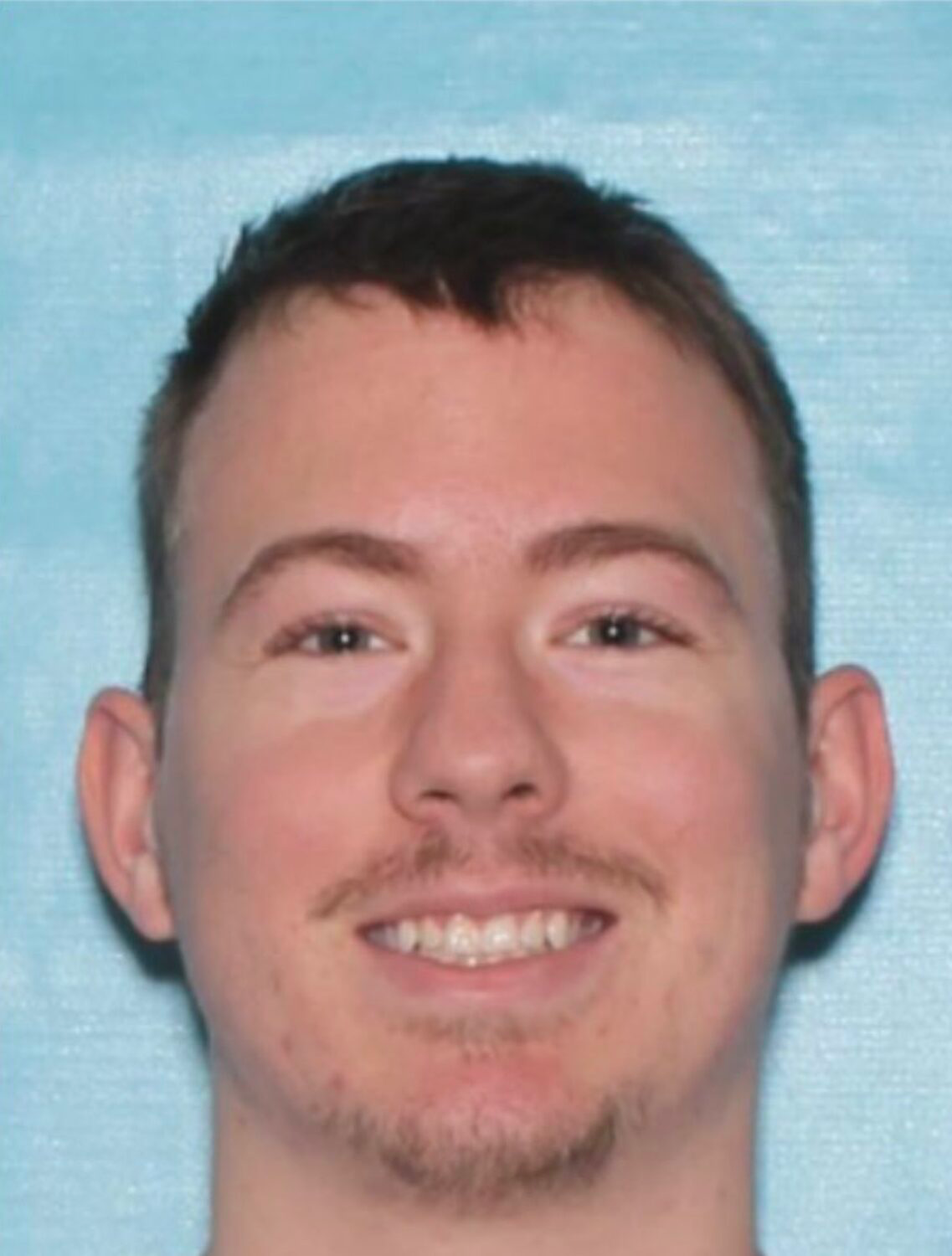
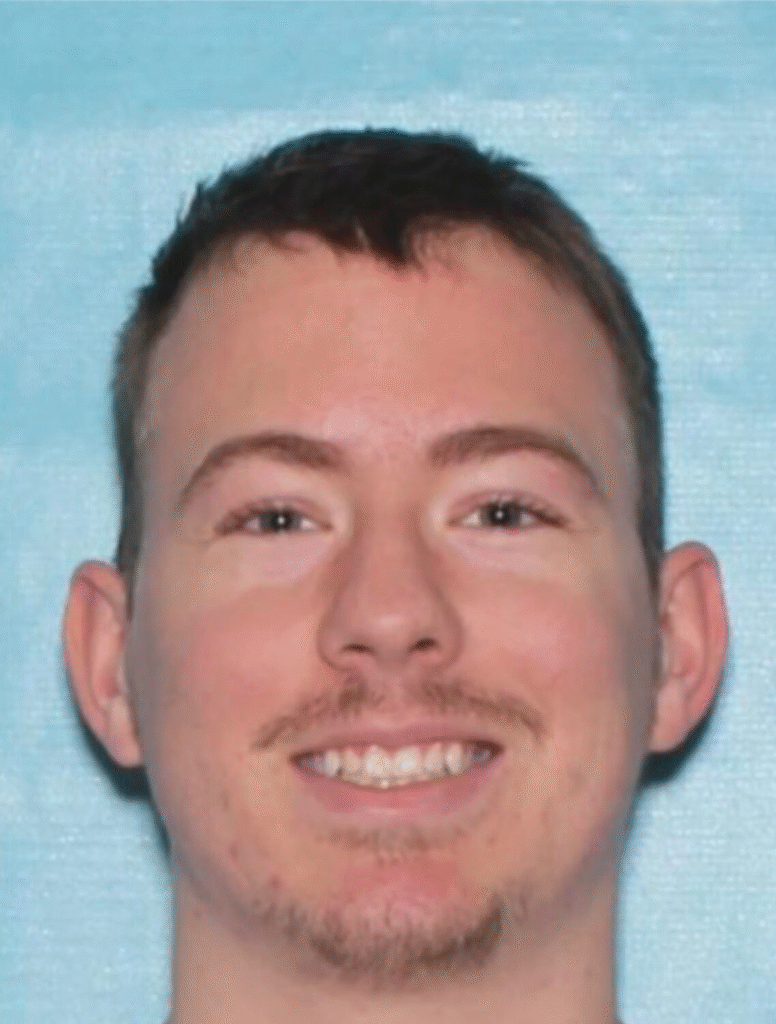
    Litchfield Park, Arizona and Avondale, Arizona – What began as a routine missing persons welfare check has escalated into an international double-homicide investigation and a global manhunt for a 27-year-old Arizona man. Federal authorities have officially joined local police to track down Matthew Flores, who is accused of killing his parents and burying their bodies in their own backyard before fleeing the United States. 


    Photo courtesy of the Avondale Police Department / U.S. Marshals Service

    The Chilling Scene Inside the Home

    The investigation began on Tuesday, August 4, 2026, when worried relatives asked the Avondale Arizona Police Department to check on a Litchfield Park home. Hector Flores, 69, his wife Larissa Flores, 63, and their adult son Matthew had uncharacteristically vanished.

    When officers stepped inside the residence, they immediately discovered a violent scene:

    • The Evidence: Investigators reported finding a massive amount of blood throughout the home along with clear, physical evidence that someone had attempted to clean up and conceal a violent struggle. 
    • The Backyard Dig: Two days later, on August 6, drone footage captured forensic teams using a mini-excavator to dig up the family’s backyard. Detectives unearthed two sets of human remains in a state of decomposition. While formal autopsies remain pending, the remains match the homeowners’ profiles. 

    Image by ignartonosbg from Pixabay

    The Flight From Justice

    Local police quickly shifted Matthew Flores from a missing person to the primary suspect in the double murder. However, by the time the bodies were found, the trail had already crossed international borders. 

    Avondale Police public information officer Daniel Benavidez confirmed the reality during a press conference: “All I can say is that he fled the country.” 

    Because Flores managed to flee the U.S. before the initial welfare check took place, the FBI and the U.S. Marshals Service have formally taken over the international asset tracking and global fugitive sweep. 


    Image by Leonhard Niederwimmer from Pixabay

    The 15 Minutes of Murder Analysis

    On a recent deep dive into active fugitive flight patterns, the 15 Minutes of Murder production team analyzed the mechanics behind a sudden international escape. 

    “When a crime scene shows an active, panicked attempt to clean up blood, it usually indicates a suspect realizing the gravity of their actions in real-time,” true crime expert Desiree noted. “Fleeing the country requires rapid logistics, meaning a suspect either planned an exit strategy or utilized a head-start before family members realized anything was wrong.” 

    Producer Tanisha highlighted the shock echoing through the local Arizona community. “Classmates and neighbors are describing him as a sweet, quiet guy who worked on cars with his dad,” Tanisha observed. “The complete contrast between his public persona and a backyard crime scene is exactly what makes these cases so terrifyingly mind-boggling.”


    Go Deeper: For minute-by-minute updates on more exclusive criminal defense insights, check out 15 Minutes of Murder on our official channels. 

  • Lindsay Clancy Trial Day 10: How Courtroom Timelines Are Shaping the Defense

    Lindsay Clancy Trial Day 10: How Courtroom Timelines Are Shaping the Defense

    Massachusetts – As the trial of Lindsay Clancy enters its third intensive week at Plymouth Superior Court, legal teams remain locked in a pivotal battle over a single, fast-moving window of time. While the state utilizes a strict chronological sequence to argue premeditation, criminal defense analysts and true crime experts are dissecting how these rigid timelines impact public perception of the tragedy.

    Courtroom image by ohioduidefense from Pixabay

    The Core Timeline in Question

    The legal debate heavily relies on the exact movements inside the Duxbury home on January 24, 2023. Court records present a precise sequence of events detailing the brief period when errands were run, phone calls were placed to check on a product, and emergency services were ultimately contacted.

    On a recent broadcast of the 15 Minutes of Murderpodcast, crime expert and private investigator Desiree analyzed the structural weight of these fast-moving courtroom records. “In high-profile domestic cases, the public naturally fixates on every microscopic detail of a household’s final hours,” Desiree noted, highlighting how digital communities closely track court-admitted evidence.

    Public Discourse and Forensic Realities

    Because the trial has garnered massive national attention, independent true crime channels have closely scrutinized everything from surveillance footage to forensic DNA reports.

    During the 15 Minutes of Murder broadcast, producer Tanisha observed how intensely the public reacts to trial evidence. “Legal forums and social media sleuths are constantly debating the timeline and the forensic data presented by experts,” Tanisha states.

    courtroom picture of Lindsay Clancy looking very worried
    Lindsay Clancy attends her murder trial at Plymouth Superior Court, in Plymouth, Massachusetts, U.S., August 3, 2026. Greg Derr/Pool via REUTERS

    However, legal experts note a distinct divide between online speculation and actual courtroom proceedings. While digital forums often debate complex forensic findings like DNA mixtures, trial testimony from forensic analysts has focused strictly on standard evidence collection and the frantic efforts made to render aid at the scene.

    The Medical and Societal Impact

    Beyond the legal strategies, the broader implications of the case continue to drive vital public conversations surrounding maternal mental health crises. The defense maintains that severe postpartum mental illness and prescription medication loads are central to understanding the tragedy.

    Desiree urged that the conversation must keep a spotlight on medical awareness. “It is chemical and we need medical professionals to listen,” Desiree emphasized during the episode. “We are talking about severe healthcare crises where families feel like their symptoms aren’t being taken seriously.”

    While prosecutors continue to build their case around calculation and intent, the public discourse remains heavily focused on the systemic factors surrounding the family. As Tanisha concluded: “The public has entirely locked in on the structural details of this case.”

    Lindsay Clancy attends her murder trial at Plymouth Superior Court, in Plymouth, Massachusetts, U.S. Greg Derr/Pool via REUTERS

    Go Deeper: For full criminal defense insights and a deeper analysis of active courtroom evidence, check out the 15 Minutes of Murder podcast on our official video channels.

  • The Lindsay Clancy Trial: Insanity vs. Premeditation vs. The Internet

    The Lindsay Clancy Trial: Insanity vs. Premeditation vs. The Internet

    The trial of Lindsay Clancy has moved past “whodunit” and into a battle over the human mind. With stipulations signed, the jury must now decide: Was this a calculated triple-murder, or a horrific mental break fueled by overmedication?

    courtroom picture of Lindsay Clancy looking very worried
    Lindsay Clancy attends her murder trial at Plymouth Superior Court, in Plymouth, Massachusetts, U.S., August 3, 2026. (Greg Derr/Pool via REUTERS)

    Why It Matters

    This case exposes the flawed line between legal insanity and criminal responsibility, sparking a massive internet frenzy and exposing deep medical systemic gaps. Internet sleuths have also been noticing holes in Patrick Clacy’s story giving way to the usual theories and messiness of high profile cases like this one.

    The Prosecution’s Case: The 29-Minute Window

    The state argues that the tragedy was entirely premeditated.

    • The Math: Prosecutors highlighted a 29-minute window where Clancy sent her husband out for food and medicine.
    • The Digital Footprint: Evidence showed she searched Google for the exact transit distance and timing to ensure she had a window alone.
    • The Behavior: The state notes she performed entirely normal, deliberate daily tasks leading right up to the event.
    courtroom picture of Lindsay Clancy looking very stern
    Lindsay Clancy attends her murder trial at Plymouth Superior Court, in Plymouth, Massachusetts, U.S. (Photo: Plymouth Superior Court Pool)

    The Defense: A Mind Mentally Broken

    The defense argues a severe, undiagnosed case of postpartum psychosis completely overrode her reality.

    • The Voices: Clancy reported hearing a man’s voice commanding her to commit the acts, which ceased immediately afterward.
    • Systemic Failure: The defense argues her husband frantically tried to secure proper help, but the medical system failed them. This being a system that Lindsay Clancy herself worked within.

    “Lived Experience” vs. Medical Overprescription

    During a recent live broadcast of 15 Minutes of Murder, crime expert and private investigator Desiree, alongside producer Tanisha, cut straight to the core of the crisis. Desiree highlighted how society routinely minimizes maternal mental health struggles.

    “Having just a process pregnancy, giving birth, it can mentally break you. Unless you have lived that, you have no idea how real something like postpartum depression or postpartum psychosis is. Friends and family give you that same, ‘Oh, you just need some rest.’ It is not that. You are really in the middle of a crisis,” says Desiree, Crime Expert & Private Investigator 

    Desiree, who frequently handles federal cases involving medical overprescription, noted that the cocktail of drugs found in Lindsay Clancy’s blood—including Seroquel and Lamotrigine—points to a broader, systemic issue.

    “Baby, when I tell you doctors are out here overprescribing… it is criminal. I have so many of these cases, and they usually come in as federal criminal cases. I have had so many of them that I can work these cases without my notes,” noted Desiree.

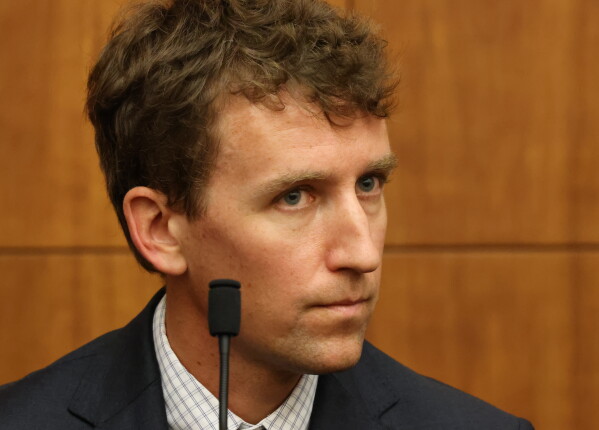
    courtroom picture of Patrick Clancy on the stand in a suit and tie
    Patrick Clancy sits on the stand at trial at Plymouth Superior Court, in Plymouth, Massachusetts, U.S. (Photo: Plymouth Superior Court Pool)

    The Internet Goes Wild

    While the courtroom focuses strictly on Clancy’s mental state, social media platforms like TikTok, Instagram, and YouTube have erupted with conspiracy theories. Internet sleuths are actively trying to poke holes in husband Patrick Clancy’s testimony, even pointing blame toward him—a narrative completely absent from the actual legal proceedings.

    What’s Next

    As toxicology reports take center stage, the jury remains visibly shaken, reportedly weeping during the playback of the agonizing 911 calls. The verdict will ultimately hinge on whether the jury believes a calculated 29-minute timeline refutes a severe, drug-induced psychotic break.

    Go Deeper: Watch the full deep dive 15 Minutes of Murder podcast  on our YouTube Channel for more criminal defense insights from our team.


    Editor’s Note: Behind the intense courtroom arguments and viral internet theories remains a devastating family tragedy. We close this report by remembering the three young lives lost: Cora, Dawson, and Callan Clancy.

    Photo via Personal Social Media Archive
  • ‘The Idaho Murders’ Reminds Us of the Light Left Behind Amid Legal Chaos

    ‘The Idaho Murders’ Reminds Us of the Light Left Behind Amid Legal Chaos

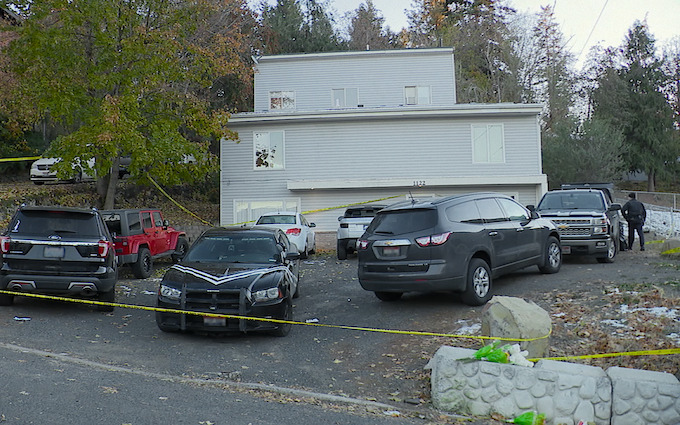
    A somber look at the King Road house cordoned off by police tape, a defining image from the tragic Idaho college murders investigation. – Photo Credit: Courtesy of Netflix

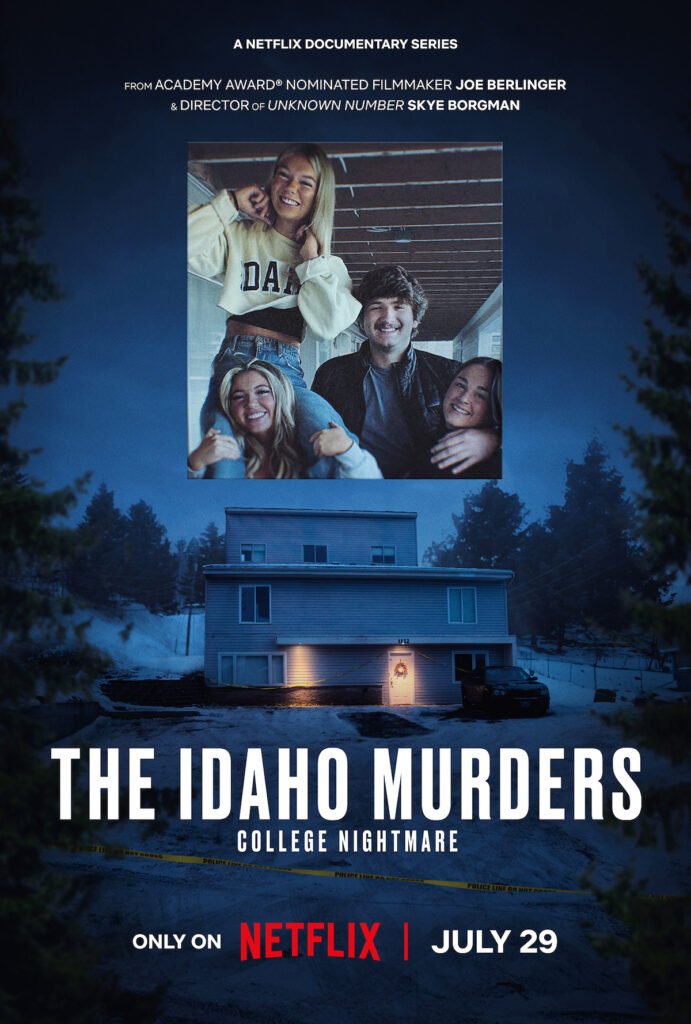
    Idaho — With the recent drop of Netflix’s The Idaho Murders: College Nightmare, the horrific 2022 deaths of four university students are back in the national spotlight. But while internet sleuths are hyper-focused on streaming footage, a massive legal storm is brewing in the real world.

    Bryan Kohberger—who pleaded guilty last year to avoid the death penalty—is now attempting to withdraw his plea, claiming he was coerced into a false confession. On a recent episode of 15 Minutes of Murder, our resident experts broke down why this shocking pivot is a disastrous legal gamble.

    Why it matters

    The King Road roommates and friends: Remembering the lives lost and honoring those who survived the tragic Idaho college murders. – Photo Credit: Courtesy of Netflix

    When a high-profile defendant attempts to walk back a plea, social media immediately jumps to theories of a corrupt system or hidden breakthroughs. In reality, the motivations are often much more complicated—whether it’s sudden remorse, fear of prison, or a tactical retreat after successfully dodging a death sentence. For true-crime commentators and independent investigators, a shifting plea raises a massive red flag regarding a suspect’s basic credibility. If a defendant allocates facts under oath and later claims they lied, it creates a messy contradiction that makes it incredibly difficult for the public, or a court, to ever trust their story again.

    The Real World vs. The Courtroom Record

    Official series trailer for The Idaho Murders: College Nightmare

    Kohberger was sentenced in July 2025 to four consecutive life terms without parole. Now, he has filed a petition claiming his defense team misled him into a false confession under the immediate threat of the death penalty. Independent researchers look at these sudden turnarounds from a few angles: it could be a strategic legal pivot once execution is off the table, or it could simply be the reality of a high-profile inmate facing a lifetime behind bars. Whatever the internal motivation, attempting to wipe away a signed plea deal introduces a massive wild card into the case.

    Our resident crime expert, Desiree Edwards, doesn’t buy the coercion narrative. In the real world, judges specifically design plea hearings to prevent this exact type of backtracking.

    • The Judge’s Safe Haven: “When you plead guilty, don’t you know the judge, one of the first things the judge asks you is, ‘Sir, ma’am, were you coerced?’” Edwards emphasizes. “The judge gives you every out. If now you’re comfortable to say, ‘Oh, they coerced me,’ you didn’t feel that safe to do that in that moment standing in front of the judge?”
    • The Perjury Trap: Attempting to pull back a guilty plea puts a defendant in a massive legal corner. “When you plead guilty, you plead guilty under oath. You’re on the court record,” Edwards warns. If Kohberger ever gets a new trial and takes the stand to claim innocence, the consequences are immediate. “Now I’m gonna hit you with a perjury charge because you just perjured yourself… at the last go-round, you allocated that you had done this.”

    The Reality of Inmate Regret

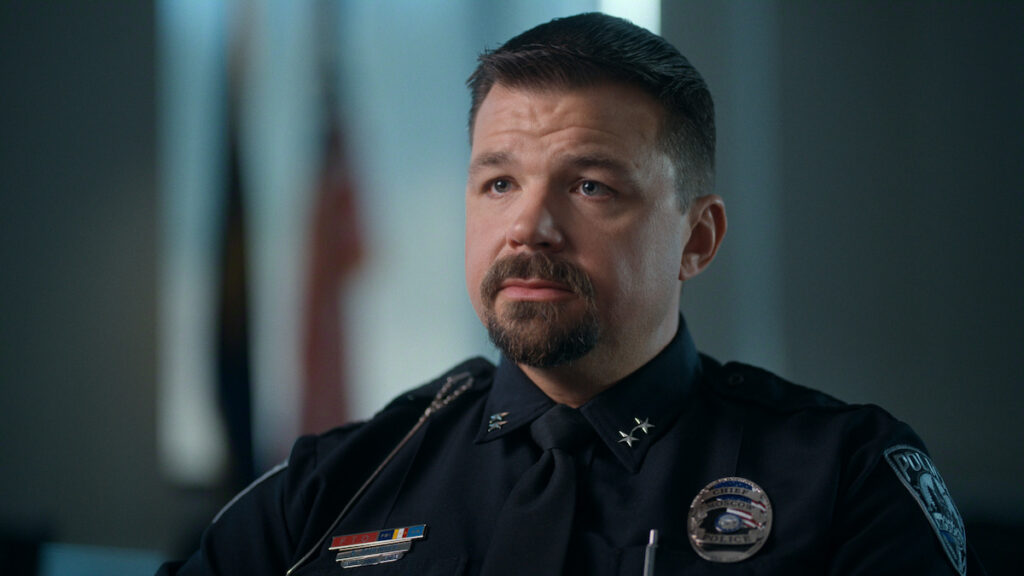
    Moscow Idaho Chief Anthony Dahlinger – Photo Credit: Courtesy of Netflix

    A common phenomenon independent investigators see at work is clients wanting to withdraw pleas simply because prison life isn’t what they expected.

    • Making a Bad Situation Worse: “People want to withdraw their plea for a gazillion reasons,” Edwards explains. “It can be very problematic and make situations worse for the client.”
    • The Risk of Stiffer Penalties: Trying to fight a plea deal because prison is harsh is a massive strategic error. “With a plea deal, you will often get a shorter prison sentence than you would if you’re found guilty at trial,” Edwards notes. “If you go to trial and you lose, now you’re fixing to be in prison in this harsh environment even longer than you were under your plea deal.”

    Lingering Questions on the Ground

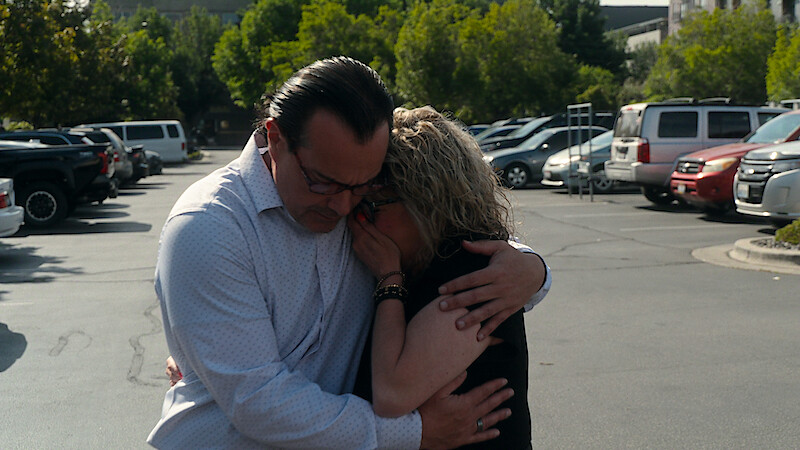
    Parents of Kaylee Goncalves one of the four Idaho victims. – Photo Credit: Courtesy of Netflix

    While the legal maneuvering plays out, the actual mechanics of the 2022 crime scene still leave room for professional analysis. Our co-host, Tanisha, points out that the sheer logistics of the night continue to weigh heavily on researchers. “In my head, I always had this small thought of how did he overpower so many people, even if they were asleep, even if they were drinking?” Tanisha asks.

    The True Weight of the Case

    As the legal battle enters this messy new chapter, it serves as a stark reminder of who actually matters. While courtroom filings continue to pull focus, the real depth of this tragedy isn’t found in legal maneuvers. It is found in the documentary’s ability to completely humanize the victims, friends, and families whose lives were torn apart.

    Memorial to the Victims – Photo Credit: Courtesy of Netflix

    More than just tracking a tragedy, it provides a vital space to celebrate who these young people truly were—shining a light on their joy, their ambitions, and the incredible, positive impact they made on the earth during their time here. The series forces the audience to feel the raw urgency, the heavy grief, and the deep love left behind in a community that was changed forever. No matter how a defendant tries to shift the narrative from a cell, their light and the human cost is the only story that truly matters.

    Go Deeper: Watch our full conversation and subscribe to our channel at the 15 Minutes of Murder YouTube Channel.

    The Idaho Murders College Nightmare docu-series posters – Photo Credit: Courtesy of Netflix
  • The Nolan Wells Case: How Viral True Crime is Breaking the Justice System

    The Nolan Wells Case: How Viral True Crime is Breaking the Justice System

    Mississippi —  The tragic death of Nolan Xavier Wells over the Fourth of July weekend in Mississippi has crossed a dangerous line. It has evolved from a heartbreaking local tragedy into a chaotic internet storm driven by viral TikToks, Facebook theories, and unverified rumors.

    When our recent clip from 15 Minutes of Murder hit 1.4 million views, it taught us a critical lesson: True crime media has a responsibility to steer the public away from the “hype train” and back toward cold, hard forensic reality.

    Nolan Wells smiling in his football uniform on the sidelines of the field
    Nolan Wells courtesy of Christine Wonsley via Facebook

    Why it matters

    When an investigation becomes this messy online, it doesn’t help the victim—it actively harms the case. Flooding the digital space with doctored photos and blind speculation creates static that defense attorneys can later use to claim a fair trial is impossible. To get justice for Nolan, the internet needs to stop playing detective and start focusing on the actual science.

    Science Over Speculation: The “Dry Lung” Debate

    The massive response to our viral video centered on a critical point raised by practicing criminal defense private investigator Desiree Edwards regarding the medical examiner’s initial “no sign of foul play” evaluation.

    The public quickly began debating “dry drowning” vs. foul play, but the actual path to the truth requires looking at standard forensic procedures:

    • The Fluid Test: “They will be able to look at his lungs and tell if there was water in his lungs or not,” Edwards explained. “If there’s water in his lungs, then he was alive when he went into that water. Maybe he did fall into the water and drowned.”
    • The Dry Lung Reality: “But if there’s no water in his lungs and his lungs are dry, that means he was deceased [before entering the water],” Edwards noted. While rare medical anomalies like laryngospasms can cause dry lungs in water, independent researchers look at dry lungs as an immediate red flag for pre-mortem trauma.
    • The Right Move Now: Instead of arguing over medical definitions or cherry-picking data points on social media, the right move now is to look at the totality of both medical examiners’ findings. True justice doesn’t come from weaponizing pieces of an autopsy report for internet clout; it comes from allowing independent investigators and the legal system to cross-examine these results alongside the physical and digital evidence.
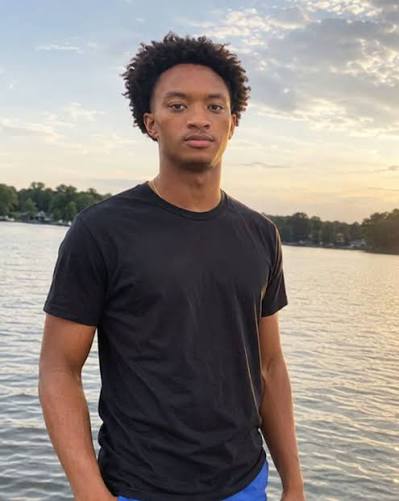
    Nolan Wells in a black t-shirt standing at sunset by the water.
    Nolan Wells courtesy of Christine Wonsley via Facebook

    Accountability in the Digital Age

    The rumor mill has also spun out of control regarding people deleting their social media profiles after leaving the island. While the internet uses this to issue swift digital judgments, real accountability relies on a different kind of tracking.

    • Data Doesn’t Disappear: “When you delete stuff from your devices, the only thing that means is that you, the device owner, just can’t see it anymore,” Edwards warns. Modern digital forensics can routinely recover deleted data, texts, and location tags.
    • The Real Question: The focus shouldn’t be on deleted Instagram accounts. The legitimate investigative question is behavioral: Why would acquaintances leave an island accessible only by boat without a friend, especially if alcohol was involved? In standard investigations, leaving a scene before authorities arrive is a critical red flag that investigators track.

    The Path Forward: Protecting the Case and the Family

    With high-profile civil rights attorney Ben Crump now representing the Wells family, this case is moving toward serious legal scrutiny.

    The right thing to do right now isn’t to chase clicks or post unverified audio clips. The right thing to do is to let the legal system work, protect the integrity of the evidence, and protect Nolan’s family.

    Nolan’s mother was fighting tirelessly for her son long before national media or true crime channels noticed. The family deserves the peace, privacy, and collective public support required to get real answers from the the final, independent autopsy findings—not an internet circus.

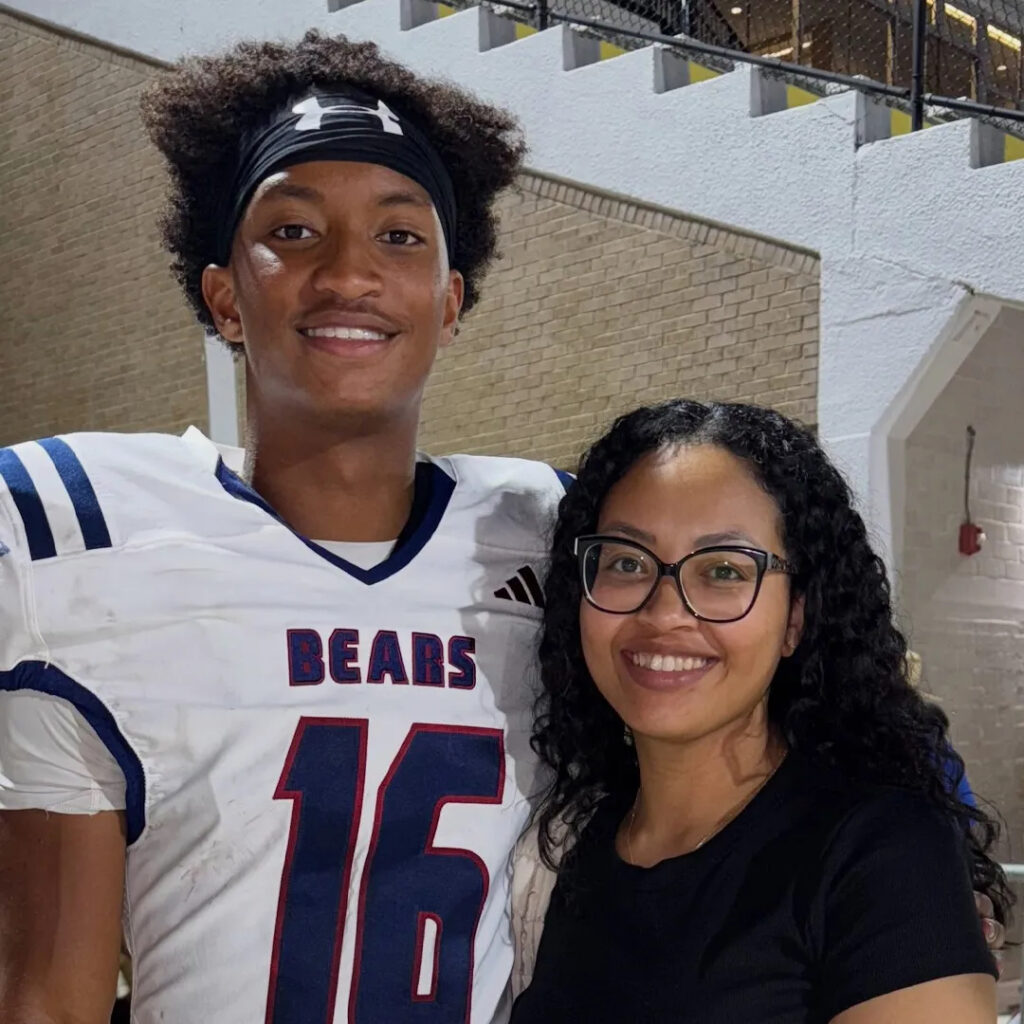
    Nolan Wells and his Mother stand together smiling. Nolan is wearing his football uniform.
    Nolan Wells with his mother, Christine Wonsley. Photo: Family handout courtesy of Ben Crump Law

    Go Deeper: To see our full, unedited breakdown and podcast, watch the full conversation and subscribe to our 15 Minutes of Murder YouTube Channel below:

  • Amazon’s ‘Murder 101’ Explores Prolific Long-Haul Trucker Serial Killer Cases

    Amazon’s ‘Murder 101’ Explores Prolific Long-Haul Trucker Serial Killer Cases

    Tennessee — A three-part true-crime docuseries on Amazon Prime, Murder 101, is shedding light on a massive multi-state serial killer investigation cracked by an unexpected group of researchers, High School Students.

    Amazon Prime Murder 101 docuseries promotional poster
    • The Backstory: A high school teacher, Alex Campbell, and a dedicated group of students spent a semester investigating cold cases involving unidentified women discovered along major highway corridors across Tennessee, Kentucky, West Virginia, and Arkansas.
    • The Breakthrough: Utilizing geographical mapping and behavioral tracking, the students charted body dump sites along interstates I-40, I-24, Route 250, and I-81. Their research was turned over to federal authorities, cracking the decades-old “Redhead Murders” cold cases.

    Identifying a Prolific Killer

    Trailer for Amazon Prime’s Murder 101

    The student-led investigation ultimately linked the highway murders to Jerry Leon Johns, a long-haul trucker who died in prison in 2015.

    Investigators now believe Johns may be a prolific serial killer responsible for at least 14 to 15 victims across multiple states, including Tennessee, Arkansas, Mississippi, Pennsylvania, Kentucky, and West Virginia.

    • The Methodology: The team used a distinct, sociology-driven approach. They analyzed regional patterns, long-haul trucking routes, and environmental factors to connect dots traditional law enforcement missed.
    • Unsolved Connections: The revelations have raised fresh questions about other unsolved highway homicides. Criminologists note striking similarities to a deserted stretch between two major highways in Florida where 19 women have historically gone missing.

    The PI Perspective: Why Sociology Cracks Cold Cases

    In a recent episode of the 15 Minutes of Murder podcast, veteran criminal defense private investigator Desiree Edwards broke down why the student-led methodology in Murder 101 succeeded where traditional law enforcement methods often stall.

    Edwards, who shifted her own academic focus from psychology to sociology, emphasizes that solving complex serial victimization patterns requires studying the broader science of people in society.

    • The Core Philosophy: “If you plug in and dig into those things and you do it well and you’re looking at it objectively, how can you not get attached to people? Because you just have a better understanding of them,” Edwards explains.
    • Understanding the Victimology: Edwards notes that looking at systemic trauma helps investigators understand how victims end up in the line of fire. Without that sociological lens, society often dismisses vulnerable individuals as “thrown away.”
    • Analyzing the Perpetrator: The same lens must be applied to serial killers like long-haul trucker Jerry Leon Johns to map their behavioral patterns. Edwards stresses that childhood trauma, environmental toxicants like lead paint, or domestic abuse all shape a perpetrator’s trajectory.
    Students study images of the victims – pic Amazon Prime Video

    Edwards warns that ignoring these systemic factors can derail an investigation: “All of those things matter when you are talking about your perpetrator and equally your victim. And if you don’t understand that, then nothing else will matter or you won’t even be successful as you’re trying to connect the dots and figure out what happened.”

    Go Deeper: How do investigators track modern highway killers? We ask real experts. Check out our Ask a PI series on our video tab or launch our YouTube Channel for deep-dive criminal defense insights from our team.

    Students and teacher Alex Campbell in the field – pic Amazon Prime Video