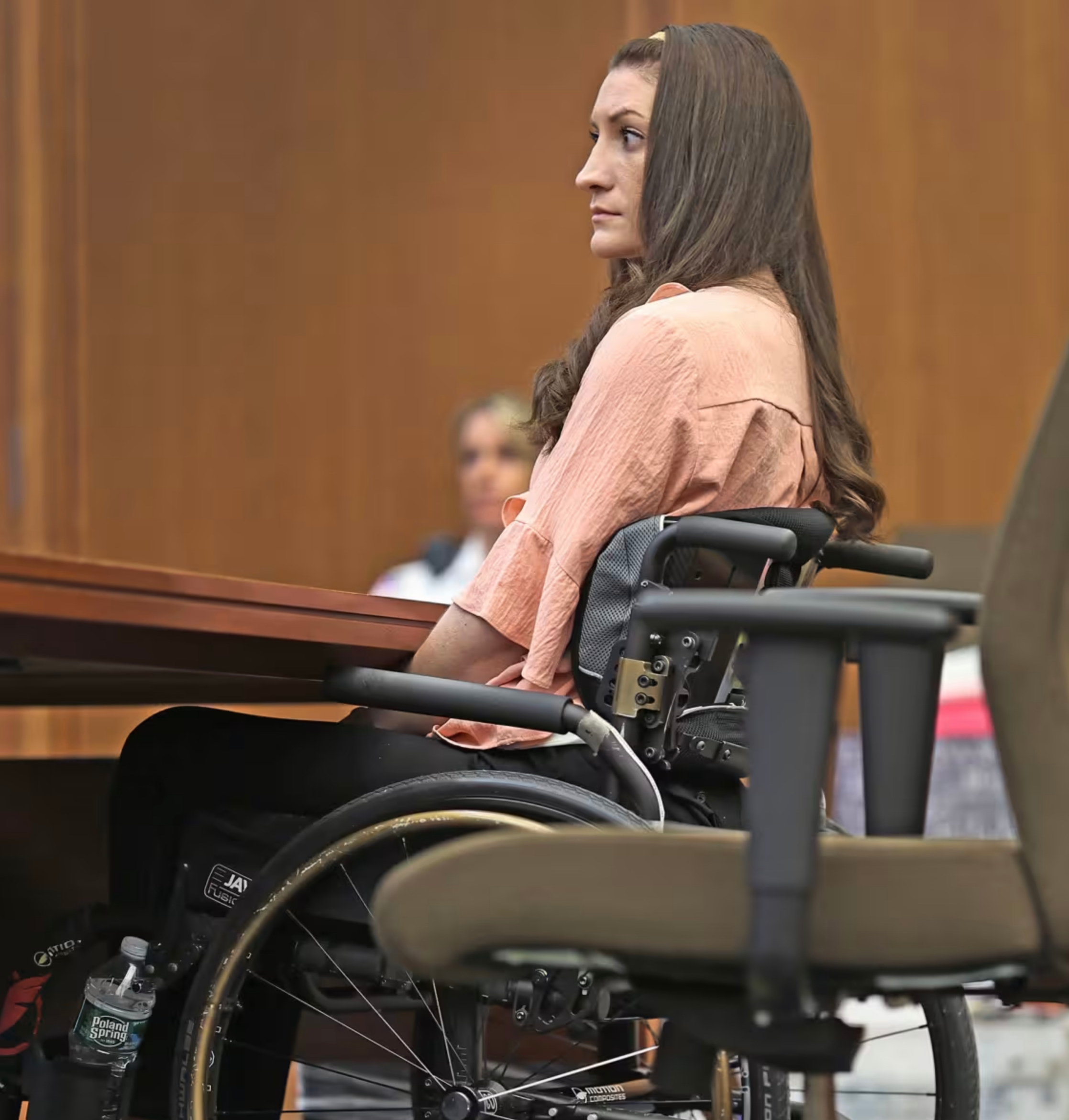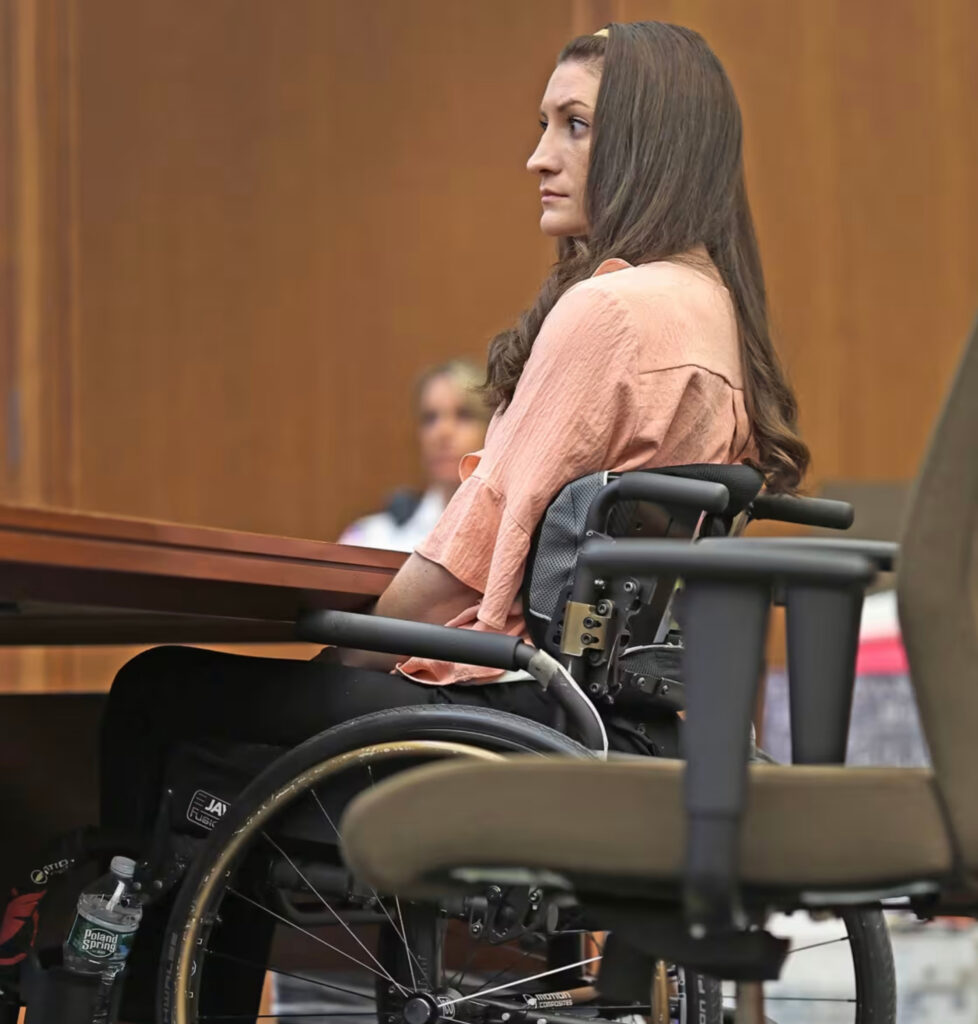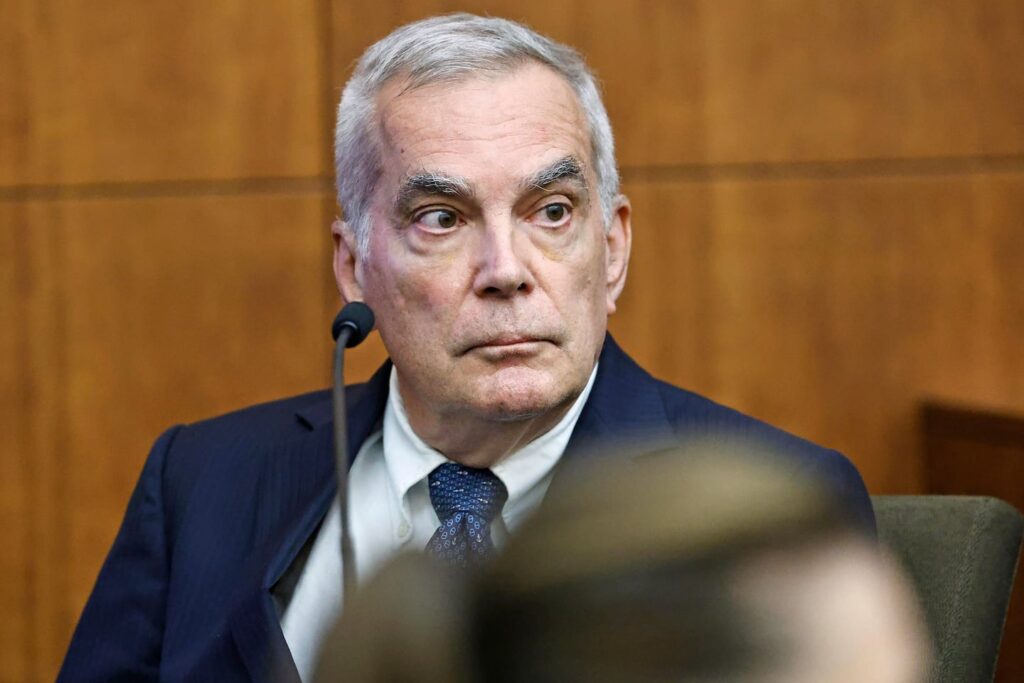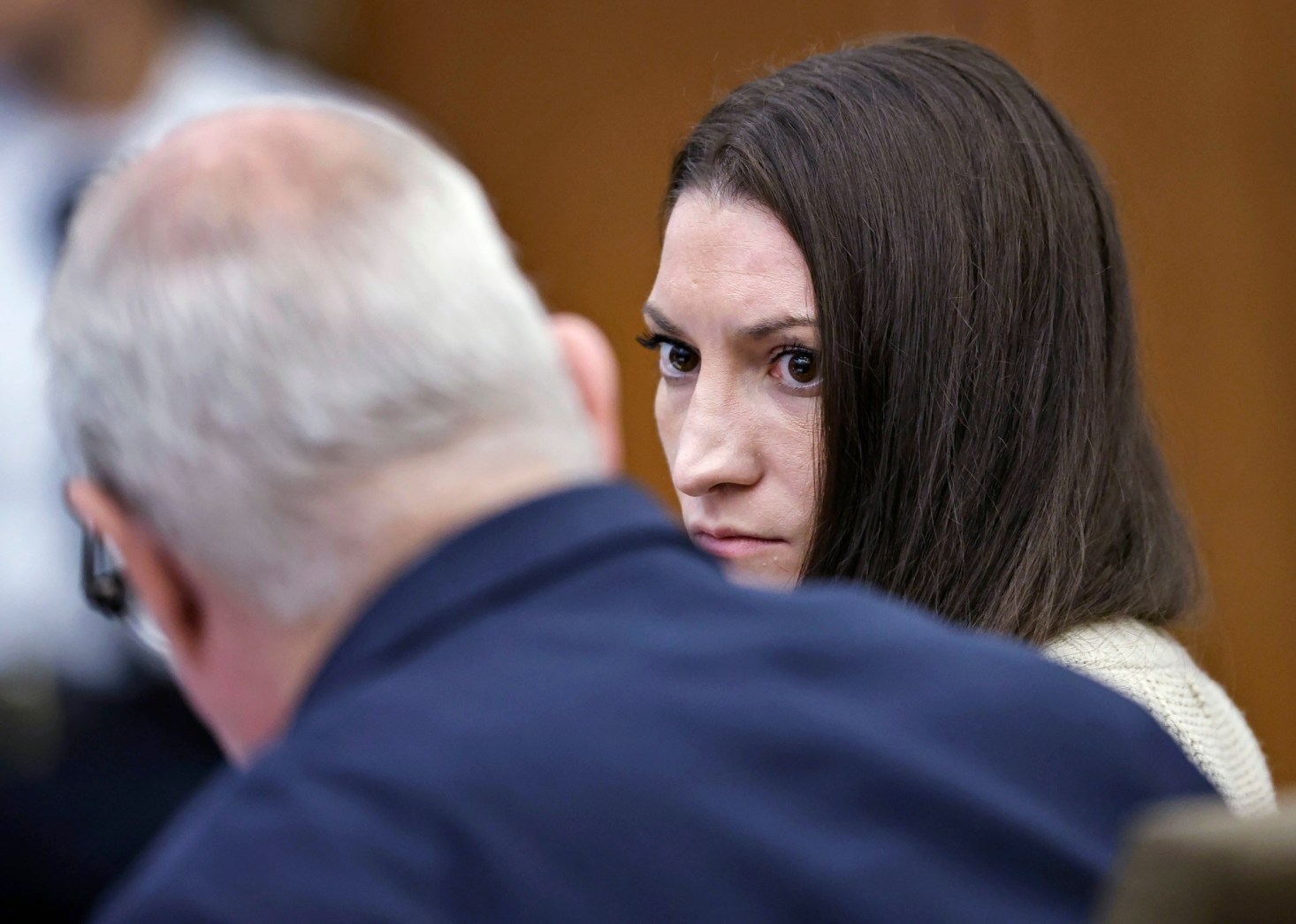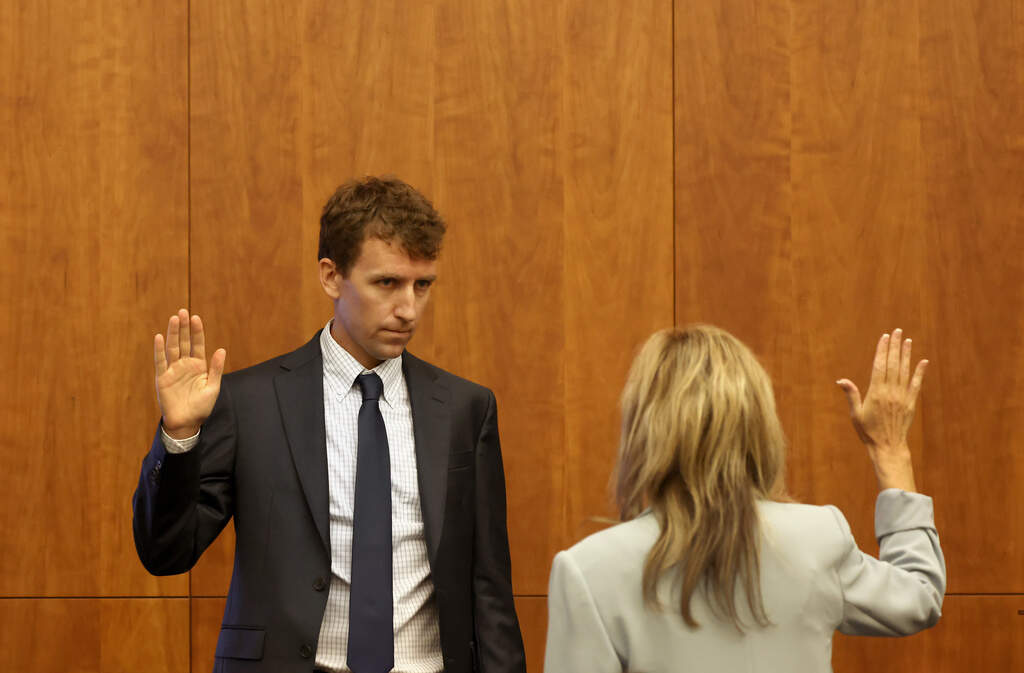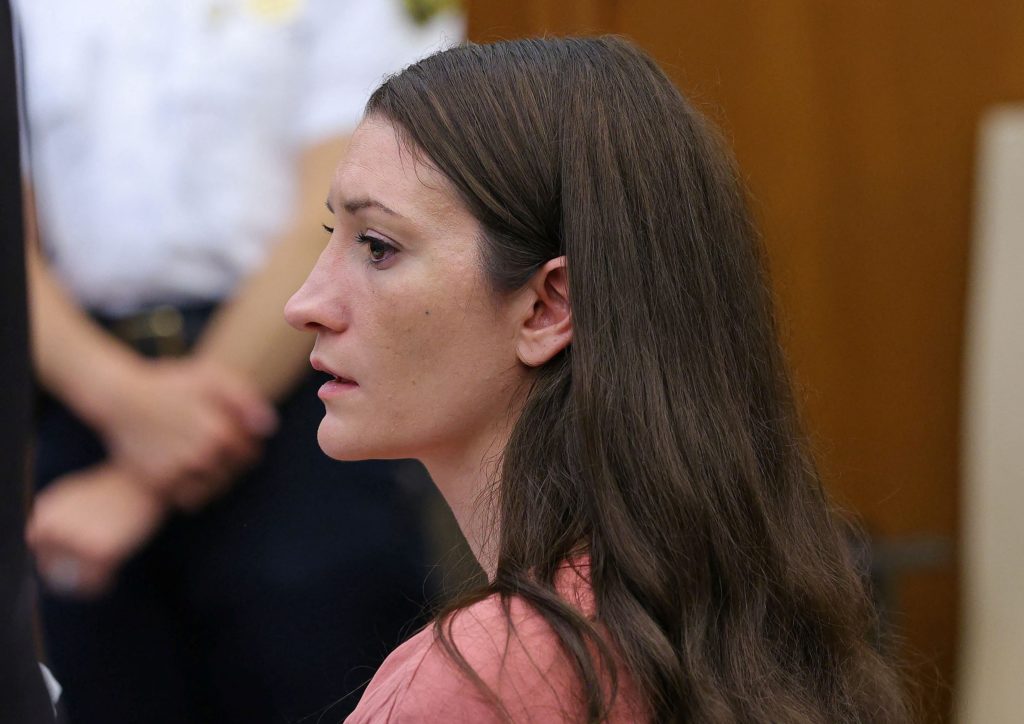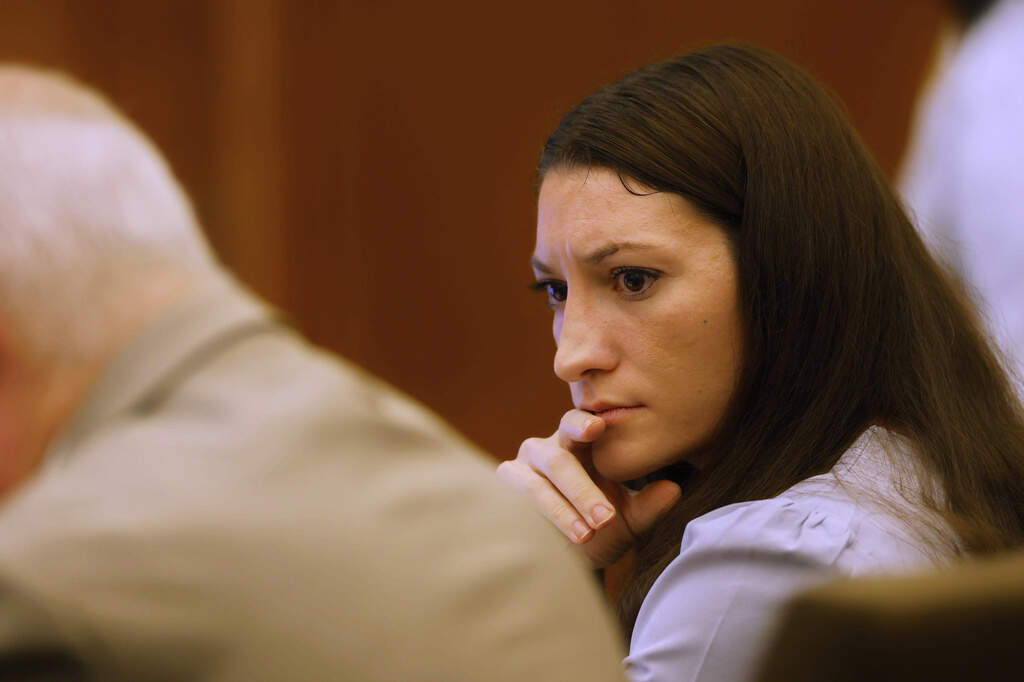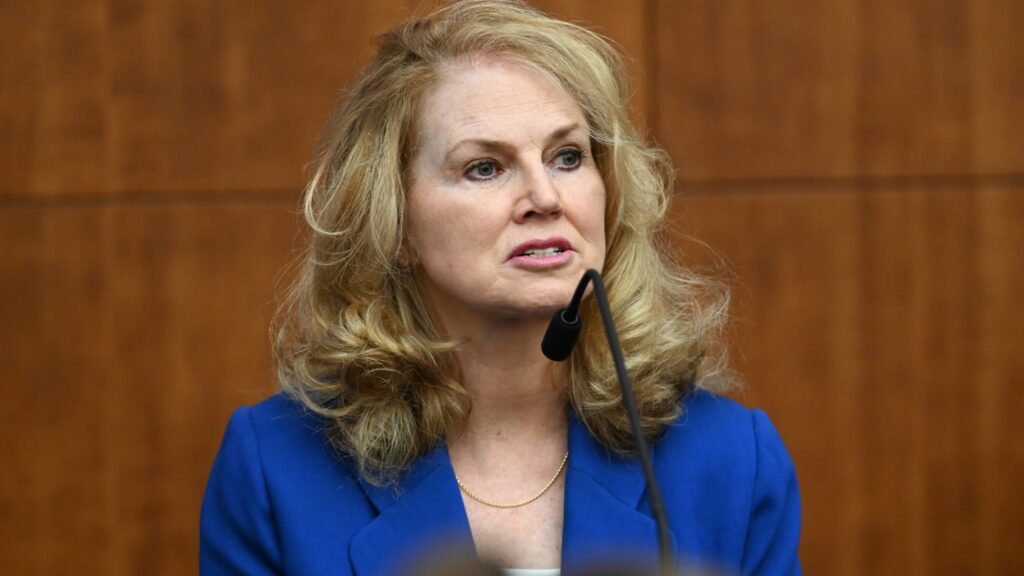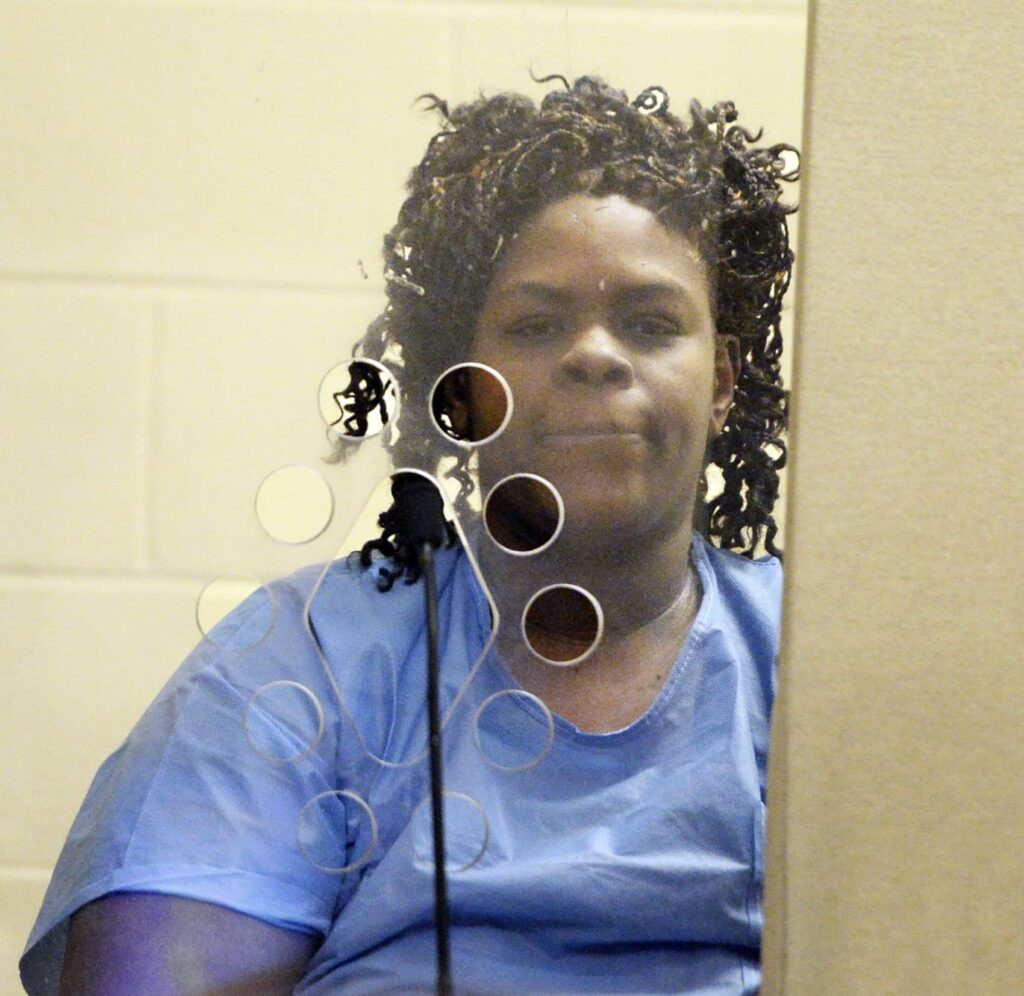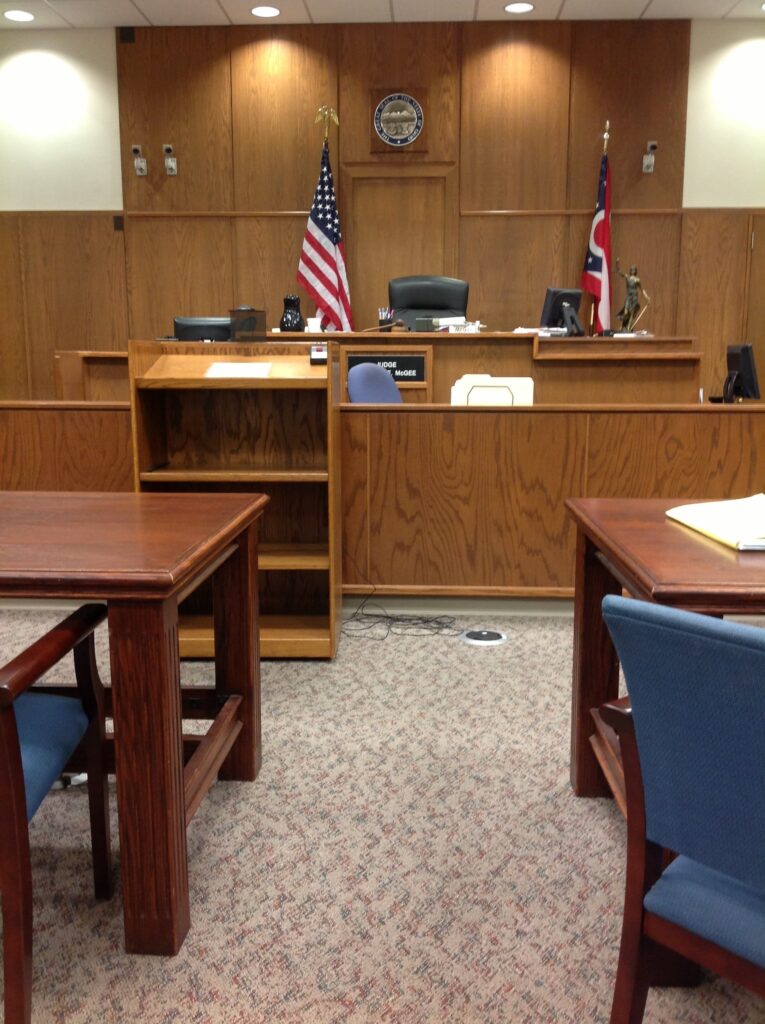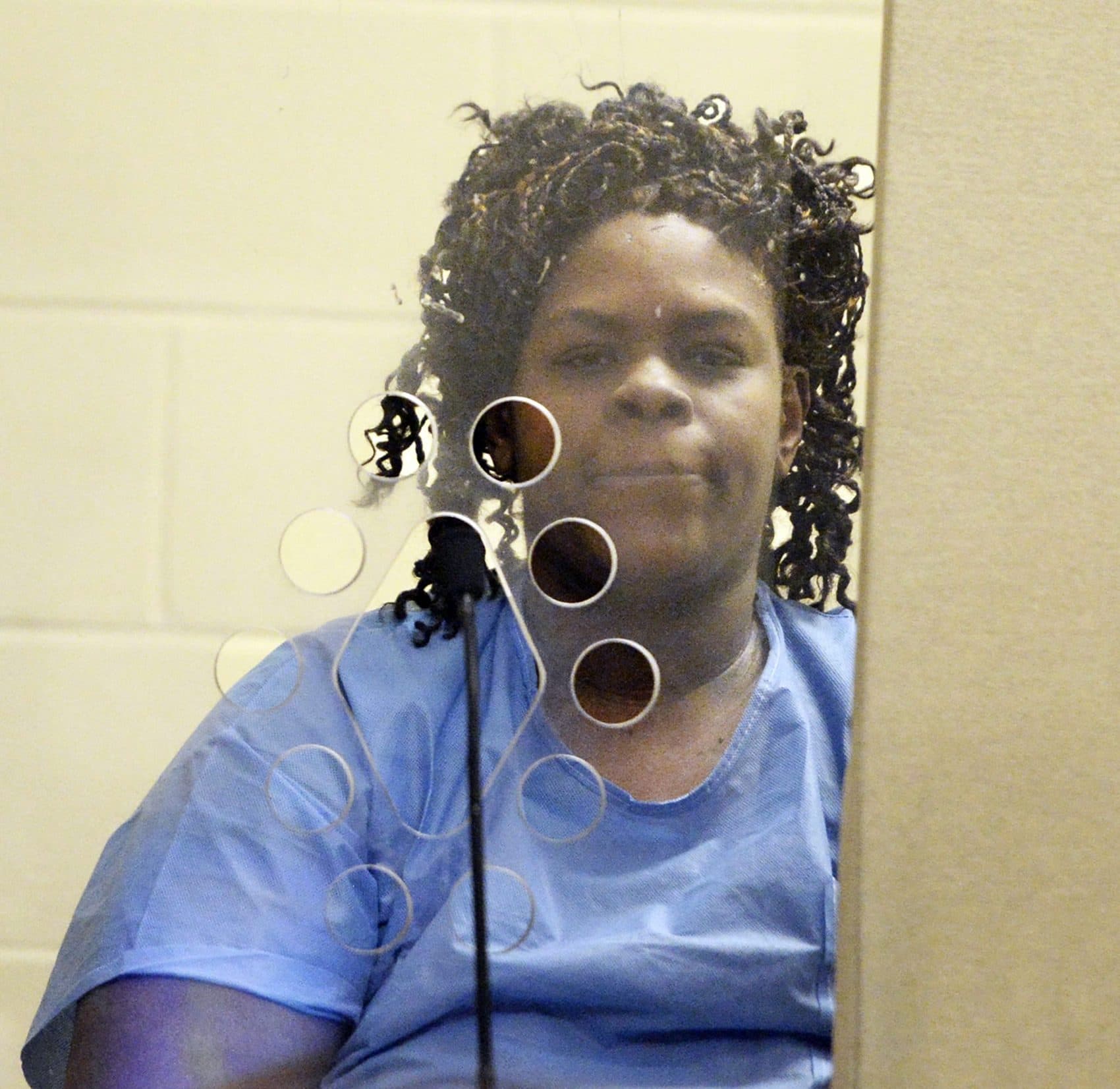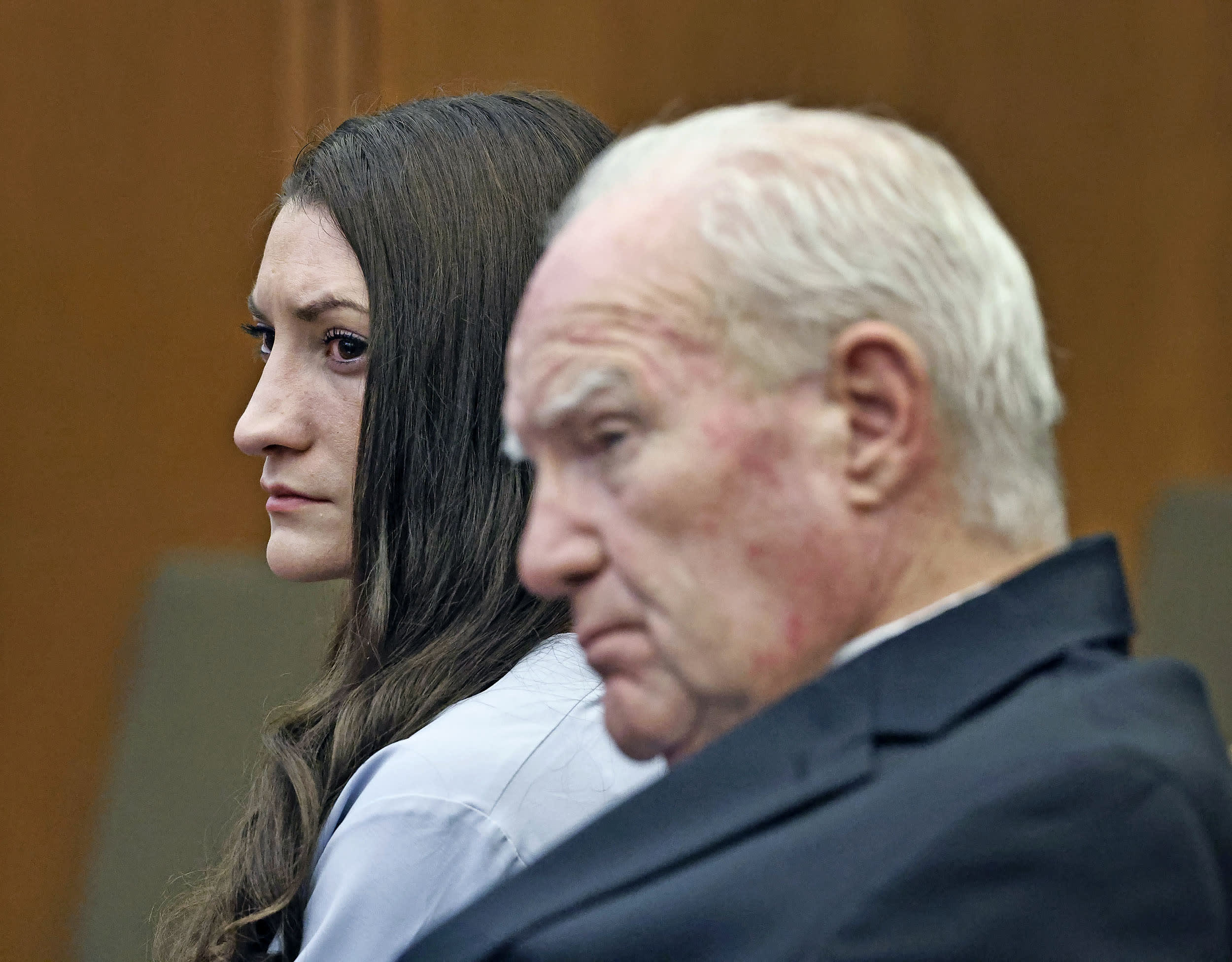
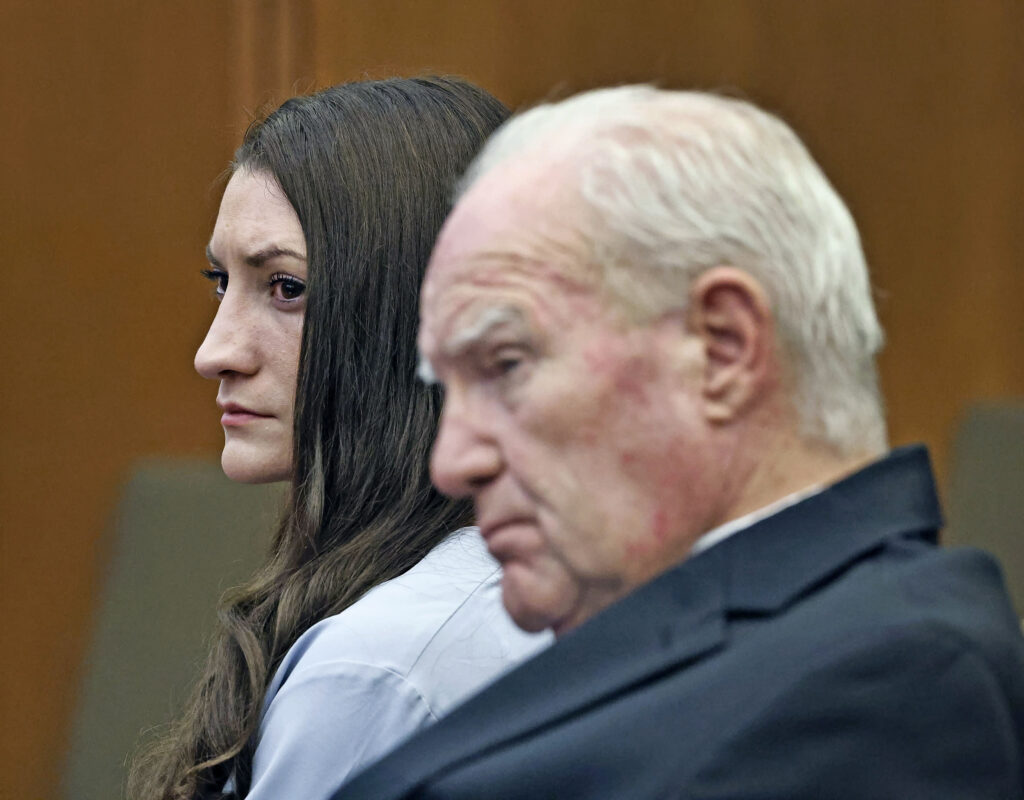
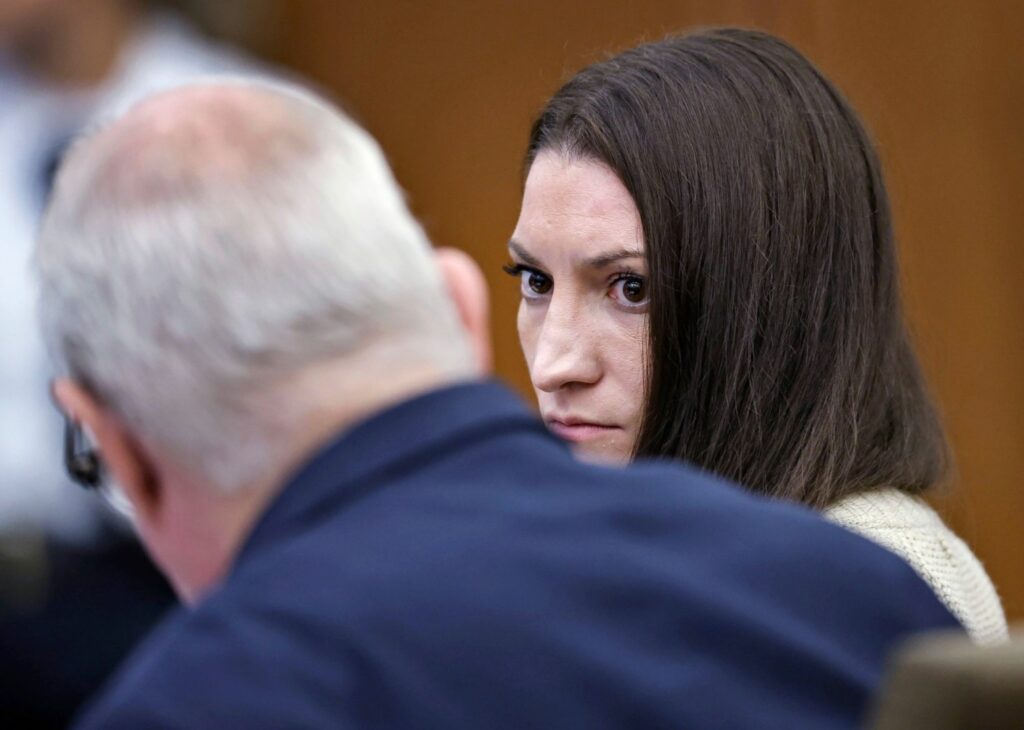
Massachusetts – The five-week legal battle over the fate of Lindsay Clancy has officially reached its critical climax in Plymouth Superior Court. Following a day of emotionally devastating closing arguments that stunned the courtroom gallery on Thursday, the jury officially launched into their first 3.5 hours of active deliberations before pausing for the night without reaching a verdict.
- The Prosecution’s Ultimatum: Assistant District Attorney Jennifer Sprague delivered a brutal final thesis, flatly telling the jury that Clancy viewed her three children as “obstacles” to her planned suicide and killed them to clear the path.
- The Defense’s Outcry: Defense attorney Kevin Reddington aggressively fired back, labeling the state’s case a cruel “witch hunt” and placing the blame entirely on “medical malpractice on a grand scale” due to a chaotic cocktail of 13 prescribed psychiatric medications.
- The Current Clock: Deliberations are officially paused for the evening. The jurors are heading home tonight and will return to the courthouse first thing Friday morning to resume.
The explosive closing arguments have sent digital search traffic into an absolute frenzy, drawing intense public debate over criminal intent, parental mental health, and medical accountability.
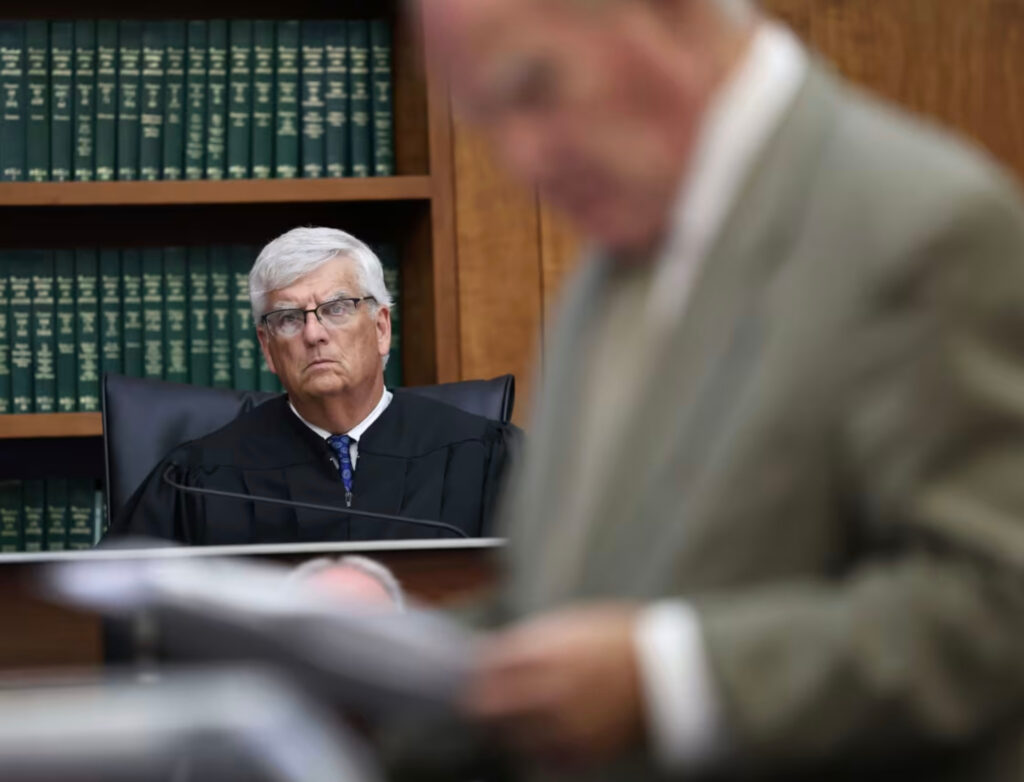
Two Irreconcilable Courtroom Realities
The final pitches to the jury presented two completely different interpretations of human tragedy. The state’s closing strategy relied heavily on the concept of deliberate execution, painting a picture of a mother who calmly timed her husband’s takeout run using Apple Maps so she could systematically remove her children before attempting her own death.
Conversely, the defense argued that treating a severe maternal psychiatric emergency like a cold, calculated criminal plot represents a deep failure of the justice system. They asserted that her extensive medical tracking logs and post-arrest psychiatric files prove a mind completely shattered by a profound medical crisis, rather than a malicious actor working with intent.
A New Chapter in True Crime Investigative Ethics
As independent creators navigate these high-profile national verdicts, the responsibility of true-crime storytelling is rapidly evolving. This week’s major courtroom scandal—where a national magazine reporter was abruptly stripped of her credentials for inappropriate, casual behavior during solemn medical testimony—highlights a growing public rejection of surface-level news voyeurism.
True-crime audiences are increasingly demanding that media platforms move away from treating real-world family heartbreaks like casual social media entertainment. Journalistic integrity requires a commitment to tracking the deep, systemic realities of a case file rather than chasing the immediate sensationalism of a courtroom camera lens.
The Bigger Investigative Picture
As a professional TV producer and the executive creator of 15 Minutes of Murder, I look at these final courtroom moments through a strict lens.
“When a massive trial heads to a jury room after the state frames a mother’s actions around a chilling phrase like ‘obstacles to suicide,’ it highlights the extreme responsibility independent media holds,” the 15MM Producer noted. “A complex legal deliberation shouldn’t be consumed like a scripted television season finale. True justice demands that we look completely past the high-stakes courtroom theater, honor the humanity of the victims—Cora, Dawson, and Callan—and focus our reporting on uncovering the actual institutional, medical, and social failures that occurred long before a crisis turned fatal.”
Go Deeper: Check out our Ask a PI series on our video tab or launch our YouTube Channelfor deep-dive criminal defense insights from our team.