Tag: Mental Health

  • Lindsay Clancy Effect: Illinois Mother Charged with Toddler’s Murder Was Obsessively Tracking Sanity Trial

    Lindsay Clancy Effect: Illinois Mother Charged with Toddler’s Murder Was Obsessively Tracking Sanity Trial


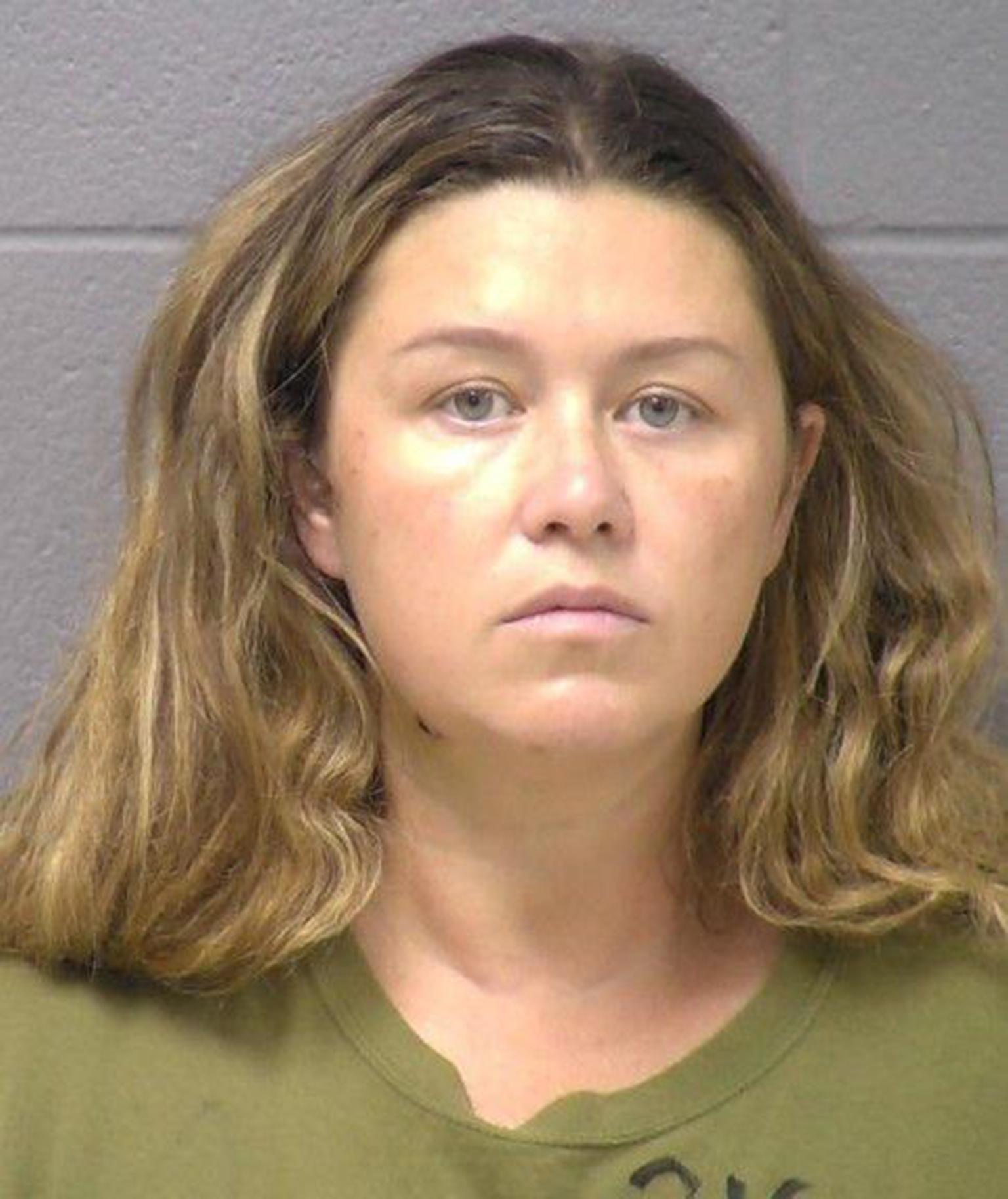
    mug shot of Corie Walsh with bush light brown hair and an army green t-shirt looking disheveled
    Corie Walsh, an Illinois mom accused of killing her toddler after calling him ‘anti-Christ.’ photo Will County Adult Detention Facility

    A horrifying true crime crossover has emerged from a suburban Chicago courtroom. Prosecutors revealed that Corie Walsh, a 40-year-old mother charged with the brutal murder of her 2-year-old son, was deeply obsessed with the nationally watched Lindsay Clancy trial—actively texting friends about the case hours before the homicide. 
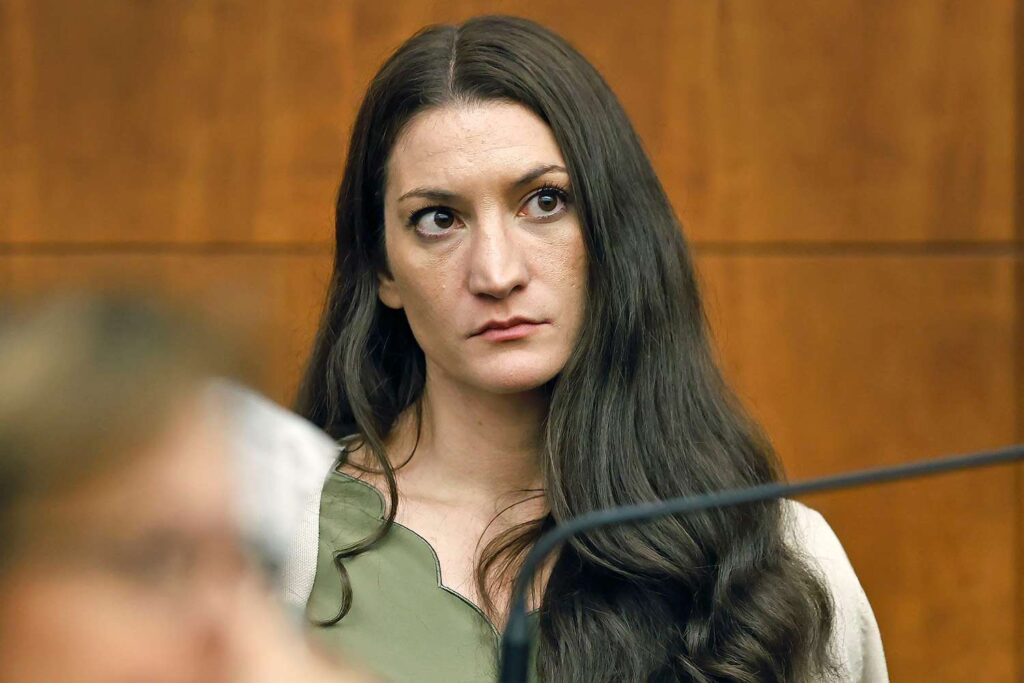

    Lindsay Clancy attends her murder trial at Plymouth Superior Court, in Plymouth, Massachusetts, U.S. Greg Derr/Pool via REUTERS

    • Why It Matters: The development exposes a terrifying psychological echo effect. While the nation watched Clancy’s defense battle over criminal sanity in Massachusetts, an unstable mother allegedly utilized the public trial discourse as a disturbing blueprint. 
    • The Dark Timeline: Police discovered the remains of 2-year-old Barrett inside the basement of the family’s McHenry County home. Court records show Walsh had spent the preceding days heavily investing herself in streaming the closing arguments and jury deadlock coverage of the Clancy trial. 
    • The Text Message Trails: Prosecutors unveiled digital forensic data showing Walsh sent multi-sentence text messages analyzing Clancy’s postpartum psychosis defense. In her final messages before her arrest, she allegedly wrote to a friend about how the legal definitions of insanity work during a maternal homicide trial.
    • The First-Degree Charges: Unlike the deadlocked Clancy trial, Illinois prosecutors are moving aggressively with three counts of first-degree murder. The judge ordered Walsh held without bond after state attorneys argued her digital tracking trail proved an intentional, conscious detachment from reality.
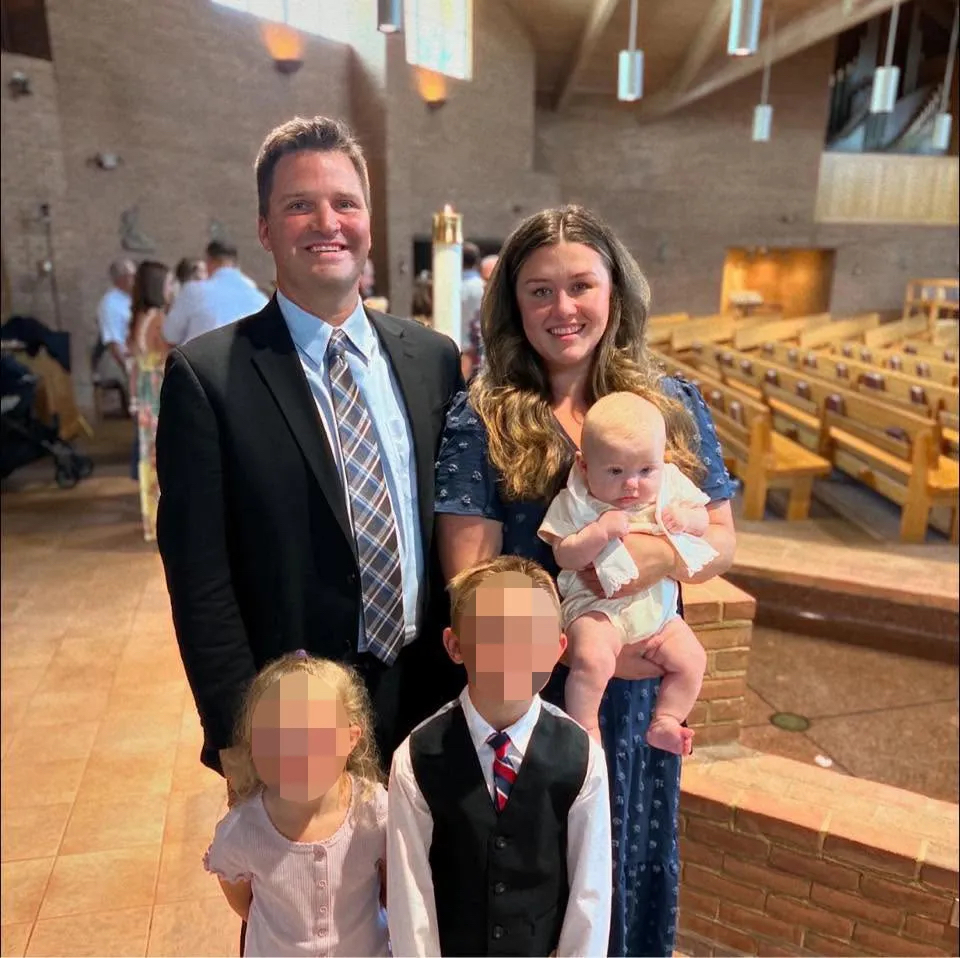
    A young family in church smile for a picture
    Corie Walsh is seen with her family in an undated photo posted to Facebook.

    A Producer’s Perspective: When True Crime Echos into Reality

    “This case shatters everything we think we know about the boundaries of media consumption and mental illness,” notes the Executive Producer of 15 Minutes of Murder. “When a mother becomes so psychologically consumed by a real-time murder trial that she allegedly replicates the tragedy in her own basement, it forces an uncomfortable look at our collective true crime fascination.” 

    “At 15 Minutes of Murder we talk alot about how almost every single homicide ultimately routes right back to severe psychological imbalances or undiagnosed mental health issues. This isn’t just about a standard police log—it’s about an environment where unstable minds can latch onto public media and bend reality. True justice requires us to look directly into this darkness, center the innocent victims like young Barrett, and analyze the psychological warning signs before the loop repeats itself.” 


    Share Your Thoughts: Do you believe high-profile, televised true crime trials can inadvertently serve as a trigger or blueprint for unstable individuals, or is media consumption entirely separate from criminal intent? Let us know in the comments below.


    Go Deeper: Check out our Ask a PI series on our video tab or launch our YouTube Channel for deep-dive criminal defense insights from our team.

  • Mistrial Denied: Shocking Legal Moves Upend the Lindsay Clancy Murder Trial

    Mistrial Denied: Shocking Legal Moves Upend the Lindsay Clancy Murder Trial

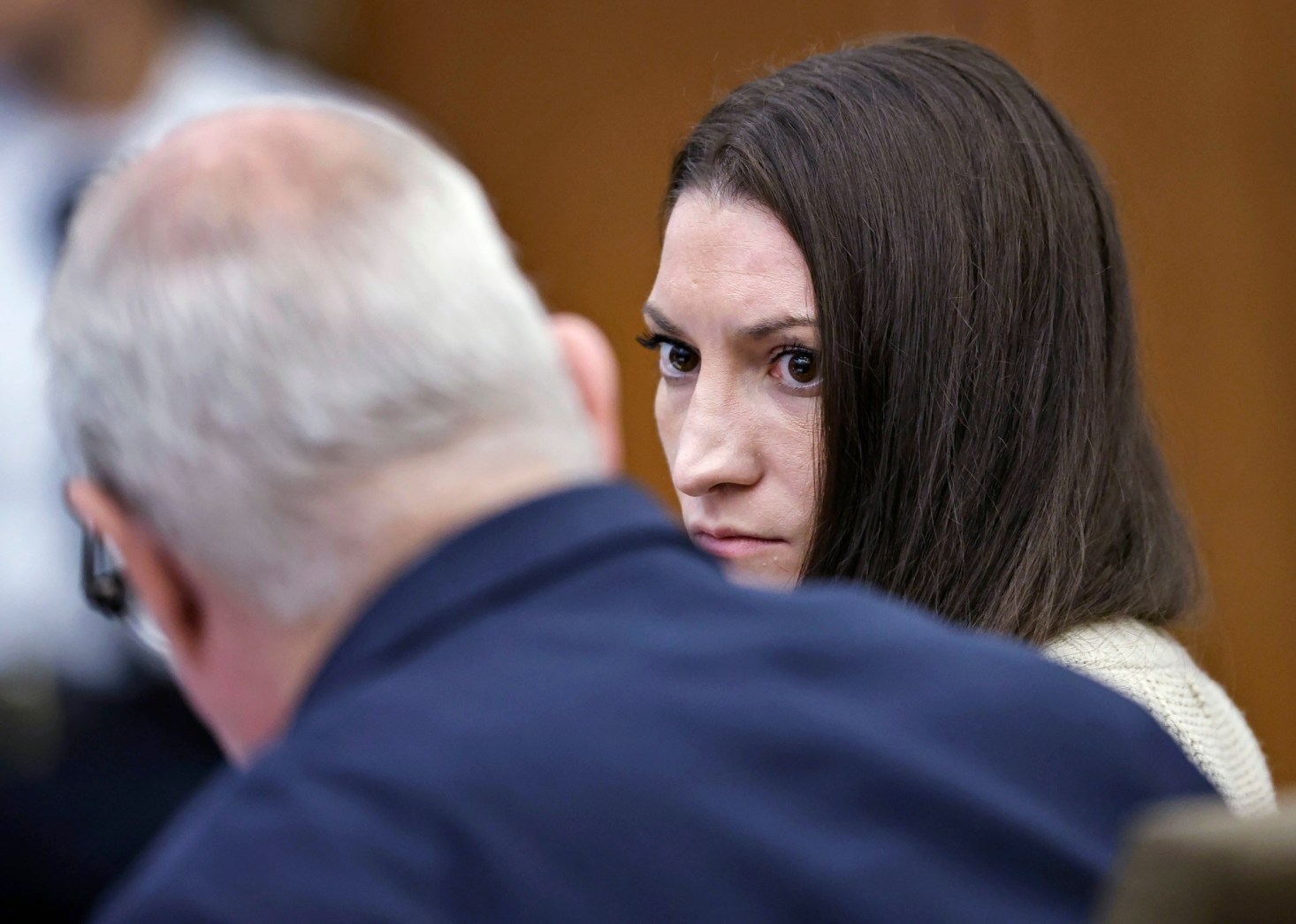
    Lindsay Clancy in courtroom talking to her lawyer with a focused look on her face with long dark hair and a beige sweater on.
    Defendant Lindsay Clancy talks with her lawyer Kevin Reddington. during her murder trial at Plymouth Superior Court, Monday, Aug. 24, 2026 in Plymouth, Mass. (Greg Derr/The Patriot Ledger via AP, Pool)

    Massachusetts – The high-profile triple-murder trial of Lindsay Clancy in Plymouth Superior Court took a shocking, late-day turn as the case entered its final, highest-velocity window. In a dramatic courtroom maneuver, the defense team officially moved for a mistrial, bringing the proceedings to a sudden halt before Judge William F. Sullivan swiftly denied the motion. 

    • The Stance: The defense team called for an immediate mistrial, accusing the prosecution of weaponizing references to “moral sin” and “religious misconduct” to prejudice the jury. 
    • The Judgment: Judge Sullivan flatly denied the motion, allowing the high-stakes proceedings to move forward.
    • The Context: This explosive legal battle landed immediately after the defense rested its case, following weeks of testimony stating Clancy lacked criminal responsibility due to severe postpartum psychosis. 

    The sudden mistrial denial has sent true-crime search traffic into a frenzy, reigniting massive systemic debates over criminal accountability, judicial standards, and public accountability as closing arguments loom for the week ahead. 

    The Financial and Forensic Aftermath


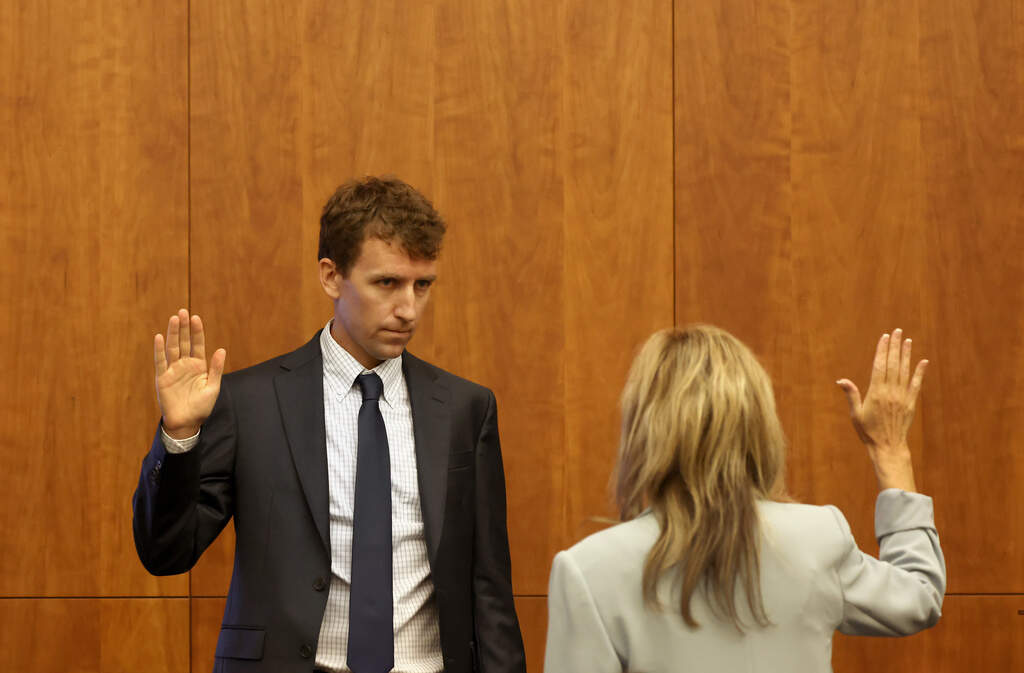
    patrick Clacy in the courtroom being sworn in with his right hand raised wearing a blue suit and tie.
    Patrick Clancy is sworn in during the Lindsay Clancy murder trial at Plymouth Superior Court in Plymouth, Mass., on Wednesday, July 29, 2026. (David L. Ryan/The Boston Globe via AP, Pool)

    While the criminal trial centers strictly on mental competency inside the courtroom, the broader true-crime community is focusing heavily on the structural aftermath outside the legal box. Public scrutiny has intensely remounted regarding the tracking of massive crowdfunding efforts, including the over $1 million raised via GoFundMe following the early days of the tragedy. 

    This tracking mirrors the exact investigative psychology that independent crime platforms look at. When public sympathy translates into immense financial support, true-crime audiences demand absolute transparency regarding asset allocations, civil liability lawsuits, and legal defense funding. When corporate networks ignore the financial trails to focus solely on theatrical courtroom outbursts, they miss the systemic realities that define the long-term aftermath of a homicide. 

    The Myth of the Easy Cure

    The struggle to convey the terrifying parameters of a detachment from reality to a modern legal system remains a central focal point of public debate. On a recent viral segment for 15 Minutes of Murder, true-crime expert Desiree again broke down how dangerously uneducated the public remains regarding severe maternal mental health crises. 

    “Unless you have lived that, you have no idea how real something like postpartum depression or postpartum psychosis is,” Desiree observed. “And again, you will try to reach out to your friends and family and they will give you that same ‘Oh you just need some rest,’ and you are really in the middle of a crisis! So that’s the first thing that I wanna say about that and that is from my personal experience.” This is a quote we have used on many occasions when discussing this case.

    Treating an acute psychiatric breakdown like a minor bout of exhaustion is an institutional failure that continues to tear families apart long before they ever face a jury. 


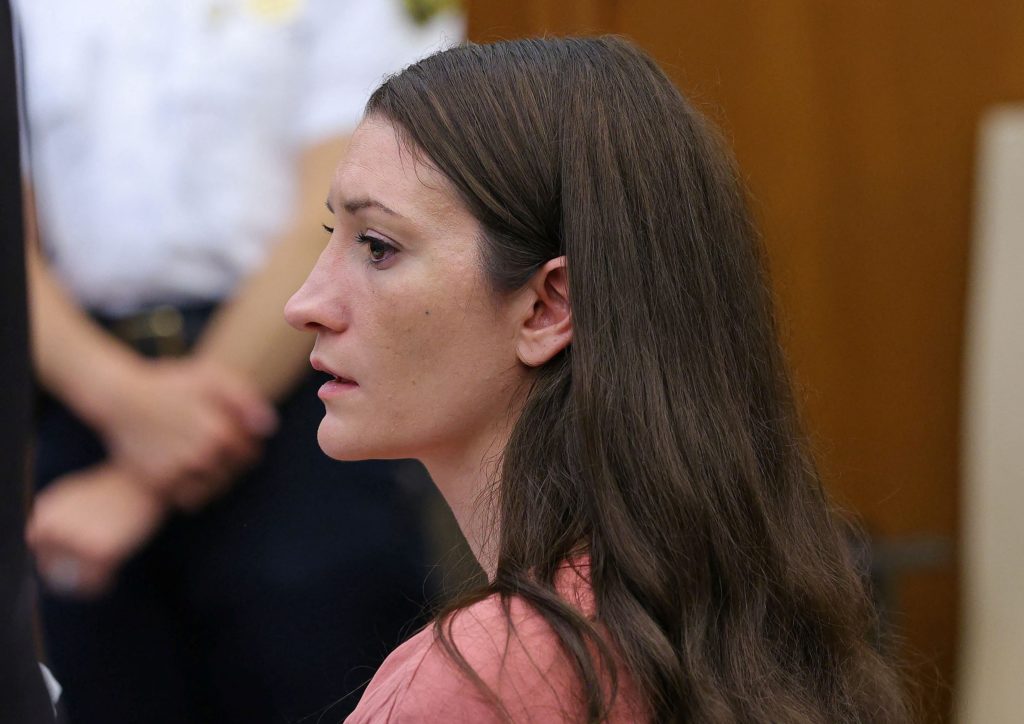
    courtroom picture of Lindsay Clancy looking very worried
    Lindsay Clancy attends her murder trial at Plymouth Superior Court, in Plymouth, Massachusetts, U.S., August 3, 2026. Greg Derr/Pool via REUTERS

    A Producer’s Ethical Blueprint

    As the trial day concludes with Judge Sullivan denying the defense’s motion for a mistrial, the courtroom theatrics cannot overshadow the haunting questions raised by those closest to the tragedy. As discussed on 15 Minutes of Murder Wednesday Night Live by host Tanisha and guest Kirstin, both Lindsay’s mother and Patrick’s mother have made it clear that she was desperately crying out for help for weeks. From my perspective as a professional TV producer and the creator of 15 Minutes of Murder, the real story isn’t just the verdict—it is how the system completely failed this family. Our ethical duty as investigative creators is to look past the transactional court theater and demand absolute medical transparency. True accountability means shifting the public conversation away from casual entertainment and focusing on the systemic healthcare gaps that left Cora, Dawson, and Callan unprotected. 


    Go Deeper: Check out our Ask a PI series on our video tab or launch our YouTube Channel for deep-dive criminal defense insights from our team.

  • The Disturbing Legal Double Standard Exposed by Massachusetts’ Newest Murder Retrial

    The Disturbing Legal Double Standard Exposed by Massachusetts’ Newest Murder Retrial

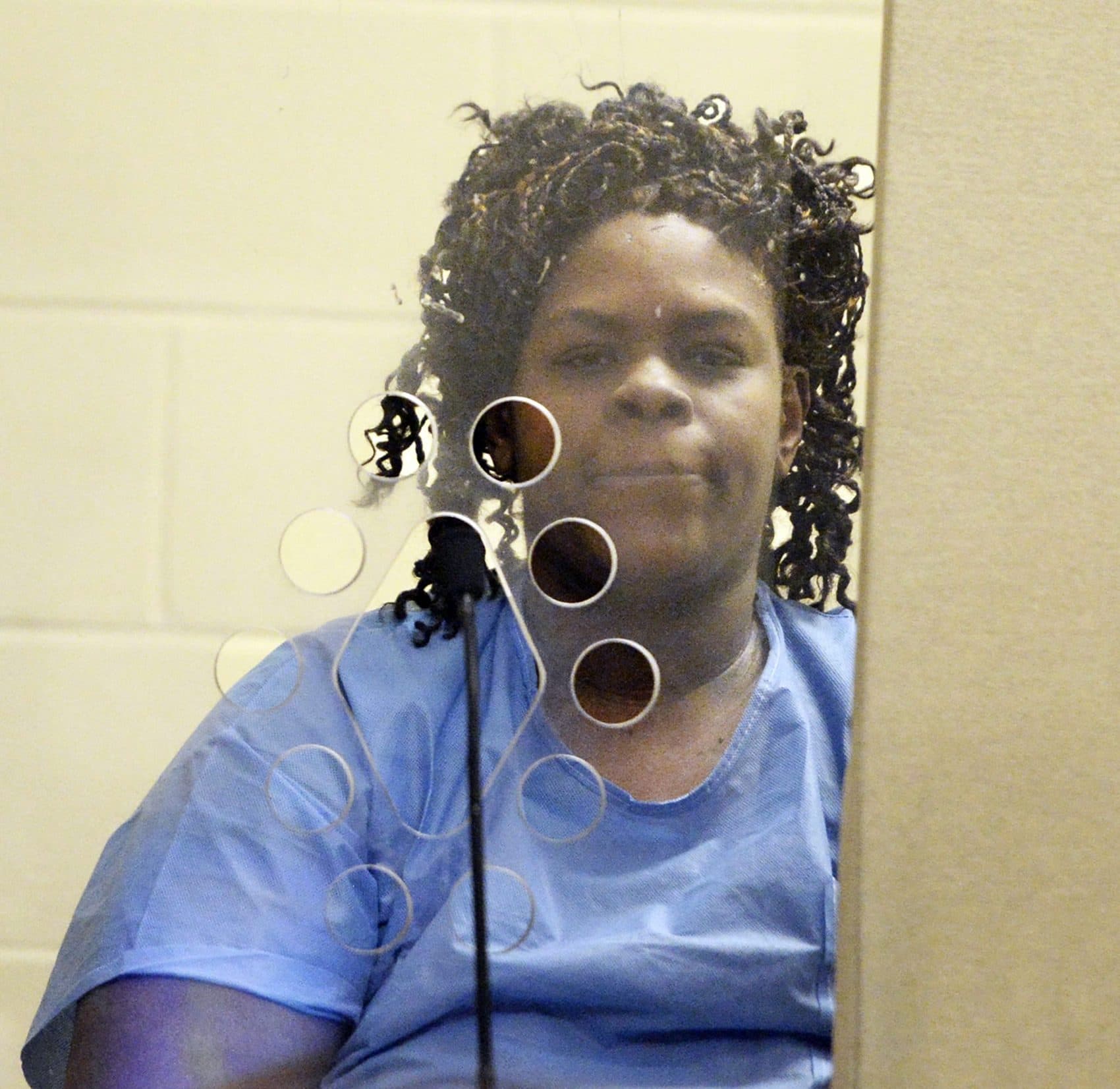
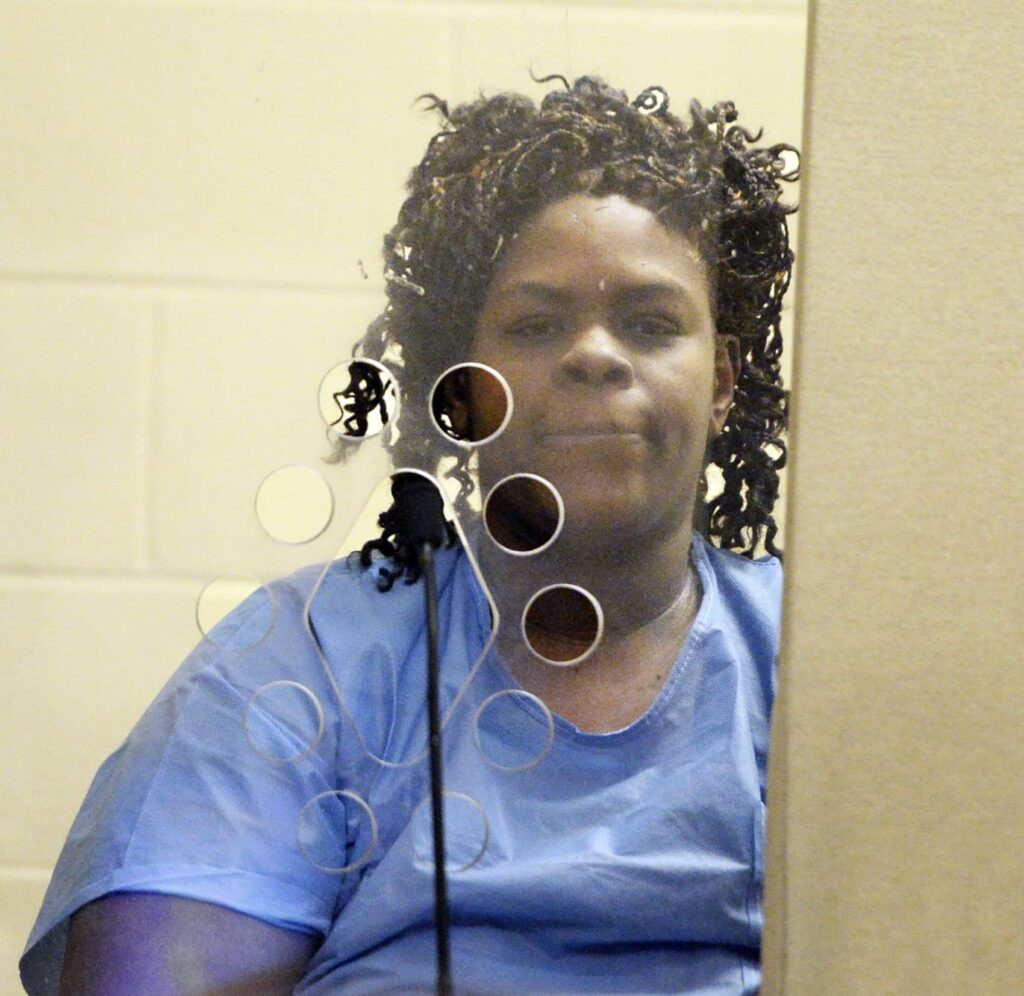
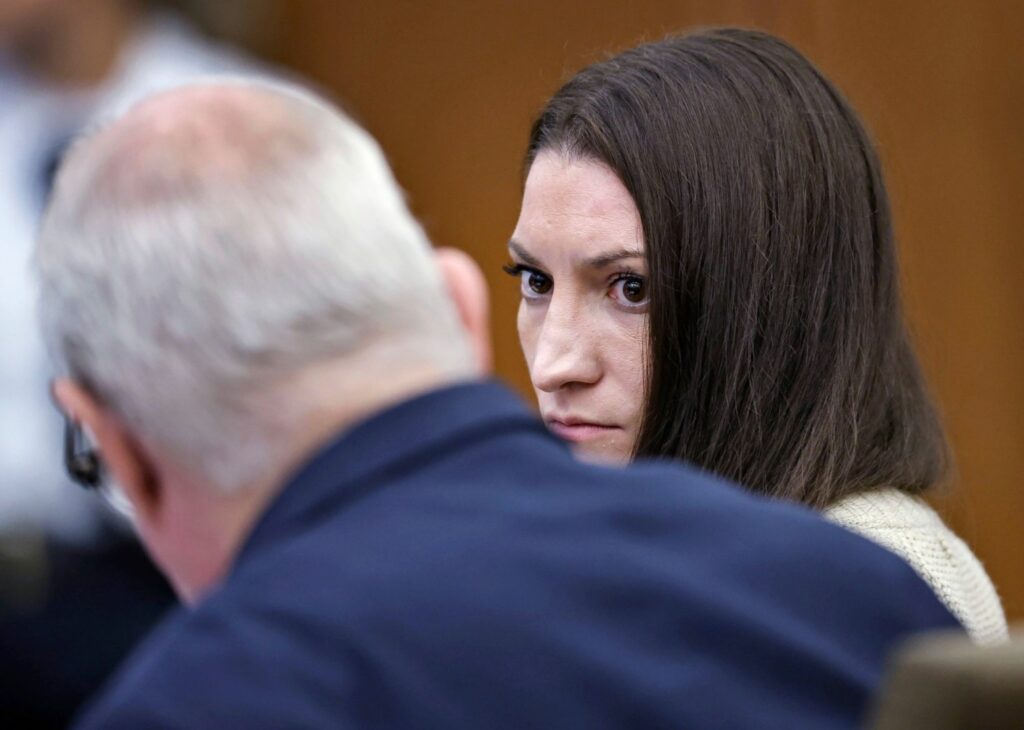
    Courtroom photograph of Latarsha Sanders during a legal proceeding, looking forward with a somber expression.
    Latarsha Sanders by Marc Vasconcellos /The Enterprise via AP, Pool

    Massachusetts – The Massachusetts Supreme Judicial Court recently delivered a rare, unanimous ruling that shook the regional legal system, vacating the double-murder conviction of 51-year-old Latarsha Sanders. 

    • The Sentence: Sentenced in 2022 to two consecutive life terms without parole. 
    • The Crime: The 2018 stabbing deaths of her sons—Marlon, 8, and La’son, 5. 
    • The Update: Sanders has officially been granted a brand-new trial. 

    The high court’s decision exposes an alarming procedural error regarding psychiatric history, bringing an ongoing conversation about systemic bias and criminal responsibility straight to the forefront of the true-crime community. 

    A Tale of Two Mothers in the Same Courtroom

    The sudden reversal of the Sanders verdict does not exist in a vacuum. True-crime analysts are quickly drawing stark parallels between Sanders and Lindsay Clancy, the Massachusetts mother currently standing trial for the tragic 2023 strangulation deaths of her three young children. 

    The structural overlaps between the two cases are undeniable: 

    • The Prosecution: Both women were prosecuted by the exact same District Attorney, Timothy Cruz. 
    • The Court: Both cases fell under the jurisdiction of the exact same Superior Court Judge, William F. Sullivan.

    A warm, smiling portrait of Latarsha Sanders' two young children, Marlon and Lason, sitting close together.
    courtesy photo

    However, the legal strategies utilized in their respective courtrooms couldn’t have been more different. While Clancy’s well-documented battle with postpartum psychosis has remained a central, public focus of her high-profile defense, Sanders’s defense team faced a massive roadblock. 

    During her 2022 trial, Judge Sullivan completely barred the defense from introducing thousands of pages of post-arrest medical records that explicitly detailed her severe, undetected paranoid schizophrenia. The Supreme Judicial Court ruled this total exclusion a “prejudicial error,” stating that the jury was forced to deliberate without ever understanding the defendant’s true medical reality. 

    Unless You Have Lived It

    This disparity highlights a deeper, societal failure in how the public and the legal system perceive acute maternal mental health crises. On a recent segment for 15 Minutes of Murder, true-crime expert Desiree broke down the dangerous disconnect in how communities minimize these devastating psychological breaks. 

    “Unless you have lived that, you have no idea how real something like postpartum depression or postpartum psychosis is,” Desiree observed. “And again you will try to reach out to your friends and family, and they will give you that same ‘Oh, you just need some rest,’ and you are really in the middle of a crisis! So that’s the first thing that I wanna say about that and that is from my personal experience.” 

    Treating a profound medical emergency as if it can be cured by a nap is wrong. 

    “When the people closest to a mother don’t understand the severe warning signs of a detachment from reality, the system completely collapses before help can arrive.”

    Courtroom Sensationalism vs. Reality

    When the tragedy originally occurred in Brockton back in 2018, the mainstream media and local prosecutors heavily leaned into sensationalized, panic-inducing headlines.

    • The Narrative: Initial trial presentations focused intensely on claims of a “ritualistic incident” involving Voodoo, transforming an untreated mental health crisis into a cinematic horror plot for the public. 
    • The Closing Argument: The prosecution even used a closing argument comparing the tragedy to a fictional Law & Order episode—a move the high court also sharply criticized for lacking any actual evidentiary support. 

    A dark wooden judge's gavel resting on a matching sounding block against a dim, dramatic background, representing the legal system.
    Image by Sergei Tokmakov, Esq. Terms Law from Pixabay

    A Producer’s Ethical Blueprint

    As a professional TV producer and the executive creator of 15 Minutes of Murder, I look at these courtroom developments through a storytelling lens. 

    “When true-crime media or courtrooms resort to Hollywood television tropes like referencing Law & Order to explain a tragic loss of life, it strips away the gravity of the situation,” I noted. “A legal double standard shouldn’t dictate how we analyze a tragedy. Our deepest ethical obligation as investigative creators is to keep the focus firmly on the victims, Marlon and La’son. Centering the victims means demanding an objective, fair legal process that uncovers the actual systemic and medical failures that occurred long before a crisis turned fatal. True justice requires transparency, not sensationalism.”


    Go Deeper: Check out our Ask a PI series on our video tab or launch our YouTube Channel for deep-dive criminal defense insights from our team.