Tag: Patrick Clancy

  • Patrick Clancy Breaks Silence: Grieving Father Blasts Social Media Conspiracies After Homicide Mistrial

    Patrick Clancy Breaks Silence: Grieving Father Blasts Social Media Conspiracies After Homicide Mistrial


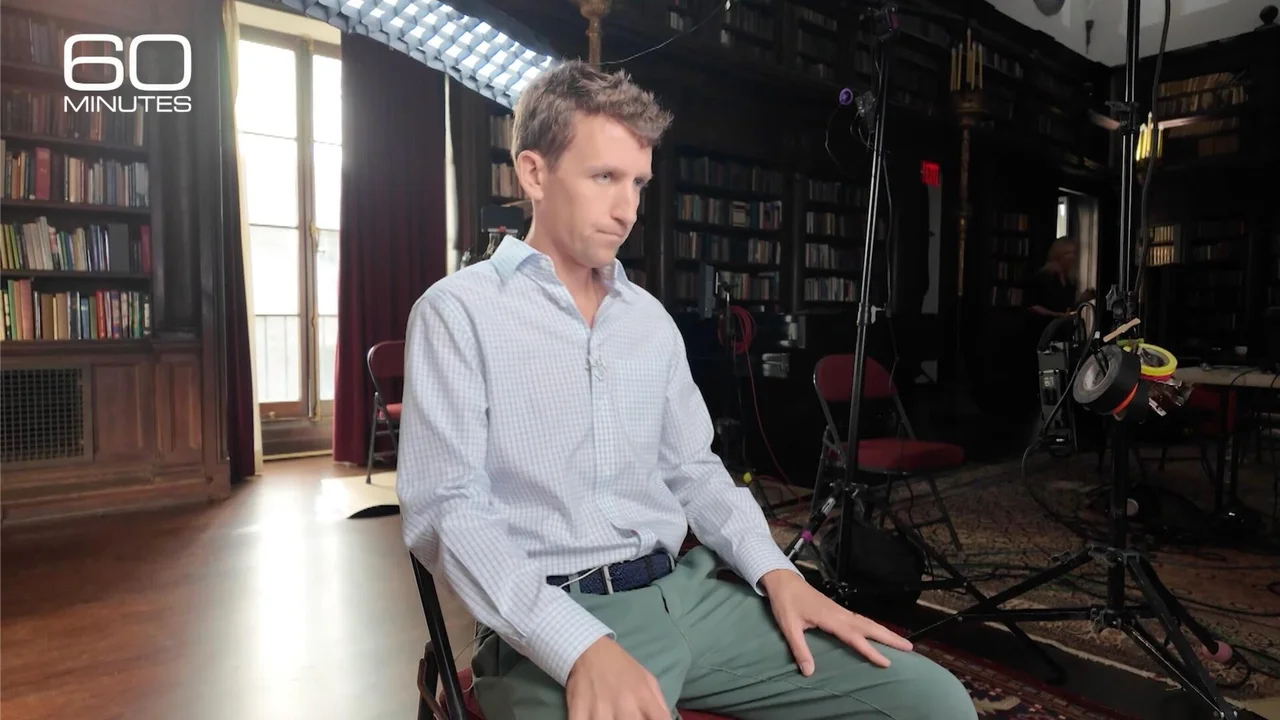
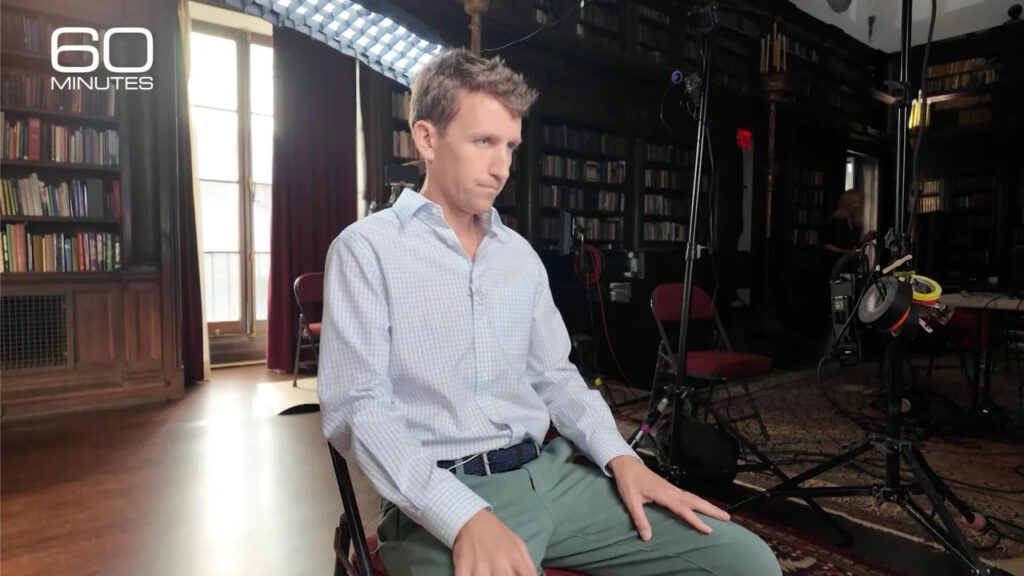
    A medium shot of Patrick Clancy sitting in a chair during a formal television interview environment. He is dressed in a dark suit jacket and looking slightly off-camera with a somber expression. Professional studio lighting and a blurred background frame the emotional interview setting.
    Patrick Clancy breaks his silence in an exclusive interview on 60 Minutes, addressing the recent mistrial of his ex-wife Lindsay Clancy and the online speculation surrounding the case. (photo CBS Media)

    A highly anticipated television event has re-ignited intense public debate surrounding one of the nation’s most tragic criminal cases. Breaking his silence just weeks after a Massachusetts jury deadlocked in the triple-murder trial of his ex-wife Lindsay Clancy, Patrick Clancy sat down for a national broadcast interview that left many viewers questioning the calculated nature of the public appearance.

    • Why It Matters: The interview marks the first time the public has seen Patrick Clancy since he testified on the witness stand. The appearance—alongside his new wife, Dr. Rachel Danis—comes at a highly critical legal junction as the state decides whether to invest massive resources into a full secondary retrial.
    • The Broadcast Push: Rather than focusing deeply on the complex realities of perinatal mental illness, the brief network segment centered heavily on the couple’s decision to actively start a new family and their determination to keep the memory of Cora, Dawson, and Callan alive.
    • Confronting the Internet: Clancy utilized the platform to explicitly target viral online tracking profiles, labeling the persistent public skepticism and negligence theories “deeply harmful” to the legacy of his children.
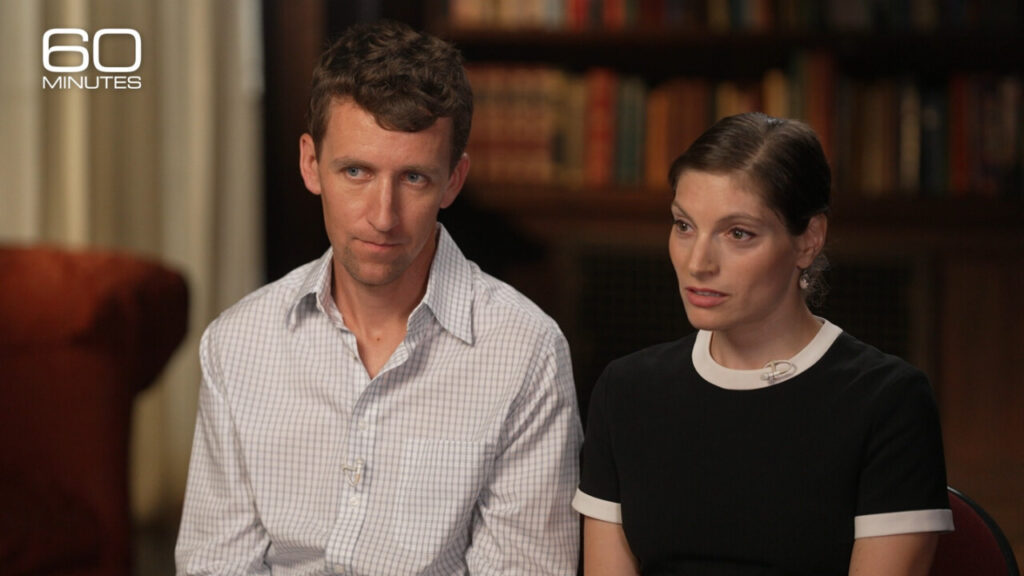
    Patrick Clancy and his wife, Dr. Rachel Danis, sitting close together during their joint appearance on CBS News' 60 Minutes. Both are dressed in casual, respectful attire, looking towards the interviewer with supportive and serious expressions.
    Patrick Clancy joined by his new wife, Dr. Rachel Danis, who defended him against online attacks and spoke about helping him navigate his ongoing grief. (photo CBS News)

    The Polished Reality of Public Grief

    “When a massive national broadcast attempts to package unimaginable family trauma into a brief, highly controlled segment, the resulting narrative often feels completely disconnected from the gravity of the courtroom,” notes the Executive Producer of 15 Minutes of Murder. “Audiences tracking these high-stakes trials notice immediately when a public presentation feels stone-faced or heavily calculated.”

    The producer emphasizes that independent channels must provide the critical balance mainstream media misses:

    “True accountability means looking past the safe, surface-level television scripts to evaluate the literal legal and psychological mechanics of a case. Cora, Dawson, and Callan lost their lives in a profound systemic failure, and their memory shouldn’t be flattened into a brief media update.”


    Share Your Thoughts: Did tonight’s broadcast interview provide meaningful insight into the case, or did it leave too many critical legal and personal questions completely unanswered? Let us know your perspective in the comments below. Also, tune in to our post-60 Minutes LIVE reaction to see our insights on the interview.
  • The Final Sledgehammer: Jury Pauses Deliberations in Lindsay Clancy Murder Trial

    The Final Sledgehammer: Jury Pauses Deliberations in Lindsay Clancy Murder Trial

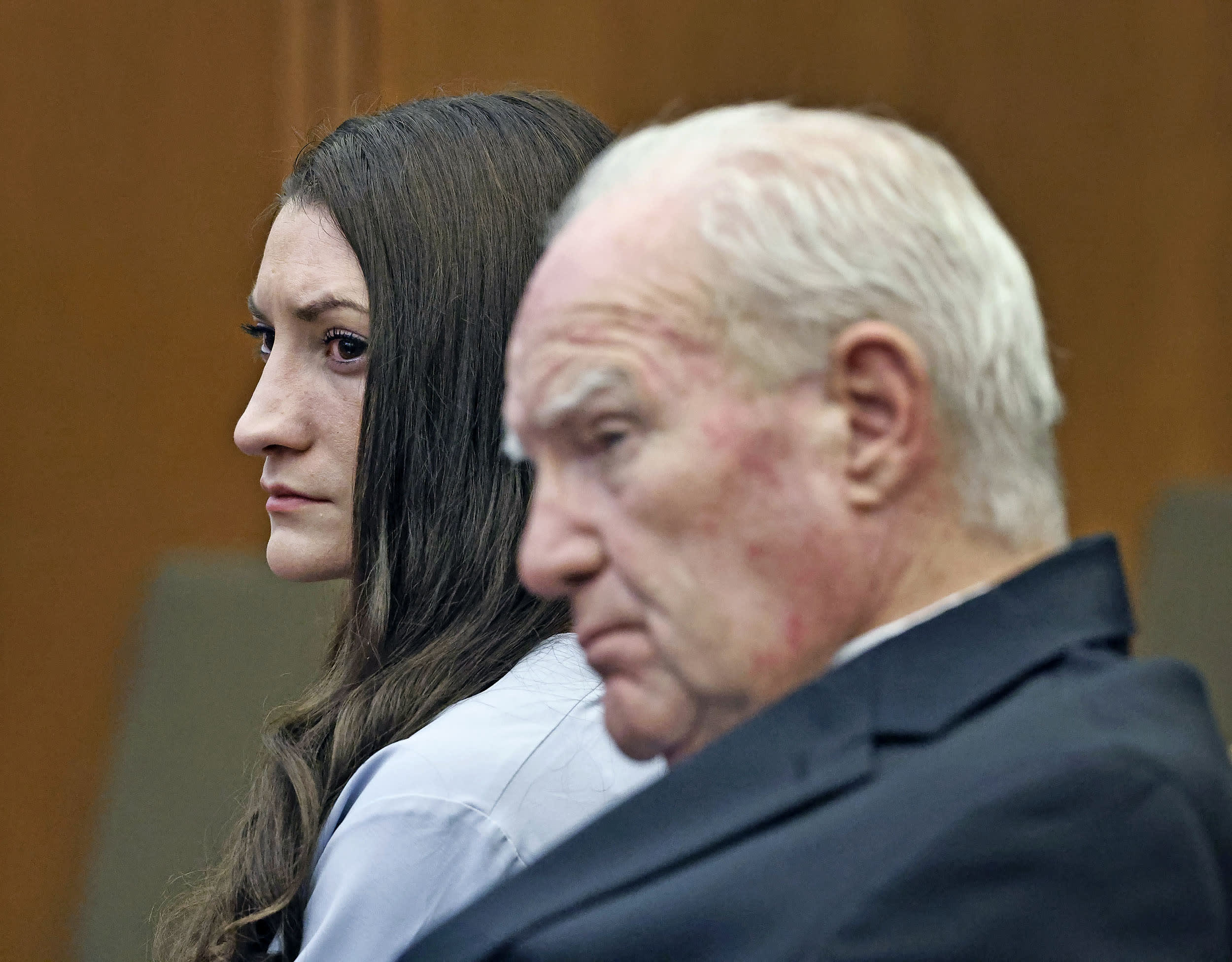
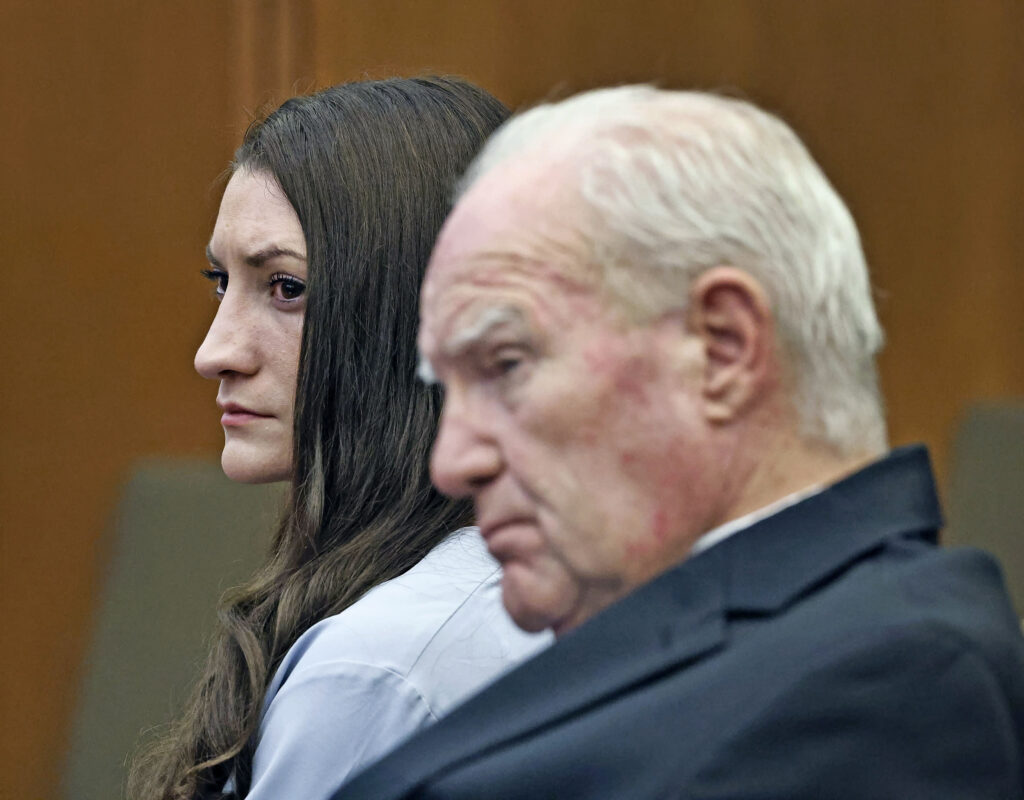
    Lindsay Clancy and her lawyer sit in a courtroom with serious looks and red eyes on their faces during closing arguments
    Lindsay Clancy and attorney Kevin Reddington listen to the closing arguments. Greg Derr / Pool via The Patriot Ledger

    Massachusetts – The five-week legal battle over the fate of Lindsay Clancy has officially reached its critical climax in Plymouth Superior Court. Following a day of emotionally devastating closing arguments that stunned the courtroom gallery on Thursday, the jury officially launched into their first 3.5 hours of active deliberations before pausing for the night without reaching a verdict. 

    • The Prosecution’s Ultimatum: Assistant District Attorney Jennifer Sprague delivered a brutal final thesis, flatly telling the jury that Clancy viewed her three children as “obstacles” to her planned suicide and killed them to clear the path.
    • The Defense’s Outcry: Defense attorney Kevin Reddington aggressively fired back, labeling the state’s case a cruel “witch hunt” and placing the blame entirely on “medical malpractice on a grand scale” due to a chaotic cocktail of 13 prescribed psychiatric medications. 
    • The Current Clock: Deliberations are officially paused for the evening. The jurors are heading home tonight and will return to the courthouse first thing Friday morning to resume. 

    The explosive closing arguments have sent digital search traffic into an absolute frenzy, drawing intense public debate over criminal intent, parental mental health, and medical accountability. 


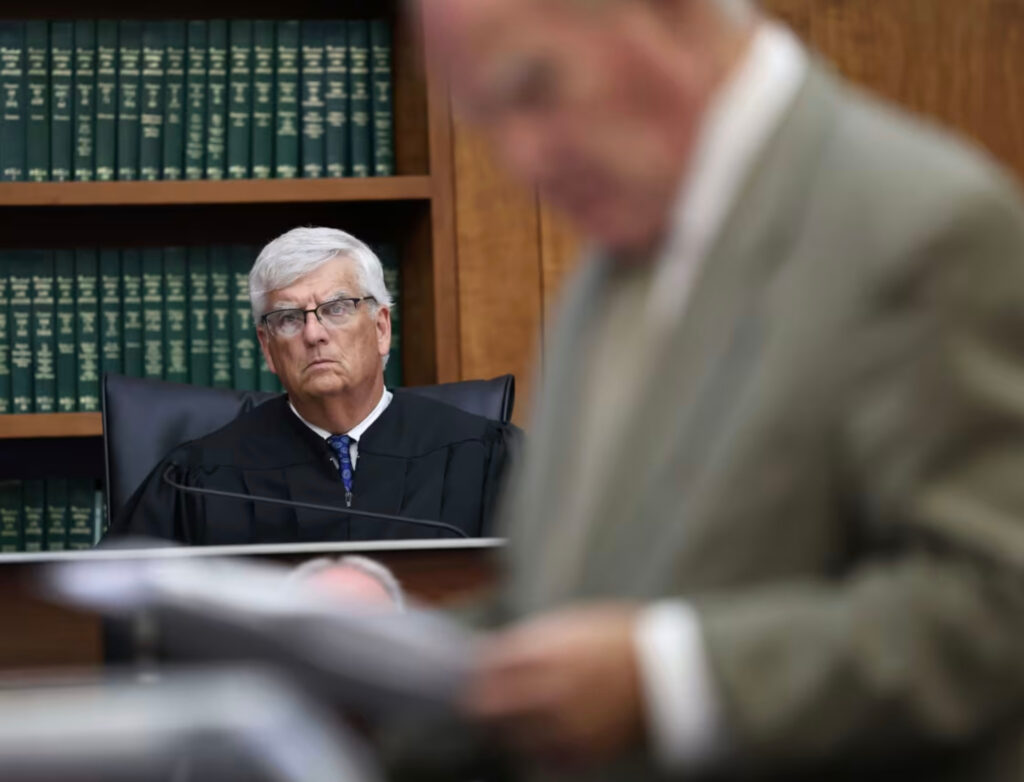
    Judge William Sullivan in the Linday CLancy trial sits in his black judges robes wearing glasses with white hair
    Judge William Sullivan listens to attorney Kevin Reddington. Greg Derr / Pool via The Patriot Ledger

    Two Irreconcilable Courtroom Realities

    The final pitches to the jury presented two completely different interpretations of human tragedy. The state’s closing strategy relied heavily on the concept of deliberate execution, painting a picture of a mother who calmly timed her husband’s takeout run using Apple Maps so she could systematically remove her children before attempting her own death. 

    Conversely, the defense argued that treating a severe maternal psychiatric emergency like a cold, calculated criminal plot represents a deep failure of the justice system. They asserted that her extensive medical tracking logs and post-arrest psychiatric files prove a mind completely shattered by a profound medical crisis, rather than a malicious actor working with intent. 

    A New Chapter in True Crime Investigative Ethics

    As independent creators navigate these high-profile national verdicts, the responsibility of true-crime storytelling is rapidly evolving. This week’s major courtroom scandal—where a national magazine reporter was abruptly stripped of her credentials for inappropriate, casual behavior during solemn medical testimony—highlights a growing public rejection of surface-level news voyeurism. 

    True-crime audiences are increasingly demanding that media platforms move away from treating real-world family heartbreaks like casual social media entertainment. Journalistic integrity requires a commitment to tracking the deep, systemic realities of a case file rather than chasing the immediate sensationalism of a courtroom camera lens.


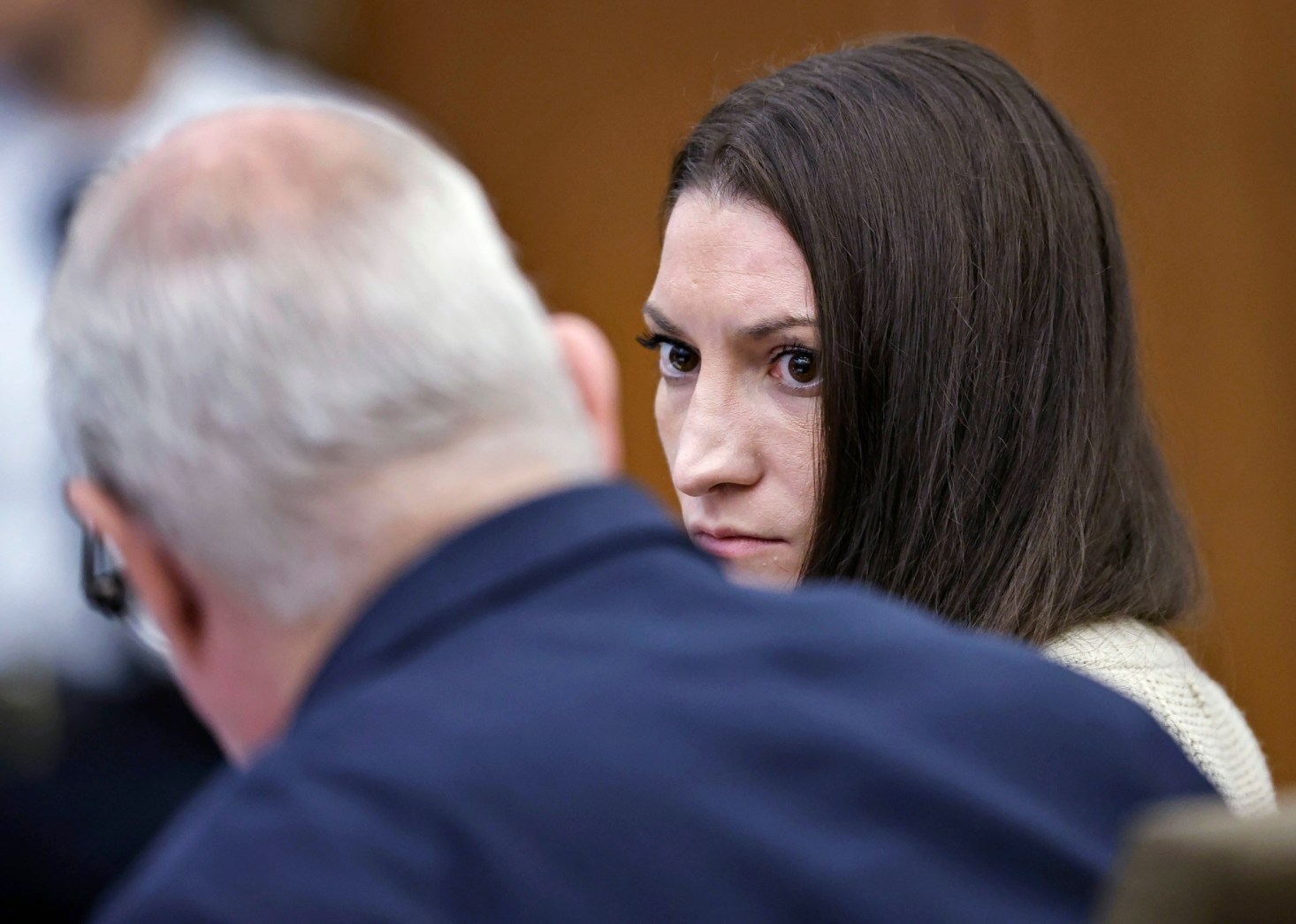
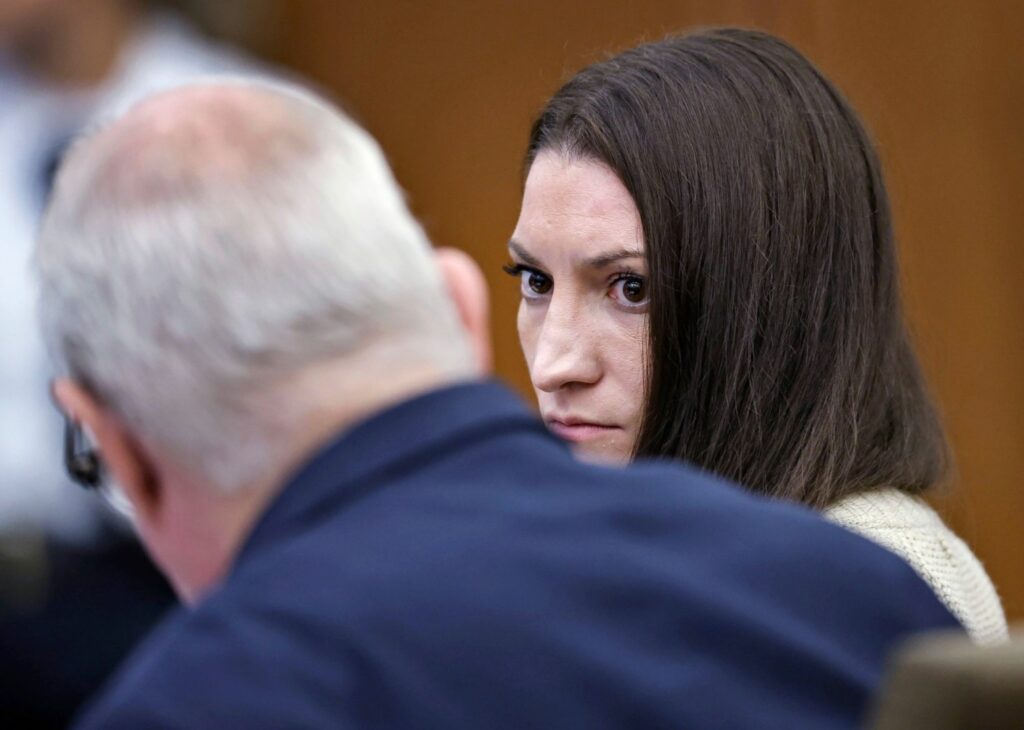
    Lindsay Clancy in courtroom talking to her lawyer with a focused look on her face with long dark hair and a beige sweater on.
    Defendant Lindsay Clancy talks with her lawyer Kevin Reddington. during her murder trial at Plymouth Superior Court. (Greg Derr/The Patriot Ledger via AP, Pool)

    The Bigger Investigative Picture

    As a professional TV producer and the executive creator of 15 Minutes of Murder, I look at these final courtroom moments through a strict lens. 

    “When a massive trial heads to a jury room after the state frames a mother’s actions around a chilling phrase like ‘obstacles to suicide,’ it highlights the extreme responsibility independent media holds,” the 15MM Producer noted. “A complex legal deliberation shouldn’t be consumed like a scripted television season finale. True justice demands that we look completely past the high-stakes courtroom theater, honor the humanity of the victims—Cora, Dawson, and Callan—and focus our reporting on uncovering the actual institutional, medical, and social failures that occurred long before a crisis turned fatal.” 


    Go Deeper: Check out our Ask a PI series on our video tab or launch our YouTube Channelfor deep-dive criminal defense insights from our team.


  • FBI Expert Reveals Chilling Premeditated Timeline as Lindsay Clancy Trial Rests

    FBI Expert Reveals Chilling Premeditated Timeline as Lindsay Clancy Trial Rests

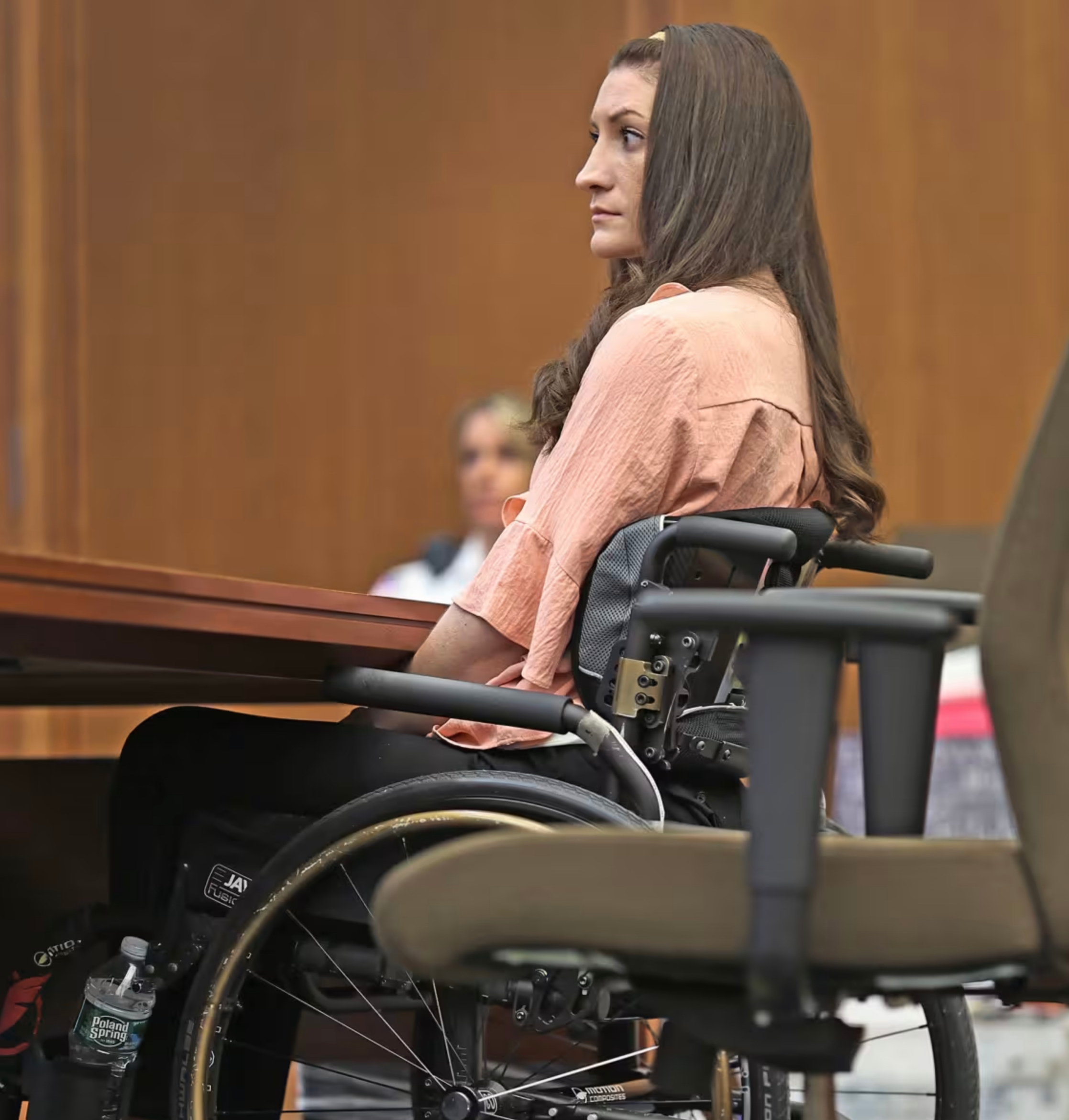
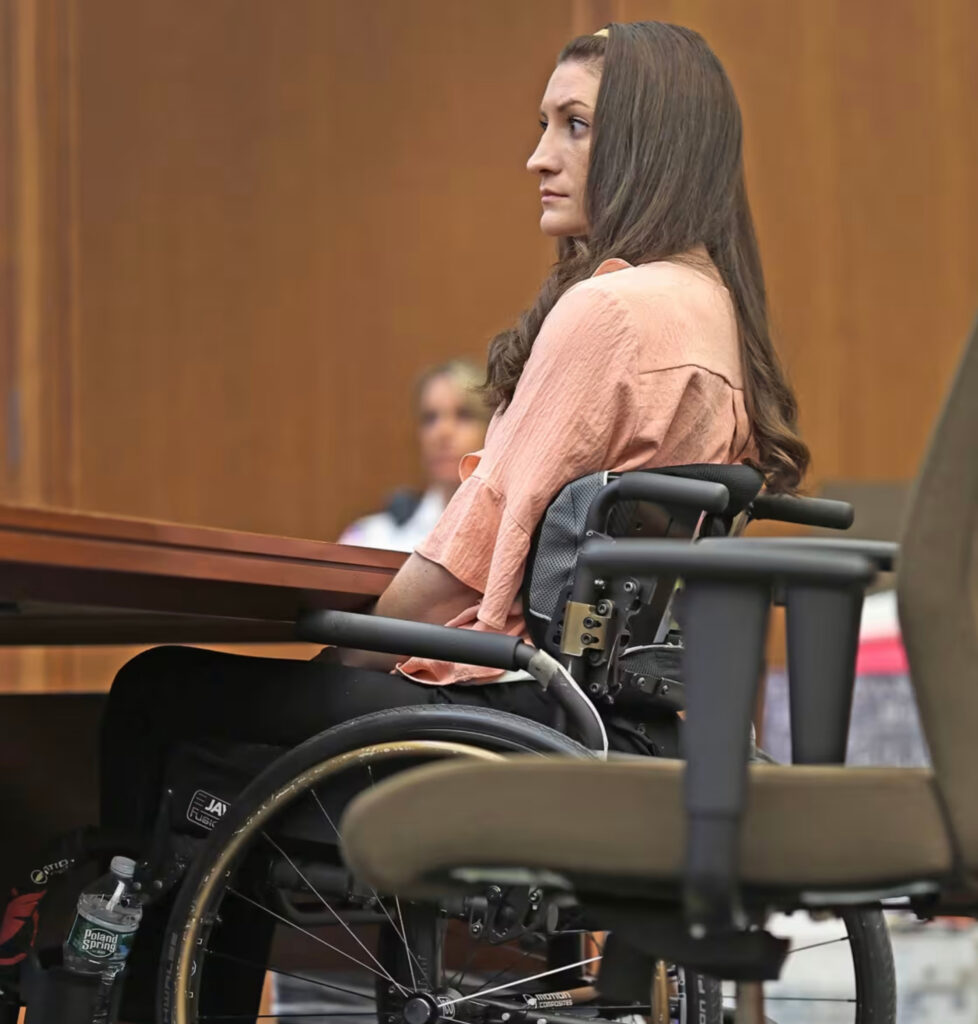
    Lindsay Clancy sits in the courtroom in her wheelchair with a peach top and long brown hair
    Defendant Lindsay Clancy at the defense table photo: Greg Derr / Pool via The Patriot Ledger

    Massachusetts – The five-week legal battle over the fate of Lindsay Clancy has officially come to a sudden halt in Plymouth Superior Court. Following a final, dramatic day of expert testimony, both the defense and prosecution have officially rested their cases, setting the stage for closing arguments in a trial that has completely divided the true-crime community. 

    • The Final Witness: Dr. Gregory Saathoff, a prominent FBI forensic psychiatrist called by the state. 
    • The Verdict of the Expert: Saathoff flatly testified that Lindsay Clancy was fully aware her actions were illegal and remains criminally responsible. 
    • The Rest: With the conclusion of federal medical tracking, the evidentiary phase of the trial is officially closed.

    The sudden conclusion of testimony has sent online discussion boards into overdrive as the jury prepares to deliberate on a final verdict this week. 

    The Calculated Timeline Alleged by the State

    The prosecution’s closing strategy relied heavily on dismantling the defense’s narrative of a sudden, uncontrollable detachment from reality. Instead, federal forensic analysis presented the jury with a highly structured, deliberate timeline of events. 


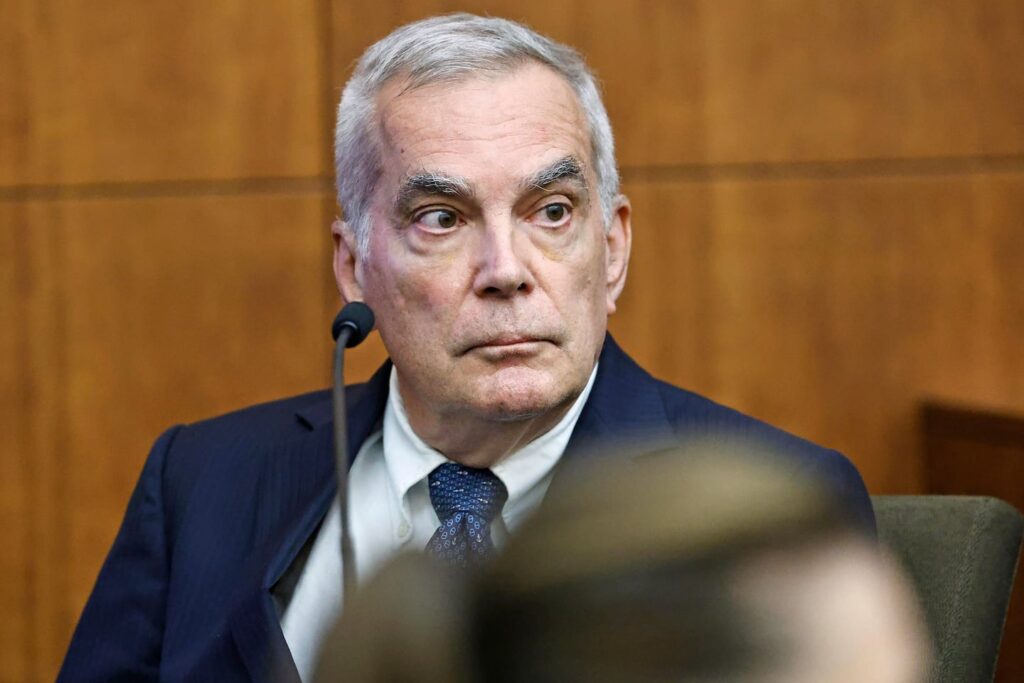
    Forensic Psychiatrist Dr. Gregory Saathoff in the Clancy case sits in court with a normal looking blue suit and tie, white hair, and bushy eyebrows
    Forensic Psychiatrist Dr. Gregory Saathoff is called as a witness by the prosecution during Lindsay Clancy’s murder trial in Plymouth Superior Court in Plymouth, Mass., Tuesday, Aug. 25, 2026. Greg Derr/Pool The Patriot Ledger via AP

    According to courtroom evidence, the state argues the actions inside the home were meticulously timed: 

    • The Distance Test: Prosecutors highlighted that Clancy utilized Apple Maps to explicitly calculate the exact driving time it would take her husband to pick up a takeout order, establishing a definitive window of isolation.
    • The Individual Acts: The state presented a timeline alleging that the children were taken down to the basement individually rather than all at once, which they argue proves active, real-time reflection during the acts. 
    • The Assessment: Dr. Saathoff testified that her post-arrest behavior and communication logs showed a clear understanding of the legal consequences of her actions, flatly contradicting the insanity defense. 

    Judge William Sullivan in the Linday CLancy trial sits in his black judges robes wearing glasses with white hair
    Judge William Sullivan listens to attorney Kevin Reddington question rebuttal witness Dr. Kirk Heilbrun today. Greg Derr / Pool via The Patriot Ledger

    A Producer’s Ethical Blueprint

    As a TV producer and the executive creator of 15 Minutes of Murder, I look at these closing movements of the trial through a highly analytical lens. 

    “When a five-week trial suddenly rests on the back of devastating federal psychiatric records, it highlights the extreme responsibility independent media holds,” the 15MM Producer noted. “A high-stakes courtroom isn’t a studio set, and a verdict isn’t a script resolution. As investigative creators, our primary mission must always be to pull the focus away from the legal posturing and place it firmly onto the lives cut short—Cora, Dawson, and Callan. Honoring the victims means breaking past the immediate news cycles to demand absolute investigative consistency, ensuring we analyze these dark systemic timelines with total objectivity rather than treating deep human tragedies as passing true-crime theater.” 


    Go Deeper: Check out our Ask a PI series on our video tab or launch our YouTube Channel for deep-dive criminal defense insights from our team.


  • Mistrial Denied: Shocking Legal Moves Upend the Lindsay Clancy Murder Trial

    Mistrial Denied: Shocking Legal Moves Upend the Lindsay Clancy Murder Trial

    Lindsay Clancy in courtroom talking to her lawyer with a focused look on her face with long dark hair and a beige sweater on.
    Defendant Lindsay Clancy talks with her lawyer Kevin Reddington. during her murder trial at Plymouth Superior Court, Monday, Aug. 24, 2026 in Plymouth, Mass. (Greg Derr/The Patriot Ledger via AP, Pool)

    Massachusetts – The high-profile triple-murder trial of Lindsay Clancy in Plymouth Superior Court took a shocking, late-day turn as the case entered its final, highest-velocity window. In a dramatic courtroom maneuver, the defense team officially moved for a mistrial, bringing the proceedings to a sudden halt before Judge William F. Sullivan swiftly denied the motion. 

    • The Stance: The defense team called for an immediate mistrial, accusing the prosecution of weaponizing references to “moral sin” and “religious misconduct” to prejudice the jury. 
    • The Judgment: Judge Sullivan flatly denied the motion, allowing the high-stakes proceedings to move forward.
    • The Context: This explosive legal battle landed immediately after the defense rested its case, following weeks of testimony stating Clancy lacked criminal responsibility due to severe postpartum psychosis. 

    The sudden mistrial denial has sent true-crime search traffic into a frenzy, reigniting massive systemic debates over criminal accountability, judicial standards, and public accountability as closing arguments loom for the week ahead. 

    The Financial and Forensic Aftermath


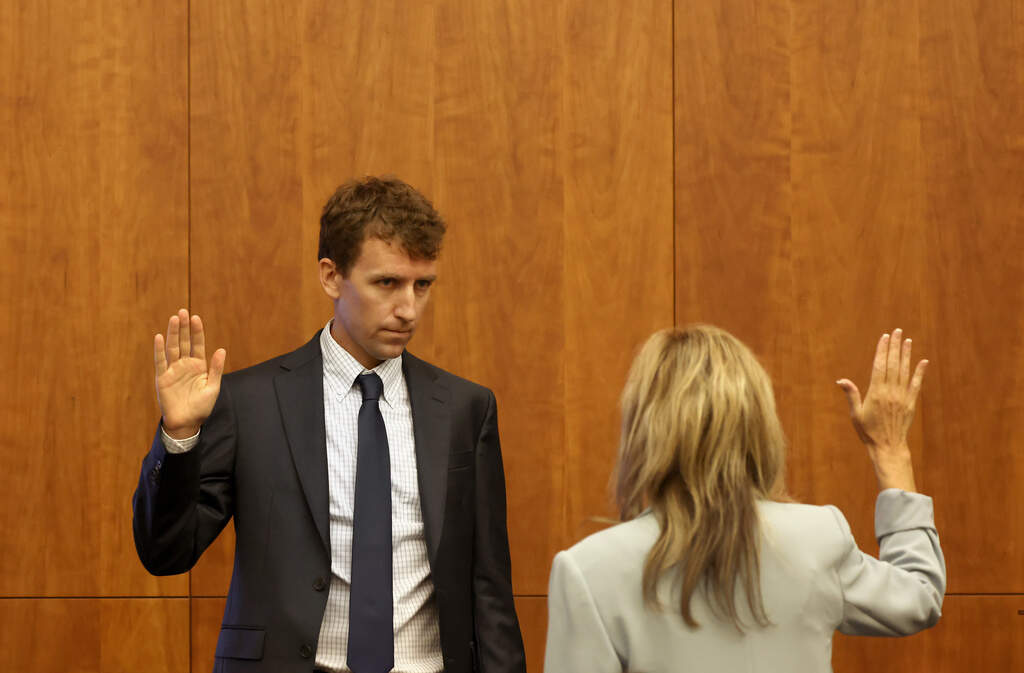
    patrick Clacy in the courtroom being sworn in with his right hand raised wearing a blue suit and tie.
    Patrick Clancy is sworn in during the Lindsay Clancy murder trial at Plymouth Superior Court in Plymouth, Mass., on Wednesday, July 29, 2026. (David L. Ryan/The Boston Globe via AP, Pool)

    While the criminal trial centers strictly on mental competency inside the courtroom, the broader true-crime community is focusing heavily on the structural aftermath outside the legal box. Public scrutiny has intensely remounted regarding the tracking of massive crowdfunding efforts, including the over $1 million raised via GoFundMe following the early days of the tragedy. 

    This tracking mirrors the exact investigative psychology that independent crime platforms look at. When public sympathy translates into immense financial support, true-crime audiences demand absolute transparency regarding asset allocations, civil liability lawsuits, and legal defense funding. When corporate networks ignore the financial trails to focus solely on theatrical courtroom outbursts, they miss the systemic realities that define the long-term aftermath of a homicide. 

    The Myth of the Easy Cure

    The struggle to convey the terrifying parameters of a detachment from reality to a modern legal system remains a central focal point of public debate. On a recent viral segment for 15 Minutes of Murder, true-crime expert Desiree again broke down how dangerously uneducated the public remains regarding severe maternal mental health crises. 

    “Unless you have lived that, you have no idea how real something like postpartum depression or postpartum psychosis is,” Desiree observed. “And again, you will try to reach out to your friends and family and they will give you that same ‘Oh you just need some rest,’ and you are really in the middle of a crisis! So that’s the first thing that I wanna say about that and that is from my personal experience.” This is a quote we have used on many occasions when discussing this case.

    Treating an acute psychiatric breakdown like a minor bout of exhaustion is an institutional failure that continues to tear families apart long before they ever face a jury. 


    courtroom picture of Lindsay Clancy looking very worried
    Lindsay Clancy attends her murder trial at Plymouth Superior Court, in Plymouth, Massachusetts, U.S., August 3, 2026. Greg Derr/Pool via REUTERS

    A Producer’s Ethical Blueprint

    As the trial day concludes with Judge Sullivan denying the defense’s motion for a mistrial, the courtroom theatrics cannot overshadow the haunting questions raised by those closest to the tragedy. As discussed on 15 Minutes of Murder Wednesday Night Live by host Tanisha and guest Kirstin, both Lindsay’s mother and Patrick’s mother have made it clear that she was desperately crying out for help for weeks. From my perspective as a professional TV producer and the creator of 15 Minutes of Murder, the real story isn’t just the verdict—it is how the system completely failed this family. Our ethical duty as investigative creators is to look past the transactional court theater and demand absolute medical transparency. True accountability means shifting the public conversation away from casual entertainment and focusing on the systemic healthcare gaps that left Cora, Dawson, and Callan unprotected. 


    Go Deeper: Check out our Ask a PI series on our video tab or launch our YouTube Channel for deep-dive criminal defense insights from our team.