Tag: True Crime Review

  • Miami County Court: Jury Deliberation Reaches Verdict in Tipp City Homicide Trial

    Miami County Court: Jury Deliberation Reaches Verdict in Tipp City Homicide Trial


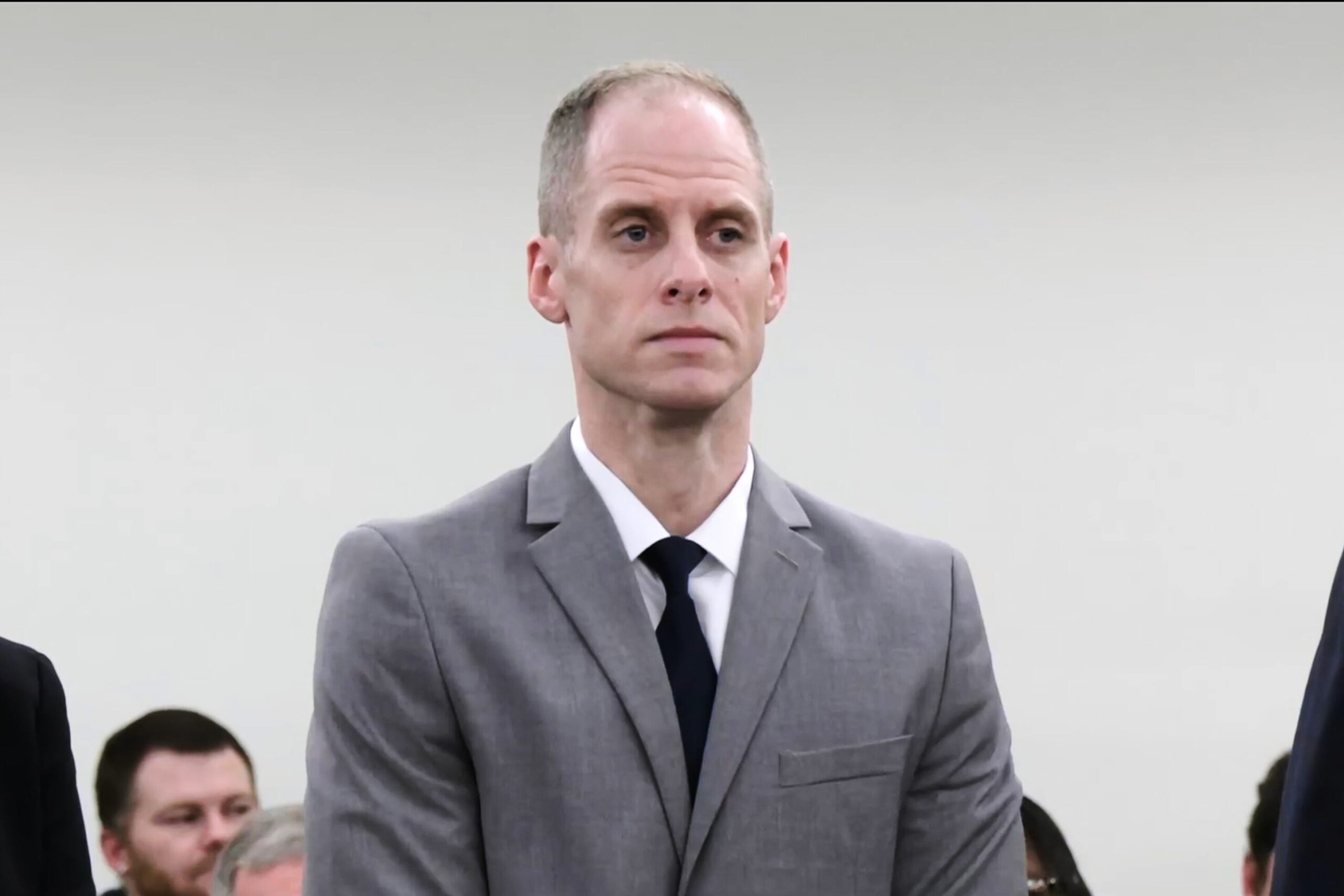
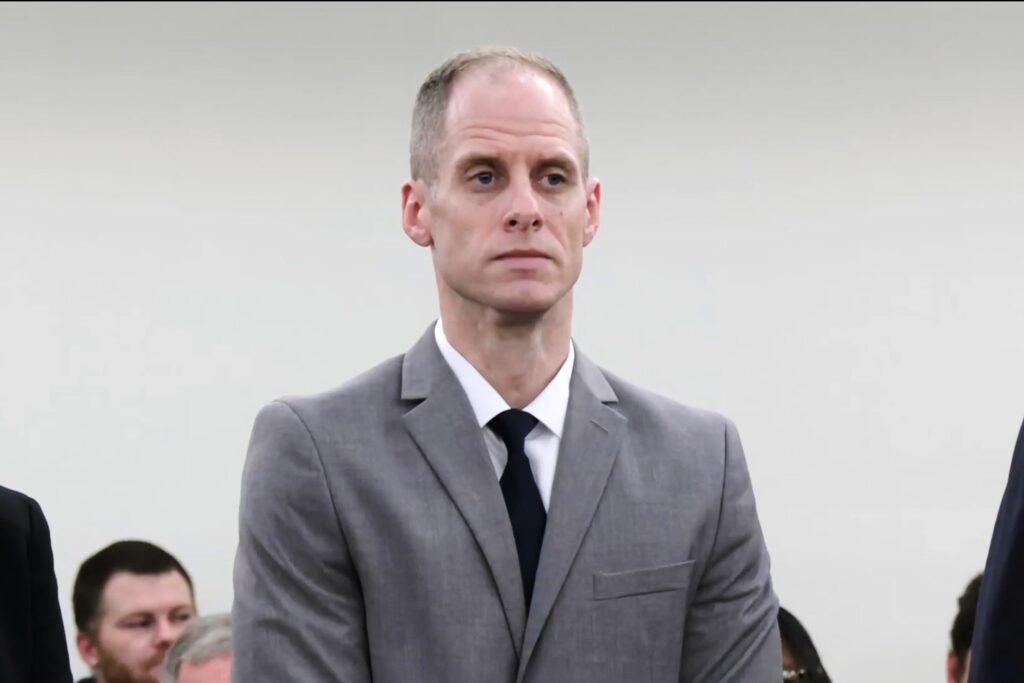
    Former music pastor Caleb Flynn wearing a grey suit in an Ohio courtroom, looking visibly emotional as a legal verdict is delivered.
    Caleb Flynn reacts in a grey suit as a jury finds him guilty of the murder of his wife, Ashley Flynn. (photo: Pool via AP)

    Ohio – A high-stakes celebrity homicide trial has reached a swift and devastating conclusion in an Ohio courtroom. Following a intense nine-day trial, a jury deliberated for a mere two hours before returning unanimous guilty verdicts against 40-year-old former American Idol contestant Caleb Flynn for the execution-style shooting death of his wife. 
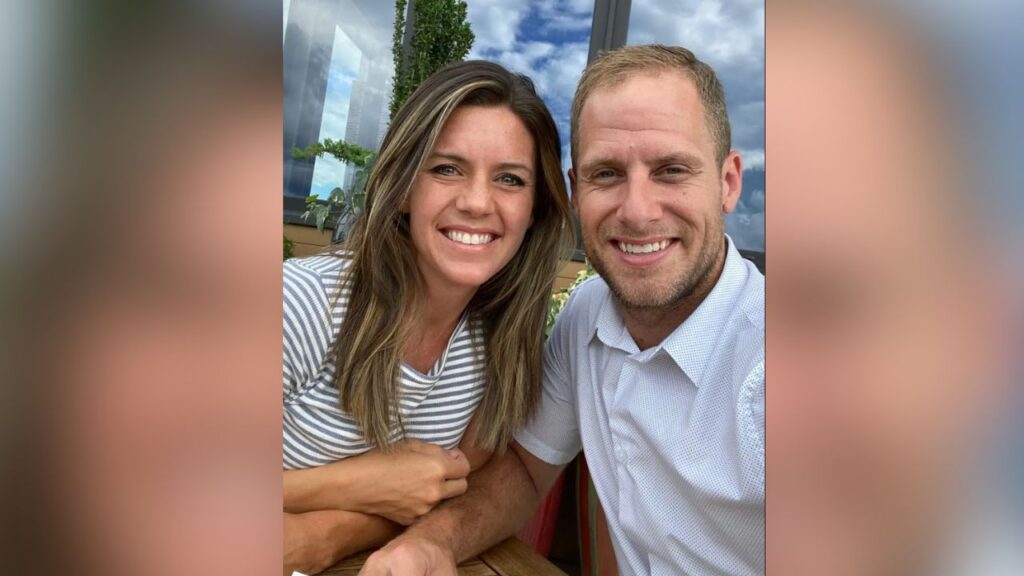

    A happy personal photograph of Caleb Flynn smiling alongside his wife, Ashley Flynn, outdoors.
    Caleb and Ashley Flynn pose together in a photo shared to social media prior to the February 2026 shooting. (photo: social media)
    • 🚀 Why It Matters: The rapid two-hour jury turnaround highlights the overwhelming nature of the forensic timeline compiled by state investigators. The conviction officially shatters a multi-month media storm surrounding the musician, who rose to prominence on national television before becoming the center of a capital murder file.
    • 🎭 The Intruder Alibi: The criminal file stems from a chilling February 2026 emergency dispatch call where Flynn hysterically told 911 dispatchers that an unknown prowler had broken into their Tipp City home and fatally shot his wife, Ashley.
    • 🧪 The Gunshot Residue Trap: Throughout the trial, defense representation attempted to build reasonable doubt around the lack of physical blood on Flynn’s clothing. However, prosecutors successfully dismantled the alibi, introducing digital logs and critical gunshot residue timelines that proved the entire home intrusion layout had been methodically staged.
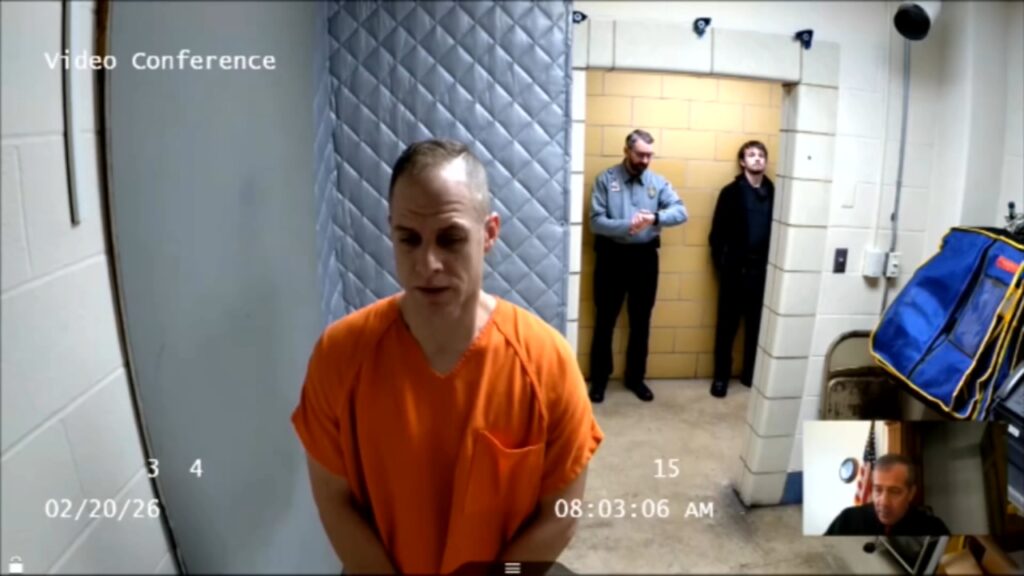
    A split-screen legal broadcast showing Caleb Flynn in jail attire appearing on a video monitor to speak with a judge during a remote court proceeding.
    Caleb Flynn appears remotely from jail for a scheduled court hearing regarding his aggravated murder charges. (photo: via Pool)

    🎙️ Platform Focus: Analyzing the Stages of Deception

    “When a capital murder case involving a recognizable public figure concludes with a rapid two-hour verdict, we take a step back and look at how the case was built,” notes the Executive Producer of 15 Minutes of Murder. “As a small true-crime platform, our focus isn’t on celebrity gossip. Instead, we look straight at the investigative logistics: Why did the defense timeline collapse so quickly? Because the physical forensic data completely overwhelmed the suspect’s dramatic public presentation, proving that automated text timestamps and gunshot residue logs do not lie for a camera.”

    “This file reached a swift resolution because local detectives refused to rush to judgment when presented with an emotional, highly animated alibi at the scene. Mainstream coverage often focuses entirely on his past television background, completely flattening the gravity of a domestic homicide. We always try to keep total clarity so that the memory of the victim, Ashley, remains at the center of the conversation.”


    💬 Share Your Thoughts: Do you believe a rapid two-hour jury deliberation indicates that the state compiled an airtight circumstantial case, or does the intense speed of a celebrity verdict suggest public pressure influenced the timeline? Let us know your perspective in the comments below.

  • Nolan Wells Case: Forensic Team Releases Horn Island GPS Tracking Video and Deleted Snapchat Timelines

    Nolan Wells Case: Forensic Team Releases Horn Island GPS Tracking Video and Deleted Snapchat Timelines


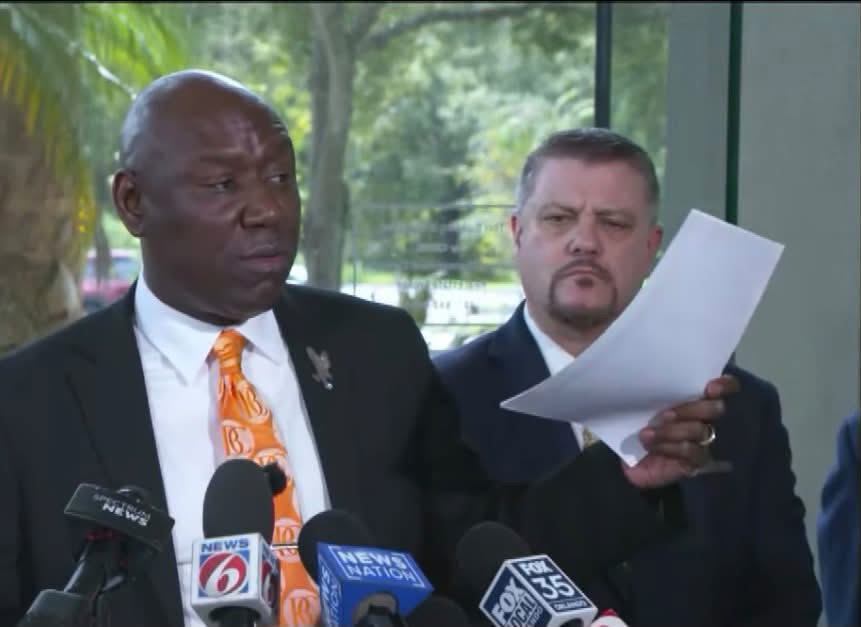
    Attorney Ben Crump speaking passionately at a press podium surrounded by microphones during a live media event.
    Civil rights attorney Ben Crump addresses the media during an emergency press conference, challenging the state’s narrative surrounding the death of 18-year-old Nolan Wells following a Mississippi grand jury’s refusal to indict. (photo: screen shot)

    A national true-crime standoff has erupted over the tragic death of 18-year-old college student Nolan Wells. Just days after a Mississippi grand jury declined criminal indictments, civil rights attorney Ben Crump and independent digital forensic experts held an emergency press conference to release highly accurate cell phone GPS tracking maps and unsealed autopsy logs that flatly challenge the state’s narrative.


    Nolan Wells and his Mother stand together smiling. Nolan is wearing his football uniform.
    18-year-old college student Nolan Wells, whose mysterious death on Horn Island is now the subject of intense digital forensic scrutiny by his family and legal team. (photo social media)

    • 🚀 Why It Matters: The newly exposed digital tracking timeline introduces profound contradictions into the high-profile Horn Island death file. While local authorities labeled the case an accidental drowning, independent experts have uncovered evidence of deleted data logs following the teenager’s disappearance.
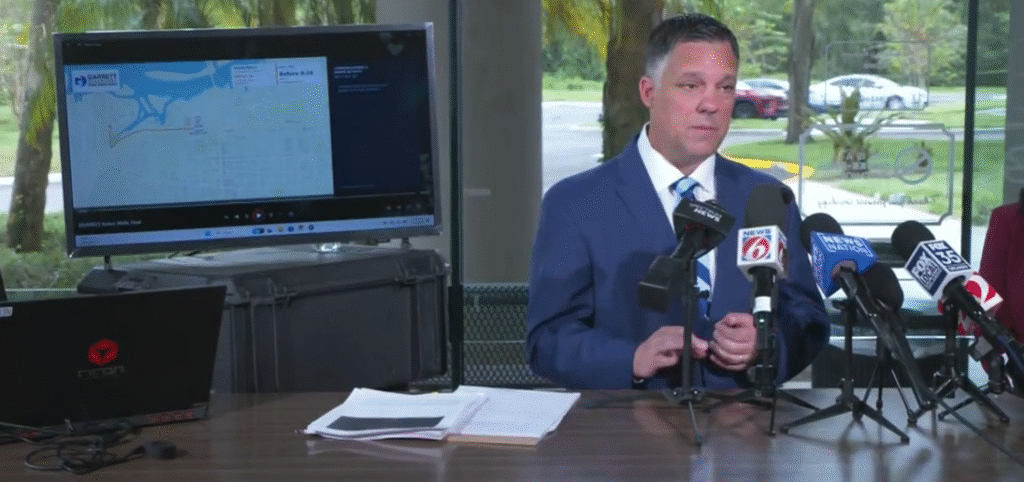
    • 📱 The Deleted Snapchat Footprint: Digital forensics expert Andrew Garrett of Garrett Discovery confirmed his team extracted over 1 million data points after a 30-hour hardware bypass. Garrett verified that specific Snapchat messages were deleted from the server matrix between the time Wells went missing on July 4th and when the phone was turned over to his parents.
    • 🫁 The Dry Lungs Revelation: Crump’s legal team read directly from the state medical examiner’s unsealed autopsy file, revealing a stunning anatomical anomaly: Wells’ lungs, airway, and stomach contained zero traces of water. The official report officially lists the manner of death as “undetermined,” directly complicating drowning classifications.
    • 💥 The Blunt Force Trauma: The autopsy timeline further documented deep contusions and blunt force trauma to the back of Wells’ head and back. Forensic analysis confirmed a complete lack of white blood cells around the head injury, indicating the trauma occurred immediately prior to his death.

    🎙️ Behind the Desk: The Unforgiving Trial of the Digital Trail

    “When you strip away the highly coordinated press statements coming out of the local district attorney’s office, you are left with an unshakeable digital trail that simply refuses to align with the official story,” notes the Executive Producer of 15 Minutes of Murder. “Our deep-dives have consistently proven digital footprints, including cell phones, are always available, even if you think you have deleted the records.”


    Watch Our Original Analysis: The 1.5M View Viral Brief

    An elite athlete found in the water—but did he actually drown? Forensic science says the lungs never lie. The mystery continues. – from July 12th


    The producer notes that the unsealed medical records alter the entire scope of the narrative:

    “There was a rush to close the book on this file the second the grand jury returned a no-bill, reducing an 18-year-old’s entire life to a closed police log. But a body found on a shoreline with completely dry lungs and unexplained blunt-force trauma means the public timeline is heavily fractured. True accountability is required. The media must keep pulling at these extracted Snapchat threads, cross-examine the multi-state transit logs, and center the memory of Nolan Wells until the absolute truth of what happened on Horn Island is brought into the light.”


    A professional headshot or press photo of digital forensics expert Andrew Garrett.
    Digital forensics expert Andrew Garrett of Garrett Discovery, whose team executed a complex 30-hour hardware bypass to extract over 1 million data points and uncover deleted Snapchat logs from the night Wells disappeared. (photo: screenshot)

    💬 Share Your Thoughts: With forensic experts confirming that Snapchat messages were deleted after Nolan Wells went missing, do you believe the Department of Justice should launch a federal civil rights investigation into the tracking timeline, or should federal authorities defer to the local grand jury’s findings? Let us know your perspective in the comments below.

  • Mount Dora Double Murder: Lake County Jury Spends 30 Minutes to Secure First-Degree Convictions

    Mount Dora Double Murder: Lake County Jury Spends 30 Minutes to Secure First-Degree Convictions

    Mount Dora, FL – A swift and devastating legal conclusion has shattered a high-stakes Central Florida courtroom. Following an intense capital trial, a Lake County jury deliberated for a mere 30 minutes before returning unanimous guilty verdicts against 53-year-old Vickie Lynn Williams for the brutal New Year’s Eve stabbing deaths of a retired local couple.


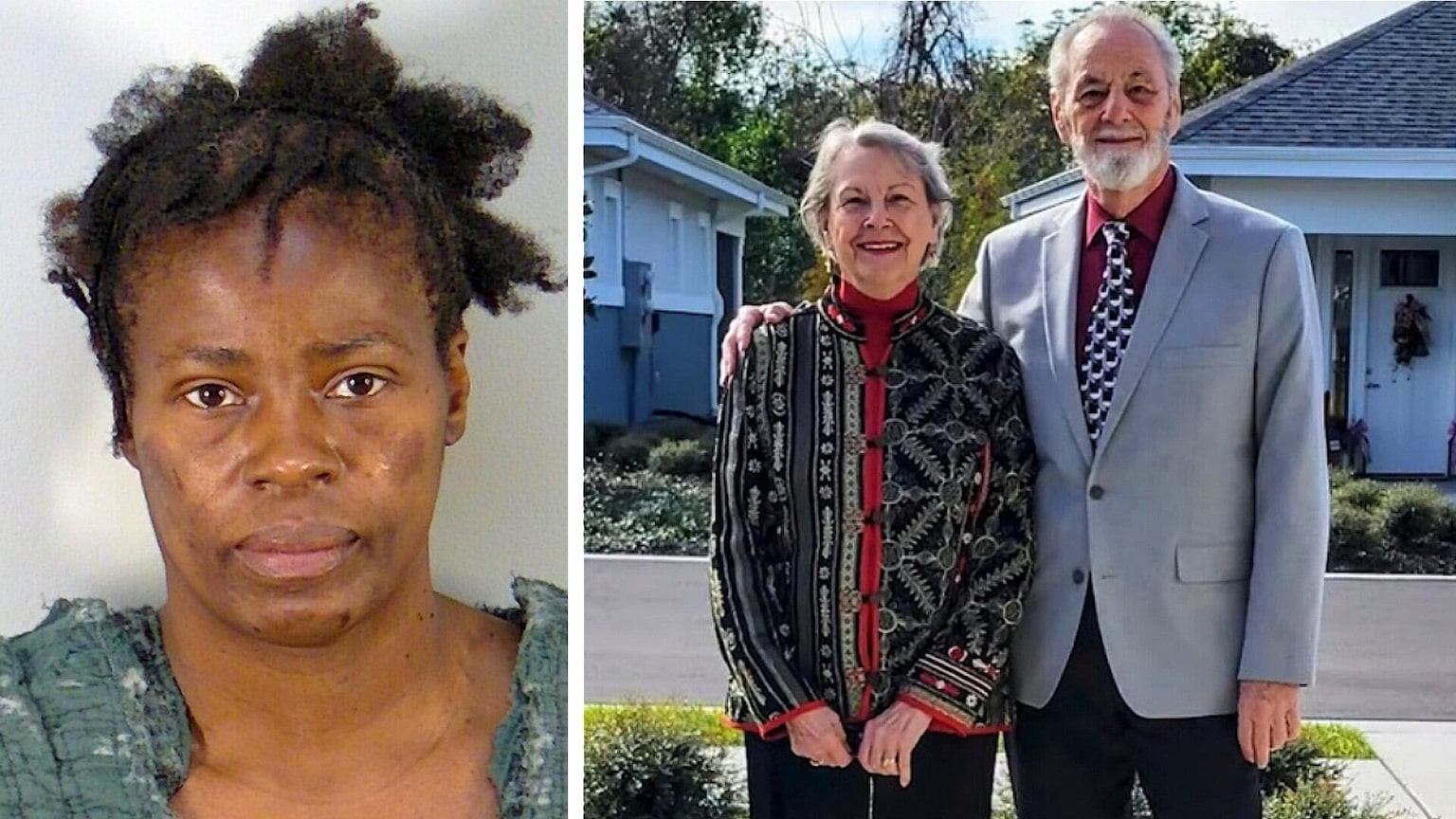
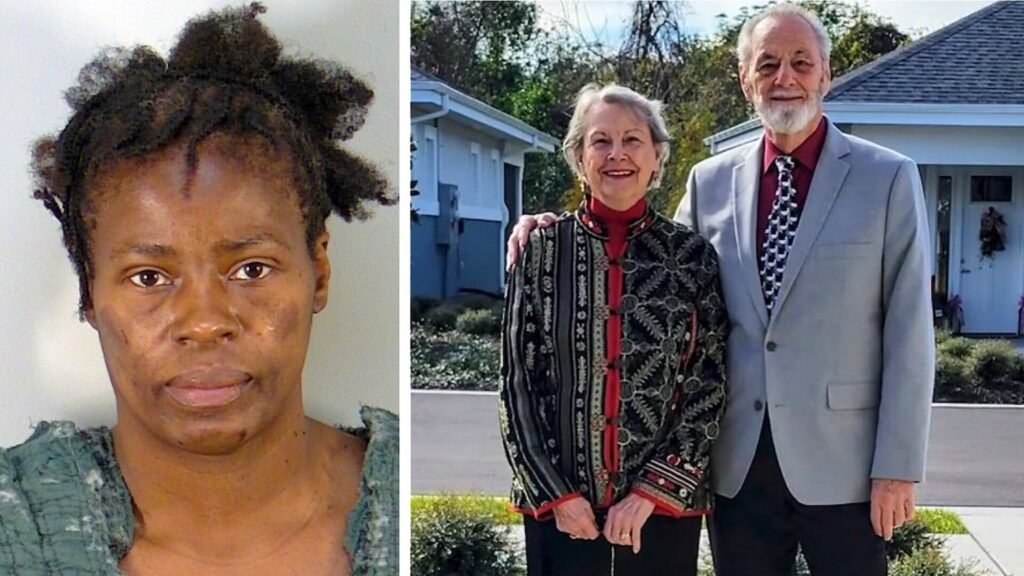
    A side-by-side composite photo. On the left is the mugshot of Vickie Lynn Williams. On the right is a photograph of victims Daryl and Sharon Getman, a senior couple, smiling together.
    Vickie Lynn Williams, arrested in connection with the tragic murders of Mount Dora residents Daryl and Sharon Getman. The beloved couple was found dead in their home at the Waterman Communities retirement village. Credit: Mount Dora Police Department/Facebook

    • Why It Matters: The rapid 30-minute jury turnaround highlights the overwhelming nature of the forensic timeline compiled by the state. The conviction immediately clears the path for Fifth Judicial Circuit State Attorney Bill Gladson to aggressively pursue the death penalty in a high-stakes sentencing phase.
    • The New Year’s Eve Intrusion: The criminal file stems from the tragic December 2022 deaths of Darryl and Sharon Getman inside their home. Williams entered the residence under a false pretext, fatally assaulting the couple before meticulously cleaning portions of the scene and fleeing the area in the victims’ stolen vehicle.
    • The Insanity Rejection: Throughout the proceedings, defense representation attempted to map out a timeline of severe legal insanity, arguing that Williams suffered from unmanaged schizophrenia and could not differentiate right from wrong. Prosecutors successfully dismantled the argument, pointing to her calculated post-crime behavior as absolute proof of conscious awareness.

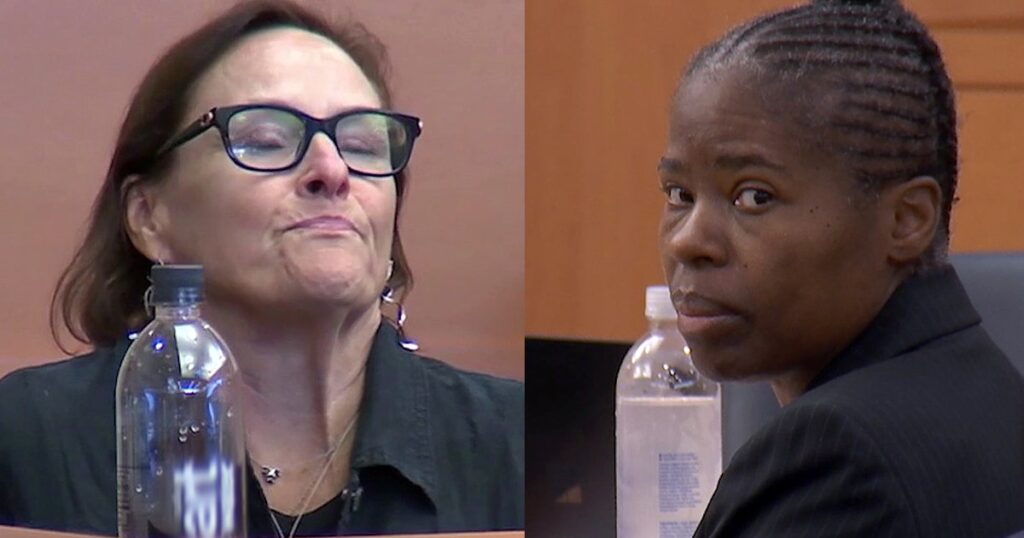
    A side-by-side video still from courtroom footage. On the left, Brittany Getman, the daughter of murder victims Darryl and Sharon Getman, speaks emotionally while testifying on the witness stand. On the right, defendant Vickie Williams is shown seated next to her defense counsel inside the Lake County courtroom.
    Jurors in Vickie Williams’s murder trial hear emotional testimony from the victims’ daughter, Brittany Getman, as she takes the stand during the high-profile Lake County trial. Williams, accused of the brutal 2022 stabbing deaths of retired Mount Dora couple Darryl and Sharon Getman, watches from the defense table. Credit: Fox News / Courtroom Video Still

    The Fracture of Domestic Sanctuary

    “When a multi-week capital murder trial is boiled down to a 30-minute jury deliberation, it sends a clear signal about the clarity of the evidence,” notes the Executive Producer of 15 Minutes of Murder. “We have covered cases tracking a terrifying phenomenon: the absolute vulnerability of a quiet night at home when you should feel most safe. A retired couple can be enjoying a peaceful evening before a sudden, unhinged intrusion completely rewrites an entire family’s lineage. We should never forget the victims of this tragedy.”

    The producer notes that the timeline turns instantly toward the ultimate penalty:

    “Standard news aggregators often move on the second a guilty verdict is read, but the docket now goes into the high-stakes penalty phase. Williams is now facing life without parole or execution. True justice means you keep tracking these capital dockets until the final sentence is officially executed by the court.”


    Share Your Thoughts: With the death penalty phase beginning, do you believe a 30-minute jury deliberation indicates the state has compiled enough absolute certainty to warrant an execution, or should capital sentences require an entirely separate jury review? Let us know your perspective in the comments below.

  • Detroit Courtroom Verdict: Jury Convicts 21-Year-Old for Aunt’s Strangulation

    Detroit Courtroom Verdict: Jury Convicts 21-Year-Old for Aunt’s Strangulation

    Detroit – An intense one-week homicide trial in the Detroit metropolitan area has concluded with a swift guilty verdict. A Macomb County jury has officially convicted 21-year-old Jaden Armez Shazier of second-degree murder following a chilling domestic investigation that exposed a silent, inside-the-family execution.

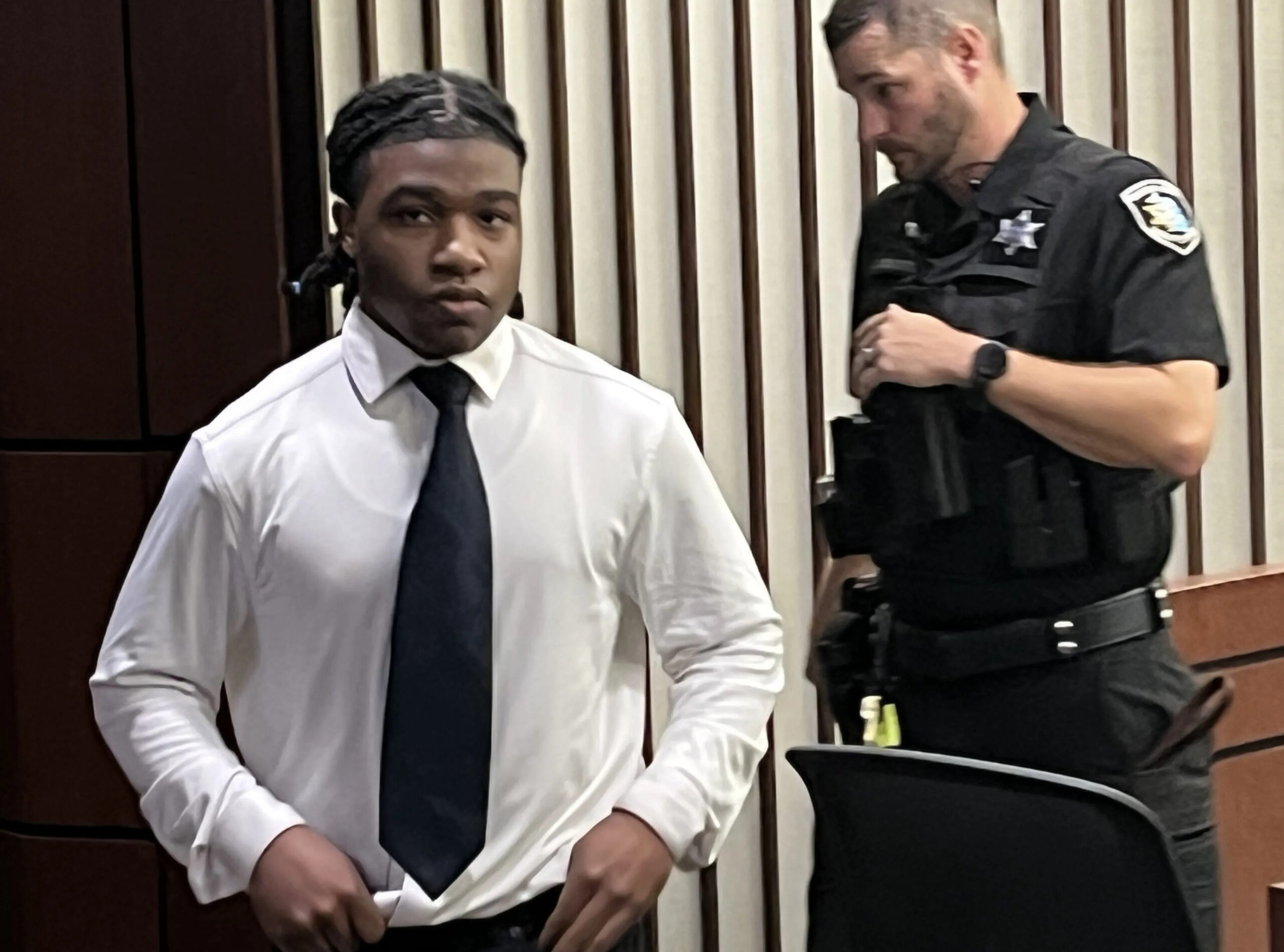
    A courtroom photograph of Jayden Armez Shazier standing beside his defense attorney inside the Macomb County Circuit Court during his trial.
    “Jayden Armez Shazier appears in Macomb County Circuit Court (Photo: Jameson Cook / Macomb Daily).

    • Why It Matters: The case has heavily gripped the regional legal network due to the complete lack of an obvious motive. Shazier walked into his aunt’s Clinton Township apartment under the guise of a normal family visit, only to carry out a lethal assault on a relative who had opened her home to him. 
    • The Maximum Exposure: Macomb County Prosecutor Peter J. Lucido announced the second-degree murder conviction carries a maximum penalty of life in prison or any term of years. Circuit Court Judge Richard L. Caretti immediately ordered the Detroit man held without bond at the county jail pending his formal sentencing date. 
    • The Defensive Silence: Throughout the trial, defense representation attempted to map out a timeline of reasonable doubt, arguing the state’s forensic evidence was purely circumstantial. However, assistant prosecutors successfully dismantled the argument, tracking Shazier’s physical movements directly to the exact hours of the homicide. 

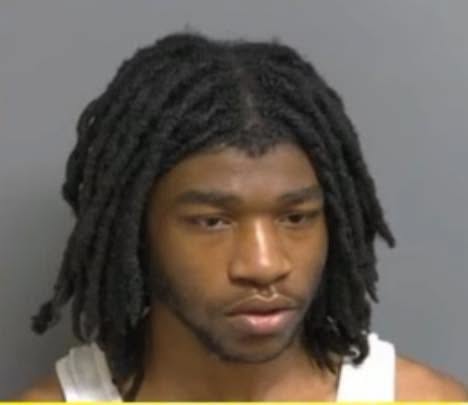
    Official police booking photograph of Jayden Armez Shazier, showing a front-facing headshot against a standard jail intake background.
    The booking photograph of Jayden Armez Shazier following his arrest. (photo Macomb County Jail)

    Behind the Desk: The Fracturing of Family Trust

    “When the predator and the victim share the exact same DNA, the psychological weight of the crime completely changes,” notes the Executive Producer of 15 Minutes of Murder. “You truly never know what level of instability is brewing right inside your own family circle. A living room can look entirely peaceful while masking a lethal domestic countdown behind closed doors.”

    The producer emphasizes that independent media tracking must strip away corporate scripts to honor the victim:

    “Mainstream news blocks often reduce these devastating neighborhood tragedies to a quick, clinical three-sentence police wire. But a human life shouldn’t be flattened into a court docket number. You need to respect the true human devastation left behind, and relentlessly analyze the deep behavioral warning signs that institutional coverage chooses to ignore.”


    Share Your Thoughts: Do you believe a secondary-degree murder conviction for an inside-the-family strangling should carry a mandatory, non-parolable life sentence, or should judges maintain total discretion based on a suspect’s age? Let us know your perspective in the comments below.

  • Patrick Clancy Breaks Silence: Grieving Father Blasts Social Media Conspiracies After Homicide Mistrial

    Patrick Clancy Breaks Silence: Grieving Father Blasts Social Media Conspiracies After Homicide Mistrial


    A medium shot of Patrick Clancy sitting in a chair during a formal television interview environment. He is dressed in a dark suit jacket and looking slightly off-camera with a somber expression. Professional studio lighting and a blurred background frame the emotional interview setting.
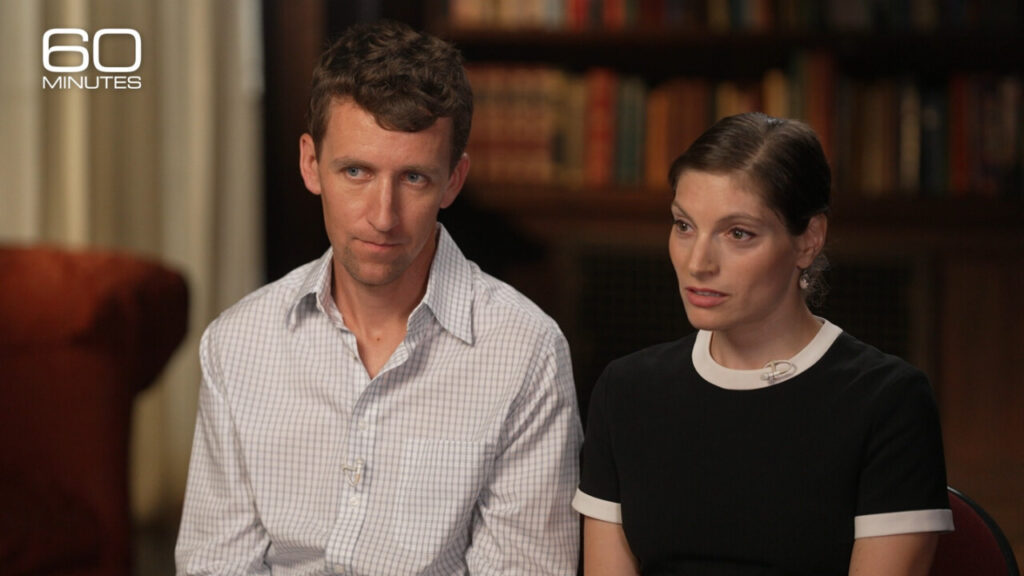
    Patrick Clancy breaks his silence in an exclusive interview on 60 Minutes, addressing the recent mistrial of his ex-wife Lindsay Clancy and the online speculation surrounding the case. (photo CBS Media)

    A highly anticipated television event has re-ignited intense public debate surrounding one of the nation’s most tragic criminal cases. Breaking his silence just weeks after a Massachusetts jury deadlocked in the triple-murder trial of his ex-wife Lindsay Clancy, Patrick Clancy sat down for a national broadcast interview that left many viewers questioning the calculated nature of the public appearance.

    • Why It Matters: The interview marks the first time the public has seen Patrick Clancy since he testified on the witness stand. The appearance—alongside his new wife, Dr. Rachel Danis—comes at a highly critical legal junction as the state decides whether to invest massive resources into a full secondary retrial.
    • The Broadcast Push: Rather than focusing deeply on the complex realities of perinatal mental illness, the brief network segment centered heavily on the couple’s decision to actively start a new family and their determination to keep the memory of Cora, Dawson, and Callan alive.
    • Confronting the Internet: Clancy utilized the platform to explicitly target viral online tracking profiles, labeling the persistent public skepticism and negligence theories “deeply harmful” to the legacy of his children.

    Patrick Clancy and his wife, Dr. Rachel Danis, sitting close together during their joint appearance on CBS News' 60 Minutes. Both are dressed in casual, respectful attire, looking towards the interviewer with supportive and serious expressions.
    Patrick Clancy joined by his new wife, Dr. Rachel Danis, who defended him against online attacks and spoke about helping him navigate his ongoing grief. (photo CBS News)

    The Polished Reality of Public Grief

    “When a massive national broadcast attempts to package unimaginable family trauma into a brief, highly controlled segment, the resulting narrative often feels completely disconnected from the gravity of the courtroom,” notes the Executive Producer of 15 Minutes of Murder. “Audiences tracking these high-stakes trials notice immediately when a public presentation feels stone-faced or heavily calculated.”

    The producer emphasizes that independent channels must provide the critical balance mainstream media misses:

    “True accountability means looking past the safe, surface-level television scripts to evaluate the literal legal and psychological mechanics of a case. Cora, Dawson, and Callan lost their lives in a profound systemic failure, and their memory shouldn’t be flattened into a brief media update.”


    Share Your Thoughts: Did tonight’s broadcast interview provide meaningful insight into the case, or did it leave too many critical legal and personal questions completely unanswered? Let us know your perspective in the comments below. Also, tune in to our post-60 Minutes LIVE reaction to see our insights on the interview.


  • Polk County Swamp Rescue: Drone Infrared Tracking Maps Fleeing Suspect Dropping Infants in Waterway

    Polk County Swamp Rescue: Drone Infrared Tracking Maps Fleeing Suspect Dropping Infants in Waterway


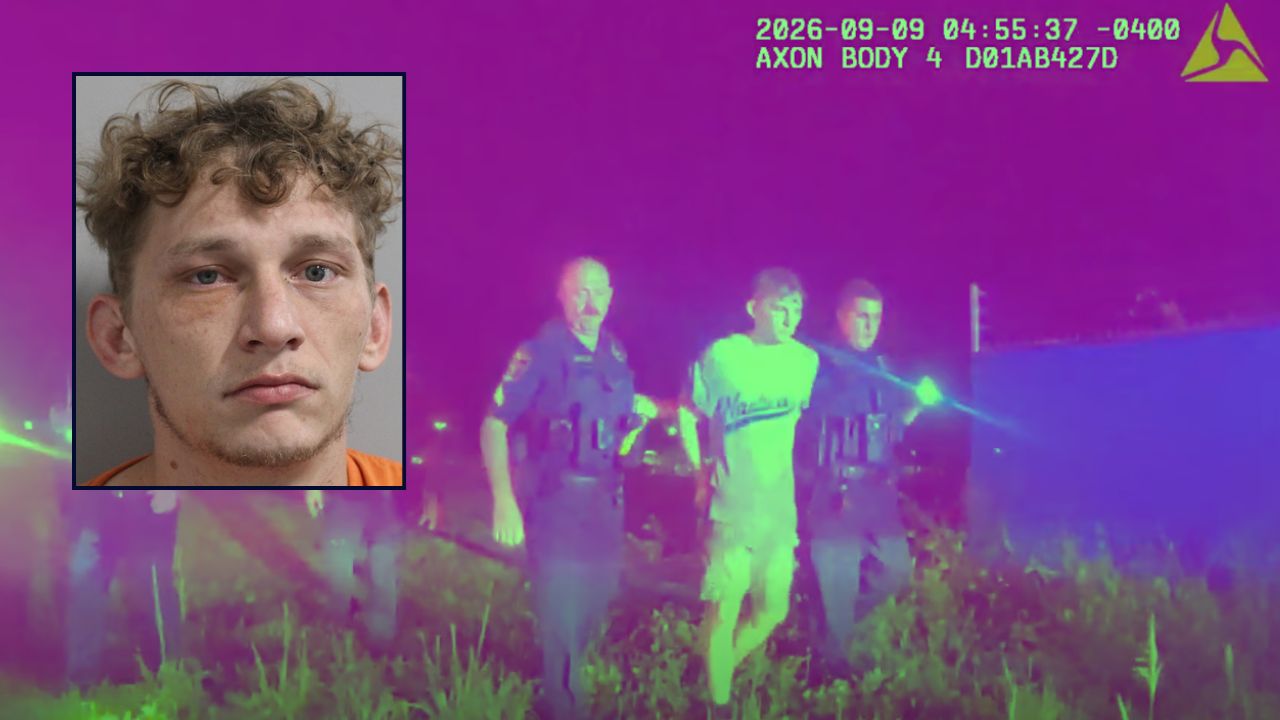
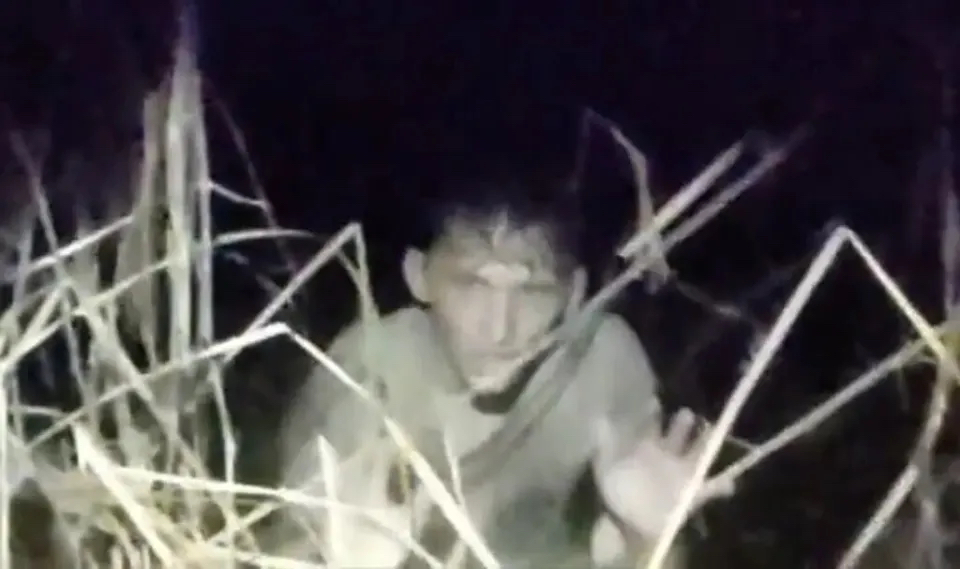
    A police bodycam perspective showing deputies arresting Isaac Kinsey in a dense, swampy environment, with a small square inset of his booking mugshot in the corner.
    Polk County bodycam footage captures the moments deputies apprehended Isaac Kinsey in a Florida swamp after he fled with two young toddlers. Inset: Kinsey’s booking mugshot. (photo Polk County Sheriff’s Office/Lakeland Police Department)

    Central Florida – A chaotic regional manhunt in Central Florida has concluded with a high-tech tracking rescue. The Polk County Sheriff’s Office utilized advanced aerial drone thermal imaging to locate a fleeing suspect deep inside a pitch-black, alligator-infested swamp after he allegedly abandoned his two infant children in the water during a foot pursuit.


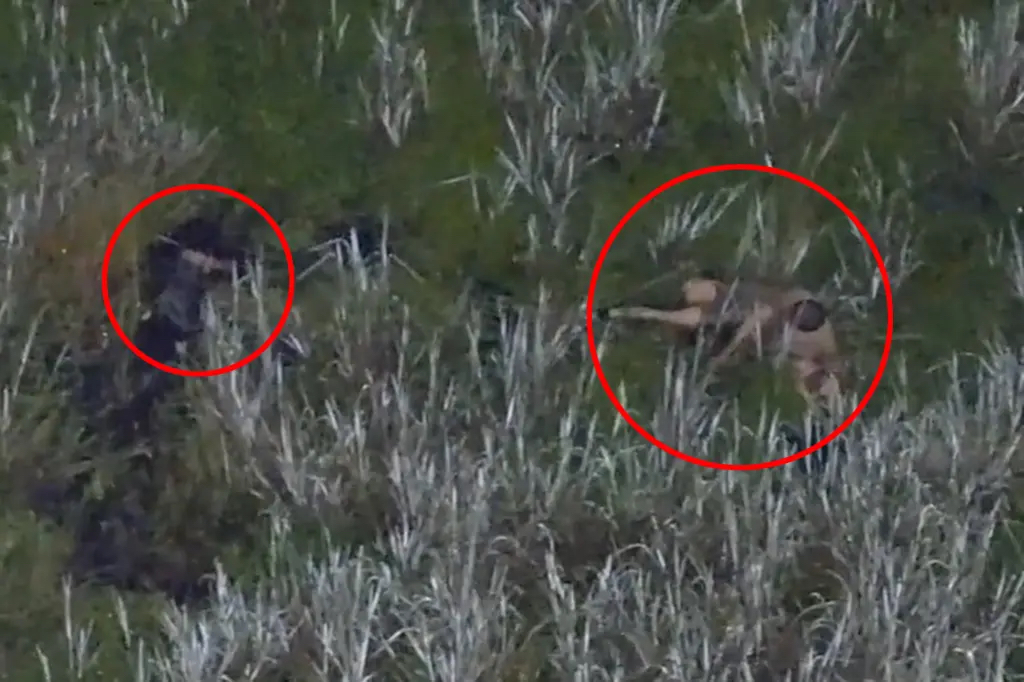
    A high-angle thermal or night-vision drone photograph looking down on dense swamp canopy, revealing police officers closing in on a suspect navigating the dark marshland.
    An aerial drone shot captured by law enforcement tracks Isaac Kinsey through a pitch-black, alligator-infested Florida marshland as he carrying his two toddlers. (photo Polk County Sheriff’s Office/Lakeland Police Department)

    • Why It Matters: The integration of modern drone tracking completely altered the outcome of the crisis. When a vehicle pursuit fractures into a dense, unlit wilderness corridor, tracking suspects manually becomes an immediate threat to life for tracking teams and victims alike.
    • The Rollover Crash: The incident escalated after local authorities attempted a traffic stop of 27-year-old Isaac Kinsey along a regional transit line. Kinsey allegedly fled the scene, lost control of his vehicle, and rolled the car into a ditch before running into a swamp with his 2-year-old and 10-month-old children.
    • The Alligator Swamp Flight: In an absolute state of panic, the suspect ran blindly into a marshy retention zone known for high alligator activity. Real-time infrared drone footage captured the suspect repeatedly losing his footing and dropping the infants directly into the dark water as police closed in.
    • The Thermal Recovery: Aviation deputies directed K-9 teams and ground units straight to the exact thermal heat signatures mapped by the drone. Both children were successfully recovered alive and treated for exposure, while Kinsey was placed under arrest and if facing multiple felony charges.

    A police bodycam still showing Isaac Kinsey emerging from thick swamp weeds and murky water with his hands up in the air.
    Exhausted and surrounded, Isaac Kinsey crawls out from the dense underbrush with his hands raised in surrender as law enforcement officers move in to rescue the children. (photo Polk County Sheriff’s Office/Lakeland Police Department)

    A Producer’s Perspective: The Illusion of the Suburban Neighbor

    “When you analyze this Florida swamp rescue, you realize just how fast this dissolved into a total survival crisis,” notes the Executive Producer of 15 Minutes of Murder. “This highlights a chilling reality: you never know how desperate people will get, putting their own children in grave danger”

    The producer notes that technology is entirely rewriting regional tracking files:

    “Looking at how advanced drone forensics saved these two innocent children is amazing. This case highlights a terrifying breakdown where an unstable mind completely detached from reality.”


    Share Your Thoughts: Do you believe law enforcement agencies should receive increased municipal funding to deploy automated thermal drones in high-risk rural corridors, or does continuous aerial monitoring present a privacy concern for local residents? Let us know your perspective below.


  • Philadelphia Horsch Case: FBI Seizes 1 Million Files After 58 Women Identified in Multi-Decade Tracking Ring

    Philadelphia Horsch Case: FBI Seizes 1 Million Files After 58 Women Identified in Multi-Decade Tracking Ring


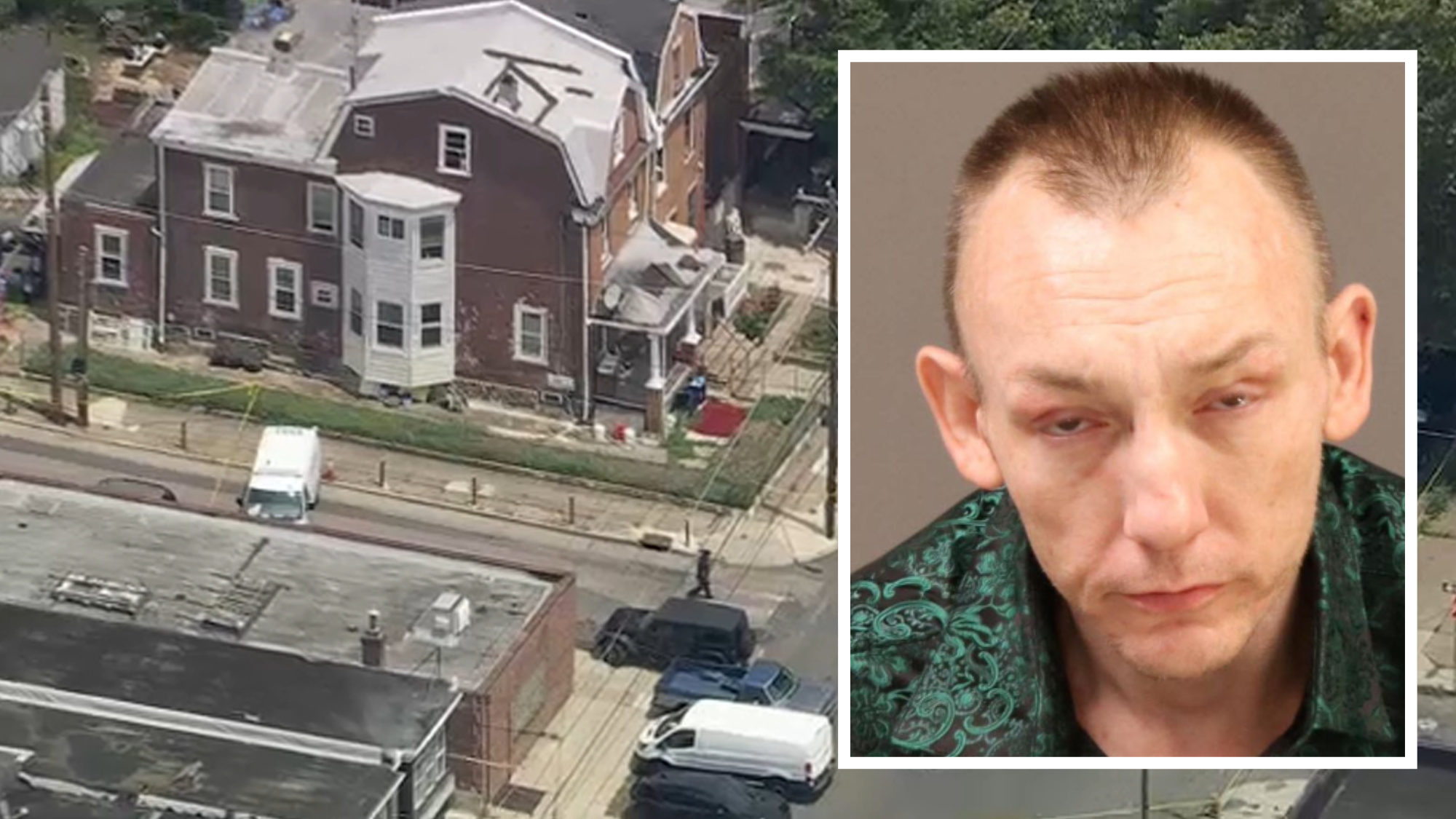
    Aerial drone view of a residential row house on the 400 block of West Chew Avenue in Philadelphia, featuring an inset mugshot of Eugene Horsch.
    An aerial photograph captures a high-angle, overhead view of the 400 block of West Chew Avenue in the Olney section of Philadelphia. Inset into the corner of the photograph is the official police booking mugshot of 44-year-old Eugene Horsch. (Image courtesy of the Philadelphia Police Department)

    Philadelphia – A massive multi-agency federal investigation has exploded out of a suburban Philadelphia neighborhood. The FBI and city homicide detectives are systematically auditing a staggering archive of over one million digital files recovered from a residential home, tracking the dark history of a father-and-son duo linked to multiple missing women.


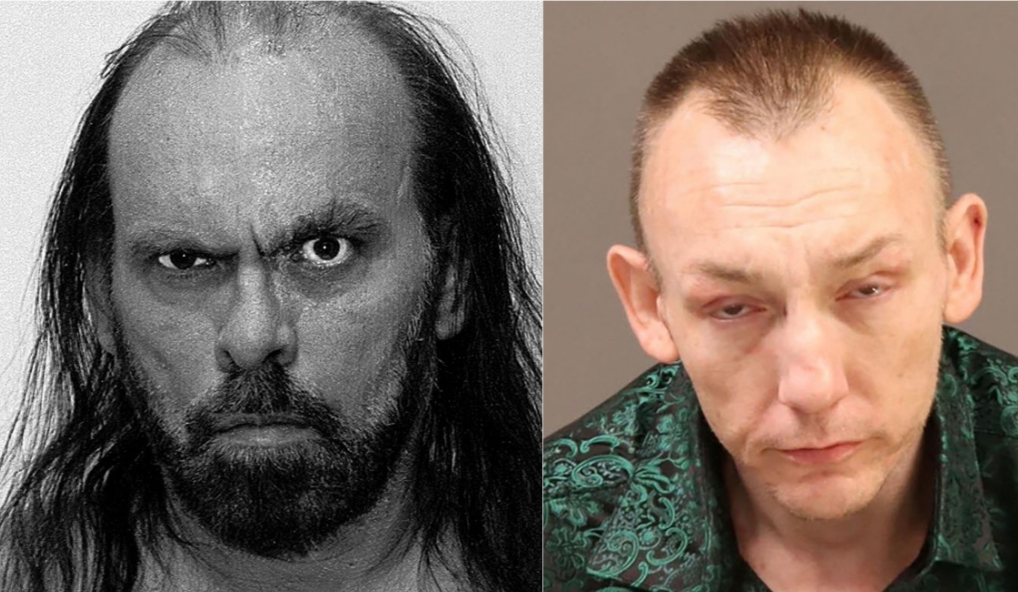
    Side-by-side police mugshots of father and son Raymond and Eugene Horsch. On the left is a 1999 booking photo of a middle-aged Raymond Horsch looking directly ahead. On the right is a recent booking photo of 44-year-old Eugene Horsch with a shaved head and a neutral expression.
    A Generational Timeline of Terror: A side-by-side comparison of the two men at the center of the West Chew Avenue investigation. Left: A 1999 booking photo of the late Raymond “R.C.” Horsch, an adult filmmaker whose work depicted severe violence against women. Right: His son, Eugene Horsch, 44, following his recent arrest after a traffic stop exposed a staggering trove of weapons, counterfeit federal IDs, and digital files detailing horrific abuse. (images courtesy of the Philadelphia Police Department)

    • Why It Matters: The scale of the digital profiling operation has stunned federal behavioral analysts. While local authorities have not formally filed murder charges, police explicitly fear that multiple missing individuals identified in the graphic media archive may have lost their lives inside the property.
    • The One Million Files: The file tracking matrix blew wide open following the federal arrest of 44-year-old Eugene Horsch. A sweep of the Chew Avenue property uncovered an overwhelming digital vault containing images of at least five missing women captured in unconscious or lifeless positions.
    • The 58 Identified: Deputy Police Commissioner Frank Vanore confirmed that forensic teams have successfully cross-referenced and identified 58 separate women within the media stash so far. While 25 have been located alive and are scheduling interviews, a portion of the database remains uncooperative or missing.
    • The Erotic Filmmaker Blueprint: Investigators are tracing the historical timeline back to Horsch’s late father, Raymond “R.C.” Horsch, a sadomasochistic film producer with a violent criminal history who died last year. Court records detail horrific video evidence showing the elder Horsch utilizing specialized restraints and zip-ties on victims.

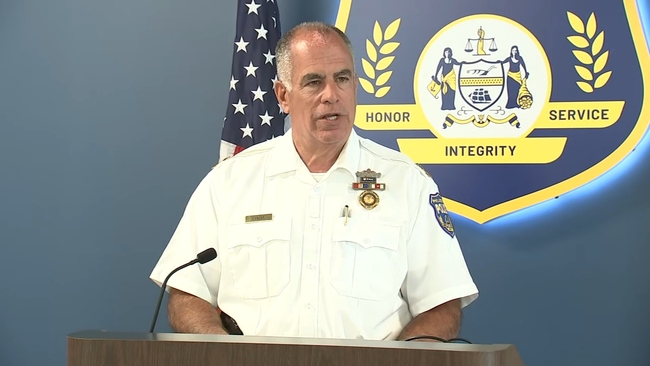
    A Philadelphia law enforcement official speaking at a press conference podium with microphones, providing updates to reporters on a high-profile criminal investigation.
    Tracking a Million Files: A Philadelphia Police official delivers a critical update during a news conference regarding the staggering volume of digital evidence—including over 1 million photos and videos—recovered from the West Chew Avenue property. Law enforcement and the FBI emphasized their absolute commitment to identifying every individual depicted in the files and bringing answers to the families of the missing women. (image courtesy of the Philadelphia Police Department)

    A Producer’s Perspective: The Illusion of the Suburban Neighbor

    “When you analyze a case of this magnitude, the most terrifying element isn’t the sheer volume — it’s the normal residential setting,” notes the Executive Producer of 15 Minutes of Murder. “We have run deep-dive investigations on 15 Minutes of Murder that constantly highlight a chilling reality: you truly never know what is happening right next door to you. A house can look completely identical to every other property on the block while masking a multi-decade operation of exploitation right behind the curtains.”

    The producer emphasizes that it is important to keep the focus entirely on the victims:

    “Mainstream coverage often sensationalizes the graphic nature of the evidence, but this isn’t just a clinical list of one million electronic files; it represents dozens of real families who have spent agonizing years searching for missing family members.”


    Share Your Thoughts: When a criminal investigation uncovers overwhelming digital evidence of harm but no physical remains, do you believe the legal system should allow prosecutors to seek homicide convictions based strictly on forensic media timelines? Let us know your perspective in the comments below.

  • I-4 Highway Corridor Mystery: Why Florida’s Fast Transit Lines Shield Transient Predators

    I-4 Highway Corridor Mystery: Why Florida’s Fast Transit Lines Shield Transient Predators


    A lone semi-truck trailer parked on a dark, isolated asphalt lot at night, illuminated only by a distant, dim street lamp under a pitch-black sky.
    For decades, the pitch-black shoulders of Florida’s highways hid a recurring nightmare. (Photo: Pixabay)

    A chilling reality has been forcing its way to the surface of Central Florida’s transit network. Investigative profiles reveal that the rapid expansion of major interstate corridors has inadvertently created the ultimate hunting grounds for transient predators—turning normal, everyday commuter routes into active jurisdictional black holes.


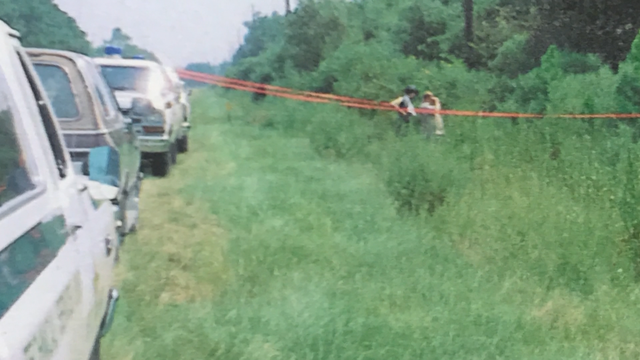
    A crime scene photograph showing a rural road bordered by thick Florida brush, pine trees, and overgrown foliage. Yellow police line tape is strung across the frame, blocking access to the wooded area off the side of the road.
    The wooded roadside in Lake County, Florida, where the remains of Pamela Leigh Walton were discovered in 1988. The isolated, rural terrain closely mirrors the area where Rebecca Sue Hill was found just a few years prior. (Photo courtesy of the Lake County Sheriff’s Office)

    • Why It Matters: Millions of drivers navigate the Interstate 4 network day in and day out, completely blind to its dark investigative history. Between the 1970s and 1990s, at least 19 women vanished or were found dead along this exact concrete artery, baffling multi-county sheriff departments for decades.
    • Hiding in Plain Sight: The terrifying nature of highway serial crime is how normal the environment feels. Predators do not require hidden underground fortresses; they utilize the public nature of truck stops, rest areas, and exit ramps to select targets and vanish in plain sight.
    • The Mobility Factor: Highways and surrounding transit lines provide a transient killer with an exceptional tactical advantage: geographic detachment. A predator can operate in one jurisdiction and dump a victim across a county line within 30 minutes, counting on fragmented local paper records to prevent police from spotting the overlapping patterns.
    • Tracing the Gaps: Because historic highway files frequently involve out-of-state victims who were just traveling through the region, the initial timelines are heavily fractured. When an individual disappears from a transit hub, separating their final steps from the thousands of passing vehicles is one of the steepest mountains an investigative network can climb.

    Dark, eerie empty highway at night in Florida under dim streetlights, setting a true crime atmosphere.
    A Dark empty highway at night in Florida under dim streetlights (Image by StockSnap from Pixabay)

    A Producer’s Perspective: The Psychology of the Asphalt

    “When you analyze the geometry of these historic Florida highways, you realize that the open road provides the ultimate shield for human predators,” notes the Executive Producer of 15 Minutes of Murder. “We treat these highways as a basic, everyday convenience to get to work or go on vacation. But to a calculating predator, an interstate is a high-speed pipeline of total anonymity.”

    The producer notes that breaking these patterns requires a profound shift in true-crime storytelling: “A standard police log only demands clinical metrics and hard biological data—but our core philosophy with our new investigative blocks is to look past the cold ink of the folder to give these 19 forgotten women their humanity back. They weren’t just anonymous data points left on a shoulder; they were real people cut down by a system that shielded their killers. True justice requires us to look directly into that darkness, center the victims, and forcefully expose the psychological profiling and regional warning signs before history is allowed to repeat itself.”


    Go Deeper: For an in-depth, atmospheric exploration into the hidden forensic history, regional profiling, and cold case tracking files of the Interstate 4 corridor network, review the full studio analysis in the player below.


    Share Your Thoughts: Do you feel that modern interstate transit routes require tighter digital security infrastructures like mandatory automated license plate readers at every exit, or does that infringe too much on public privacy? Let us know your perspective in the comments below.

  • Michigan Missing Boys Trial: Cell Data Tracks Trucker Father to Remote Wasteland 15 Years After Sons Vanished

    Michigan Missing Boys Trial: Cell Data Tracks Trucker Father to Remote Wasteland 15 Years After Sons Vanished

    Three young brothers—Andrew, Alexander, and Tanner Skelton—smiling together outdoors in front of a tree during the day, all wearing matching grey camouflage outfits.
    Andrew, Alexander, and Tanner Skelton pose for a photo in matching camouflage clothing before their disappearance in November 2010. (Photo courtesy of the family)

    A heartbreaking 15-year-old Midwest mystery has dramatically escalated into an active homicide prosecution. A Michigan judge has officially arraigned John Skelton on three counts of open murder, setting a staggering $60 million bond following a massive forensic timeline breakthrough that tracked the long-haul truck driver deep into an isolated wilderness.


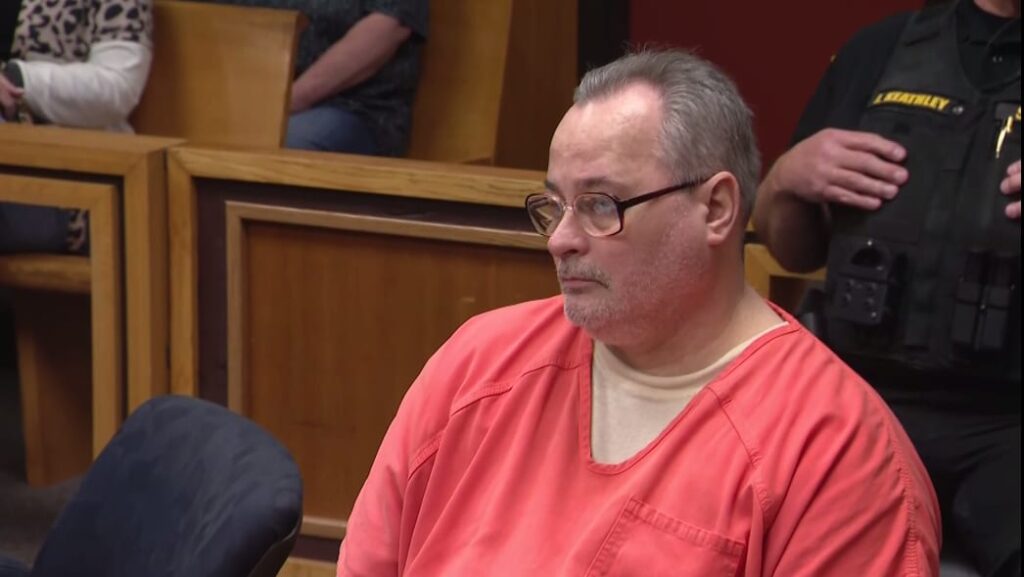
    A close-up photograph of John Skelton looking ahead with a serious expression inside a Michigan courtroom
    John Skelton appears in court for a preliminary exam on Monday, Aug. 24, 2026. (WDIV)

    • Why It Matters: The case has confounded the true crime community since Thanksgiving 2010, when Skelton’s three young sons—Andrew, Alexander, and Tanner—vanished from Morenci, Michigan. Skelton has maintained for over a decade that he gave the boys to an underground sanctuary network, a claim prosecutors just definitively dismantled in court.
    • The Trucker Tracking File: The cold case blew wide open after state tech analysts re-audited legacy cell tower data. Original investigators were tracking a skewed time window, but the updated forensic map places Skelton’s phone deep in an isolated, rural Ohio marshland—far from his home—during the exact midnight hours the boys disappeared.
    • The $60 Million Leverage: The unprecedented $20 million-per-child bond ensures Skelton will remain behind bars through the entire capital litigation process. Prosecutors stated the extreme financial hold was necessary due to high flight risk and the gravity of the newly uncovered digital evidence.

    The Motive: Spite, Control, and Highway Anonymity

    While mainstream reports focus purely on the new cell tower coordinates, court records expose a much darker, psychological undercurrent. The state’s core theory argues that Skelton was consumed by a toxic, retaliatory rage over his impending divorce. Unable to handle the breakdown of his marriage or potential loss of custody, he allegedly used his own children as the ultimate weapons of marital revenge—choosing to inflict permanent emotional devastation on their mother.

    For 15 years, Skelton successfully hid behind elaborate fabrications, utilizing his background as a long-haul driver to blend into transient transit networks. To this day, despite the new murder indictments, the physical remains of the three young boys have never been recovered.


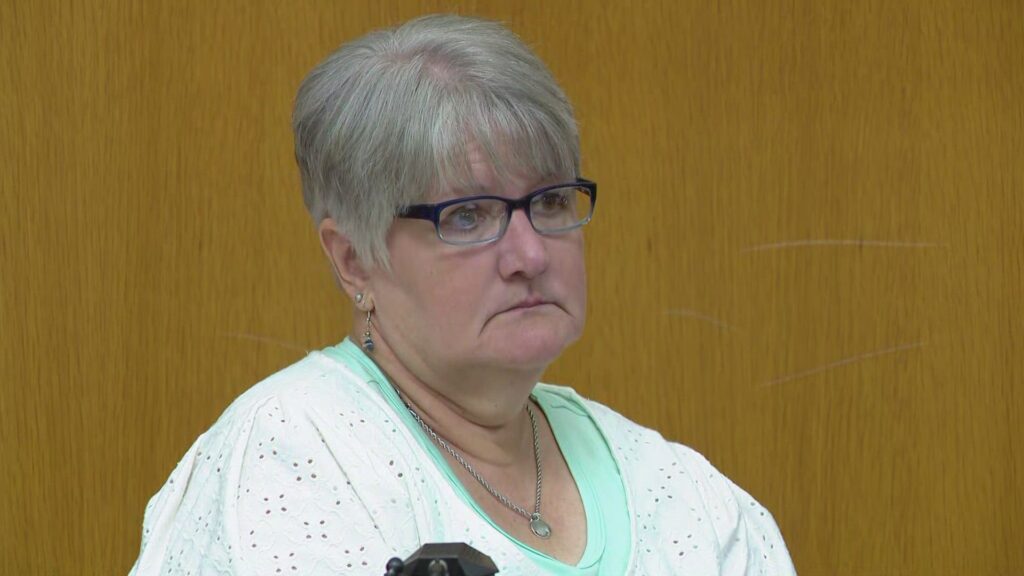
    A woman in a courtroom setting, seated near a wooden partition, wearing a white sweater and mint green top with black glasses with a serious expression on her face
    Zuvers described her children’s personalities, her relationship with John Skelton and the type of work he did when driving trucks, among other topics asked of her. (WTOL)

    A Producer’s Perspective: The Mind Behind the Malice

    “Reconstructing a 15-year-old missing persons file into a triple-homicide trial without physical remains is one of the steepest mountains an investigative team can climb,” notes the Executive Producer of 15 Minutes of Murder. “But cell tower technology has advanced exponentially since 2010. By correcting the initial tracking window, the state has turned circumstantial location dots into an undeniable forensic timeline.”

    The producer notes that the chilling connection to long-haul transit networks points to a broader systemic pattern:

    “When you look at this file, you immediately ask yourself: Why is it always truck drivers? In true crime, we see this pattern constantly. The open road provides a terrifying level of mobility, anonymity, and access to isolated spaces where things can stay hidden in plain sight. It is completely staggering to think that a father could destroy his own children for these types of retaliatory reasons, leaving a family to search for bodies that may never be found. When you analyze these files at 15 Minutes of Murder, you see a consistent, haunting thread. Almost every single murder case we cover ultimately leads right back to some form of deep mental problem, a severe psychological imbalance, or an undiagnosed mental health issue. True justice requires us to look past the ink of the police log and expose the psychological darkness that allows these tragedies to happen.”


    A bronze memorial plaque with the names and etched portraits of Andrew, Alexander, and Tanner Skelton attached to a large decorative rock outdoors, with the words "Faith, Hope, Love" visible.
    A permanent memorial plaque honoring the missing Skelton brothers stands at a park near Bean Creek in Morenci, Michigan. Attached to a large rock, the plaque bears the images of Andrew, Alexander, and Tanner along with the words “Faith, Hope, Love.” (Photo: Handout)

    Share Your Thoughts: Why do you think transit corridors and long-haul routes continue to surface so frequently in America’s most elusive tracking files? Let us know your thoughts in the comments below.

    Go Deeper: Check out our Ask a PI series on our video tab or launch our YouTube Channel for deep-dive criminal defense insights from our team.


  • Waterway Slayings: The Urban ‘No Man’s Land’ Hiding America’s Darkest Mysteries

    Waterway Slayings: The Urban ‘No Man’s Land’ Hiding America’s Darkest Mysteries

    A dark, atmospheric night view of the industrial Grand Street swing bridge crossing Newtown Creek between Brooklyn and Queens, with city lights reflecting faintly on the dark water.
    The Grand Street Bridge crossing Newtown Creek under the cover of darkness. (Photo: BridgesNYC)

    The haunting recovery of multiple bodies from urban waterways in New York and Houston has ignited intense national concern over the past few years. While law enforcement authorities push back against viral “serial killer” theories, independent investigators are focusing on the dangerous, industrial geography where nightlife hubs intersect with deep water. Cities like Houston and Brooklyn are just two of the major cities where waterways like these hide secrets beneath the surface. They represent a systemic reality: countless cities across the globe are built alongside dark waterways that offer easy concealment for crime.


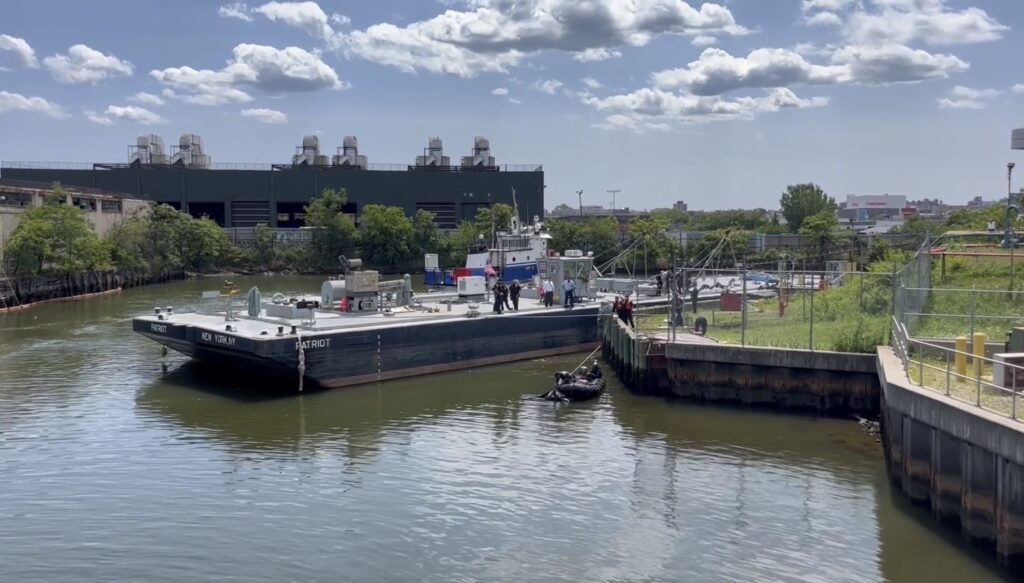
    An NYPD harbor unit boat on Newtown Creek during the day, with officers actively recovering a body from the waterway.
    NYPD Harbor Unit officers recover a body from Newtown Creek. (Photo: Video still by Gregory P. Mango)

    • Why It Matters: Water is a forensic nightmare. It systematically dilutes toxicology evidence, destroys clothing fibers, and erases DNA, making it a predator’s ultimate tool for concealing a violent crime.
    • The Newtown Creek Danger Zone: The industrial border between Brooklyn and Queens—once considered a total geographic “no man’s land”—is now home to massive music venues. Since 2023, multiple men have vanished after leaving nearby clubs, only for their bodies to be recovered from the polluted Newtown Creek.
    • The Houston Bayou Crisis: In Texas, Houston’s extensive waterway network has turned into a massive tracking file. Hundreds of bodies have been pulled from the city’s bayous over the last decade, sparking fierce public demand for municipal transparency.
    • The Institutional Denial: In both New York and Houston, city officials and police departments vehemently reject any connection between the cases, frequently attributing the drownings to substance impairment, accidental falls, or transient conditions.

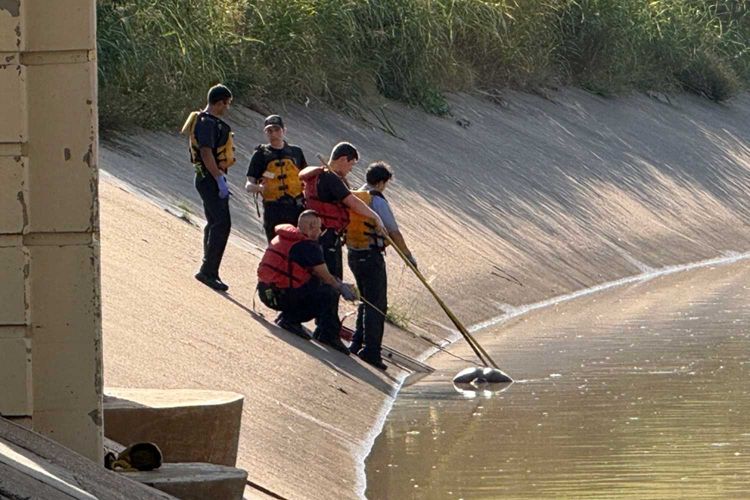
    Emergency emergency personnel, including Houston fire and police units, gather near a bike path during the day along the water at White Oak Bayou to conduct recovery operations.
    First responders search in the water at White Oak Bayou, Oct. 8, 2025.Credit : Jill Karnicki/Houston Chronicle via Getty

    A Producer’s Perspective: Turning Data into Human Reality

    “Facts and statistics are crucial, but the data doesn’t truly become real until you look at the human devastation left behind,” notes the Executive Producer Craig of 15 Minutes of Murder. “When you watch an interview with a grieving family member whose cousin was pulled from a Houston bayou, and you hear that the autopsy was ruled ‘undetermined,’ the clinical case file shatters. You realize that beneath the paperwork is a family left in absolute torment, deeply suspecting foul play while the system closes the book.”

    The producer’s own history living in New York provides a chilling context to the environmental vulnerabilities of modern nightlife:

    “I remember distinctly the feeling of leaving a warehouse venue out near Newtown Creek at 3:00 AM in the dead of winter. It was an absolute no-man’s land—remote, freezing cold, snow on the ground,and completely quiet. If you screamed, no one would ever hear you. There was nothing open, no traffic, and the walk to the nearest subway line felt miles away. I used to be terrified of the Gowanus Canal, but at least that area has built up over time; there is life around you 24/7, even if it’s just a corner bodega. But these active industrial waterways adjacent to nightlife districts are a completely different level of isolation, and it is an environment easily exploited by a predator.”


    A stark night view of a completely empty, industrial street leading toward the Newtown Creek wastewater facility, where massive, egg-shaped metallic structures glow with light against the dark sky.
    Silent night in the industrial sector of Newtown Creek. (Photo: Courtesy of the Roosevelt Island Historical Society)

    Share Your Thoughts: Do you believe cities have a legal obligation to install heavy fencing and surveillance cameras around industrial waterways near entertainment districts, or is this simply a matter of personal nightlife safety? Let us know in the comments below.

    Go Deeper: Check out our Ask a PI series on our video tab or launch our YouTube Channel for deep-dive criminal defense insights from our team.


    A daytime view of a concrete storm drain outlet pouring rushing water directly into the wide, muddy channel of Buffalo Bayou with the downtown Houston urban landscape nearby.
    A downtown Houston storm drain empties into Buffalo Bayou, highlighting the direct link between the city streets and its hidden waterways.