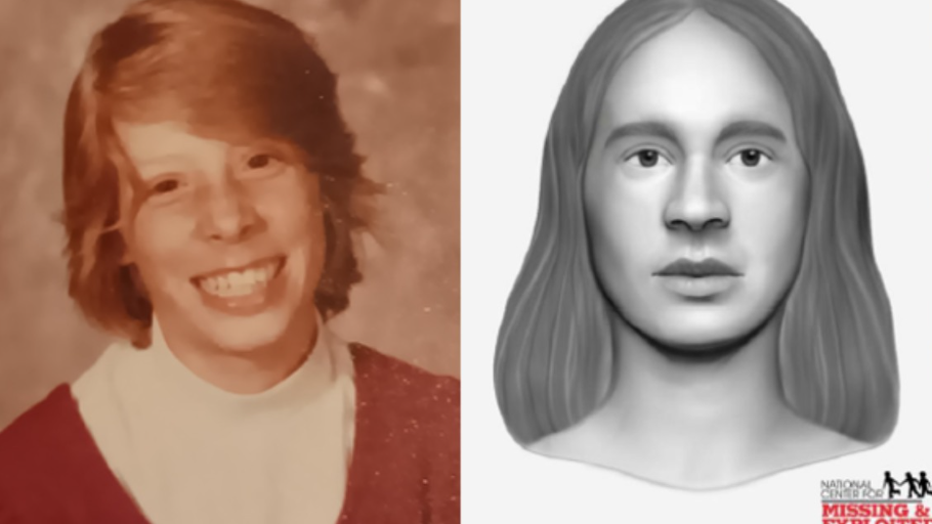
A sharp strategic pivot by Central Florida cold case investigators has narrowed the hunt for an unmapped 1980s serial predator. By isolating two prominent, newly identified “sister files” out of Lake County, detectives are examining a terrifying geographic timeline that strongly suggests both victims fell prey to long-haul transit predators.

- Why It Matters: The Interstate 4 corridor network provided late-70s and 1980s predators with the ultimate weapon: total transit anonymity. Long-haul truck drivers could exploit a highway exit, dump an out-of-state victim across a county boundary, and count on fragmented paper filing systems to evade local tracking networks.
- The ‘Judy Doe’ Breakthrough: For 40 years, the Lake County Sheriff’s Office carried only two unidentified female homicide files from the 1980s. The first cracked in January 2025 when advanced DNA profiling identified “Judy Doe” as 16-year-old Rebecca Sue Hill, a missing teenager from Arkansas whose body was left discarded in the Altoona brush off a dirt road.
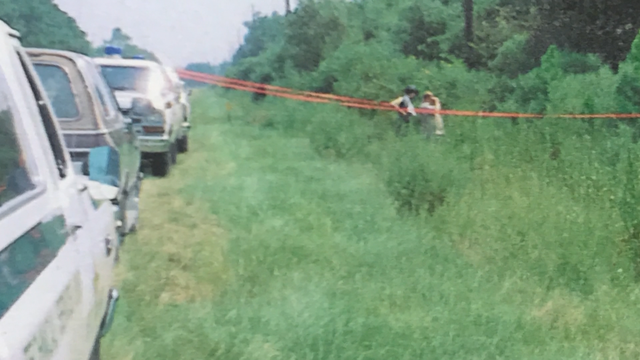
- The ‘Julie Doe’ Sister File: The second file matched the exact tracking geometry. In March 2025, forensic genealogy restored the true identity of “Julie Doe,” revealing her as 25-year-old Pamela Leigh Walton of Kentucky. Her remains were discovered dragged just 30 feet off the shoulder of County Road 474 in Clermont—a major transit connector.
- The Out-of-State Blueprint: Neither victim had local family ties to Florida. The geographic layout of the body drops—both placed in thick, deep woods directly off major highway transit lines—perfectly mirrors the criminal signature of a commercial trucker operating a mobile crime scene.
A Producer’s Perspective: The Digital Dragnet Closing In
“When you sit in a post-production studio tracing the geometry of these specific sister files, the long-haul trucking theory becomes impossible to ignore,” notes the Executive Producer of 15 Minutes of Murder. “Rebecca Sue Hill and Pamela Leigh Walton were completely lost in a jurisdictional black hole for over four decades. Predators in that era relied on the fact that local sheriff departments simply didn’t have the integrated digital networks to spot overlapping highway patterns.”
The producer emphasizes that this dual-profile is the foundation of their upcoming series:
“A standard police log only demands clinical metrics—but our ultimate goal is to look past the ink to give these victims their real lives back. Rebecca and Pamela were young women with futures, erased by a highway system that shielded their killers. Their files belong to a much larger, chilling pattern of at least 19 other victims who vanished or were found dead along this exact Interstate 4 network between the 1970s and 1990s. True justice requires an independent media lens to forcefully expose the broader regional psychological patterns that allowed these predators to operate in plain sight.”
Premiere Tracking Alert: To step directly into the forensic files and the deep, haunting history of Florida’s hidden transit predators, join our team the evening of 9/13/2026 or anytime after for the highly anticipated premiere of 15MM presents: After Dark — The Corridor (Part 2), streaming on all major podcast outlets (Spotify, Apple, Amazon, iHeart Radio, and more).
Share Your Thoughts: Do you believe transit corridors and truck stop networks require stricter surveillance infrastructure to permanently dismantle predator anonymity, or is public privacy more important? Let us know in the comments below.
Leave a Reply